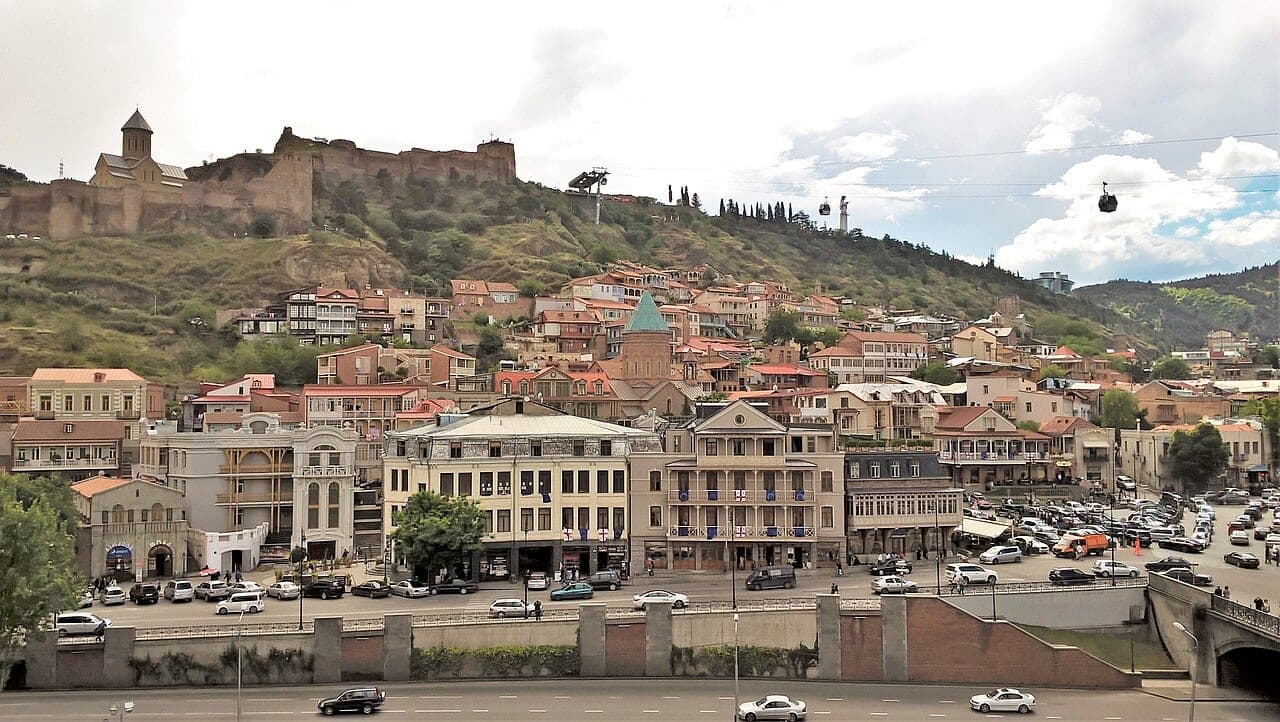
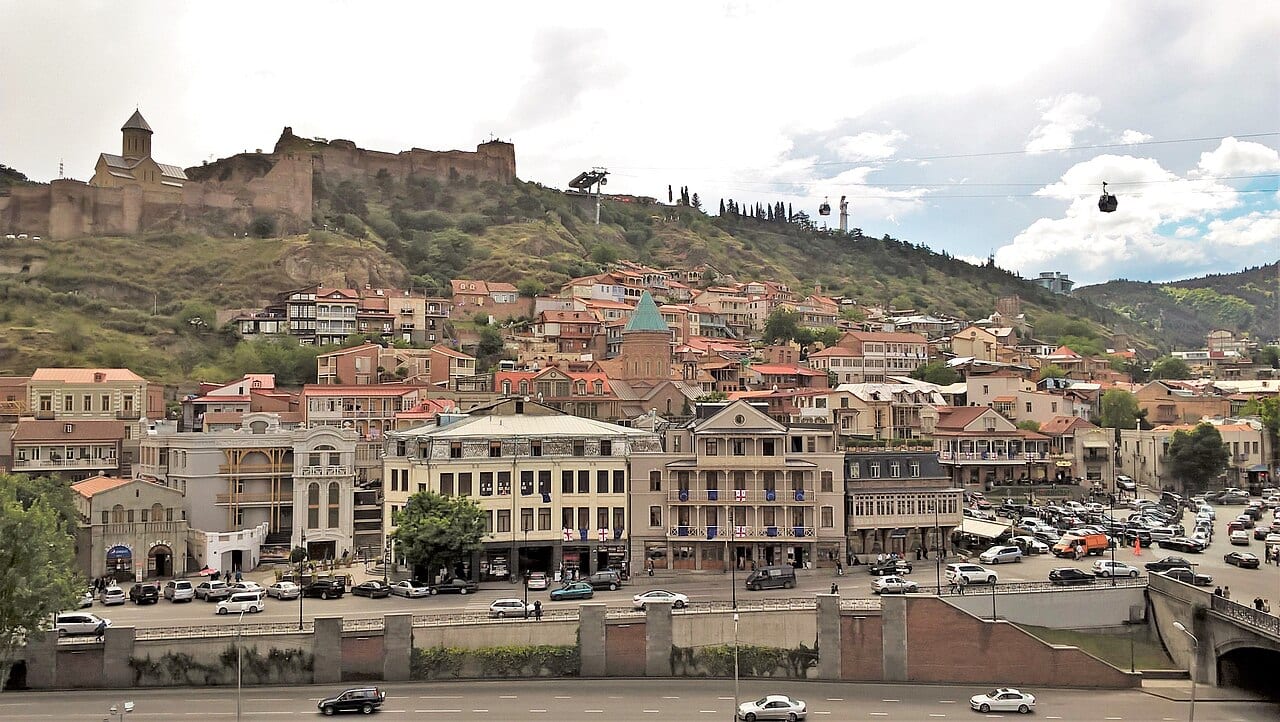
The first thing Tbilisi does is slow you down. You come out of the old town lanes onto the riverbank, the brick domes of the sulphur baths steaming at your feet, Narikala Fortress on the ridge above, and a man selling roasted chestnuts from a cart that looks older than he is. Then you notice how close everything is: the mountains of the Greater Caucasus are a morning's drive away, and by lunch you can be standing in snow under a 5,000-metre peak. That mix of a small, walkable capital and serious mountains is why Georgia has become one of the easiest short-haul escapes from the Gulf. This Tbilisi and Georgia guide covers the city properly and then takes you up the old military road to Ananuri, Gudauri and Kazbegi, with plans for three days and for a full week.
When to go, month by month
Tbilisi sits in a sheltered valley, so it is milder than people expect for the Caucasus. Long-term averages put the daily high around 7°C in January, 13°C in March, about 24°C in May, and a properly hot 31–32°C in July and August, when nights stay near 20°C. Here is how the year actually feels on the ground:
- March to May: blossom in the old town, green hills, and snow still on the high peaks. May is the wettest month, so pack a light rain jacket. A lovely time for families who want the mountains without the deep winter.
- June to August: hot in the city, perfect in the mountains. Kazbegi and Gudauri are at their greenest, the hiking trails are open, and Gulf families arrive in numbers, so book early.
- September and October: many travellers' favourite. Highs drop from about 26°C to 20°C, the light turns golden and the crowds thin out.
- November: cool and quiet. Expect daytime highs in the low teens and nights a few degrees above freezing. That suits the Saudi school break (20–28 November 2026) if you want a city break with crisp air rather than heat. The first snows usually reach the high mountains around now, so Kazbegi can look wintry while Tbilisi is still in autumn colours.
- December to March: Gudauri's ski season. Tbilisi itself rarely gets heavy snow, but the road to Kazbegi crosses the Jvari Pass at over 2,300 metres and is closed for hours or days after big snowfalls. Build a spare day into any winter mountain plan.
Getting there
Tbilisi International Airport (TBS) is on the eastern edge of the city. From the Gulf there are direct flights from cities including Dubai, Sharjah, Doha, Kuwait and Riyadh, some of them seasonal, on a mix of low-cost and full-service carriers; flying time is roughly three to four hours depending on where you start. From Amman and Cairo you will usually connect, often through Istanbul or a Gulf hub, so allow most of a day. Our route pages track the live fares and the airlines that actually fly each route: Dubai to Tbilisi, Riyadh to Tbilisi, Jeddah to Tbilisi, Kuwait to Tbilisi, Amman to Tbilisi and Cairo to Tbilisi.
From the airport, a taxi or a Bolt ride to the old town takes around half an hour outside rush hour. City bus 337 runs between the airport and the centre and is the budget option if you travel light. Many arrivals from the Gulf land late at night, so it is worth asking your hotel to send a car.
Visas and entry
Georgia publishes its visa-free list as a government decree on the official legal portal, Matsne, and citizens of all six GCC states are on it, which allows a stay of up to one year. Jordanian, Egyptian and Lebanese passport holders generally need a visa, which is handled through the official Georgian e-visa portal; the consular rules also exempt some holders of certain foreign visas and residence permits, so check your own case on the portal before you book.
Where to stay
- Old Town (Kala, Abanotubani, Sololaki): the most atmospheric base, with the baths, the fortress, the cable car and the best evening walks on your doorstep. Streets are steep and cobbled, so it is less ideal with a pushchair or for grandparents who struggle with hills.
- Rustaveli and Vera: central, flatter, close to the museums, the opera and two metro stations. A good middle ground for families.
- Vake: leafy and residential, with Vake Park and wide pavements. Quieter evenings and a local feel; a short taxi ride to the old town.
- Saburtalo: newer apartment towers and better value for longer stays, well connected by metro.
Our Tbilisi hotels page compares live rates across these areas. For a mountain night, Stepantsminda (the town at Kazbegi) and Gudauri both have hotels and guesthouses with big views; Gudauri is the easier pick in ski season.
What to see and do in Tbilisi
Abanotubani and the sulphur baths
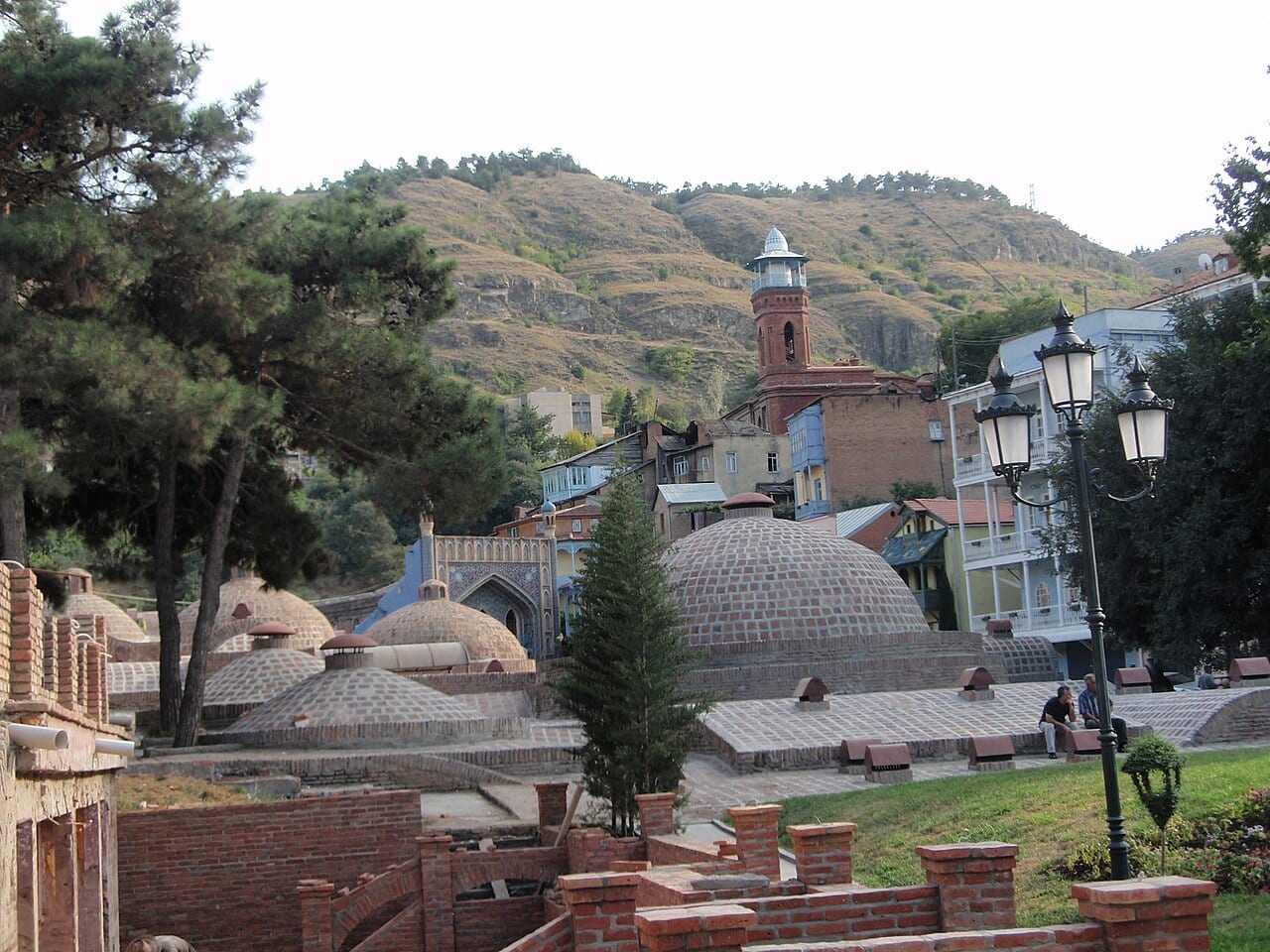
Tbilisi grew around its hot springs, and the domed bathhouses of Abanotubani are still working. Most of them rent private rooms by the hour, which is the way to do it if you want privacy: a hot sulphur pool, a cold plunge and, if you like, a traditional scrub. The water smells of sulphur, and you will not mind after five minutes. Book a slot for the evening of your arrival day; it is the best cure for a red-eye flight.
Jumah Mosque
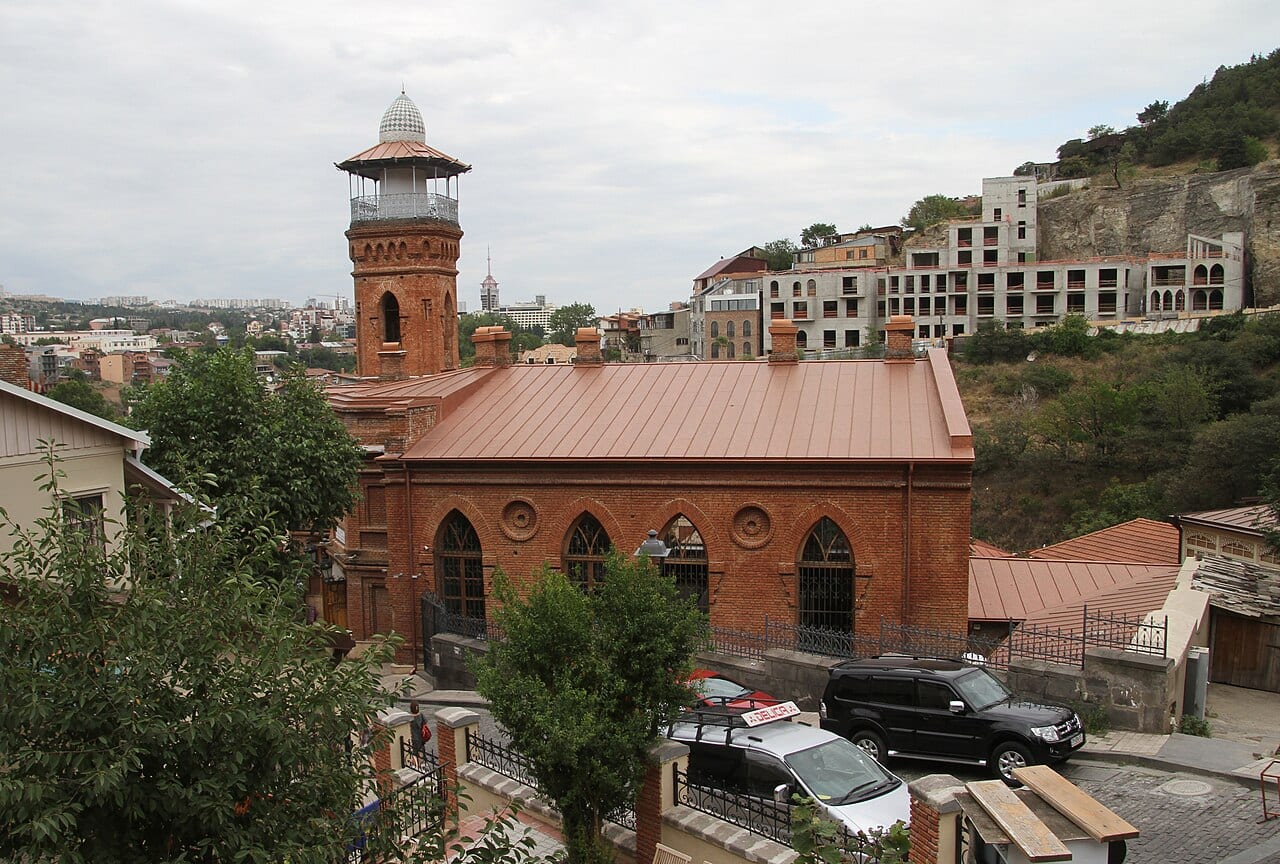
Right behind the baths, the red-brick Jumah Mosque with its slender minaret is the city's main mosque and one of its most photographed buildings. It is known as a place where Sunni and Shia worshippers pray together, which says a lot about the old town's long history of neighbours of different faiths. Visitors are welcome outside prayer times; dress modestly.
Narikala Fortress and the cable car
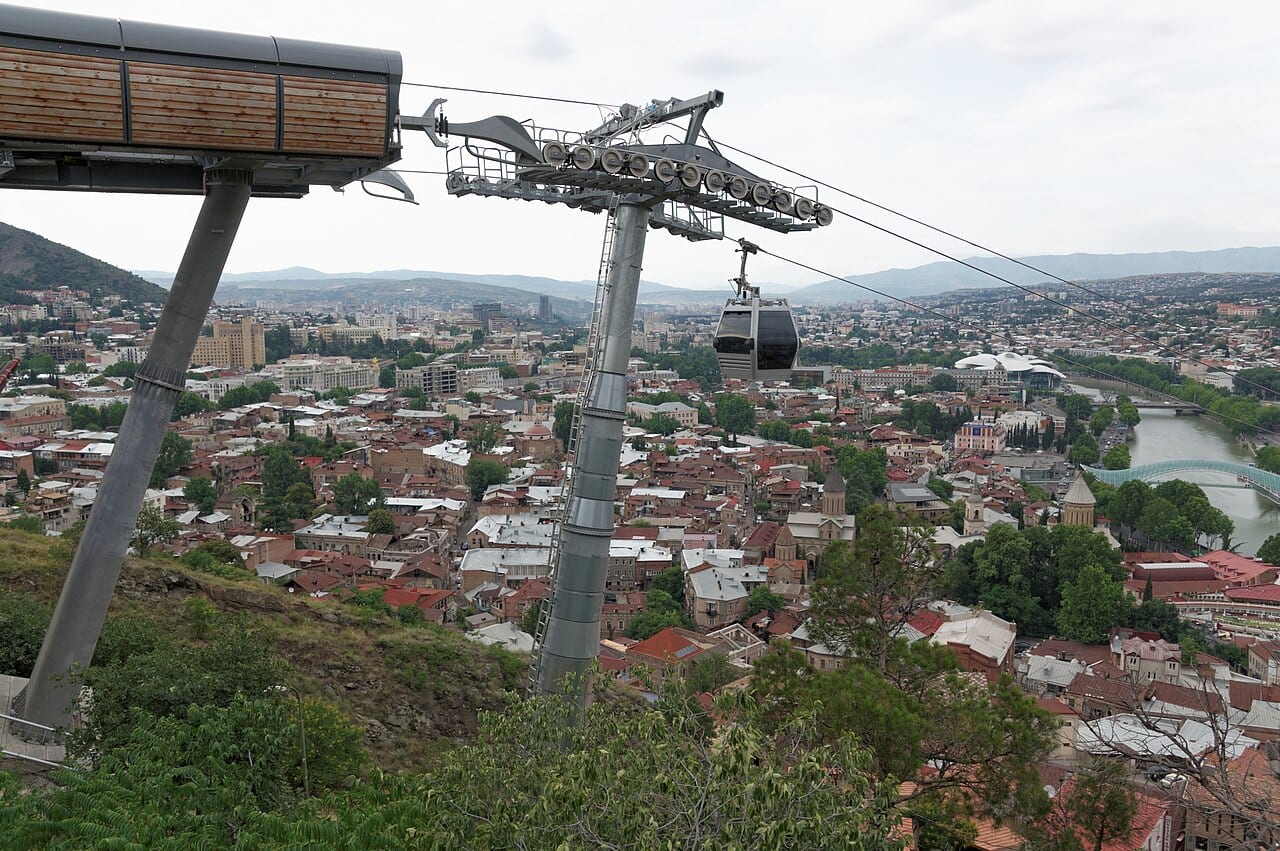
The aerial tramway from Rike Park lifts you over the river to Narikala in a couple of minutes. Walk along the walls for the classic view over the old town's balconies, then on to the aluminium statue of Kartlis Deda, the Mother of Georgia, who holds a sword for enemies and a bowl for guests. You can walk back down through the lanes to the baths or into the Botanical Garden, which hides a small waterfall in its gorge.
The Bridge of Peace and Rike Park
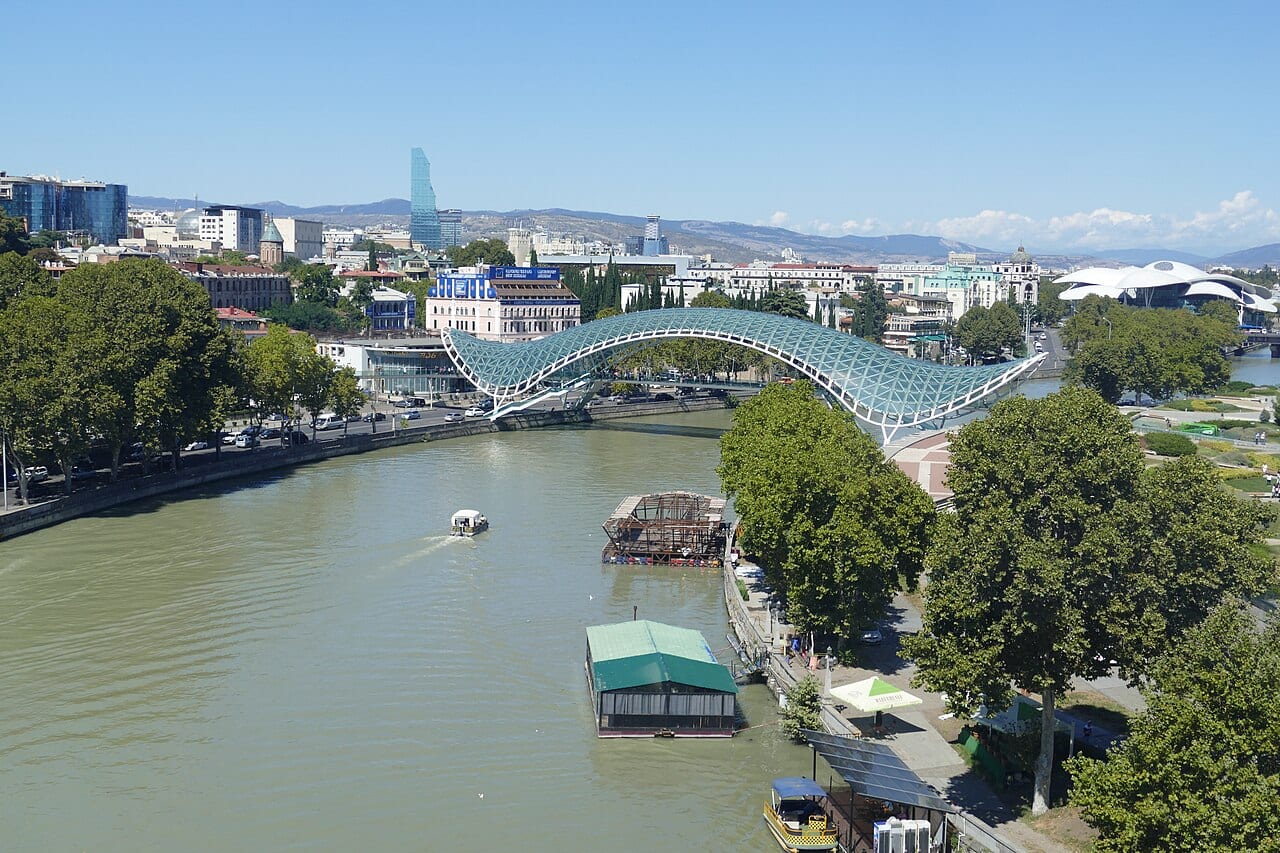
The glass-and-steel Bridge of Peace, opened in 2010, links the old town with Rike Park, where children have lawns to run on. It glows after dark: the obvious finish to an evening walk.
Sameba Cathedral and Metekhi
Sameba, the Holy Trinity Cathedral, dominates the skyline from its hill on the left bank, and its terrace is a fine sunset viewpoint. Closer to the river, the little Metekhi church stands on the cliff where the photo at the top of this guide was taken.
Rustaveli Avenue and the Dry Bridge market
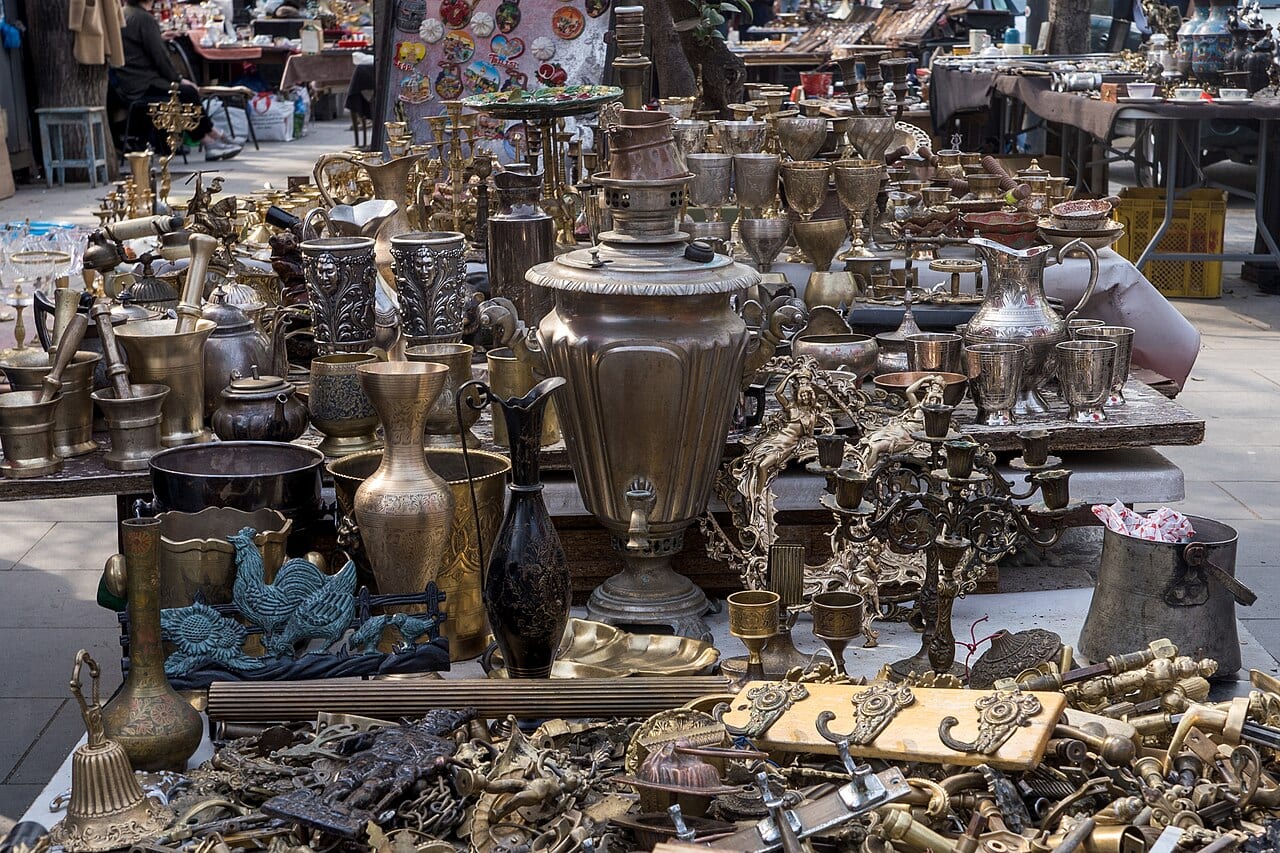
Rustaveli is the city's grand avenue: the Georgian National Museum, the parliament, the opera and long rows of cafés. At its end, the Dry Bridge market is an open-air flea market of Soviet badges, samovars, old cameras, paintings and silver. It is busiest at weekends, and bargaining is expected and friendly.
Day trips: Mtskheta, Ananuri, Gudauri and Kazbegi
The Georgian Military Road runs north from Tbilisi into the Caucasus, and almost everyone's best day in Georgia happens on it. You can drive yourself, but most visitors hire a driver for the day or join a small-group tour; ask your hotel for a driver they use.
Mtskheta and Jvari
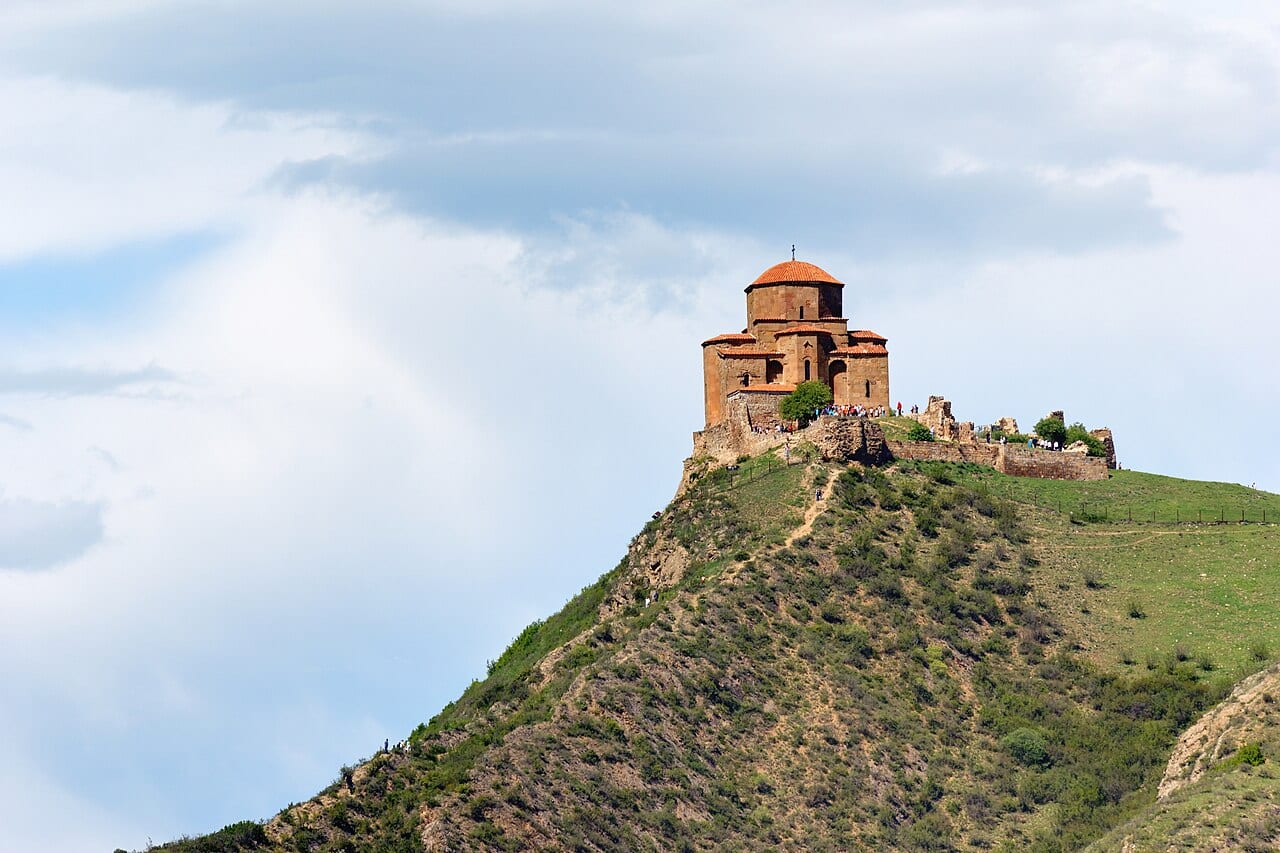
About 20 kilometres north of Tbilisi, Mtskheta was Georgia's ancient capital, and its monuments are on the UNESCO World Heritage list. Svetitskhoveli Cathedral sits inside fortified walls in the town; across the river, the sixth-century Jvari Monastery stands alone on a hilltop above the meeting of two rivers. Most Kazbegi trips stop here on the way out or back.
Ananuri
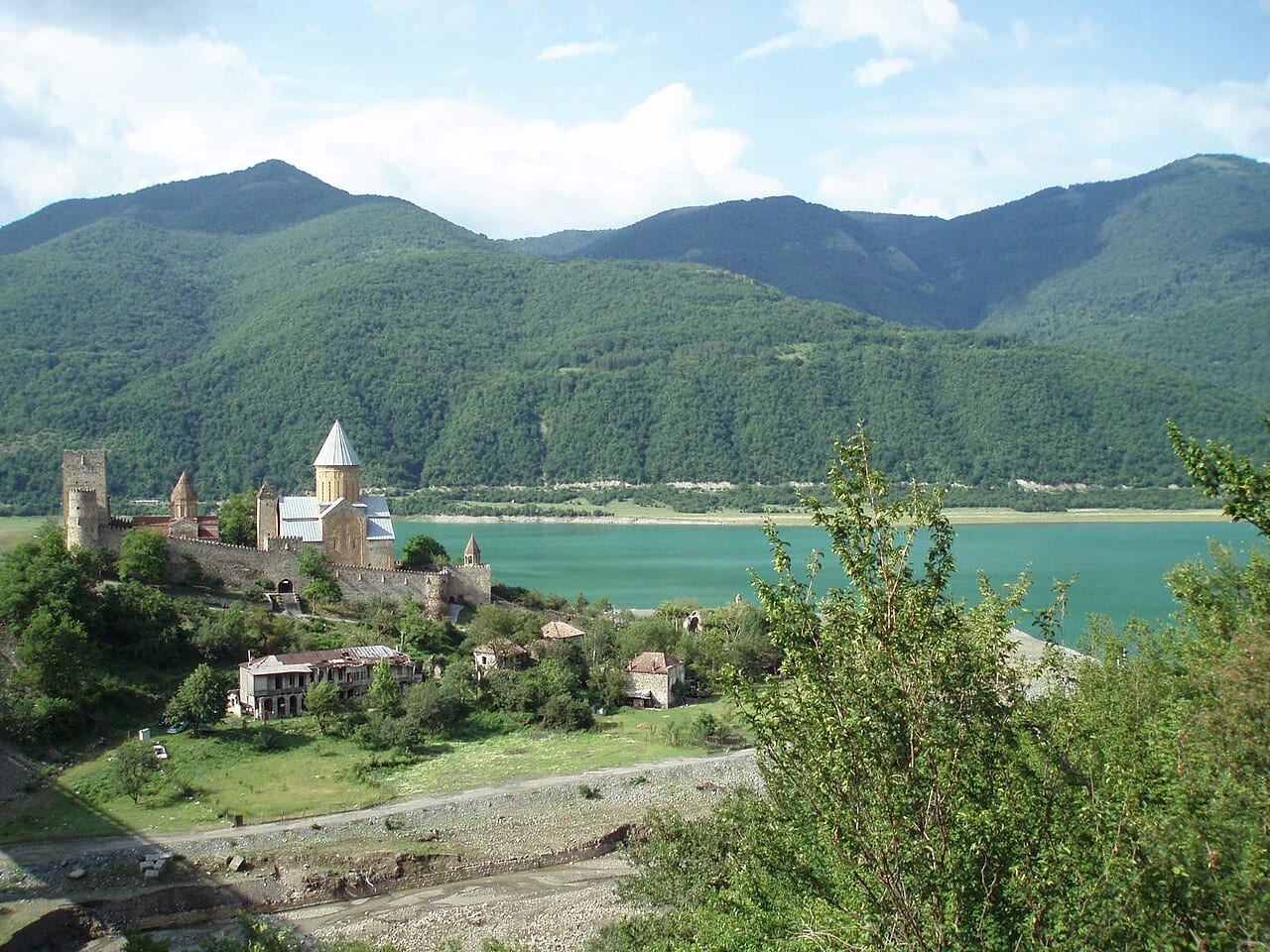
An hour or so further north, Ananuri is a fortress with two churches and a watchtower on the shore of the Zhinvali Reservoir, whose water turns an unreal turquoise in summer. Climb the tower for the view; the steps are narrow, so hold small hands.
Gudauri
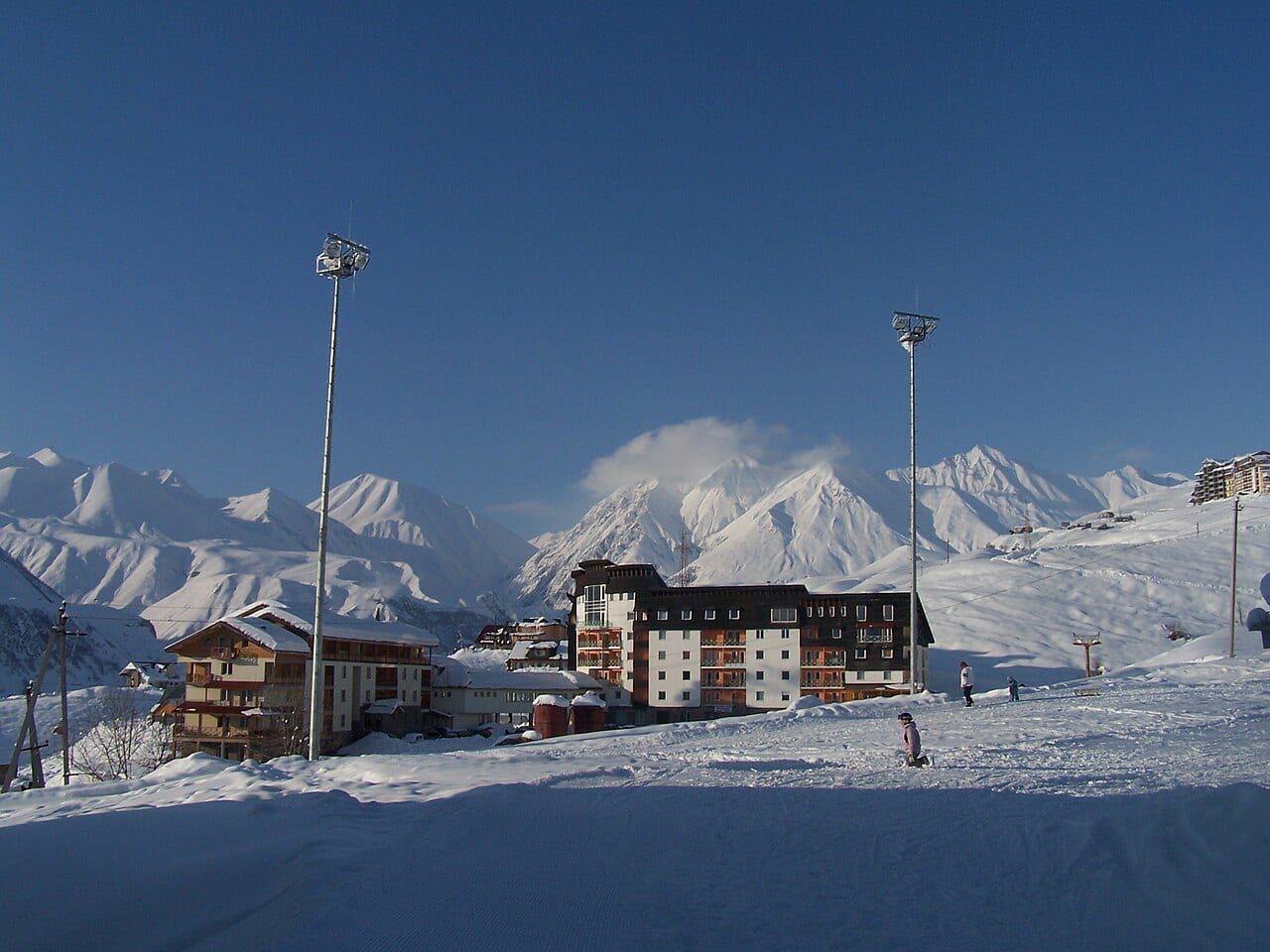
Gudauri is Georgia's best-known ski resort, high above the tree line, with lifts, ski schools and hotels clustered along the road. In winter it is the place for a first ski lesson, sledging with children and paragliding over the valley on clear days. In summer the same slopes turn green and the lifts carry hikers. The Russia–Georgia Friendship Monument, a curved mosaic viewpoint just past the resort, is the photo stop everyone makes.
Kazbegi (Stepantsminda) and Gergeti
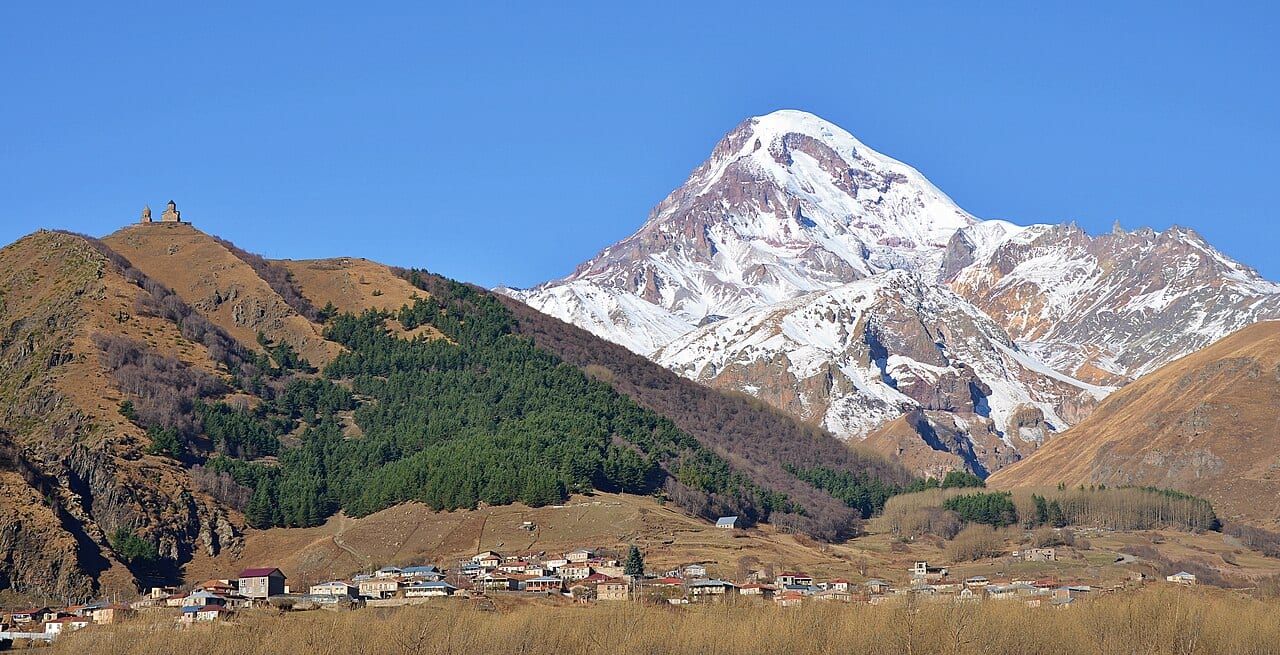
The road ends, for most visitors, at Stepantsminda, still widely called Kazbegi, roughly three hours' drive from Tbilisi in good conditions. Above the town, the fourteenth-century Gergeti Trinity Church sits alone on a ridge with Mount Kazbek, over 5,000 metres, behind it. It is the single most famous view in Georgia. Four-wheel-drive taxis wait in the town to take you up; fit walkers can hike it in around an hour and a half. Bring warm layers in any season: it is far colder up here than in Tbilisi. If you have an extra day, the Gveleti waterfall and the Truso Valley are short trips from Kazbegi.
What to eat
Georgian food is generous, cheesy and built for sharing. Order several plates for the table and taste everything.
- Khachapuri: cheese bread in many regional styles. The Adjarian one is a boat of bread filled with molten cheese, an egg yolk and a slab of butter that you stir in at the table.
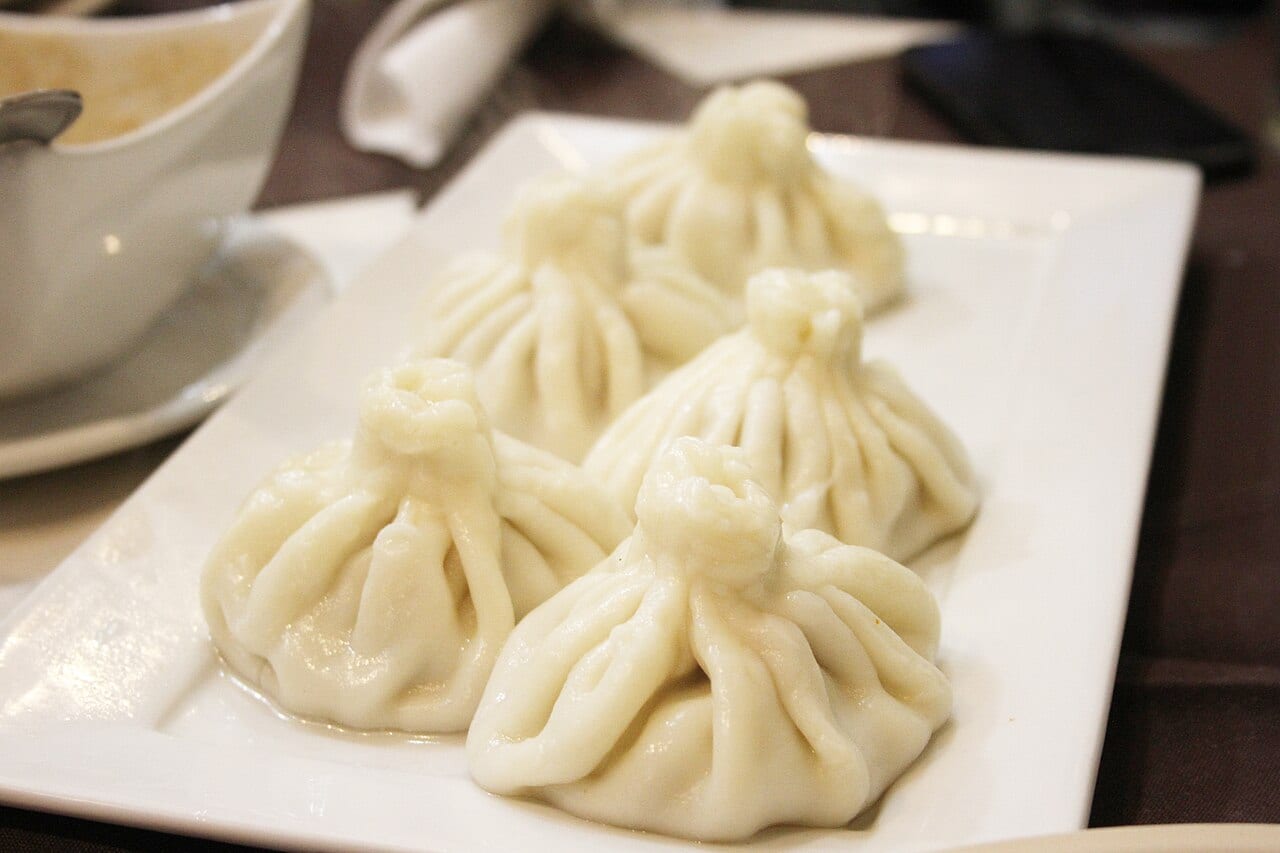
- Khinkali: big pleated dumplings full of broth. Hold the top knot, bite a small hole, sip the broth, then eat the rest; leave the knot on the plate. Fillings vary, so ask what is inside and choose beef, lamb, mushroom, cheese or potato.
- Badrijani nigvzit: aubergine rolls filled with spiced walnut paste and pomegranate seeds.
- Pkhali and lobio: vegetable and walnut pâtés, and slow-cooked beans served in a clay pot with cornbread.
- Mtsvadi: grilled meat skewers; ask for lamb, beef or chicken.
- Churchkhela: strings of walnuts dipped in thickened grape juice, sold on every corner and the perfect snack for the mountain road.
- Lagidze waters: old-fashioned syrups mixed with soda; try tarragon, it is bright green and very Georgian.
Many traditional dishes mix different meats, so if you follow dietary rules, ask before you order. Halal restaurants, many of them run by Turkish, Azerbaijani and Arab owners, are easy to find around the old town and Abanotubani, near the mosque, and along Aghmashenebeli Avenue; Georgia's vegetarian dishes are excellent for everyone in between.
Getting around
Tbilisi's two metro lines are quick for longer hops; tap a contactless bank card at the gates. For everything else, Bolt is cheap and reliable and saves negotiating with street taxis. The old town is best on foot; wear shoes with grip, because the cobbles are polished smooth. For the mountains, a driver for the day is the stress-free option, and in winter make sure the car has proper tyres.
A 3-day plan
- Day 1, old Tbilisi: the Jumah Mosque and Abanotubani in the morning, the cable car to Narikala and the Mother of Georgia, lunch in the old town, an afternoon in the Botanical Garden, then the Bridge of Peace at dusk and a private sulphur bath to finish.
- Day 2, the mountains: an early start up the Military Road: Jvari and Mtskheta, Ananuri, the Gudauri viewpoint and the Gergeti Trinity Church at Kazbegi, back in Tbilisi late evening.
- Day 3, the new city: Rustaveli Avenue and the Georgian National Museum, the Dry Bridge market, Vake Park in the afternoon and a long dinner of khachapuri and khinkali.
A 6-day plan
- Day 1: arrive, settle in the old town, evening bath and a walk over the Bridge of Peace.
- Day 2: old Tbilisi slowly: the mosque, the baths quarter, Narikala, the Botanical Garden and Sameba at sunset.
- Day 3: Mtskheta and Jvari in the morning, Ananuri at midday, overnight in Gudauri.
- Day 4: on to Kazbegi: Gergeti Trinity Church in the morning light, the Gveleti waterfall or the Truso Valley in the afternoon (summer and autumn), overnight in Stepantsminda. In winter, swap this for a day of ski lessons or sledging in Gudauri.
- Day 5: back to Tbilisi; Rustaveli, the National Museum and the Dry Bridge market.
- Day 6: a slow last morning in Vake, souvenir churchkhela, and the airport.
Want this built around your own dates, children's ages and budget? Our AI trip planner turns it into a day-by-day plan with live flights and stays.
Money and practical tips
- Currency: the Georgian lari (GEL). Cards work in most hotels, restaurants and supermarkets; carry some cash for markets, the baths and village stops on the mountain road. Exchange offices in the centre are everywhere and usually better than the airport.
- Dress: casual is fine in the city. Women are asked to cover their heads and wear skirts at many churches, and wraps are often provided at the door; at the mosque everyone should dress modestly.
- Winter roads: after heavy snow the road beyond Gudauri can close; keep your Kazbegi day flexible and do not plan it for the day before your flight.
- Official tourism information: the Georgian National Tourism Administration runs georgia.travel, with event listings and regional guides.
FAQ
How many days do I need for Tbilisi and the mountains?
Three days covers Tbilisi and one long day trip to Kazbegi. Five to seven lets you sleep in the mountains, which is when Georgia really opens up.
Is Tbilisi good for families with young children?
Yes. Distances are short, parks are good, and Georgians are warm with children. The old town's hills and cobbles are the main challenge for pushchairs, so a carrier helps.
Can I visit Kazbegi in winter?
Usually, yes, but the Jvari Pass road closes after heavy snowfall, sometimes for a day or more. Plan Kazbegi early in your trip so you have days to spare.
When is the ski season in Gudauri?
Roughly from December into April, depending on the snow each year. The first half of December can be thin, so check conditions before booking a ski-focused trip.
Is it easy to find halal food in Tbilisi?
Yes, especially around the old town and Abanotubani and along Aghmashenebeli Avenue. Outside Tbilisi it is thinner, so vegetarian and fish dishes are the simple choice in villages.
Do I need a visa for Georgia?
GCC citizens are on Georgia's visa-free list for stays up to a year. Jordanian, Egyptian and Lebanese citizens generally apply through the official e-visa portal unless an exemption applies to them; check the portal for your own passport.