Luxor is the kind of place that makes you rethink what a city can hold. On one side of the Nile, two of the largest temple complexes ever built. On the other, a whole valley of royal tombs cut into golden cliffs. Modern Luxor is a small, walkable town wrapped around all of it, and it just landed on National Geographic's Best of the World 2027 list, partly because a total solar eclipse will darken its skies for more than six minutes in 2027. Come before that crowd, in the cooler months, and you get the place at its best.
This Luxor 3 day guide covers one day on the East Bank, one on the West Bank, and one slow day on the river. It works for families, for first timers, and for anyone who wants the big sights without rushing them.
Before you go: the basics
Luxor sits on the Nile in Upper Egypt, a short flight south of Cairo. Most visitors fly into Luxor International Airport, take the train from Cairo, or arrive on a Nile cruise from Aswan. Three full days is the sweet spot: two days for the main sights, one day to slow down.
The best months are October to April, when daytime temperatures are warm rather than punishing. Summer visits are possible but the West Bank tombs get very hot by midday, so early starts matter even more. Luxor is split by the Nile into the East Bank, where the temples and the town are, and the West Bank, where the tombs and mortuary temples sit. You cross by bridge or by small motorboat.
Tickets are sold per site, and the main tombs and temples each have their own entry. A guide is worth it for at least the first day: the stories behind the carvings are half the experience, and a good guide knows which tombs are open and which are closed for restoration on a given week.
Day 1: the East Bank, Karnak and Luxor Temple
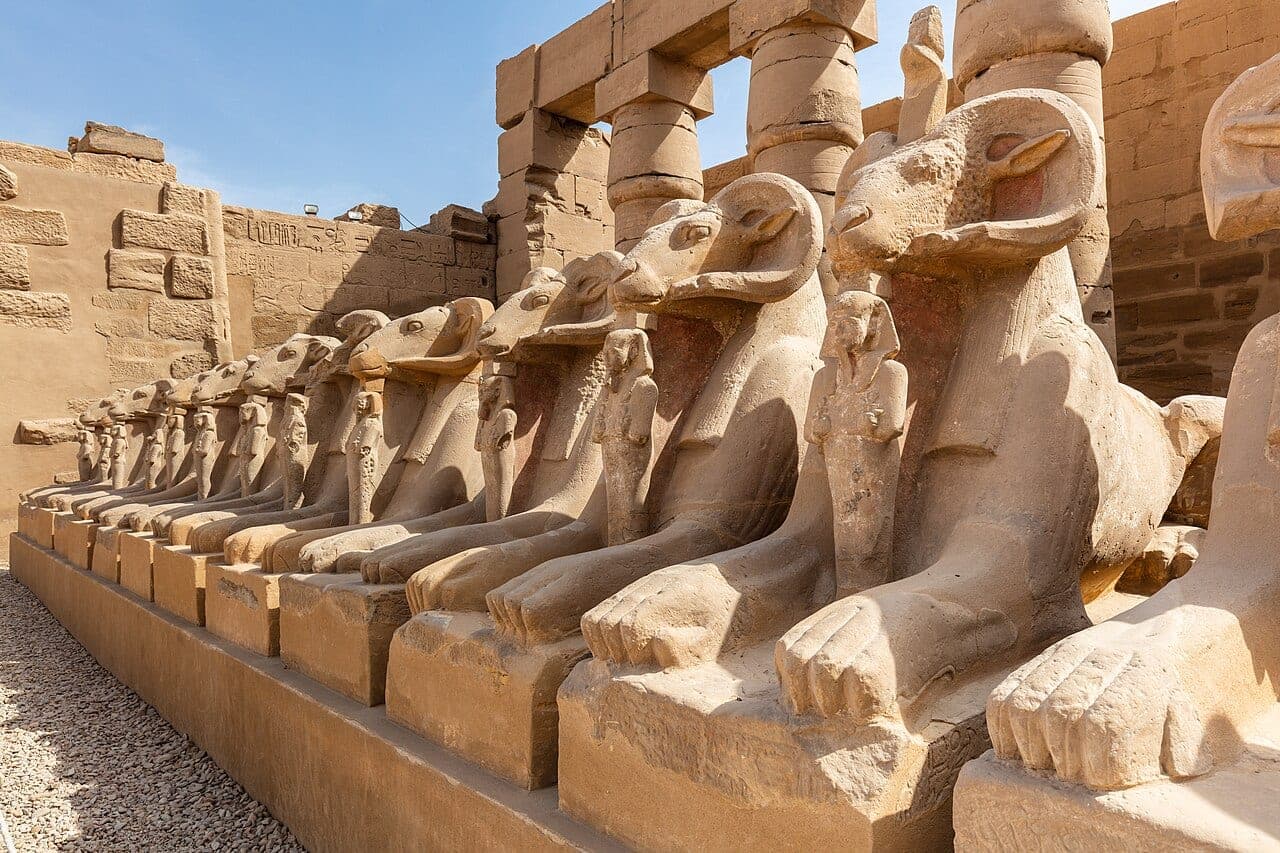
Start early at Karnak. This is not one temple but a whole complex built and extended by around thirty pharaohs over more than 2,000 years, and it is believed to be the second most visited historic site in Egypt after the pyramids of Giza. Walk the Avenue of Sphinxes approach, then stand in the Great Hypostyle Hall, where 134 columns rise in sixteen rows, the tallest about 21 metres high. It is the largest religious hall ever built, and walking between the columns still feels like entering a stone forest.
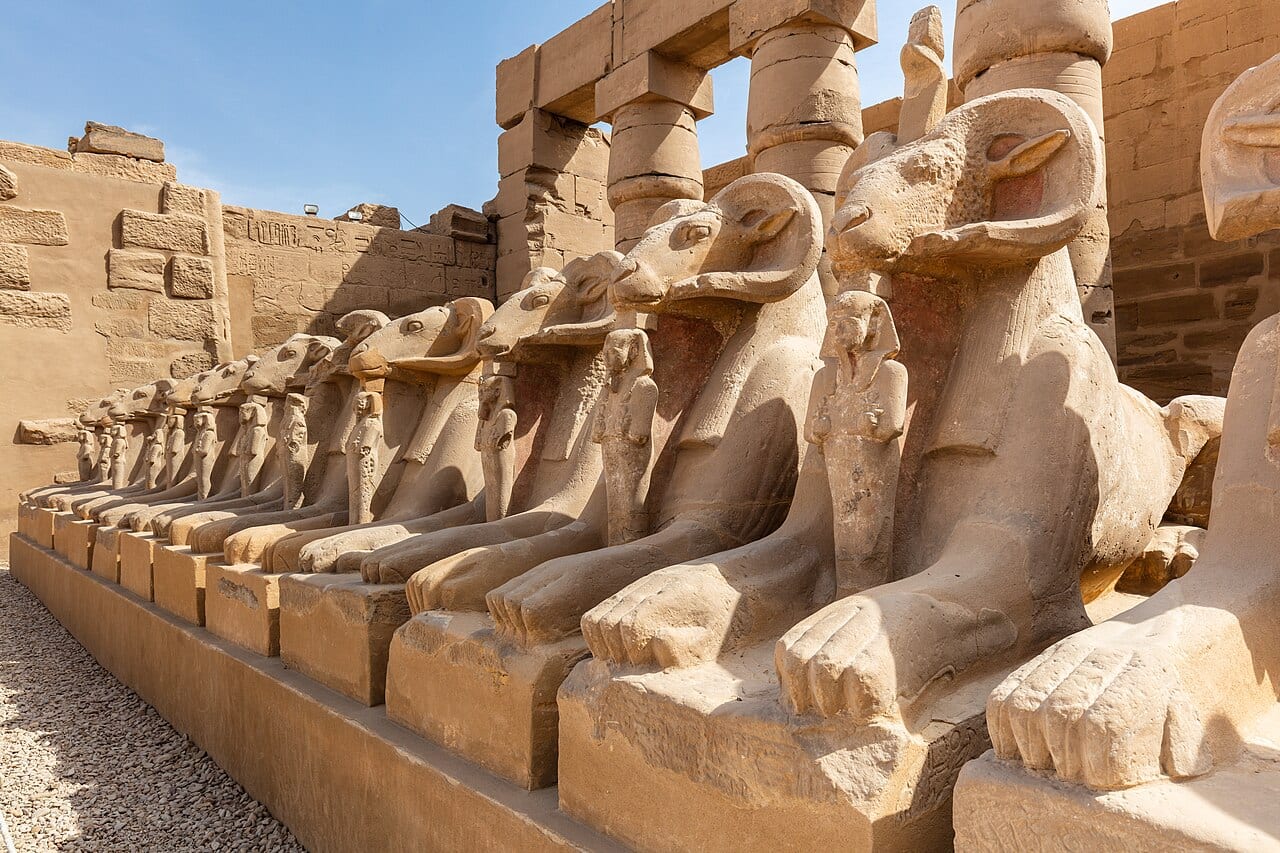
Give Karnak at least three hours. The Precinct of Amun-Re is the part most visitors see, with its pylons, obelisks and the sacred lake. From there, follow the Avenue of Sphinxes south. The restored processional road runs about 2.7 kilometres and connects Karnak to Luxor Temple, the same route the gods' statues travelled during the annual Opet Festival.
Luxor Temple is best at sunset, when the stone turns gold and the lights come on. Its core was built by Amenhotep III around 1400 BCE and expanded by Ramesses II, whose colossal statues guard the entrance. Inside, look for the mosque of Abu al-Haggag, built into the temple itself and still in use, a reminder that Luxor's history did not stop with the pharaohs.
End the day at the Luxor Museum on the corniche. It is small, well laid out, and a good place to see what came out of the tombs, including pieces from Tutankhamun's tomb, without the crowds of the bigger museums. Then walk the corniche as the feluccas come in.
Day 2: the West Bank, Valley of the Kings and Hatshepsut
Cross to the West Bank early. The Valley of the Kings is where pharaohs of the New Kingdom were buried for nearly 500 years, in rock cut tombs decorated with scenes from Egyptian mythology. The valley holds 65 known tombs and chambers, from simple pits to KV5, which has more than 120 chambers for the sons of Ramesses II. Tutankhamun's tomb was found here in 1922, and the valley has been a UNESCO World Heritage site, together with the rest of ancient Thebes, since 1979.
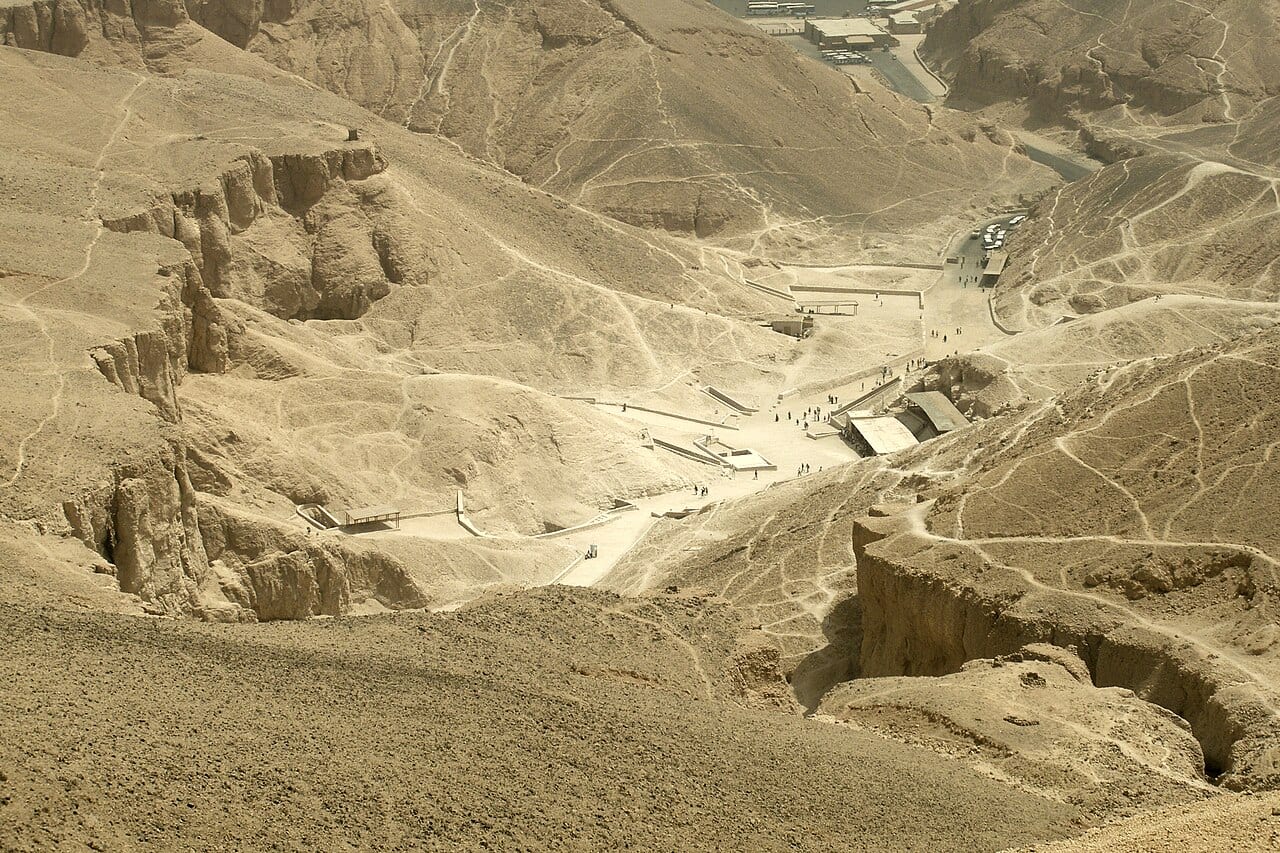
Your ticket covers a set number of tombs, and which ones are open rotates, so ask at the gate. Three tombs is a good pace: the painted corridors are narrow and the air gets warm. Bring water, wear a hat, and leave the camera flash off, as photography rules vary by tomb.
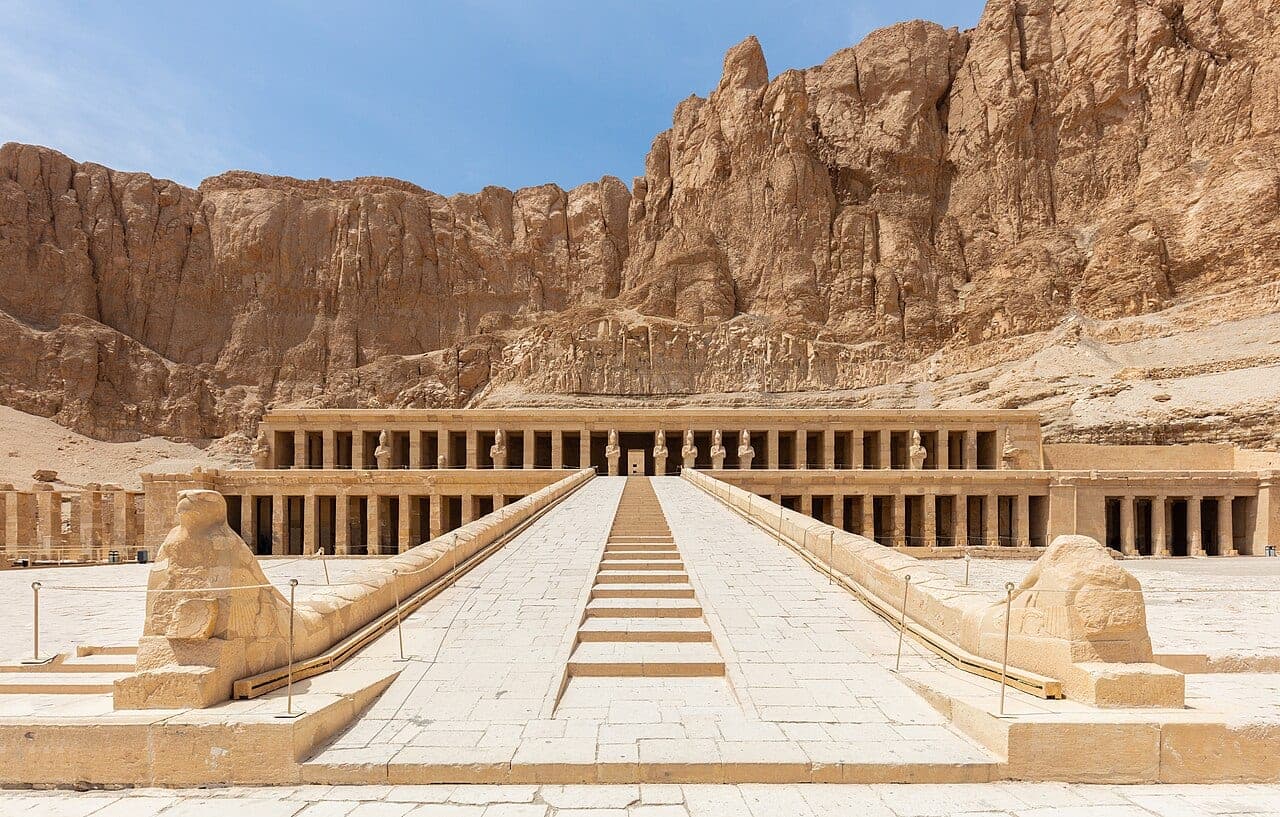
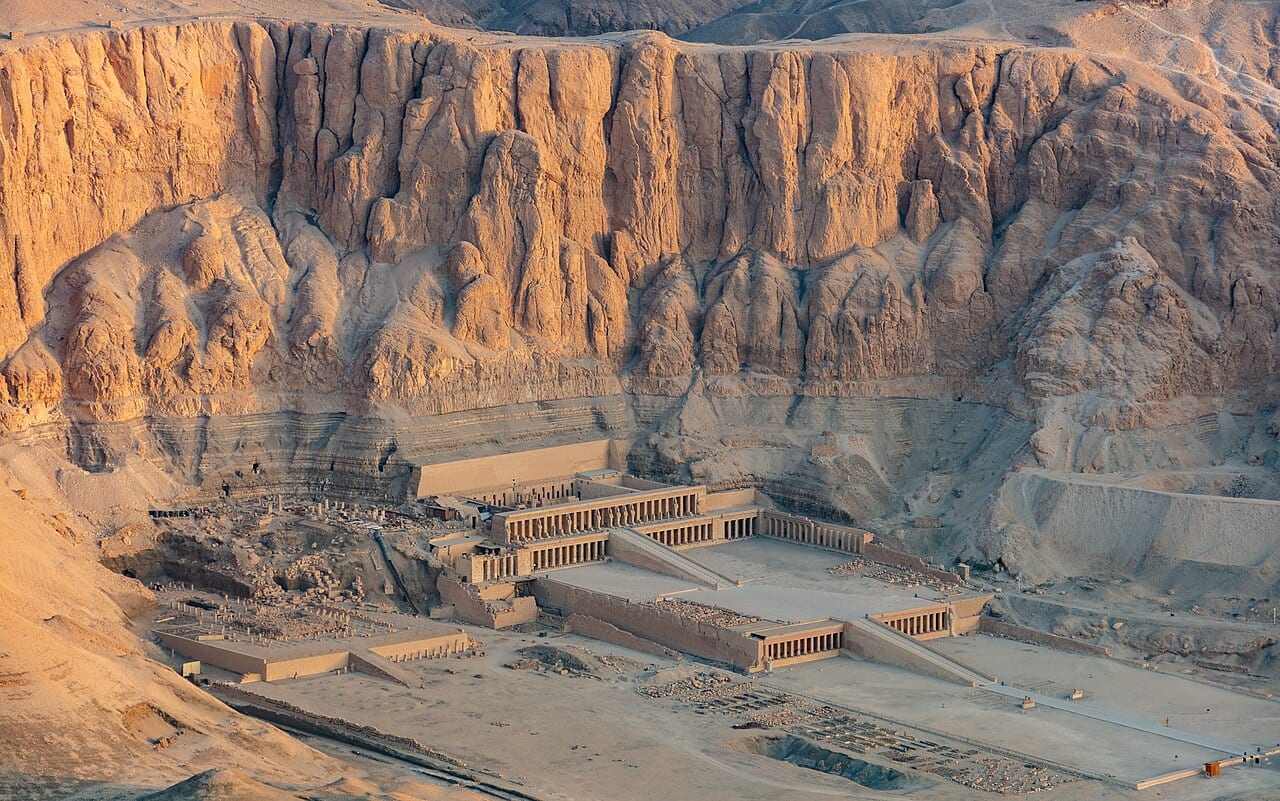
Next, the Mortuary Temple of Hatshepsut at Deir al-Bahari. Its three terraces rise out of the desert cliff in clean, modern looking lines, built for the woman who ruled as pharaoh in the Eighteenth Dynasty. It is one of the most photographed buildings in Egypt, and it looks even better in the early morning light.
On the way back, stop at the Colossi of Memnon, two seated statues of Amenhotep III that once guarded his mortuary temple, and at Medinet Habu, the temple of Ramesses III, whose walls still show carved scenes of sea battles. If you have energy left, the Valley of the Queens and the workmen's village at Deir al-Medina are quieter stops that reward the detour.
Day 3: slow Luxor, the river and the town
Keep the last day slow. Start with a felucca ride on the Nile, the wide, calm stretch of river that defines the town. An hour on the water at sunrise or late afternoon is the best way to see Luxor's two banks at once, and it costs far less than most people expect.
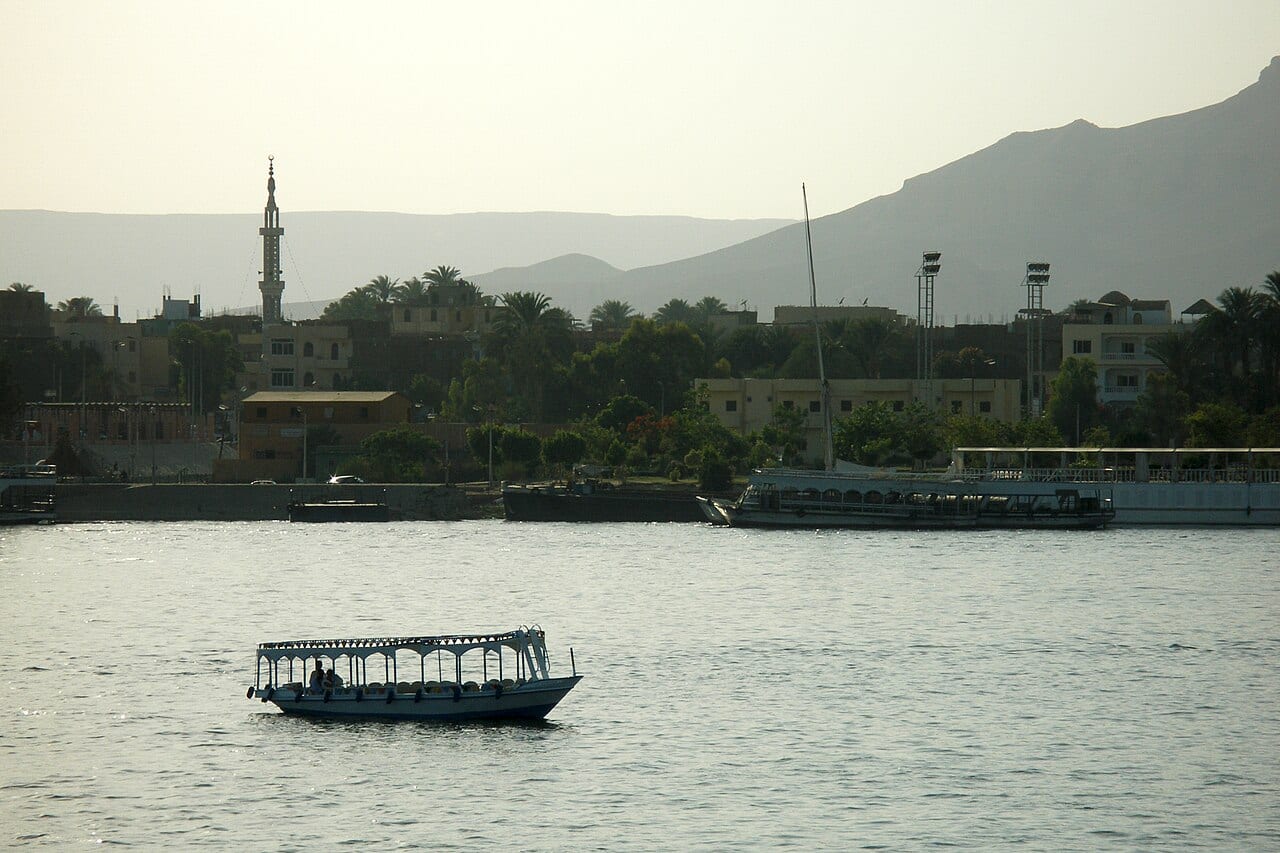
Then wander the town itself: the old market streets near Luxor Temple, the small shops selling alabaster and scarabs, and the corniche cafes where you can sit with a fresh mango juice or a cup of Egyptian tea and watch the river. If you want one splurge, a sunrise hot air balloon ride over the West Bank is the classic Luxor experience, and it books out early in the busy months, so reserve ahead.
Families with children often enjoy this day most. The pace is gentle, the boat ride is a hit with kids, and the town is compact enough that you can return to the hotel for a midday rest and still fit in an evening walk.
Where to eat
Luxor's food is simple and generous. Try koshari, the lentil, rice and pasta dish topped with tomato sauce and crispy onions; ful medames, slow cooked fava beans with lemon and olive oil; and taameya, Egypt's broad bean falafel, usually eaten in a flatbread with salad. Grilled chicken and kofta are on most menus, and fresh juices, mango, guava and sugarcane, are everywhere.
One reliable sit down choice is Sofra Restaurant, a Luxor restaurant serving Egyptian dishes. For a lighter meal, the cafes along the corniche are good for tea and a pastry between sights.
Where to stay
Most visitors stay on the East Bank, near the corniche and Luxor Temple, where hotels, restaurants and the museum are all within walking distance. The Hilton Luxor Resort and Spa is a solid family choice on the Nile with pools for the hot afternoons. The West Bank has smaller guesthouses that suit travellers who want quiet evenings and early starts at the tombs. Either way, book ahead for the October to April season, when the town fills up.
Practical tips
- Go early. The main sites open in the morning, and the light and the temperatures are both kinder before midday.
- Wear comfortable shoes. Karnak alone covers a large area, and the West Bank involves uneven ground and steps into tombs.
- Carry water and sun protection. Shade is scarce at the West Bank sites.
- Agree taxi and felucca prices before you set off, and confirm what is included.
- Keep small notes for tips and for the small site fees that add up across a day.
Questions travellers ask
How many days do you need in Luxor?
Three days covers the main sights at a comfortable pace: one day East Bank, one day West Bank, one day slow. Two days works if you skip the slow day and start early both mornings.
Is Luxor good for families?
Yes. The town is small, the sights are outdoors and hands on, and children tend to love the tombs, the boat ride and the balloon. Keep West Bank mornings short for younger kids and plan a pool break in the afternoon.
When is the best time to visit?
October to April, when the weather is warm and the days are pleasant for walking. The town is busiest from December to February, and 2027 will be busier still because of the eclipse and the National Geographic listing.
Can you combine Luxor with Cairo or Aswan?
Easily. Cairo is a short flight or an overnight train away, and Aswan is a few hours south by road or a Nile cruise. Many travellers pair Luxor with a few days in Cairo or a cruise to Aswan.
A short note on prayer and food
Luxor is an easy city for Muslim travellers. Mosques are spread through the town and near the corniche, and your hotel or guide can point to the nearest one at each stop. Egyptian food in Luxor is built around beans, lentils, rice, vegetables, grilled meats and fresh juices, so finding a good meal is rarely a problem.
Ready to build your own Luxor plan? Put your dates into the YallaSafra trip planner and get a day by day plan with live flights and hotels, plus a verified agent if you want a human to handle the details. See you on the Nile. Sources for the history in this guide include Egypt's Ministry of Tourism and Antiquities (Ancient Thebes and its Necropolis) and the National Geographic Best of the World 2027 announcement (TravelPulse).