Sharm El Sheikh sits where the Sinai desert runs out of land and drops into the clearest water in the Arab world. Mountains the colour of rust behind you, a reef a few metres from the sand in front of you, and three hundred and fifty days of sun a year: it is the easiest beach holiday for families from the Gulf, Jordan and Egypt itself, and one of the cheapest. This Sharm El Sheikh guide is for a first visit done well: which bay to stay in, how to see the reefs without a diving licence, the Old Market and its mosque, the day trips that are worth the drive (Ras Mohammed, Dahab, the Prophet Musa's mountain), and the practical side: prayer, food, what things cost and what to skip.
When to go
Sharm works all year, which is its secret. October to November and March to May are the sweet spots: air in the high twenties, sea around 25°C, no crowds. Winter (December to February) is warm by day at 20–24°C but windy on some afternoons and the water drops to about 21°C; snorkelling is still fine, divers wear a thicker wetsuit, and it is the season when Gulf families escape their own cold snaps. Summer is 38–42°C and bone dry; the sea is bath-warm and resorts are cheapest, but you will swim early and late and rest at noon. Ramadan is quiet and pleasant, with iftar buffets in every hotel and the Old Market lively until suhoor.
Getting there and around
Sharm El Sheikh International Airport (SSH) is twenty minutes from the main bays, with direct flights from the Gulf, Jordan, Cairo and most of Europe. From Cairo it is also a six-to-seven-hour coach ride through the Ahmed Hamdi Tunnel under the Suez Canal, comfortable on the overnight services. From Jordan, the ferry from Aqaba to Nuweiba followed by a two-and-a-half-hour drive is a scenic alternative; sailings change, so check the operator before you plan around it. GCC citizens receive a visa on arrival; other nationalities use the Egyptian e-visa portal, and several qualify for a free fifteen-day Sinai-only stamp when arriving at Sharm, which your airline can confirm. Inside town, taxis are everywhere and prices are agreed before you get in (your hotel will tell you the going rate); the blue public minibuses run along the main road for small change; and every hotel sells boat and jeep excursions, which is how most people reach the reefs and the desert. Our AI trip planner can order these days around your flights and prayer times.
Which bay to stay in
- Naama Bay is the centre: a sheltered sandy bay, a pedestrian promenade of restaurants and shops, and the widest choice of hotels. Best for first-timers who want to walk to dinner. Some venues on the strip serve alcohol; the family cafés and juice bars are easy to tell apart.
- Sharm El Maya and Hadaba, to the south, hold the Old Market, the Al Sahaba Mosque and the cliff-top hotels of Hadaba above the Ras Um Sid reef, one of the best shore snorkelling spots in town. Quieter and more Egyptian in feel.
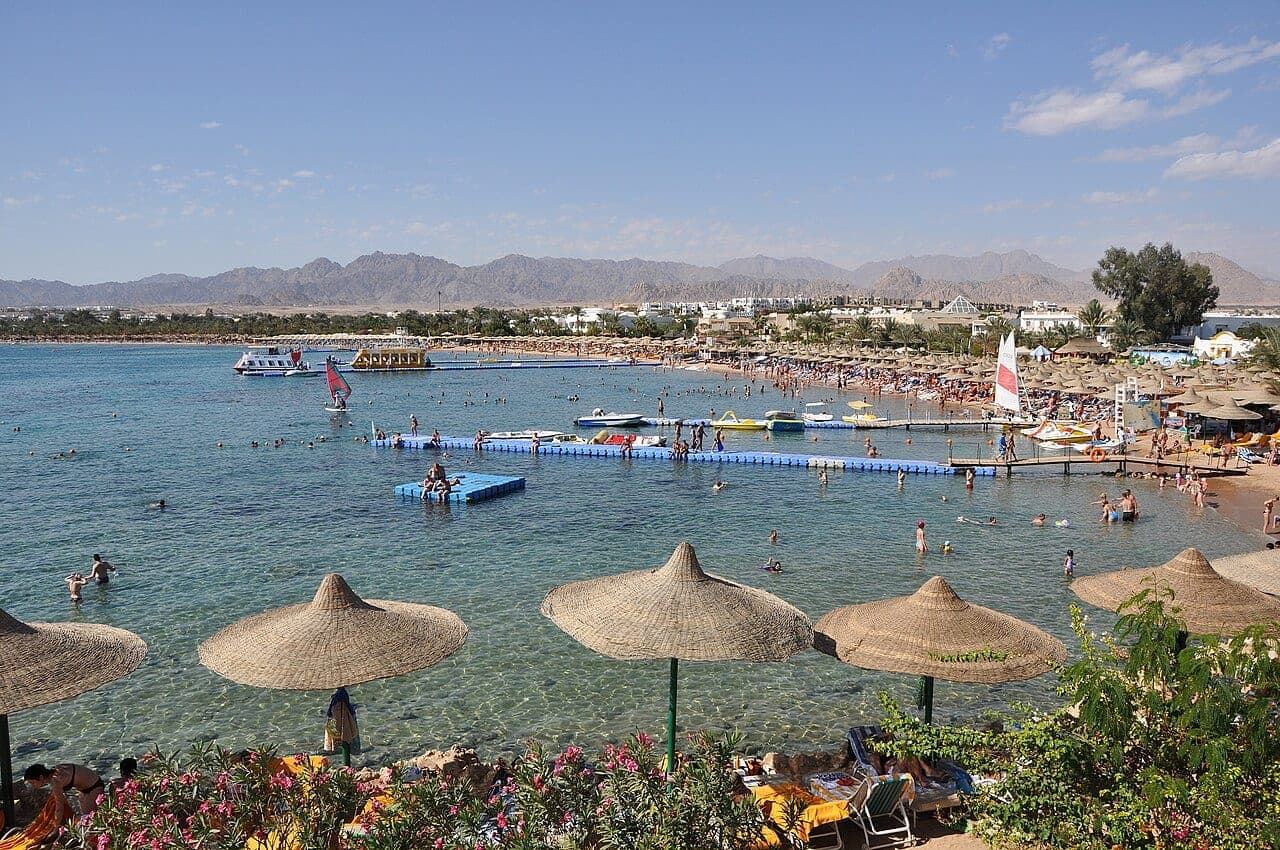
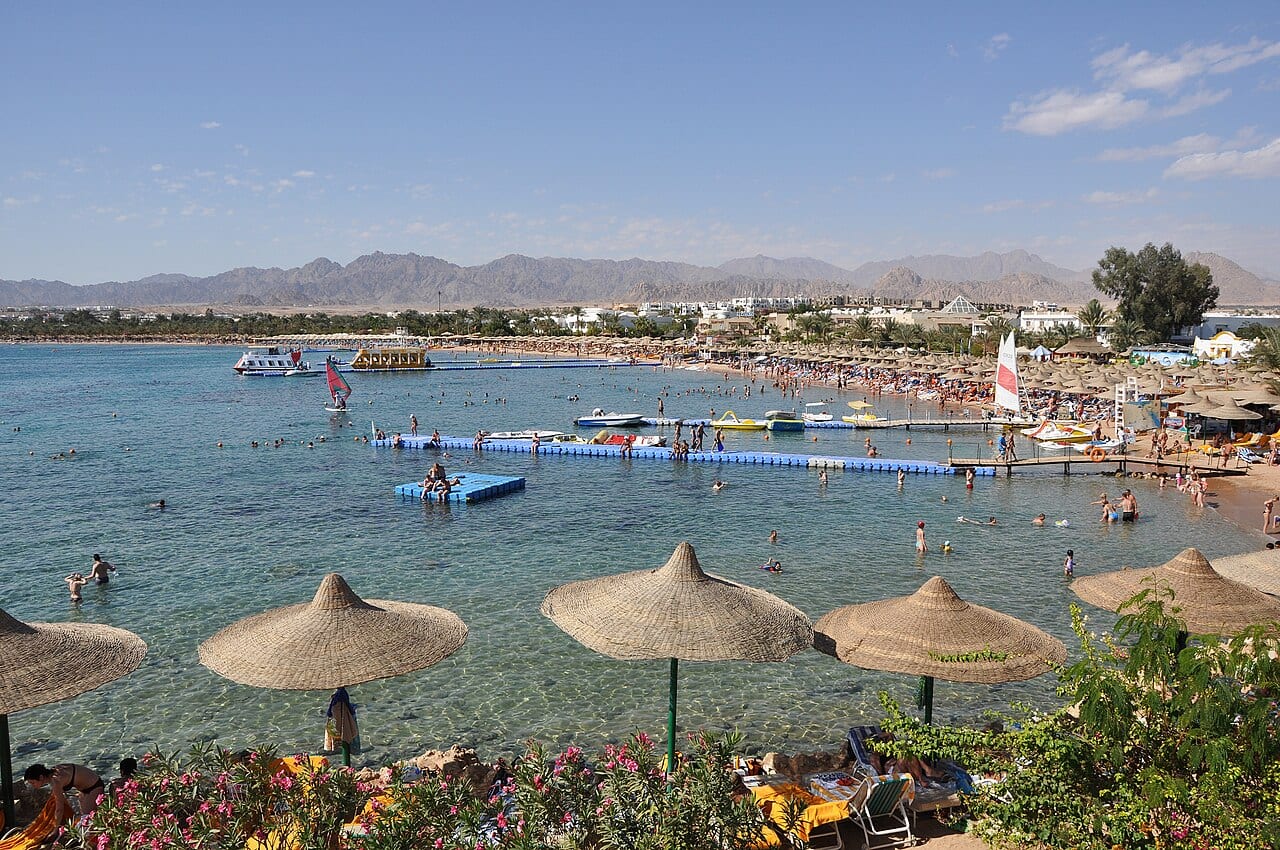
- Shark's Bay and Nabq, to the north near the airport, are where the big family resorts are: long private beaches, shallow lagoons for small children, pontoons out to the reef edge, and kids' clubs. Most are all-inclusive; several have alcohol-free restaurants and prayer rooms, so ask when booking.
Compare live prices by area on our hotels page; the gap between a Nabq resort in September and the same room in December can be large.
The Old Market and Al Sahaba Mosque
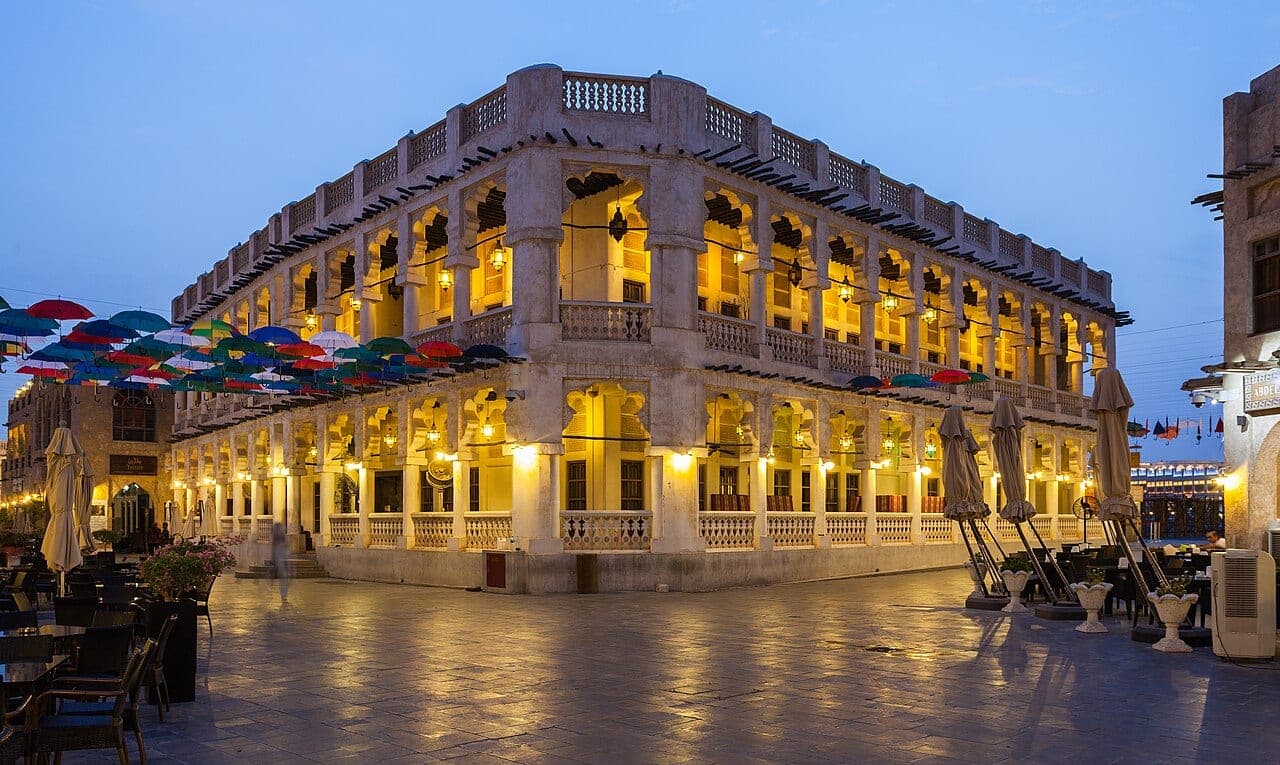
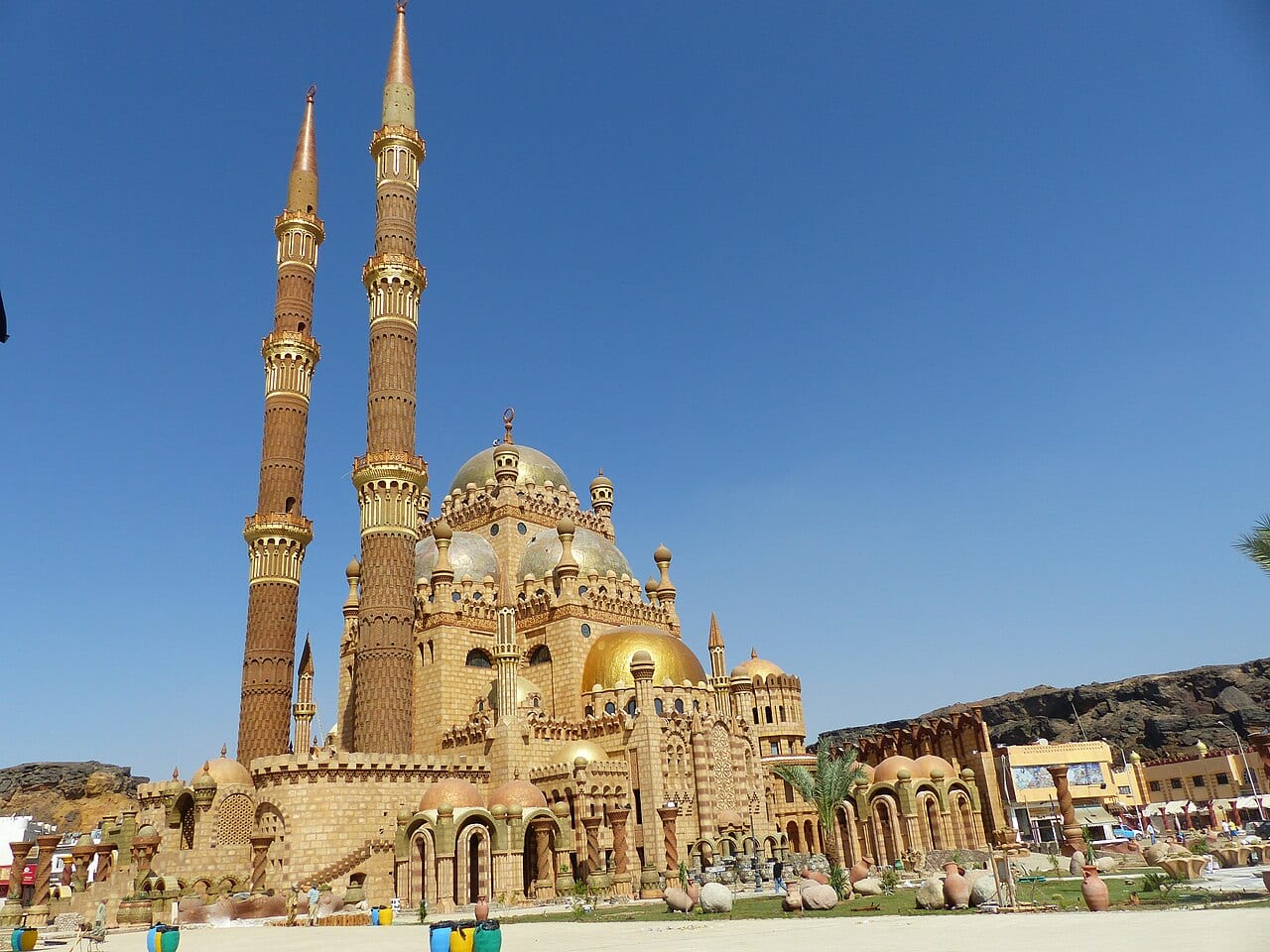
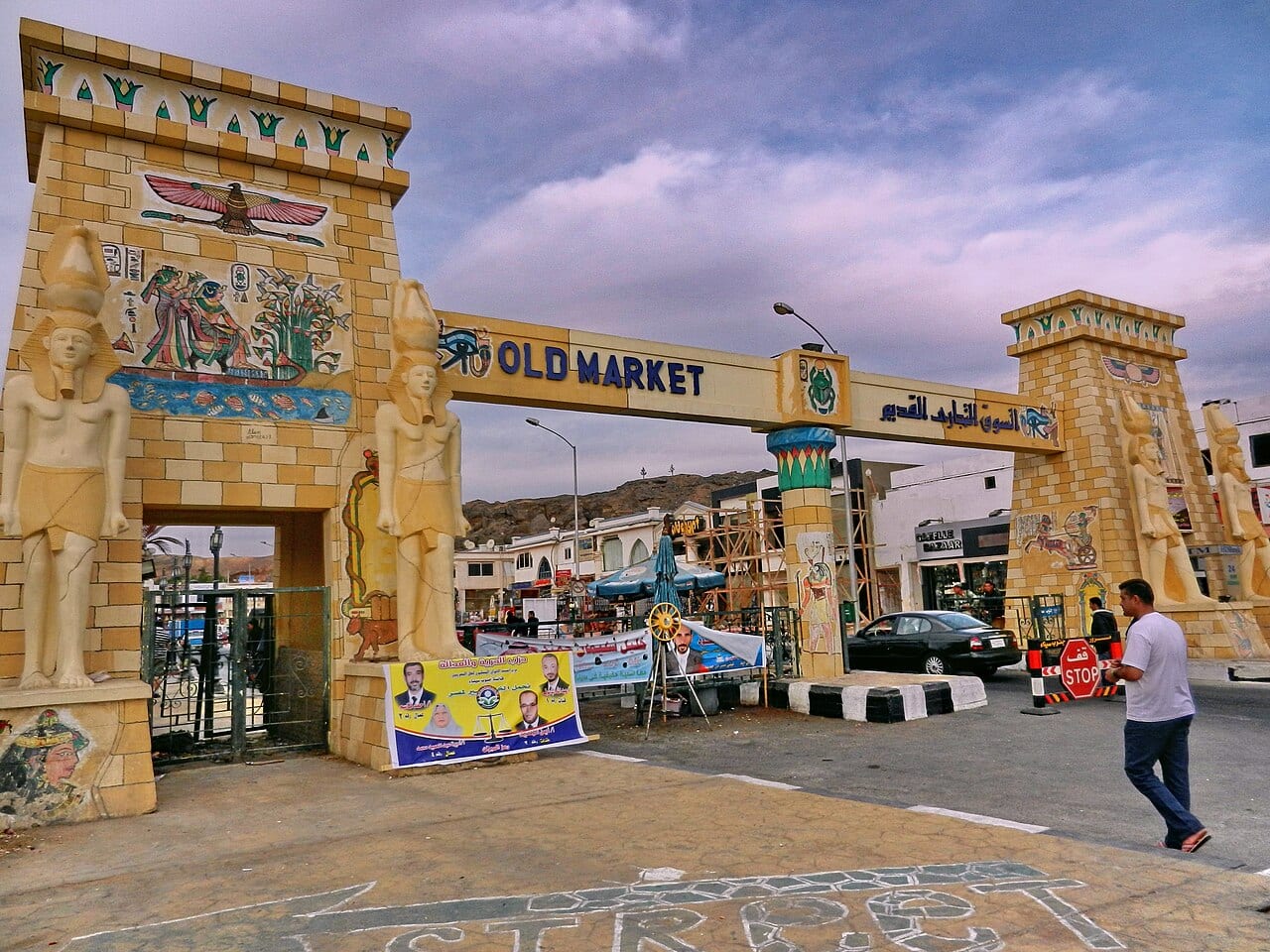
Every evening should end at least once in Sharm El Maya's Old Market. The Al Sahaba Mosque, opened in 2017, is the landmark: a courtyard mosque that borrows from Fatimid Cairo, Mamluk stone and Ottoman minarets, beautifully lit at night and open for every prayer. Pray maghrib there, then walk the lanes: spices and dates, Sinai Bedouin silver, cotton and leather, fruit juice stands, and the fish restaurants that Sharm is famous for, where you choose from the ice counter and pay by weight. Bargaining is friendly and expected in the shops; the restaurants have fixed prices. The market is far more relaxed than Cairo's and children love the lights and the sweets.
The reefs: snorkelling you can do from the beach
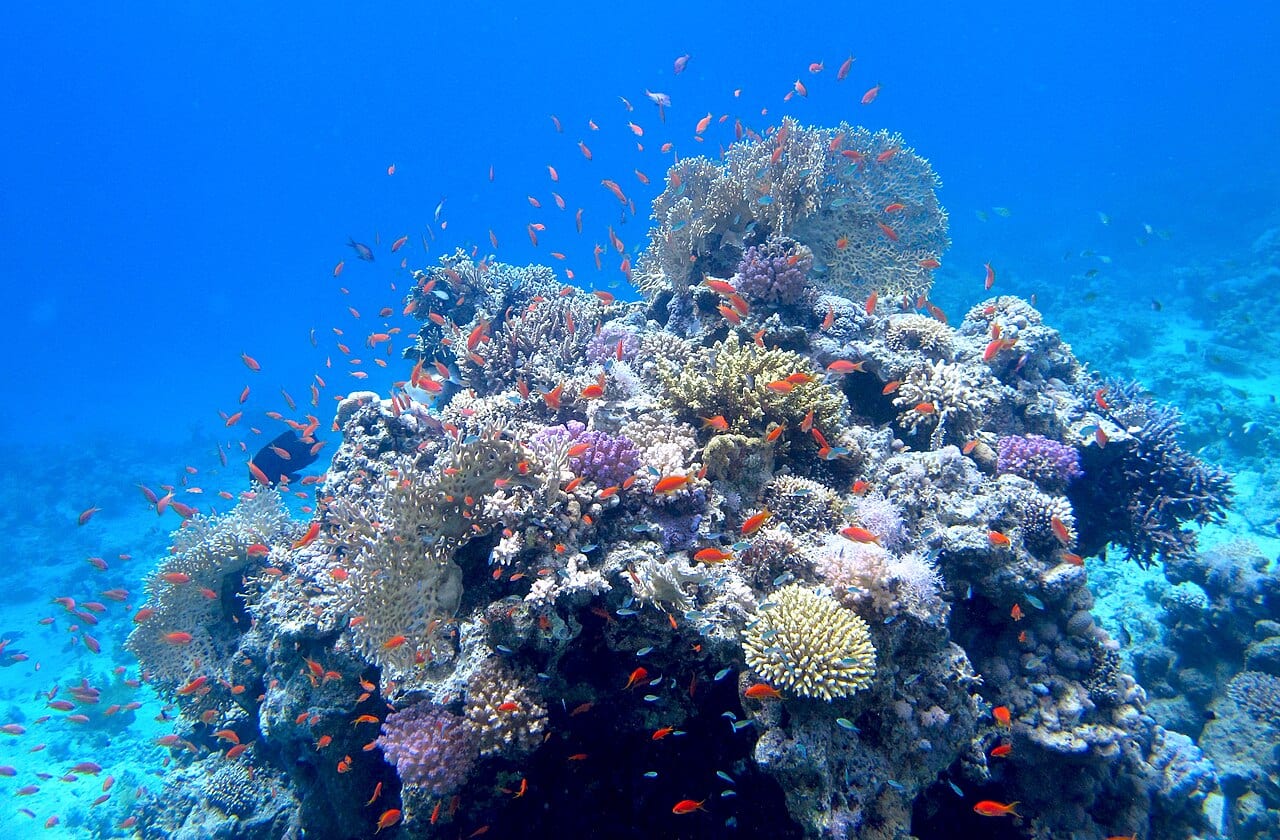
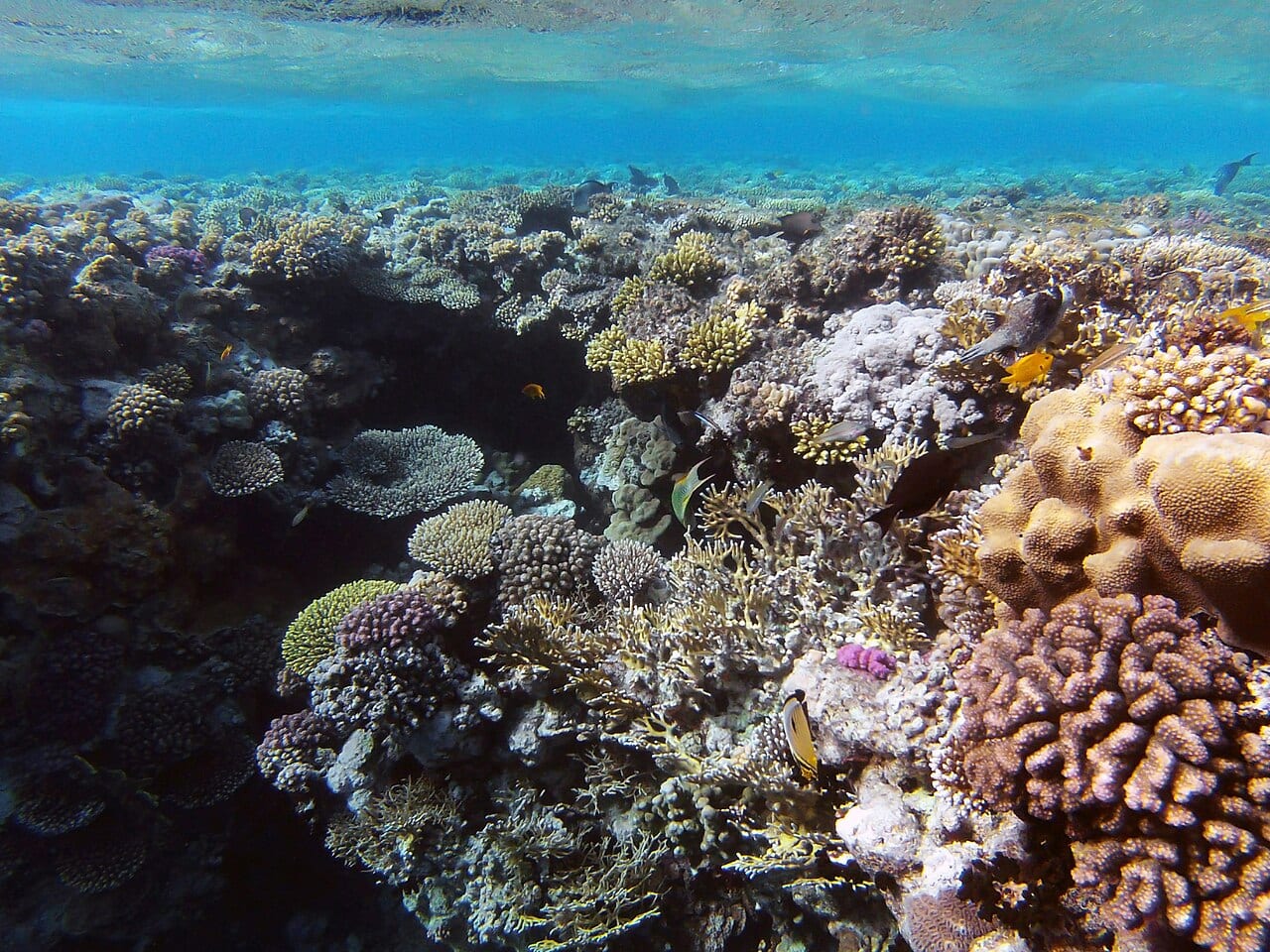
You do not need to dive to see why people cross the world for this water. The reefs sit on a shelf right off the shore, so most hotels have a pontoon that walks you over the shallows to the drop-off, where the coral wall begins and the fish arrive in clouds: parrotfish, butterflyfish, clownfish in their anemones, the occasional turtle. Ras Um Sid in Hadaba and the house reefs of Shark's Bay and Nabq are the best from the beach. Rent or bring a mask that fits, wear a rash vest against the sun, never touch or stand on the coral, and use reef-safe sunscreen; the reef is a protected national treasure and the fines are real. Children from about six manage a pontoon reef easily with a float.
Ras Mohammed and Tiran: the two boat days
Ras Mohammed National Park is the southern tip of Sinai, half an hour from town, and the best reef in the Red Sea by most measures. Boats stop at Shark and Yolanda reefs, where the wall falls into deep blue and the current brings everything past you; the snorkelling from the boat is as good as the diving. By jeep you can also visit the park's mangrove channel, the salt lake and the earthquake crack in the rock. There is a park entry fee on top of the excursion price; a dawn departure beats the heat and the crowds. Tiran Island, to the north-east, is the other classic day: four reefs (Jackson, Woodhouse, Thomas and Gordon) around an island you cannot land on, with turtles, rays and shallow coral gardens perfect for families. Both trips include lunch on the boat; ask for an alcohol-free boat if the group matters to you, as several operators run them, and take motion-sickness tablets if the wind is up.
Dahab and the Blue Hole
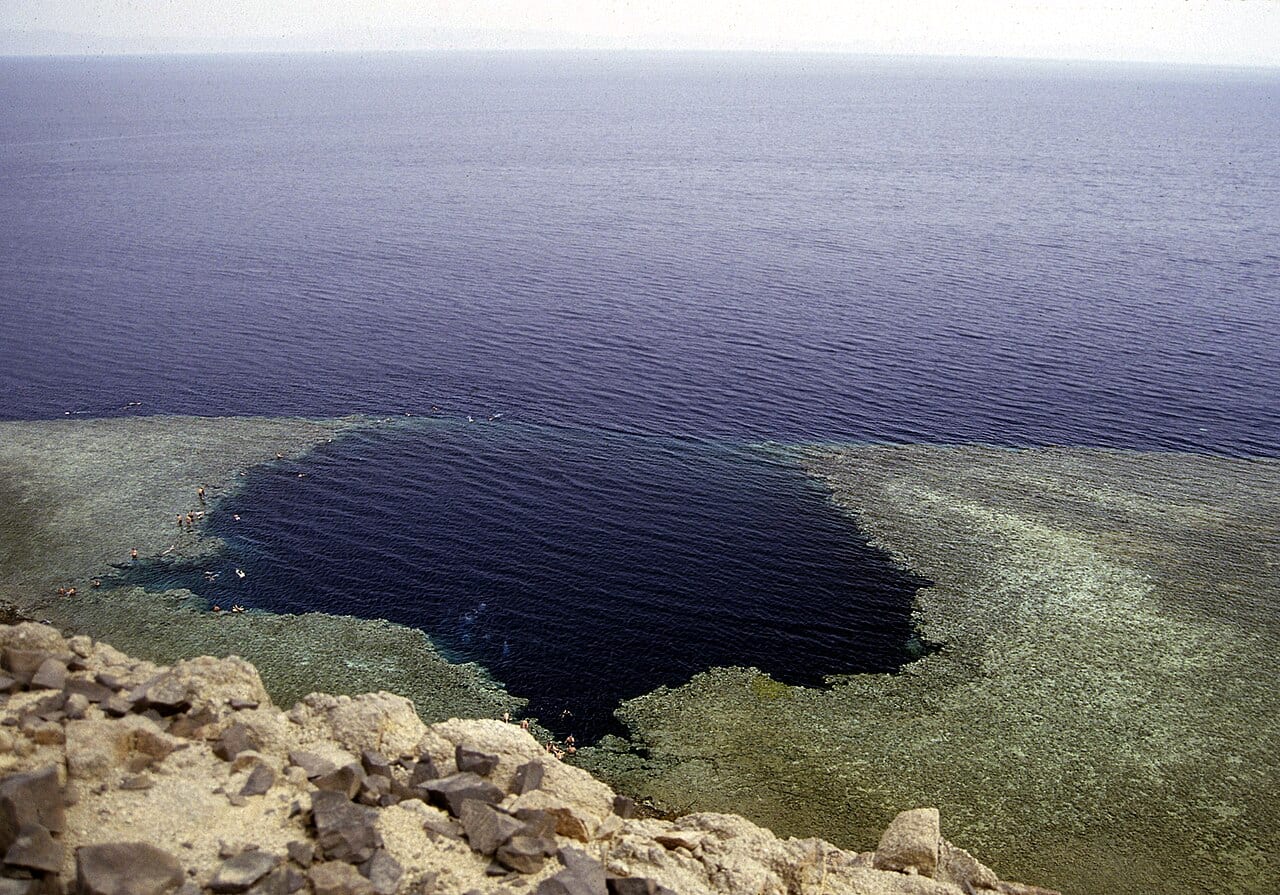
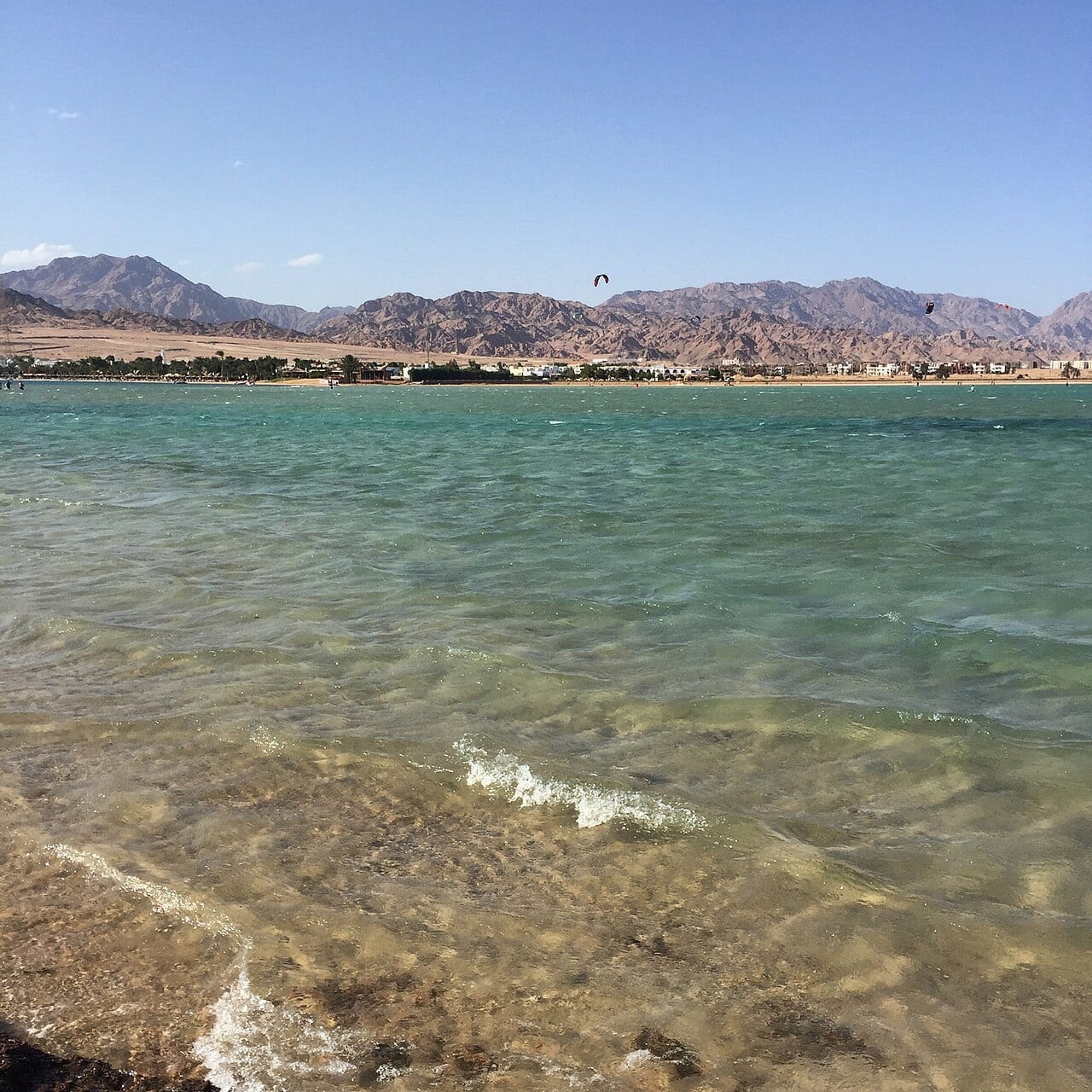
Ninety minutes north, Dahab is the opposite of Sharm: a low Bedouin town of shoreline cafés with cushions on the sand, a lagoon where children learn to swim and adults learn to windsurf, and a slow, kind rhythm that makes people stay longer than planned. The Blue Hole, a few kilometres up the coast, is a circular sinkhole in the reef more than a hundred metres deep; from the surface it is a perfect dark-blue eye, and snorkelling its rim, where the coral garden meets the drop, is spectacular and safe (the depth is for technical divers only). Lighthouse Reef in the centre of town is the easiest family snorkel in Sinai. Eat grilled fish or a Bedouin-style lunch in a shore café, pray at the town mosque by the lagoon, and be back in Sharm for maghrib.
The Prophet Musa's mountain and Saint Catherine
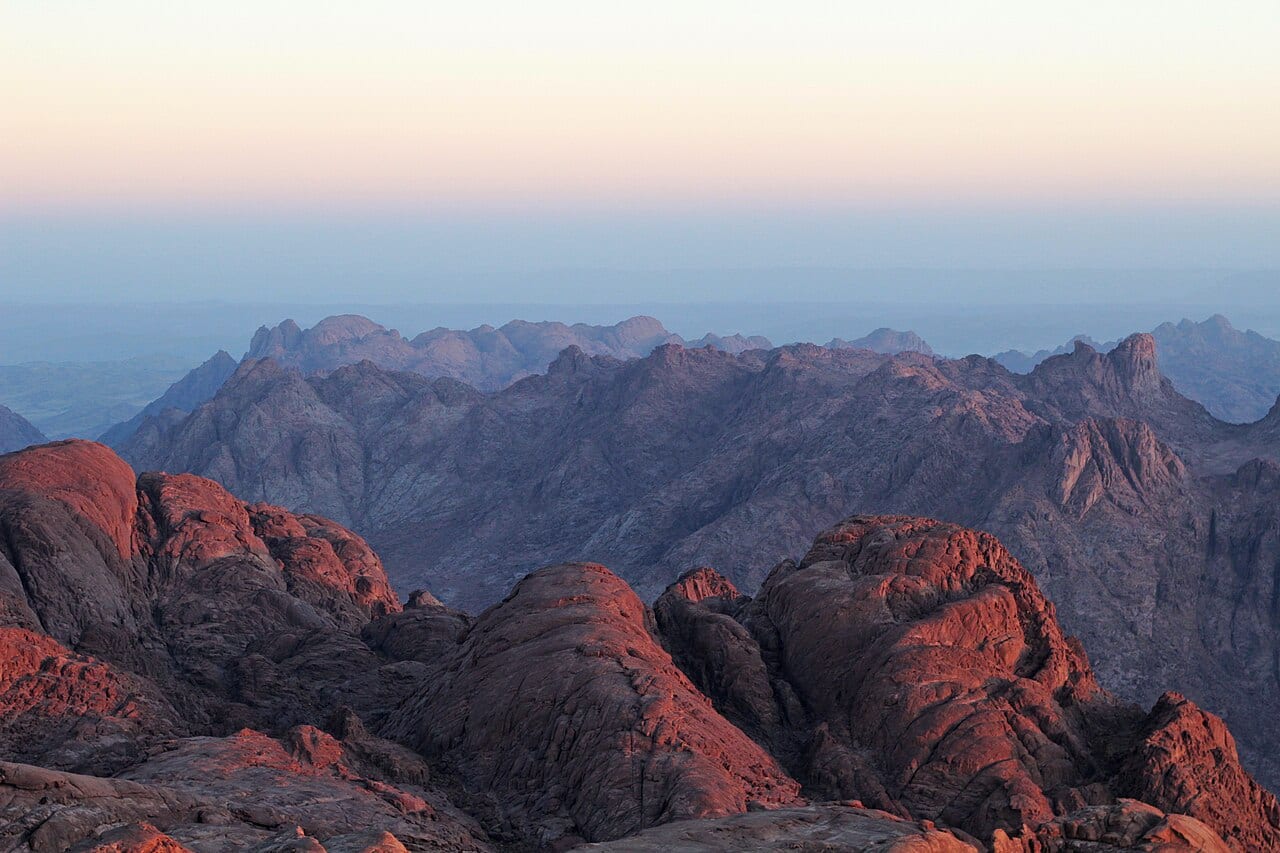
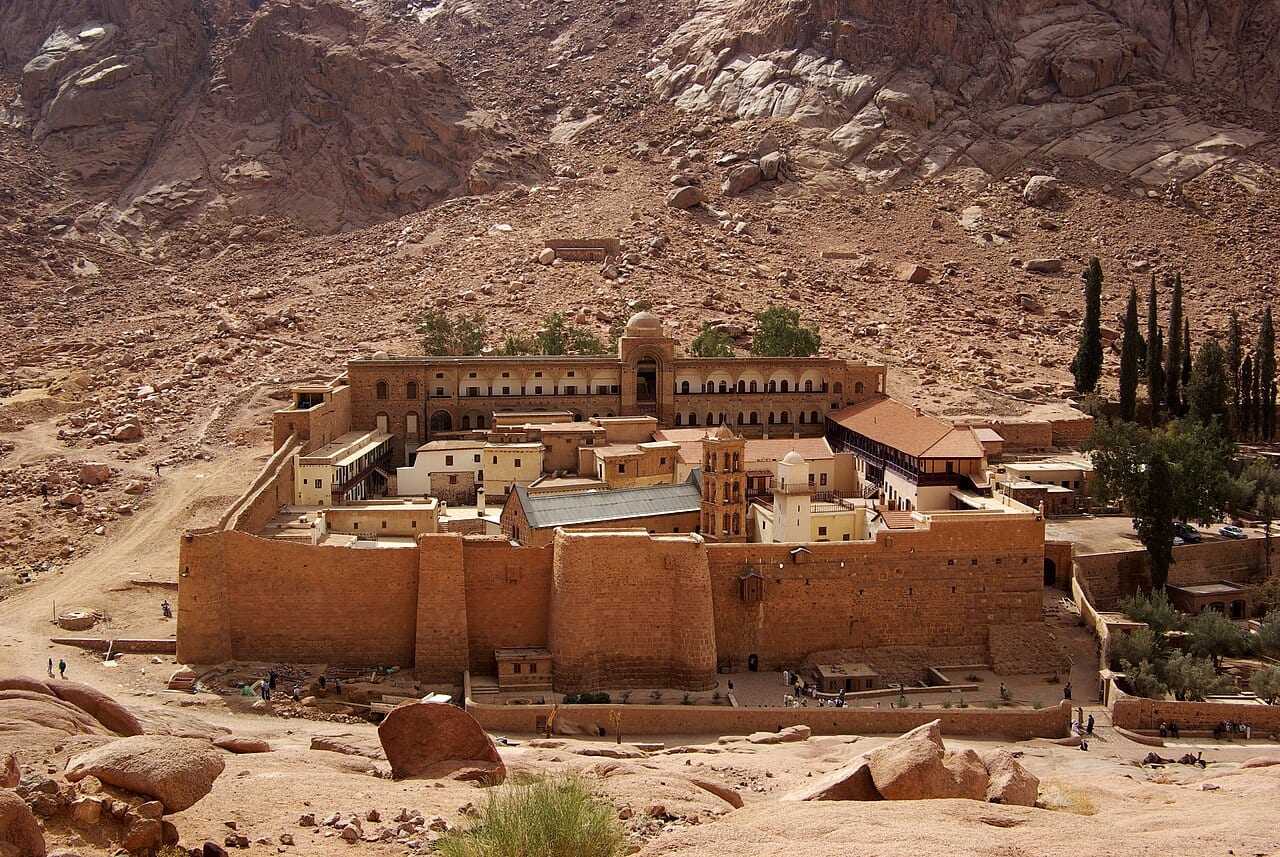
Three hours inland, Jabal Musa (Mount Sinai) rises above a valley that Muslims, Christians and Jews have revered for centuries as the place where Musa (peace be upon him) received the revelation. Most visitors leave Sharm around midnight, climb the camel path for two to three hours (camels can be hired for most of the way) and reach the summit for sunrise over a sea of red granite, which is one of the great views on earth. Bring warm layers even in summer; it is cold on top before dawn. At the foot of the mountain, Saint Catherine Monastery is one of the oldest working monasteries in the world, with a library of ancient manuscripts and a tradition that the Prophet himself granted it protection; it opens to visitors in the morning on most days. The town has a mosque for fajr, and the drive back passes through the stark beauty of the Sinai interior. Choose a licensed operator with a Bedouin guide; the mountain is protected and the route is regulated.
Where to pray and what to eat
Egypt makes prayer easy. Al Sahaba in the Old Market and the large El Mustafa Mosque in Hay El Nour are the main congregational mosques, every neighbourhood has a smaller one, and the resorts have prayer rooms (ask at reception; the good ones have wudu facilities by the pool areas). Food is halal by default across Egypt; alcohol exists in hotel bars and some Naama Bay venues, which are easy to avoid, and many resorts have entirely alcohol-free restaurants.
Eat the Red Sea. The fish restaurants of the Old Market grill the day's catch, bake it in salt or serve it as sayadeya (fish with spiced rice and caramelised onions); prawns and calamari are cheap and fresh. For Egyptian breakfast find ful and ta'ameya with baladi bread at any local café; for lunch koshari, the lentil-rice-pasta dish that is Egypt's comfort food; for dinner mixed grills, kofta and fattah. The Bedouin cafés of Dahab and the desert camps serve zarb (meat and vegetables slow-cooked in a sand oven), farasheeh bread baked on a hot dome and sweet mint tea around a fire; a desert dinner with star-gazing is the best evening you can book from Sharm. Check that any desert or boat excursion is alcohol-free if your group needs that; most family operators are.
A four-day plan
- Day one, settle and snorkel. Pontoon reef at your hotel in the morning, a rest at noon, asr and a walk on the Naama Bay promenade, maghrib at Al Sahaba and a fish dinner in the Old Market.
- Day two, Ras Mohammed by boat. Dawn departure, two reef stops and lunch on board, back by mid-afternoon, a quiet evening by the pool.
- Day three, Dahab. The Blue Hole rim and Lighthouse Reef, lunch on the sand, the lagoon for the children, back for maghrib.
- Day four, the mountain. Rest in the day, leave at midnight for Jabal Musa, sunrise on the summit, the monastery in the morning, sleep in the afternoon, a desert dinner under the stars to finish.
Combining Sharm with Cairo? Our Cairo first-timers guide covers the capital, and the Sharm El Sheikh destination page lists more places and current events.
Family tips
- Pick a resort with a shallow lagoon and a pontoon (Nabq and Shark's Bay) if your children are under eight; pick Naama Bay if you want to walk to dinner.
- Reef shoes save feet on the shallows; a rash vest saves backs from the sun; a child's float makes the reef edge possible for young swimmers.
- Agree taxi fares before you get in, and carry small notes for the market and tips.
- Book Ras Mohammed, Tiran and the mountain through your hotel or a licensed operator, not from a stranger on the promenade.
- Tap water is not for drinking; bottled water is everywhere and cheap.
What it costs, honestly
Sharm is one of the best-value beach holidays available to our region. Resorts are cheap by Gulf standards and all-inclusive deals cover most meals; the excursions (boat days, Dahab, the mountain) are where you spend, and prices are quoted in Egyptian pounds or dollars depending on where you book, so compare. Eating in the Old Market costs a fraction of hotel restaurants and is better. Flights from the Gulf on the budget airlines are often the biggest single cost outside the hotel, so check fares early on our flight search and move your dates by a day or two if you can; the difference between a Thursday and a Saturday departure is often the price of a boat trip.
FAQ
Is Sharm El Sheikh suitable for a conservative family?
Yes. Food is halal, mosques are everywhere, the Old Market is relaxed and family-run, and the big resorts in Nabq and Shark's Bay are built for families. Choose your hotel and your boat with the alcohol question in mind and you will not meet it.
Can we snorkel without knowing how to dive?
Absolutely; the reefs start at the beach. A mask, a float for children and a pontoon to the drop-off are all you need, and the boat trips are as good for snorkellers as for divers.
Is the climb up Jabal Musa hard?
It is a steady two-to-three-hour walk on a camel path with steps near the top, done in the dark with a guide. Fit children from about ten manage it; camels carry those who prefer to ride most of the way.
How many days?
Four covers the reef, Ras Mohammed, Dahab and the mountain. A week lets you add Tiran, a desert evening and lazy days that are the point of Sharm.
Is it safe?
Sharm is a closed, well-policed resort peninsula with checkpoints on the roads in and out, and millions of visitors a year. Use licensed operators for excursions and follow the usual sea rules on the reef.