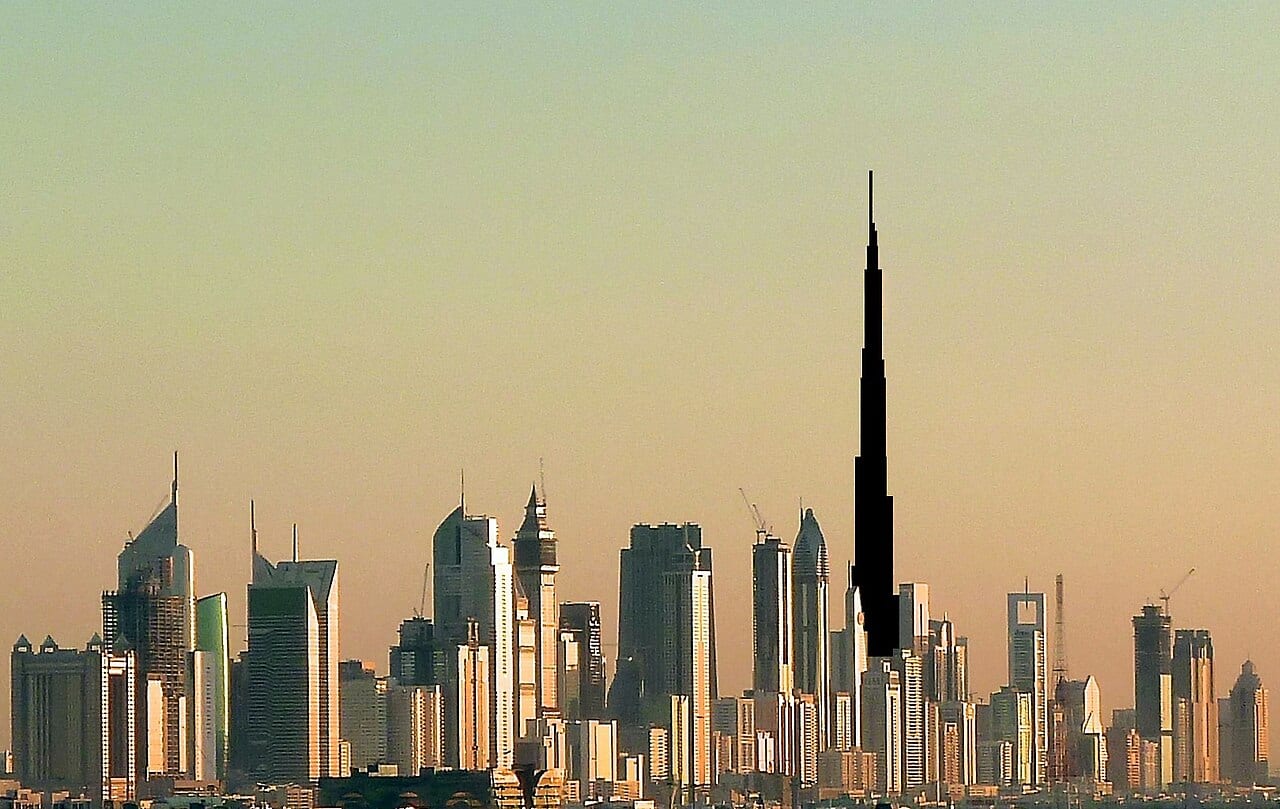
Everyone arrives in Dubai with the same picture in their head: the tallest tower on earth, a mall the size of a town, a beach with a sail-shaped hotel behind it. All of that is real and all of it is worth a morning. But the Dubai that people come back for is quieter: a wooden abra crossing the Creek for a dirham, the smell of cardamom coffee in a wind-tower courtyard in Al Fahidi, the adhan rolling over Jumeirah at sunset while families lay out picnics on the sand. This Dubai first time guide is written for that trip: the famous things done well, the old city done slowly, and the practical details that make a family trip easy. Everything here is halal by default, because in Dubai it genuinely is.
When to go
Dubai has two seasons: pleasant and punishing. From November to March days sit around 24–30°C, evenings are cool enough for a light jacket by the water, and the city lives outdoors: beach mornings, Creek evenings, and the Global Village fair, which opens each autumn and closes in spring. April and October are hot but workable if you plan the afternoons indoors. June to September is 40°C and humid; the city still runs perfectly (everything is air-conditioned, and summer hotel rates are the lowest of the year), but you will live between the Metro, the malls and the pool.
Two calendar notes. The Dubai Shopping Festival runs from December into January, so flights and hotels are busiest then. During Ramadan the mood changes beautifully: iftar tents, late-night souks, a slower pace. Restaurants now serve during the day, but eat discreetly out of respect, and expect the best meals of your trip after maghrib.
Getting there and getting around
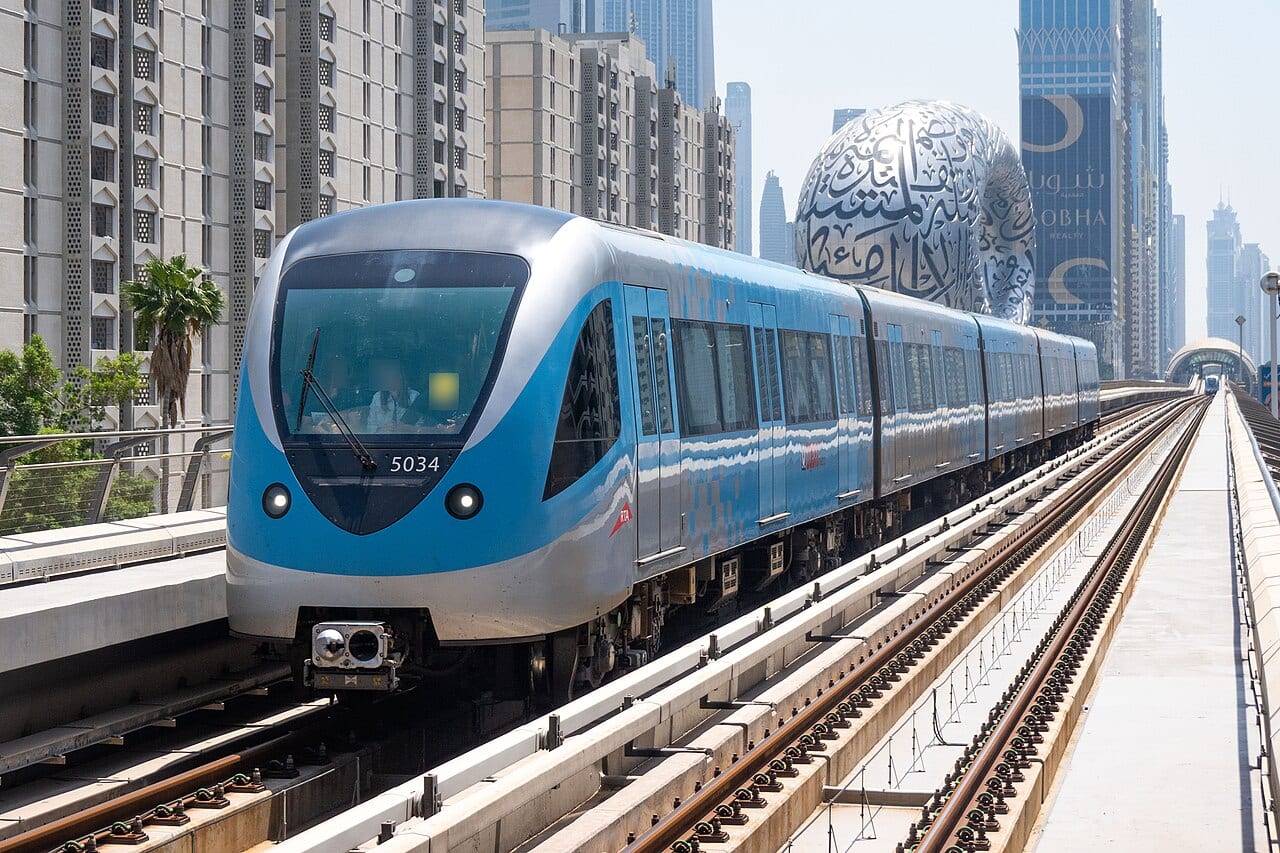
Most visitors land at Dubai International (DXB), which has Metro stations at Terminals 1 and 3. The RTA Red Line runs from the airport along Sheikh Zayed Road past Downtown, the Marina and beyond; buy a Nol card at any station machine and tap it on Metro, tram, bus and even the water bus. Taxis are metered, plentiful and safe; Careem and Uber work everywhere. From Saudi Arabia and Oman many families drive in, which is a fine road trip in winter; check your car insurance covers the UAE and expect border queues on long weekends. Jordanians and Egyptians need a visa before travel; GCC citizens do not. Rules change, so confirm on the official UAE government portal and let your airline or hotel help, as many do.
Inside the city, think in neighbourhoods rather than distances. Old Dubai (the Creek, Deira, Bur Dubai, Al Fahidi) is one cluster; Downtown is another; Jumeirah's beaches are a third; the Marina and the Palm are a fourth, half an hour south. Do one cluster per half day and the city feels calm instead of sprawling. If you want help putting the pieces together, our AI trip planner builds a day-by-day plan around prayer times and your hotel's location.
Where to pray
This is the easiest city in the world for prayer. Every mall has prayer rooms with wudu facilities (Dubai Mall has several on each level, signed in Arabic and English), every Metro station is a few minutes from a mosque, and the adhan is audible almost everywhere. A few mosques are worth visiting in their own right:
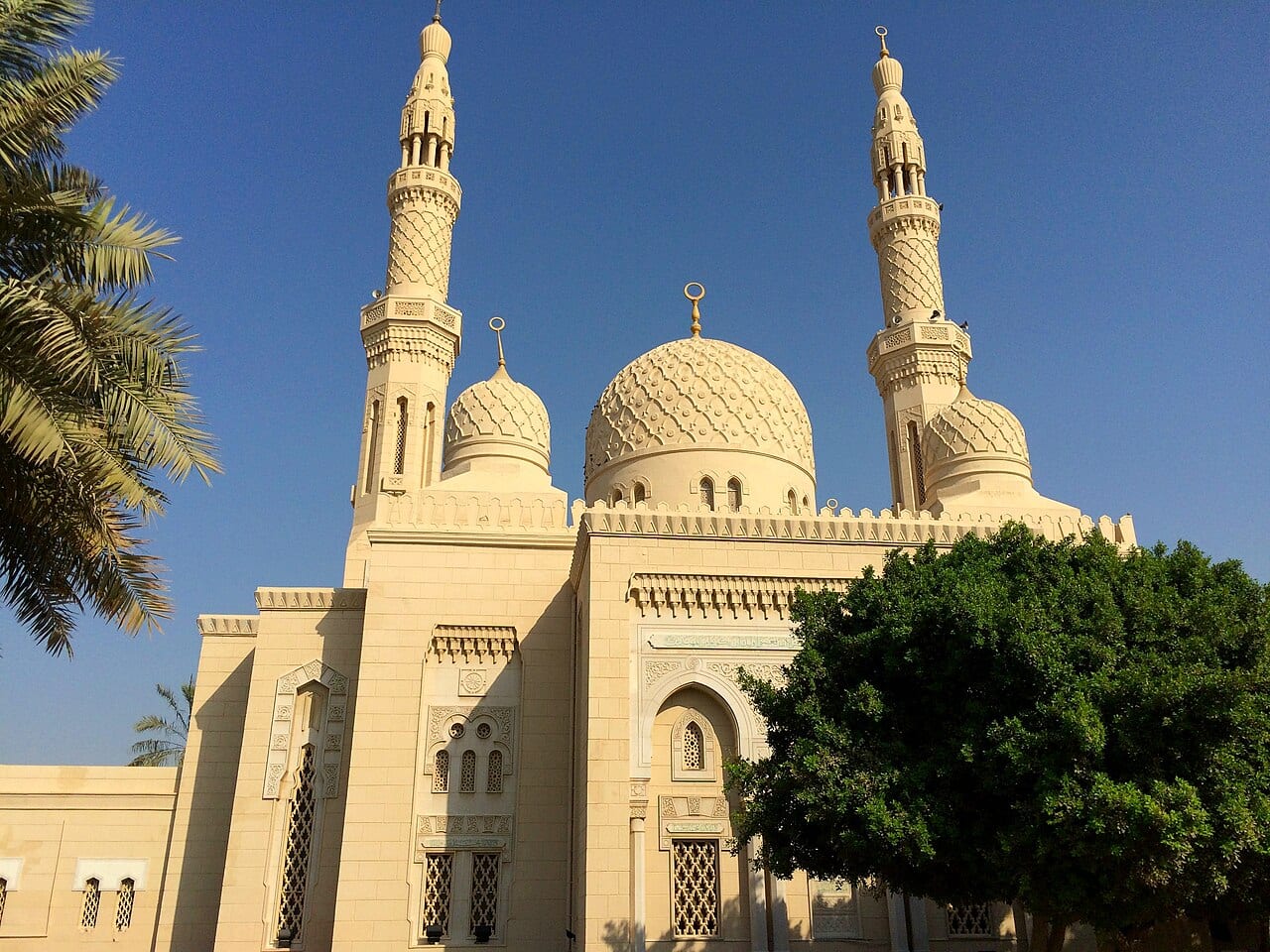
- Jumeirah Mosque, the cream-stone landmark on Jumeirah Beach Road, built in the Fatimid style. It is also the mosque that welcomes non-Muslim visitors on guided tours run by the Sheikh Mohammed Centre for Cultural Understanding, so it is a lovely place to bring friends who want to understand what we do and why.
- Al Farooq Omar Bin Al Khattab Mosque in Jumeirah, nicknamed Dubai's Blue Mosque for its Ottoman silhouette and tiled interior. Very peaceful at asr.
- The Grand Mosque in Bur Dubai, next to the Al Fahidi Fort and the textile souk, with one of the tallest minarets in the city. Pray dhuhr here before you walk the old quarter.
Friday prayer is around 12:15 to 13:30 in winter; the weekend is Saturday and Sunday, so Friday morning is a quiet, pleasant time to visit sights before jumu'ah.
What to eat (and why you can relax)
Meat in UAE restaurants is halal by law and by habit; pork, where it is sold at all, sits in clearly marked separate sections for non-Muslims, so you will not stumble on it. That frees you to eat your way across the city's hundred nationalities. Start with Emirati food, which many visitors never try: machboos (spiced rice with chicken, lamb or fish), harees (slow-cooked wheat and meat, a Ramadan staple), balaleet (sweet saffron vermicelli with an omelette on top, eaten for breakfast), regag (paper-thin bread with cheese and honey) and luqaimat, the crisp dumplings soaked in date syrup that children will negotiate for. The Arabian Tea House in Al Fahidi serves all of this in a whitewashed courtyard and is the easiest first stop. Add a glass of karak chai from any cafeteria window in Satwa or Deira, a dirham or two and the best tea in the Gulf.
Beyond Emirati food, Dubai's old neighbourhoods are a map of the Indian Ocean. Deira and Bur Dubai are full of decades-old Iranian kebab houses, Pakistani grills and Keralan canteens where a generous meal costs less than a coffee in the Marina. Jumeirah's beach shacks grill the day's fish on the sand. Downtown and the Marina have every international chain you know, nearly all halal. For a family, the practical trick is simple: eat dinner in Old Dubai, where food is cheap and brilliant, and keep the Downtown restaurants for the view.
Old Dubai: the Creek, the souks and Al Fahidi
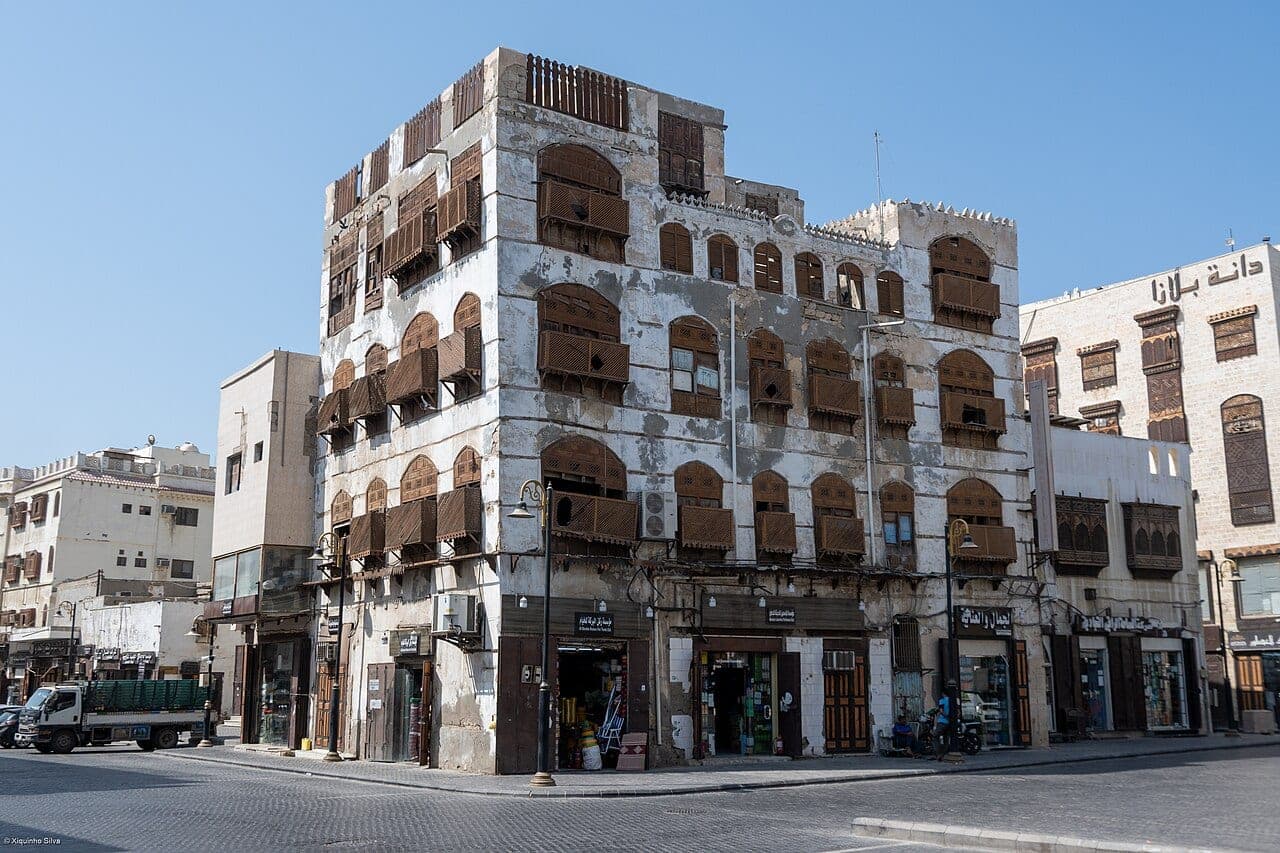
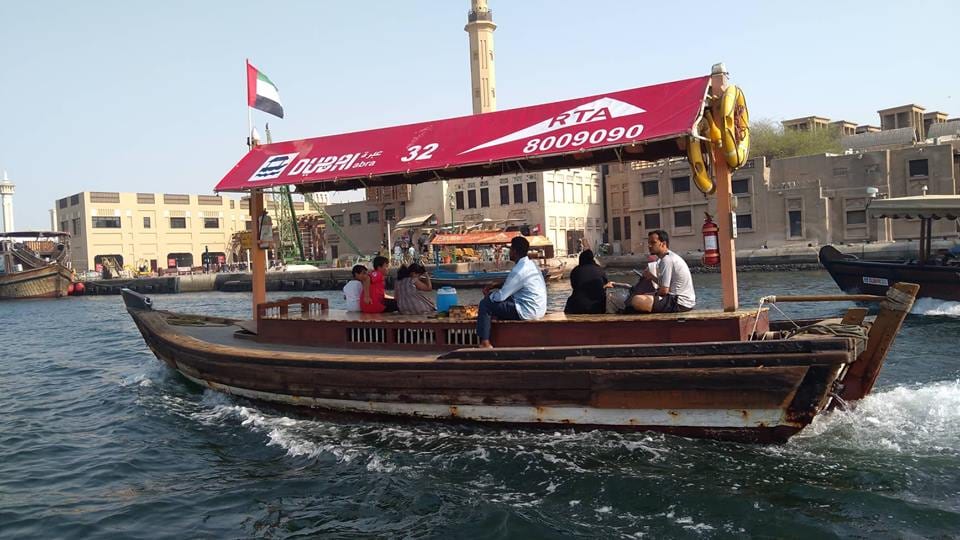
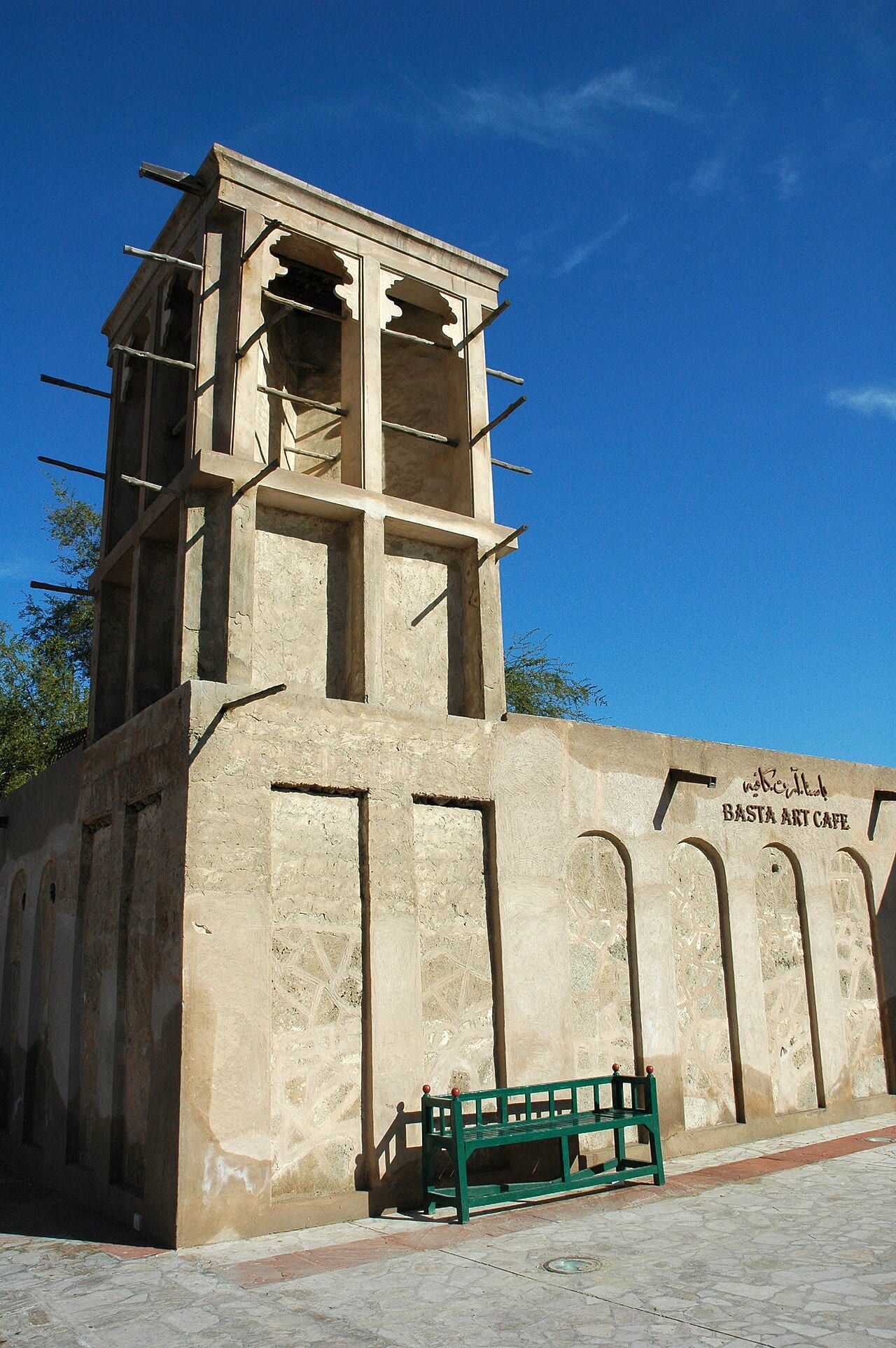
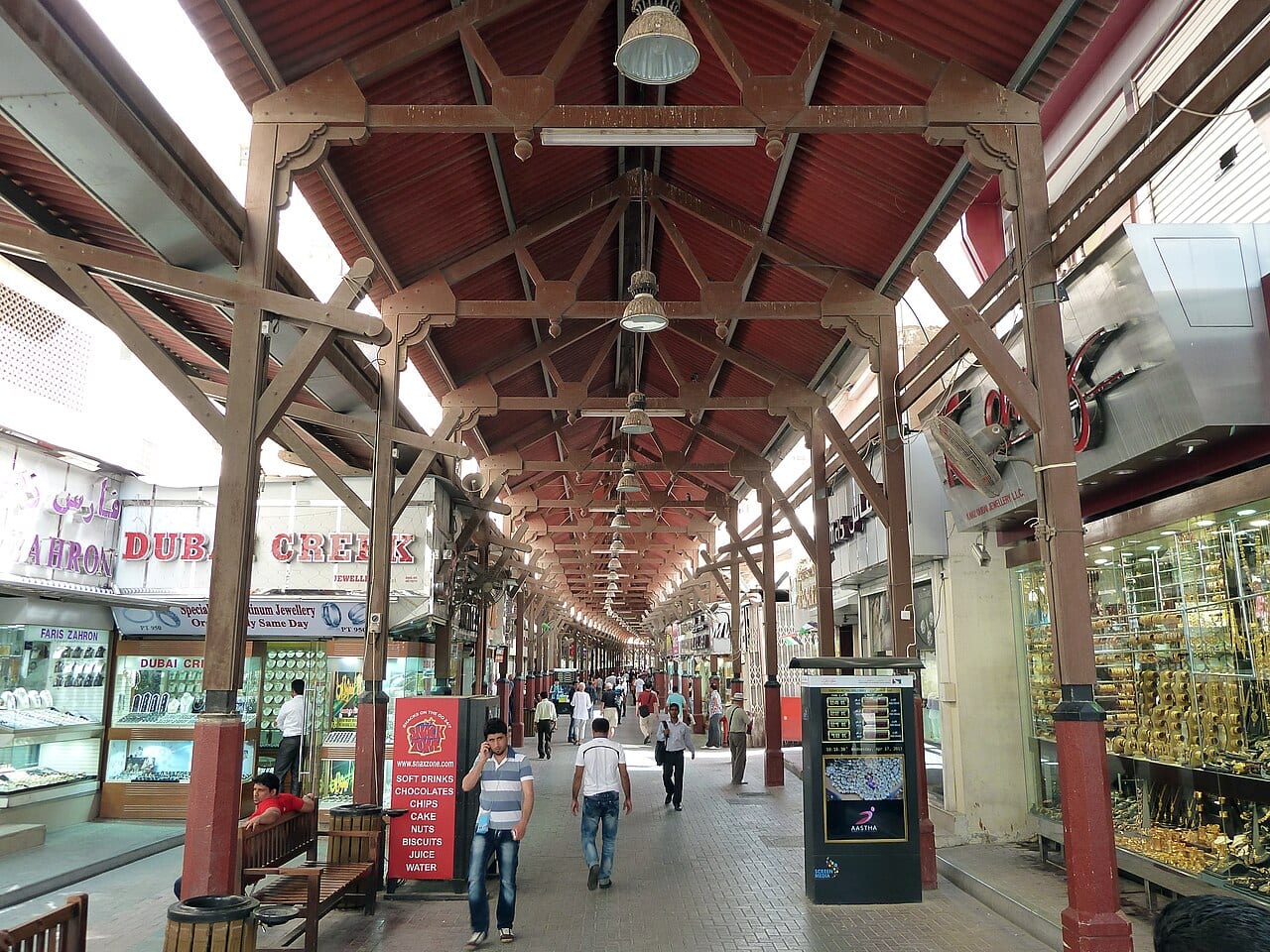
Begin where the city began. Dubai Creek is a saltwater inlet that splits Deira from Bur Dubai, and the wooden abra ferries that cross it have run for a century. The ride costs about a dirham (pay the boatman), takes five minutes and gives you the best skyline of old Dubai: dhows unloading from Iran and India, minarets, the glass towers far behind. On the Deira side walk the Spice Souk, then the Gold Souk, whose windows hold more gold than seems reasonable; prices are by weight at the day's rate plus making charges, and bargaining is expected. On the Bur Dubai side, the Textile Souk leads to the Al Fahidi Historical Neighbourhood (locals still say Bastakiya): restored merchants' houses with wind towers, small museums, calligraphy galleries and shaded cafés. The Al Fahidi Fort next door is the oldest building in the city. Give the whole quarter an unhurried late afternoon and stay for maghrib at the Grand Mosque.
A short walk along the water brings you to Al Seef, a new waterfront built in the old style, good for a stroll and a juice after sunset.
Downtown: Burj Khalifa, Dubai Mall and the fountain
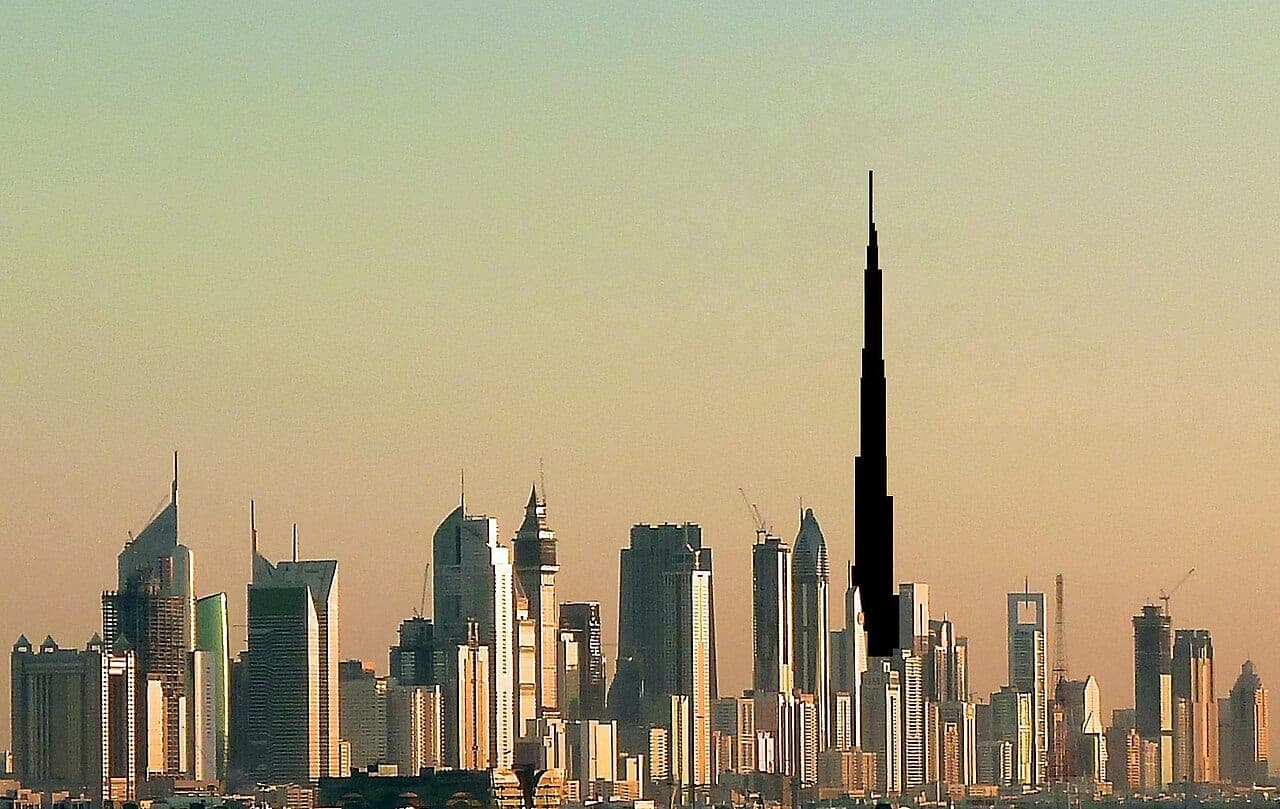
The Burj Khalifa is 828 metres and it still stops people in the street. For the observation decks book online in advance on the official site; prime sunset slots cost more than daytime ones and sell out first. The honest advice: a late-afternoon slot gives you daylight, sunset and the city lights in one visit. Dubai Mall at its feet is not just shopping: the aquarium wall is free to look at, the indoor waterfall and the souk section are pleasant, and there are prayer rooms and family facilities on every floor. The Dubai Fountain shows start after sunset on the lake outside and run every half hour into the night; the terrace by the Souk Al Bahar bridge is the classic spot, and it costs nothing.
Sheikh Zayed Road and Zabeel: two new icons
The Museum of the Future is the silver oval wrapped in Arabic calligraphy that you will see from the Metro; the words are poems by Sheikh Mohammed about the future. Inside is a few hours of immersive exhibitions that children from about eight upwards love. Book on the official site; walk-up tickets rarely exist. Ten minutes away in Zabeel Park, the Dubai Frame is a 150-metre golden picture frame with a glass-floored walkway on top: look north and you see Old Dubai and the Creek, look south and you see the towers. It is the single best place to understand how the city grew, and the park below is a good picnic spot in winter.
Jumeirah: beaches, mosques and family afternoons
Jumeirah is the long stretch of coast between the Creek and the Marina. Kite Beach and the public beaches along Jumeirah Beach Road are free, clean, with showers, changing rooms, playgrounds and running tracks; the water is calm and shallow for children. Modest swimwear is normal here and no one looks twice. Around sunset the beaches fill with local families, and this is when the Burj Al Arab turns gold behind you. Pray maghrib at Al Farooq Omar Bin Al Khattab Mosque or any of the neighbourhood mosques a street back from the beach, then eat grilled fish from a shack on the sand or in the cafés of the Jumeirah 1 strip. La Mer and Jumeirah Beach Residence (JBR) further south are the lively beachfront promenades with ice cream, splash parks and a Friday-afternoon crowd.
The Marina and the Palm
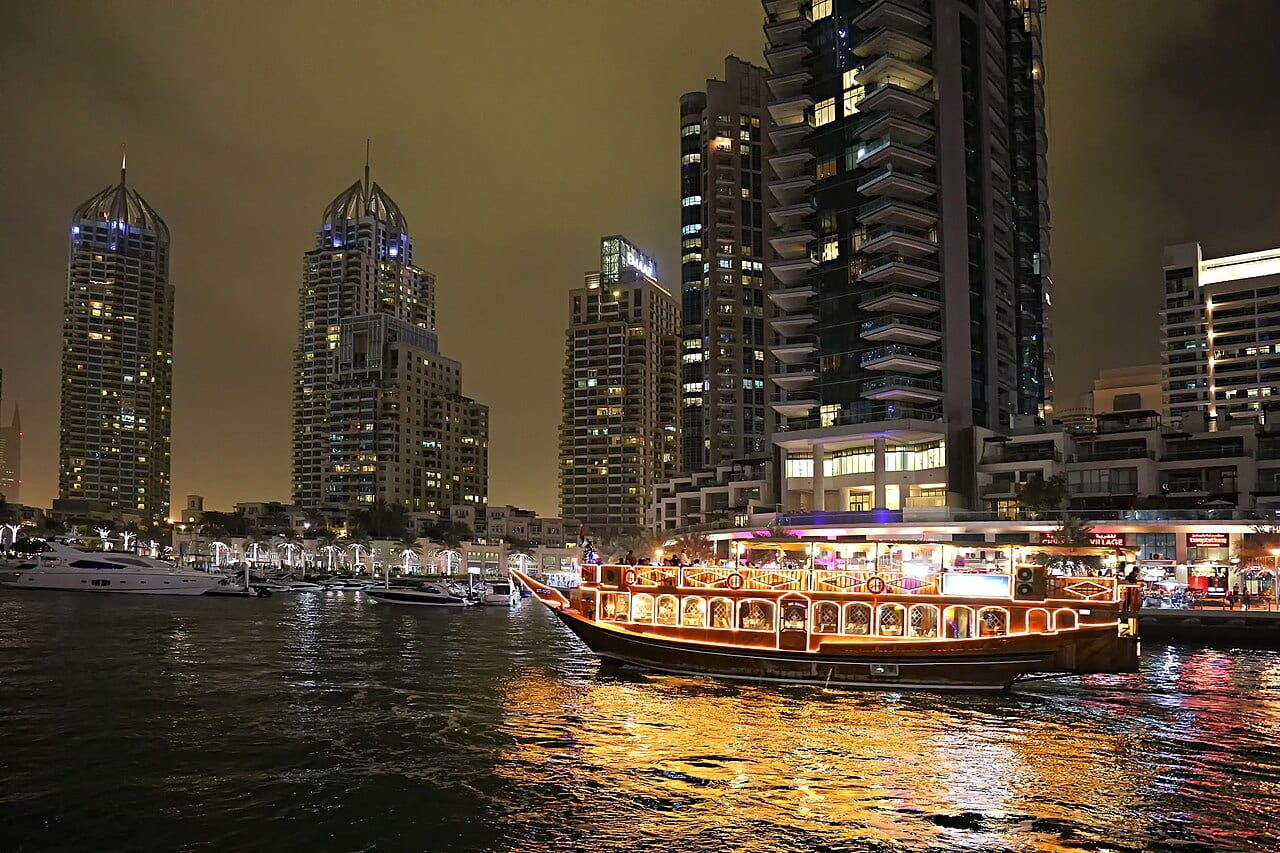
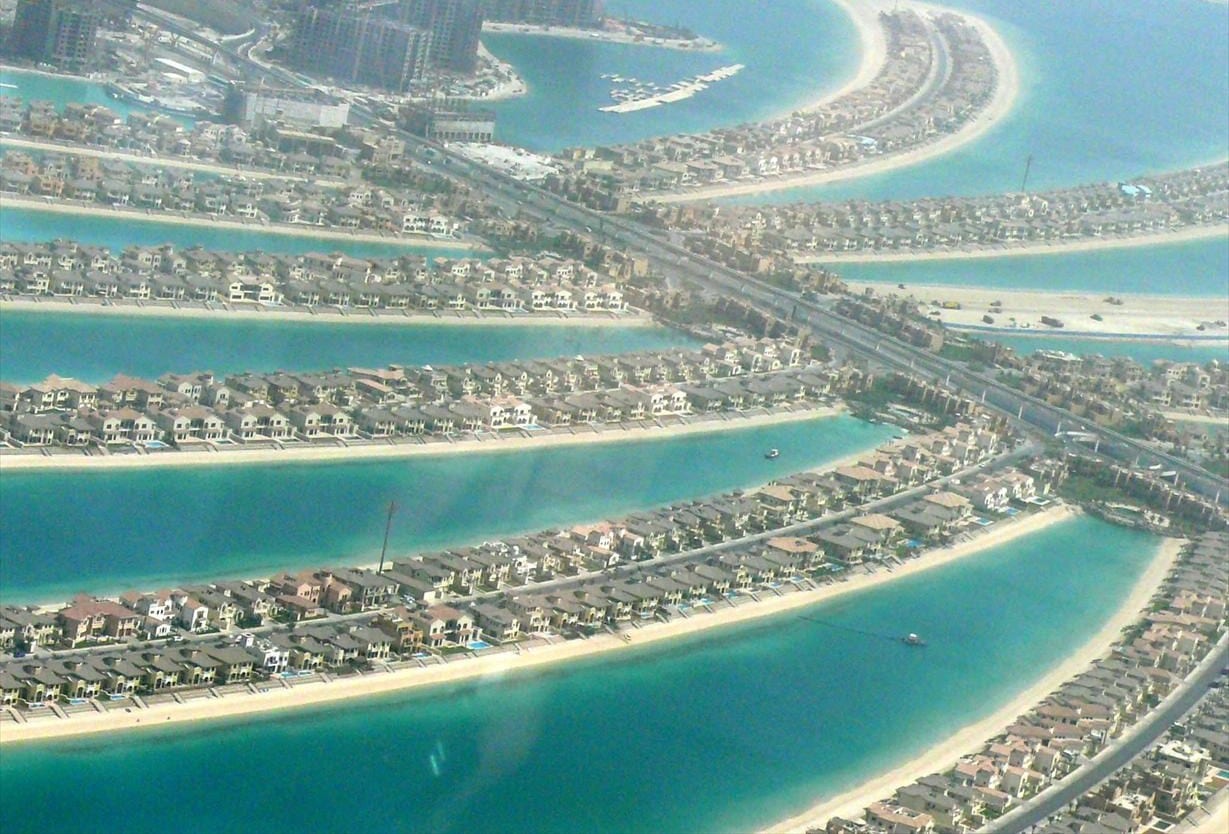
Dubai Marina is a canal city of towers with a seven-kilometre promenade that is best walked after dark, when the water reflects everything. Families like it for the dhow dinner cruises (many are alcohol-free; ask when booking), the tram that loops the district, and the beach at JBR a few minutes away. The Palm Jumeirah, the man-made island shaped like a palm tree, is mostly hotels and villas; the Palm Monorail runs down the trunk to the Atlantis resort at the tip, where the Aquaventure waterpark and the Lost Chambers aquarium make a full family day. The view of the Palm from the observation deck at the top of the Palm Tower is the one that explains the shape.
If you are here between autumn and spring: Global Village
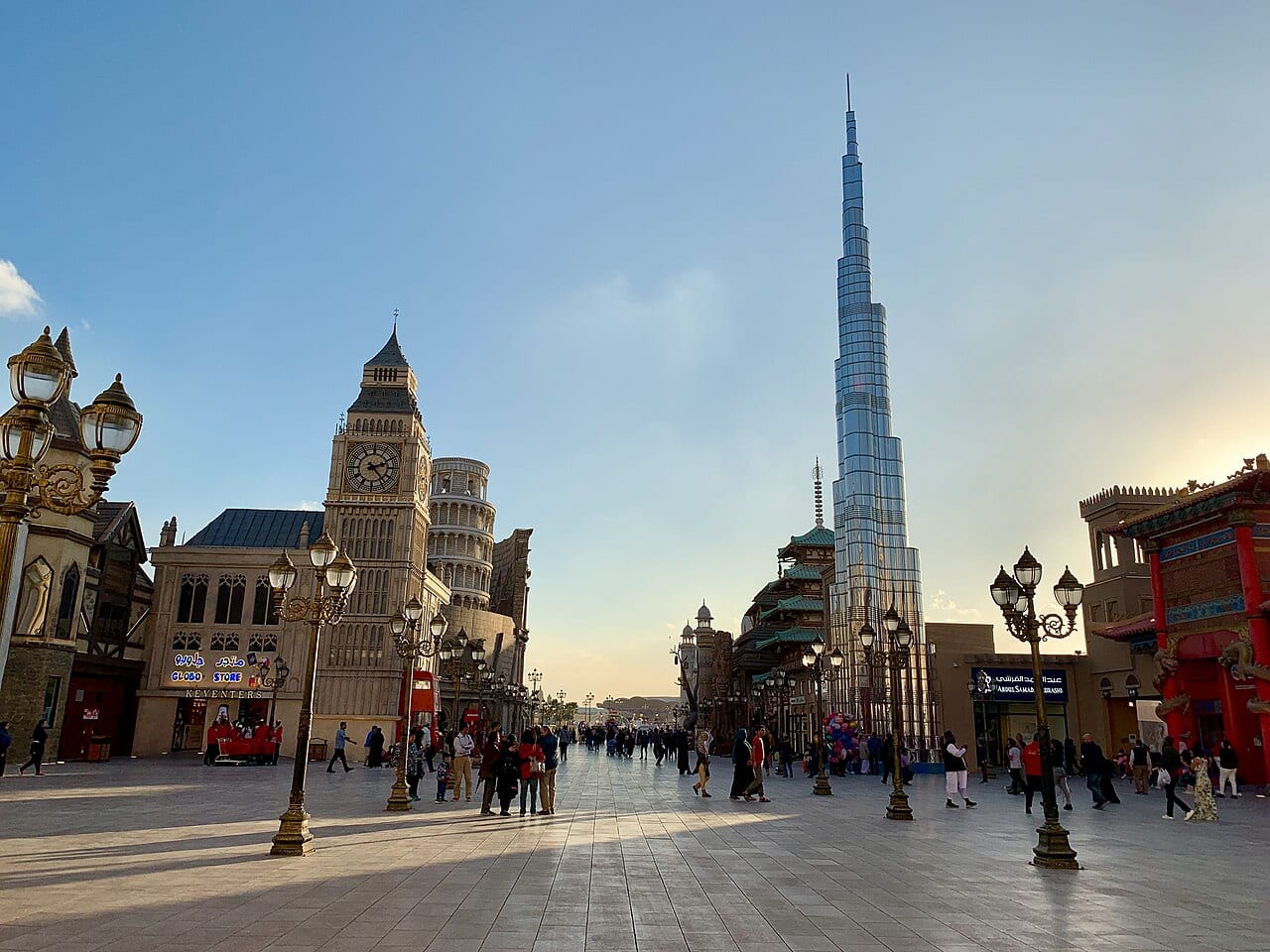
Global Village is a seasonal fair the size of a small town on the edge of the city: ninety-odd country pavilions selling food and crafts, a funfair, nightly stage shows and fireworks. Entry is a few dirhams, rides are paid separately, and the Arabic, Turkish, Afghan and Indian food streets are the best cheap dinner in Dubai. Go on a weekday evening; weekends are packed. It opens around late October and closes in spring, with dates and ticket prices on the official site.
A three-day plan
- Day one, Old Dubai. Late breakfast of balaleet and karak at the Arabian Tea House, then Al Fahidi and the Fort, dhuhr at the Grand Mosque, the Textile Souk, abra across the Creek, Spice and Gold Souks, maghrib in Deira and a kebab dinner in one of the old Iranian houses.
- Day two, the new city. Morning at the Museum of the Future (booked ahead), Dubai Frame at midday, afternoon at Dubai Mall with the aquarium wall and the prayer rooms, Burj Khalifa deck for sunset, the fountain show after dark.
- Day three, the sea. Jumeirah Mosque in the morning, Kite Beach until the heat builds, lunch on Jumeirah Beach Road, asr at Al Farooq Mosque, the Palm Monorail and Atlantis in the late afternoon, dinner on the Marina walk or at Global Village in season.
Have five days? Add a desert evening (camel ride, Bedouin camp dinner, star-gazing; choose a camp that does not serve alcohol if that matters to your group), a day trip to the mountain pools of Hatta, and a half day in Sharjah, twenty minutes north, whose Islamic Civilisation Museum and heart-of-Sharjah souks are superb and far less crowded.
Family tips
- Children under five ride the Metro free and most attractions have child tickets; strollers are fine everywhere, including the Metro (use the lifts) and the abra if you fold them.
- Dress is relaxed but modest in malls and old neighbourhoods: shoulders and knees covered is the norm and signs say so. Swimwear belongs on the beach and at the pool only.
- Every mall has nursing rooms and prayer rooms; every public beach has toilets and showers; drinking tap water is safe but everyone drinks bottled.
- Book the Burj Khalifa, the Museum of the Future and Aquaventure online a few days ahead; everything else is walk-in.
- Carry a little cash for the abra, the souks and the cafeterias; everything else takes cards and phones.
What it costs, honestly
Dubai can be as expensive as you let it be. Hotels are the big variable: a four-star in Deira or Bur Dubai in winter can cost a third of the same star rating in the Marina, and summer rates everywhere fall sharply. Transport is cheap (a Nol card day pass covers Metro, tram and bus), the abra is a dirham, public beaches and the fountain are free, and a meal in Old Dubai is a few dirhams per person. The paid icons (Burj Khalifa decks, Museum of the Future, Aquaventure, dhow dinners) are what add up, so pick two or three and skip the rest without guilt. Compare live hotel prices by neighbourhood on our hotels page and flights on the flight search; the Dubai destination guide has more places and current events.
FAQ
Is Dubai suitable for a family that keeps halal strictly?
Yes, more than almost any major city. Meat is halal by default, prayer rooms are everywhere, modesty is the public norm and alcohol is confined to licensed hotel venues you can simply not enter.
How many days do I need?
Three full days covers the old city, Downtown and the coast. Five lets you add the desert, Hatta and Sharjah without rushing.
Can non-Muslim friends visit a mosque with us?
Yes. Jumeirah Mosque runs guided visits for non-Muslims through the Sheikh Mohammed Centre for Cultural Understanding; modest dress is provided if needed.
Is it safe to walk at night?
Dubai is one of the safest cities you will visit; families walk the Creek, the Marina and the beaches well past midnight in winter.
What about Ramadan?
A wonderful time to come. Days are quieter and hotels cheaper; restaurants serve, but eat discreetly; after maghrib the city, the souks and Global Village come alive until the early hours.