Paris is big, loud, beautiful, and a bit overwhelming the first time. You will walk a lot, you will eat very well, and you will probably get lost at least once on the Metro. That is normal. This Paris family guide is here to make it easier. It covers what to actually do, what to eat, how to get around without losing your mind, and a three day plan that does not try to cram everything in. It is written for families, but it works just as well if you are a couple or travelling solo.
If you want a day by day version with your own dates and hotel, put this guide into the YallaSafra AI trip planner and it will build the route for you.
What to do in Paris
Paris has so much to see that the hardest part is choosing. Here is what I would not skip, and how to do each one without wasting half your day in a queue.
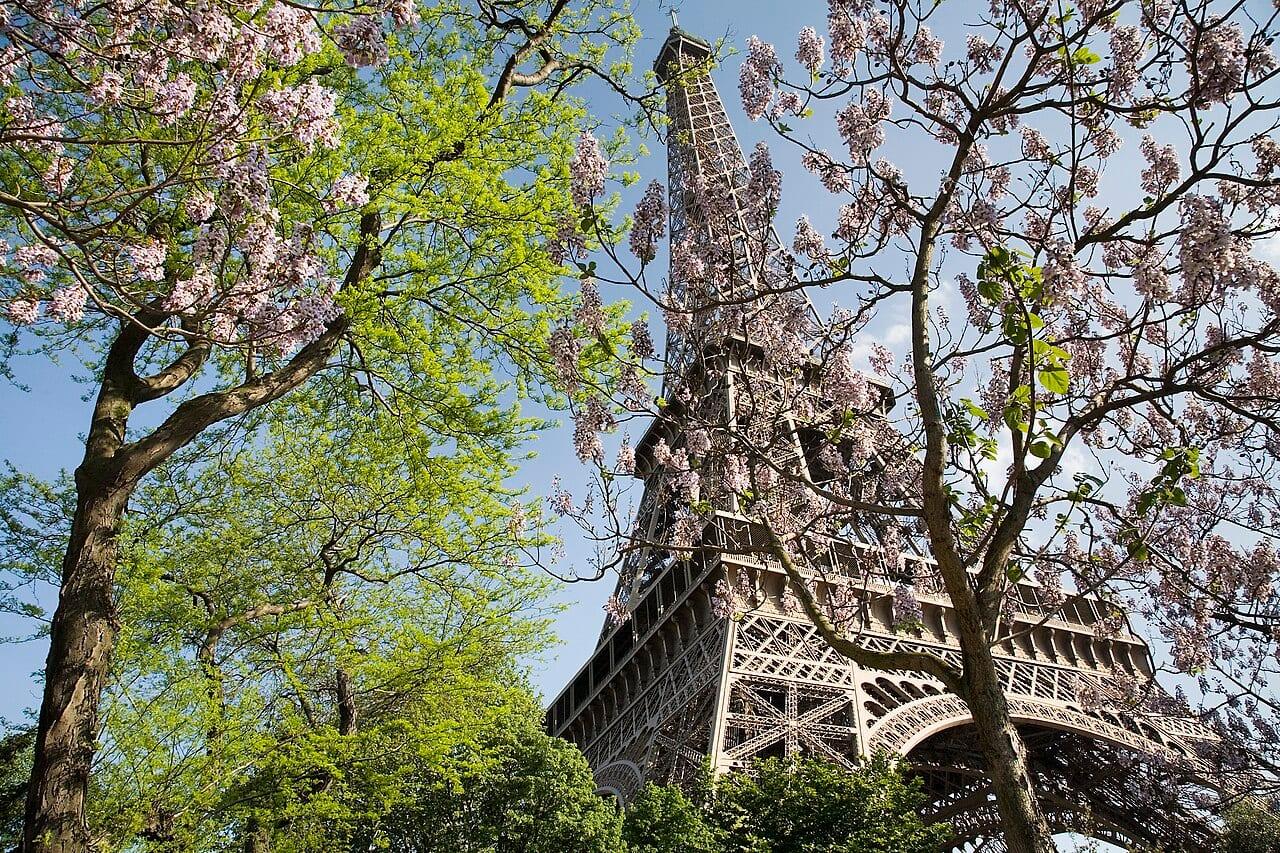
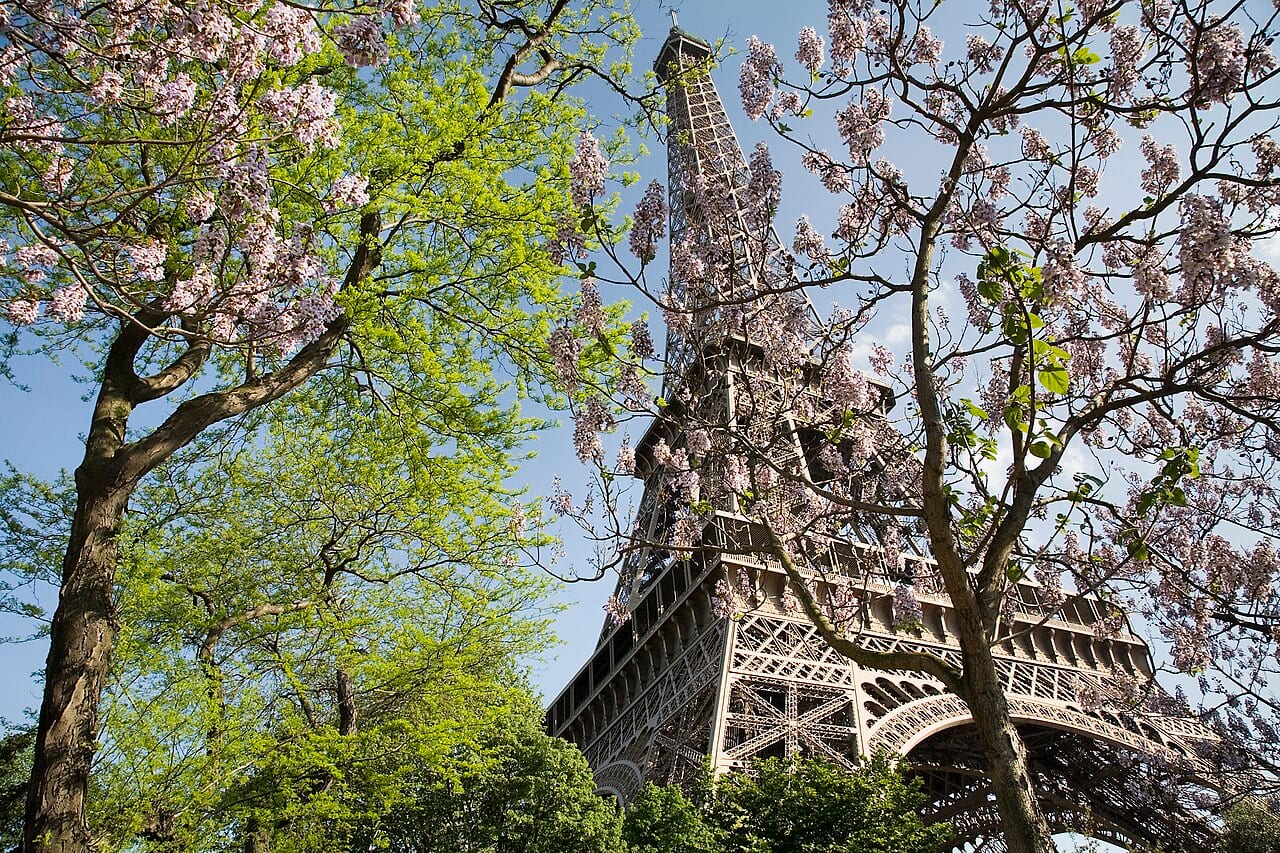
Eiffel Tower
Yes, it is touristy. Yes, you should still go. Go early, as soon as it opens, and book your tickets online before you fly. The queue at 9am is already long, and by midday it is miserable, especially with kids. The gardens underneath, the Champ de Mars, are a good place to let children run around while you take photos. If you do not want to go up, you can still enjoy it from the Trocadéro across the river, which has the classic postcard view. Tickets are on the official Eiffel Tower site.
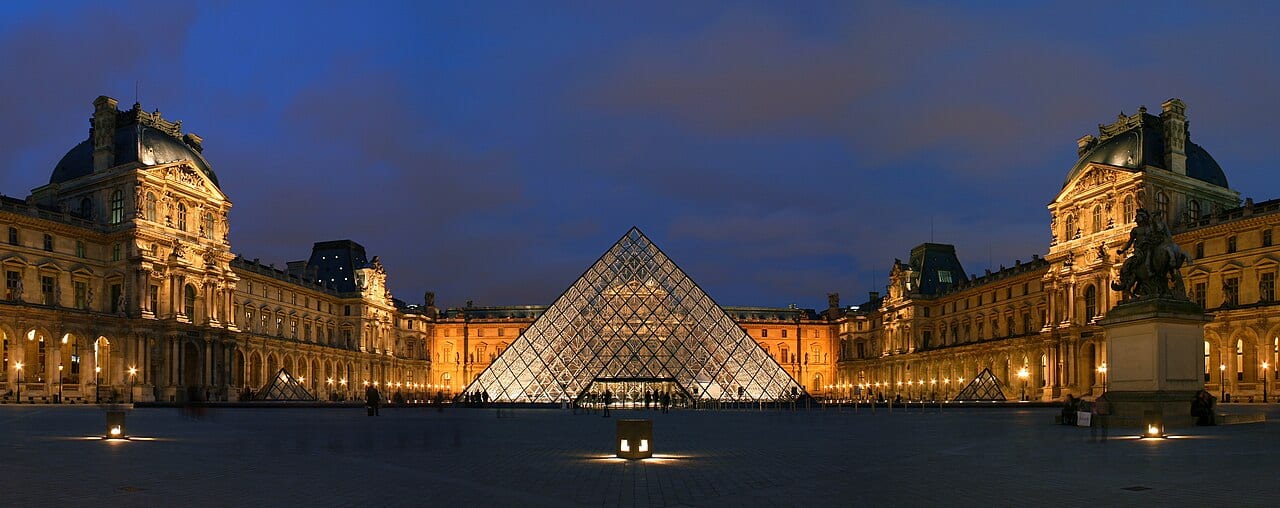
The Louvre
The Louvre is huge. You cannot see it all in one visit, and you should not try. Pick two or three things you actually want to see. The Mona Lisa is small and always crowded, so go early or go late. The Egyptian rooms are wonderful for kids. The Islamic art wing has beautiful ceramics, metalwork, and manuscripts, and it is usually quieter than the rest of the museum. Give yourself two to three hours, then leave while you still have energy. Book a timed entry slot on the official Louvre site.
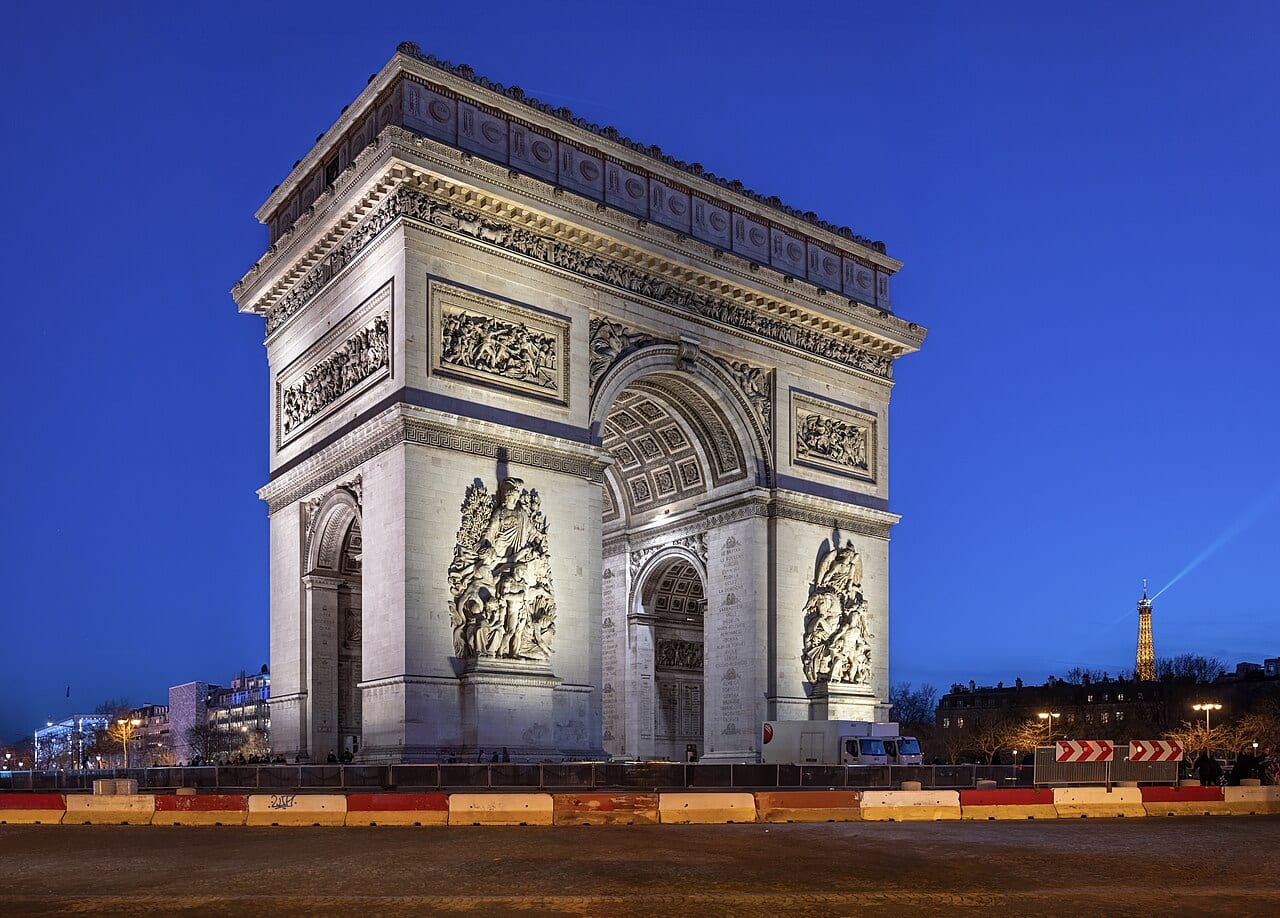
Arc de Triomphe and the Champs-Elysees
The Arc de Triomphe sits on one of the craziest roundabouts in Europe. Do not try to cross it on foot. There is a tunnel under the road, use it. From the top you get a proper 360 degree view of Paris, and you can see how the whole city is laid out in straight lines from this point. It is a good first day stop because it helps you get your bearings. After that, walk down the Champs-Elysees. It is more shops than magic these days, but the walk itself is pleasant, and there are plenty of places to stop for a coffee.
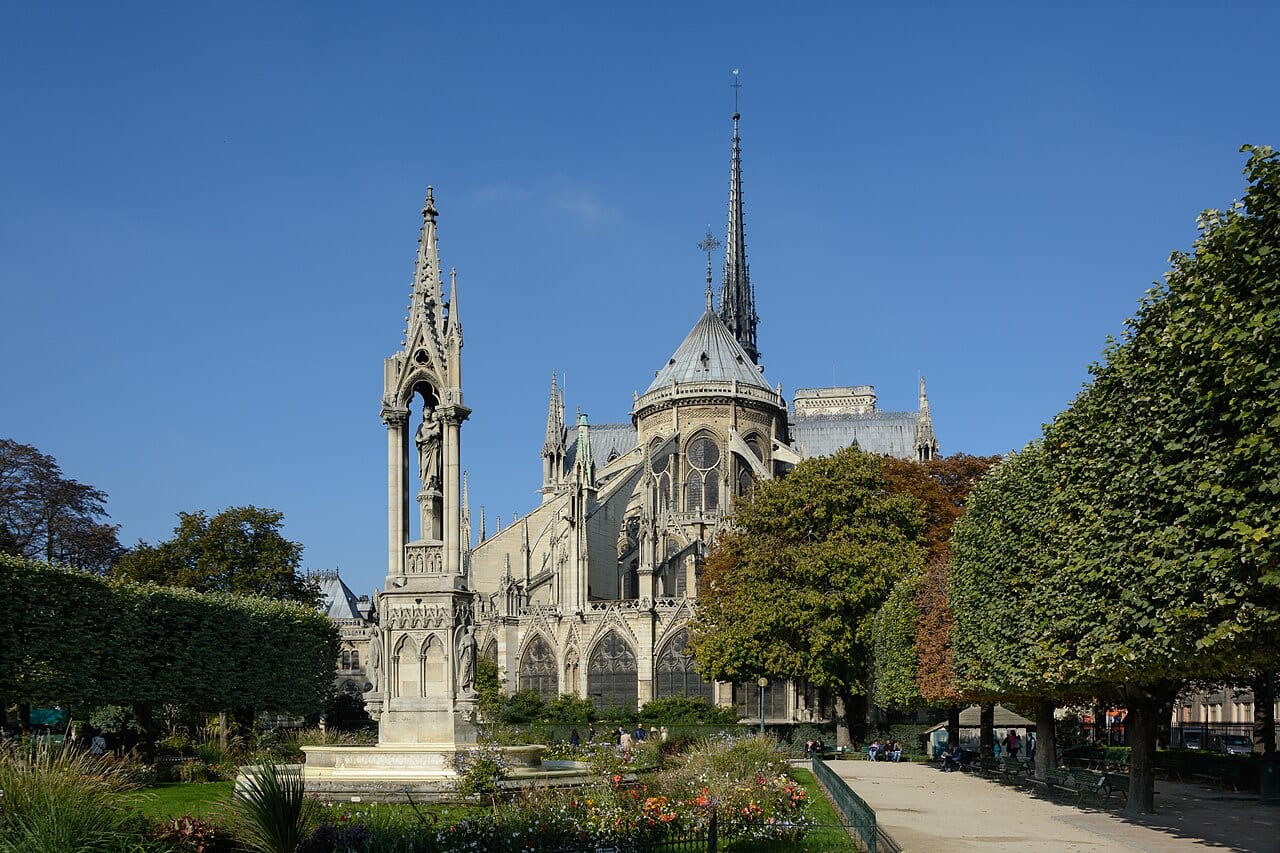
Notre-Dame and the Ile de la Cite
Notre-Dame is on a little island in the middle of the Seine, the Ile de la Cite. The cathedral itself is one of the great Gothic buildings in Europe, and the island is a lovely walk, with small squares, bookstalls along the river, and views of the cathedral from the bridges. Check the visitor information before you go, because opening arrangements change while restoration work is going on.
Montmartre and Sacre-Coeur
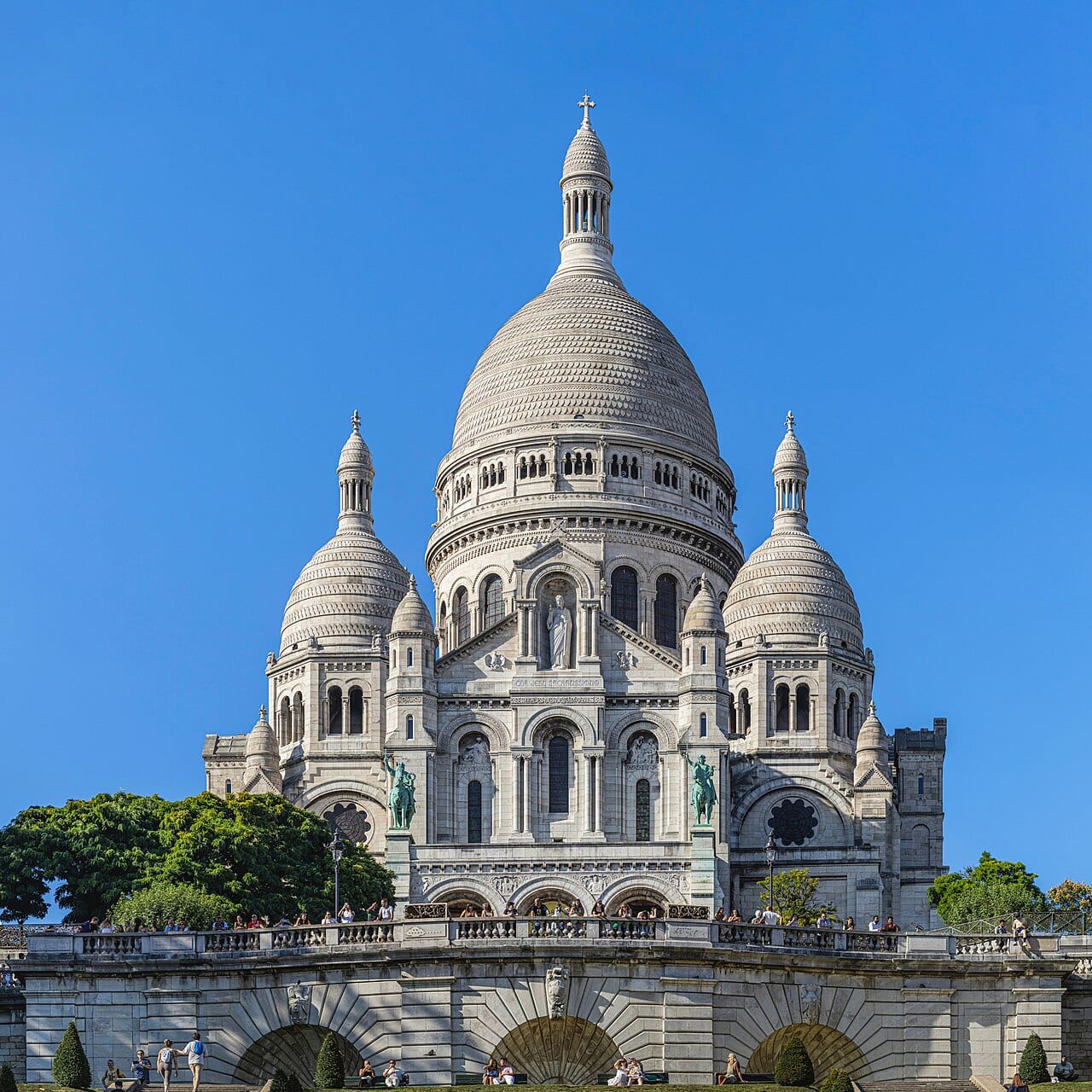
Montmartre feels like a different city. It is a hilltop village with narrow lanes, artists painting in the square, and the white domes of Sacre-Coeur looking out over the rooftops. The climb is steep, so if you have a stroller, take the funicular up the hill. The view from the steps is one of the best free views in Paris. Go in the morning if you want photos without a crowd, or late afternoon if you want the light.
Other things worth your time
If you have more than three days, add these. A Seine river cruise on your first evening is a relaxed way to see the main sights and get your bearings. The boats pass the Eiffel Tower, Notre-Dame, the Louvre, and the Musee d'Orsay. The Tuileries Garden, between the Louvre and the Place de la Concorde, is a good place to sit down for an hour. The Marais, with its narrow streets and small shops, is my favourite area to just wander. And if you have kids who need a break from museums, the Jardin des Plantes has a small zoo and a natural history museum that is much more fun than it sounds.
What to eat in Paris
Paris is one of the best cities in the world to eat in, and you do not need to spend a fortune to eat well. Here is what to try, and where to look.
Start with the classics. A proper French onion soup, a ratatouille (a slow cooked vegetable dish that is perfect in summer), a Nicoise salad with tuna and olives, and a duck confit (slow cooked duck leg, crisp on the outside) are all worth trying. For something sweet, get a crepe from a street stand in the Marais, a galette (a buckwheat pancake with egg, cheese, and mushrooms) for lunch, and macarons from a bakery. The bakeries are everywhere, and a fresh croissant in the morning is one of the simplest pleasures in Paris.
Paris also has fantastic North African and Middle Eastern food. Couscous, tagines, shawarma, falafel, and mezze are everywhere, especially in the 10th, 11th, 18th, 19th, and 20th arrondissements, and around the Grand Mosque. If you like grilled meats, the lamb and chicken grills are excellent. For seafood, the fish and shellfish are fresh and well cooked. And if you are not sure what to order, a vegetarian dish or a fish dish is always a safe bet.
Where to eat? The Marais and Saint-Germain are full of good cafes and small restaurants. The Rue du Faubourg Saint-Denis area has great North African and Middle Eastern places. Around the Grand Mosque, in the 5th arrondissement, there are tea rooms where you can have mint tea and pastries. A few places in our database to look up are New Jawad, L'Echappee Belle, and Kozy Notre Dame (all day brunch and coffee). Check the menu when you arrive and ask the waiter if you have any questions about ingredients. Most restaurants in Paris are used to it.
For breakfast, many hotels offer bread, croissants, jam, fruit, and coffee. For lunch and dinner, one sit down restaurant a day is plenty. Fill the other meals with bakery food, fruit, and picnic supplies from a market. The markets are wonderful, and a picnic in the Tuileries or along the Seine is one of the best meals you will have in Paris, and one of the cheapest.
How to get around Paris
Do not drive in Paris. I mean it. The traffic is bad, parking is a nightmare, and you will spend your holiday stuck in a jam. The Metro is your best friend.
Metro and RER
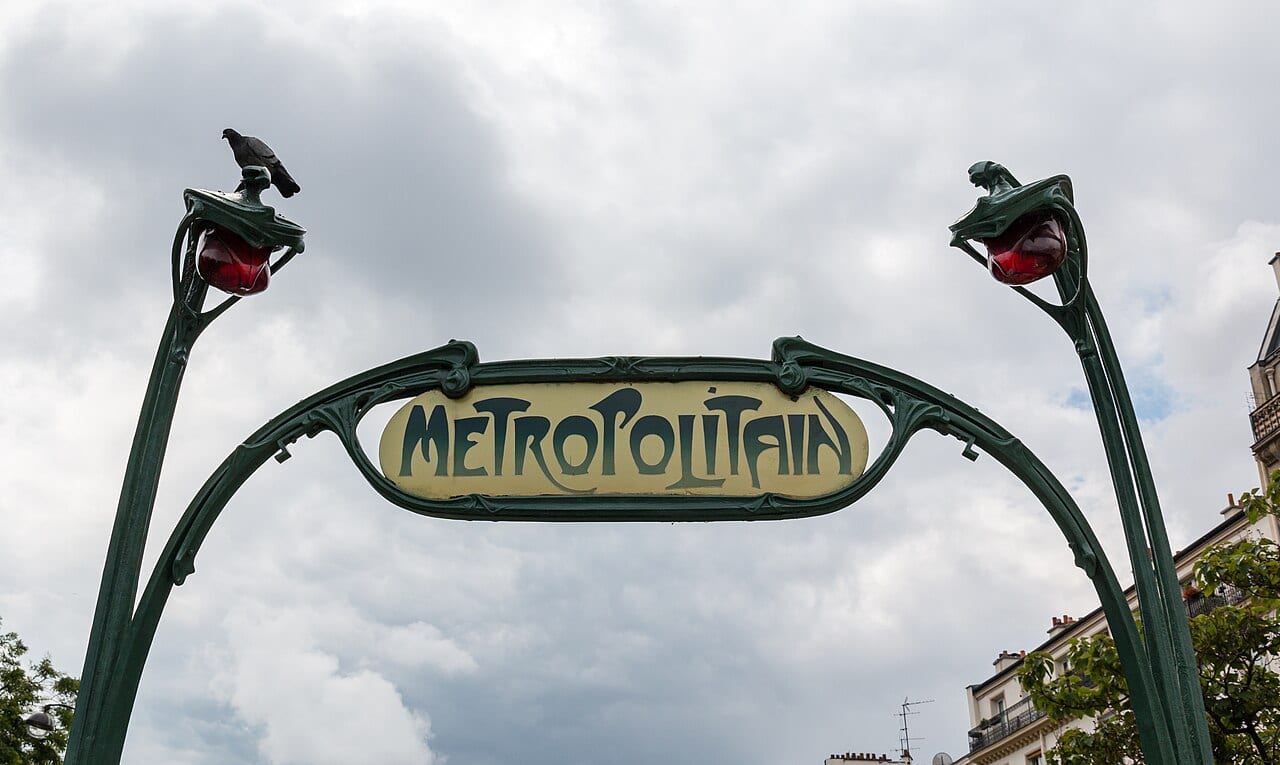
The Metro has 14 lines, plus the RER trains that also run through central Paris. There is a station within a few minutes walk almost everywhere in the centre. Trains come every few minutes from early morning until late at night. Download the official RATP app or check ratp.fr for live times and routes. The app has a step free filter, which is useful if you have a stroller or a wheelchair.
A few things that will save you time. Buy a multi day pass if you are staying three days or more, it is simpler than buying single tickets. The main sights are in zones 1 and 2. The airports are in the outer zones, so you need a different ticket for the airport journey. Avoid the Metro at rush hour if you can, weekday mornings from 7:30 to 9:30 and evenings from 5pm to 7:30pm are packed. If you have a stroller, use the RER stations and the newer Metro lines (1 and 14), which are more likely to have lifts. Check current fares on the RATP site before you travel.
Buses, walking, and taxis
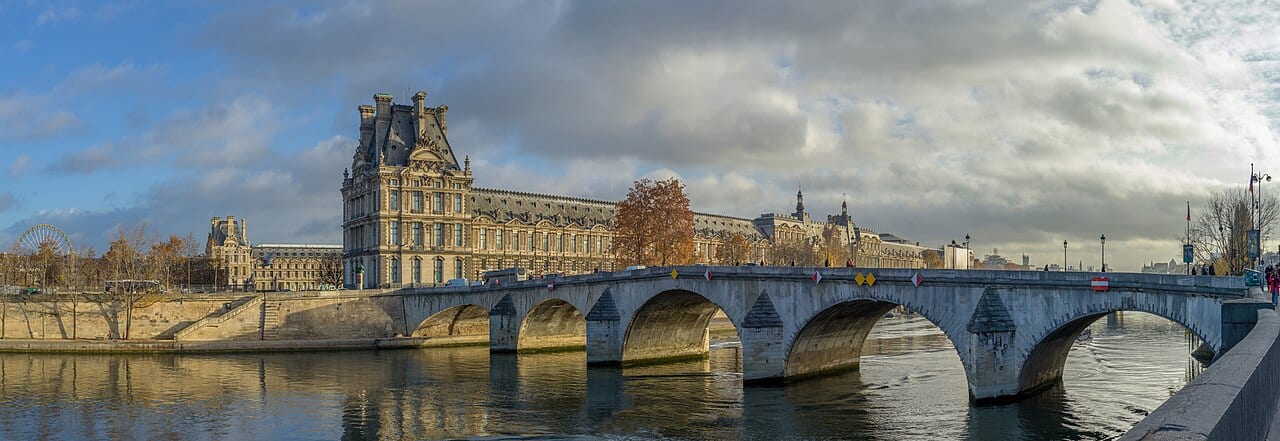
Buses are slower than the Metro but you see the city as you go. The same ticket works on buses and trams. Central Paris is very walkable. The Eiffel Tower, Louvre, Tuileries Garden, Place de la Concorde, and Champs-Elysees are all on one walkable line along the Seine. Wear comfortable shoes. Taxis and ride hailing work, but they are slow in traffic and cost a lot more than the Metro. Use them for airport transfers with lots of luggage, late night returns, or if someone in your group has limited mobility.
Getting from the airport
From Charles de Gaulle, the RER B train goes direct to central Paris (Gare du Nord, Chatelet, Saint-Michel). It is the cheapest reliable option. From Orly, the Orlyval shuttle connects to RER B at Antony, or you can take a taxi. Allow at least an hour for either airport journey, and longer at peak times. If you land late or you have a lot of luggage, a pre booked private transfer is worth it for a family.
If you have three days, here is how I would do it
Three days is enough to see the main sights without rushing. Adjust it to your pace.
Day 1: Eiffel Tower and the Seine
Morning: Eiffel Tower, first slot. Walk through the Champ de Mars gardens. Midday: Picnic or lunch nearby. Afternoon: Seine cruise or a walk along the river to the Musee d'Orsay. Evening: Early dinner and rest. You will be tired from the flight, so keep day one light.
Day 2: Louvre and the old centre
Morning: Louvre, two to three hours, pick your wings and stick to them. Midday: Walk through the Tuileries Garden. Afternoon: Ile de la Cite and Notre-Dame from outside, then the Marais for shopping and tea. Evening: Dinner in the Marais.
Day 3: Montmartre and the Arc de Triomphe
Morning: Montmartre and Sacre-Coeur, funicular up. Midday: Lunch in Montmartre. Afternoon: Arc de Triomphe and Champs-Elysees. Evening: Final walk along the Seine and a farewell tea or coffee.
A few practical tips
Best time to go? Late spring, April to June, and early autumn, September to October. The weather is good and the crowds are smaller than in summer. Winter is quieter and cheaper, but the days are short and cold.
Paris is expensive. Save money by booking attraction tickets online in advance, using a multi day Metro pass, picnicking from bakeries and markets, and choosing a hotel with breakfast included. Check current prices on the official attraction sites before you travel.
Where to stay? In the centre, 1st to 7th arrondissements, for the shortest Metro rides. Or near a Metro line with lift access if you have a stroller. Compare hotels on the YallaSafra hotels page and look for family rooms.
Safety: Paris is generally safe for families. Watch for pickpockets on the Metro and at busy sights. Keep bags in front, and keep passports and valuables in your hotel safe.
Language: A few French phrases go a long way. Bonjour, merci, s'il vous plait. Many Parisians speak English, especially in tourist areas, but they appreciate it if you start in French.
Insurance: Consider takaful (Islamic cooperative cover) for travel medical cover. Check what your visa requires for medical cover.
FAQ
How long should I stay in Paris?
Three full days cover the main sights at a relaxed pace. Four to five days let you add a day trip, for example Versailles or Disneyland Paris, and a slower day for shopping and gardens.
Is the Metro safe and easy for families?
Yes. It is frequent, affordable, and faster than driving. Use the RATP app for live times and step free routes, avoid rush hour with luggage, and keep an eye on bags at busy stations.
Do I need to speak French?
No, but a few phrases help. English is widely spoken in tourist areas, and menus are often in English too.
What should I eat in Paris?
Try the onion soup, ratatouille, Nicoise salad, duck confit, crepes, galettes, and macarons. If you like North African food, the couscous, tagines, and falafel in Paris are excellent. For a cheap and lovely meal, get bakery food and have a picnic by the Seine.
A note for Muslim travellers
If you keep halal, Paris is easy. There are many halal restaurants and grocery shops, especially in the 10th, 11th, 18th, 19th, and 20th arrondissements, and around the Grand Mosque. Look for halal certification on the shopfront, and ask for the halal version when you order. The Grand Mosque of Paris, in the 5th arrondissement, has prayer, gardens, and a tea room. It is a peaceful place to pray and rest. Prayer times follow the local schedule, so check a prayer time app for Paris on the day. Most museums do not have prayer rooms, so plan prayer breaks into your day. If you visit during Ramadan, many halal restaurants open for iftar, and the Grand Mosque area is lively in the evenings.
Paris is a city that rewards people who plan well. Book your flights on the YallaSafra flights page, compare hotels, and build your day by day plan in the AI trip planner. Bon voyage, and enjoy Paris.