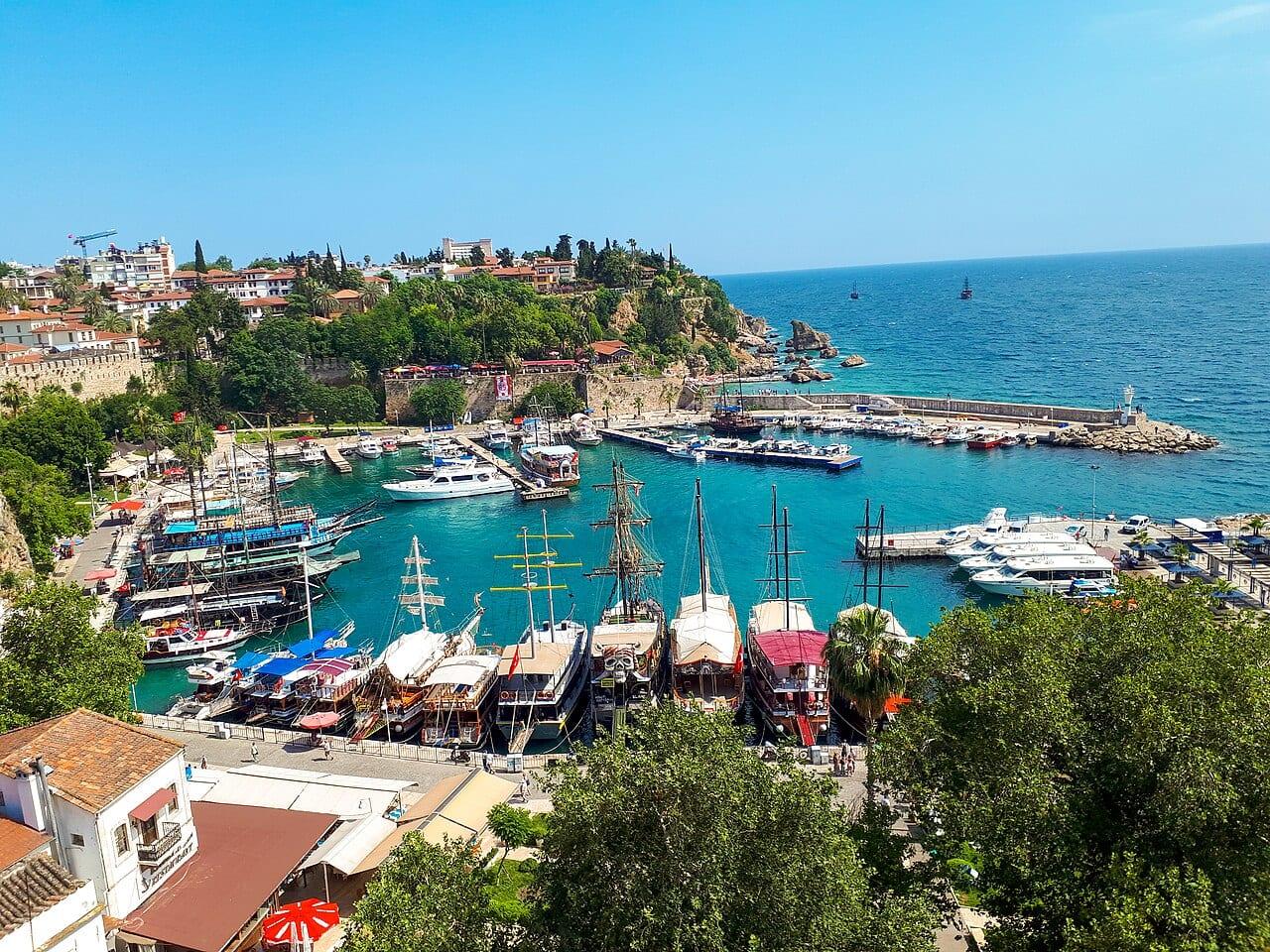
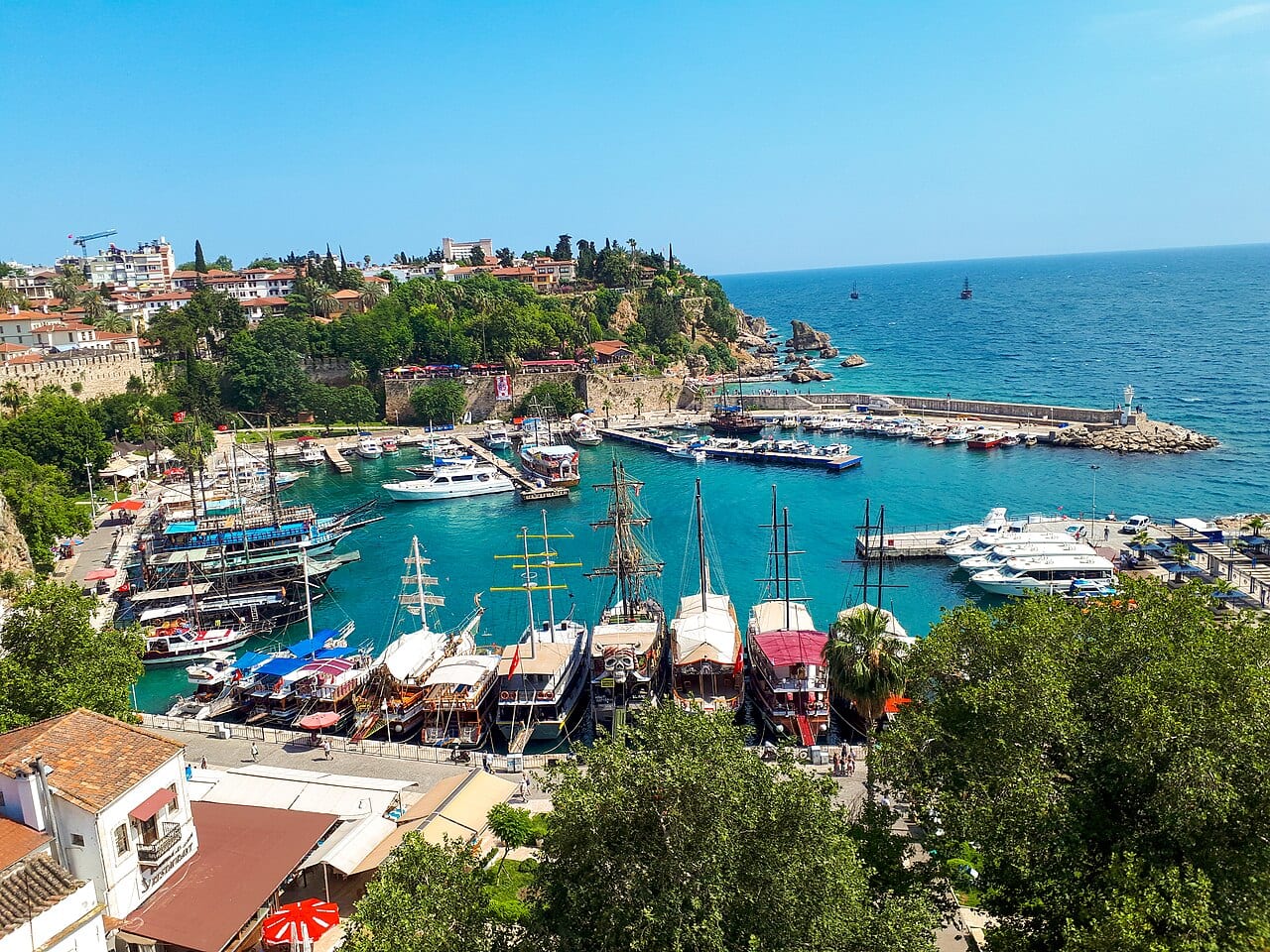
Most people see Antalya through a resort window: airport, shuttle, pool, buffet, repeat. I did that once and had a fine time. Then a Turkish friend took me into Kaleiçi at dusk, through the Roman gate and down to the little harbour where the boats were lit up and the whole old town smelled of grilled meat and orange blossom, and I realised I had spent a week next to one of the best cities on the Mediterranean without seeing it. This is the Antalya travel guide for doing both.
The essentials
- How long: Five to seven nights. Two or three for the city and its sights, the rest for the beach and the ancient cities down the coast.
- When: May, June, September and October are perfect: warm sea, sun, bearable heat. July and August are hot (35°C and up) and busy. The sea stays swimmable into November, and winter is mild enough for sightseeing in a jumper, with snow on the mountains above you.
- Money: Turkish lira. Cards work almost everywhere; carry some cash for the dolmuş minibuses and small cafés.
- Visa: Many nationalities enter visa-free or with a quick e-visa. The official Turkish e-visa site is the only place to apply.
- Getting around: Antalya has a proper tram. The AntRay line runs from the airport through the centre to the bus station and on to the Expo area; the little Nostalgic tram trundles along the seafront past Kaleiçi. Buy an AntalyaKart at a kiosk and tap on. Taxis are metered; ride-hailing apps work in the city.
Kaleiçi, the old town
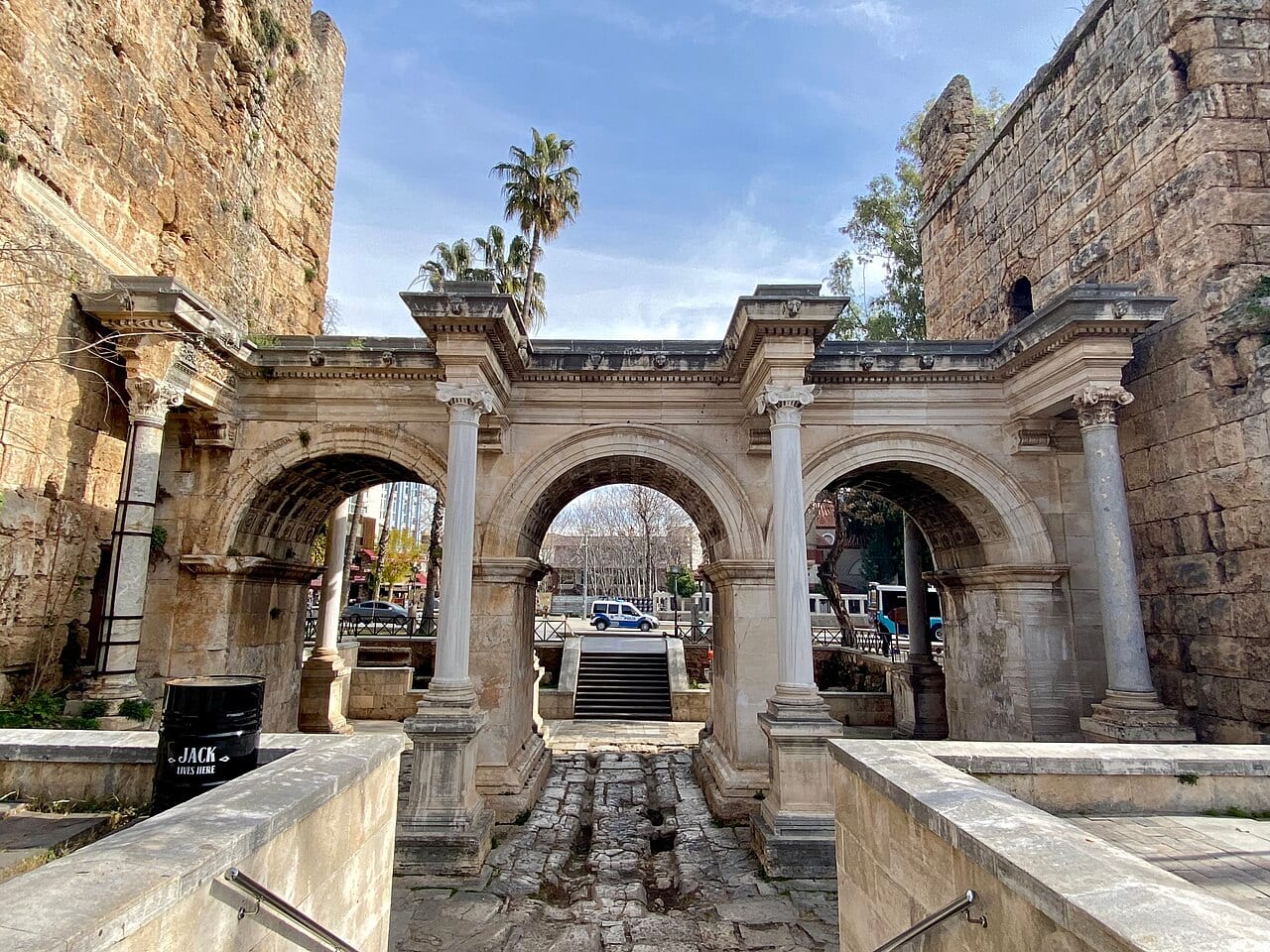
Start at Hadrian's Gate, the marble triple arch built for the emperor's visit in the year 130. Walk through it, as people have for nineteen centuries, and you are in Kaleiçi: Ottoman timber houses leaning over cobbled lanes, bougainvillea, carpet shops, courtyard cafés and, every few metres, a glimpse of the sea at the end of the street.
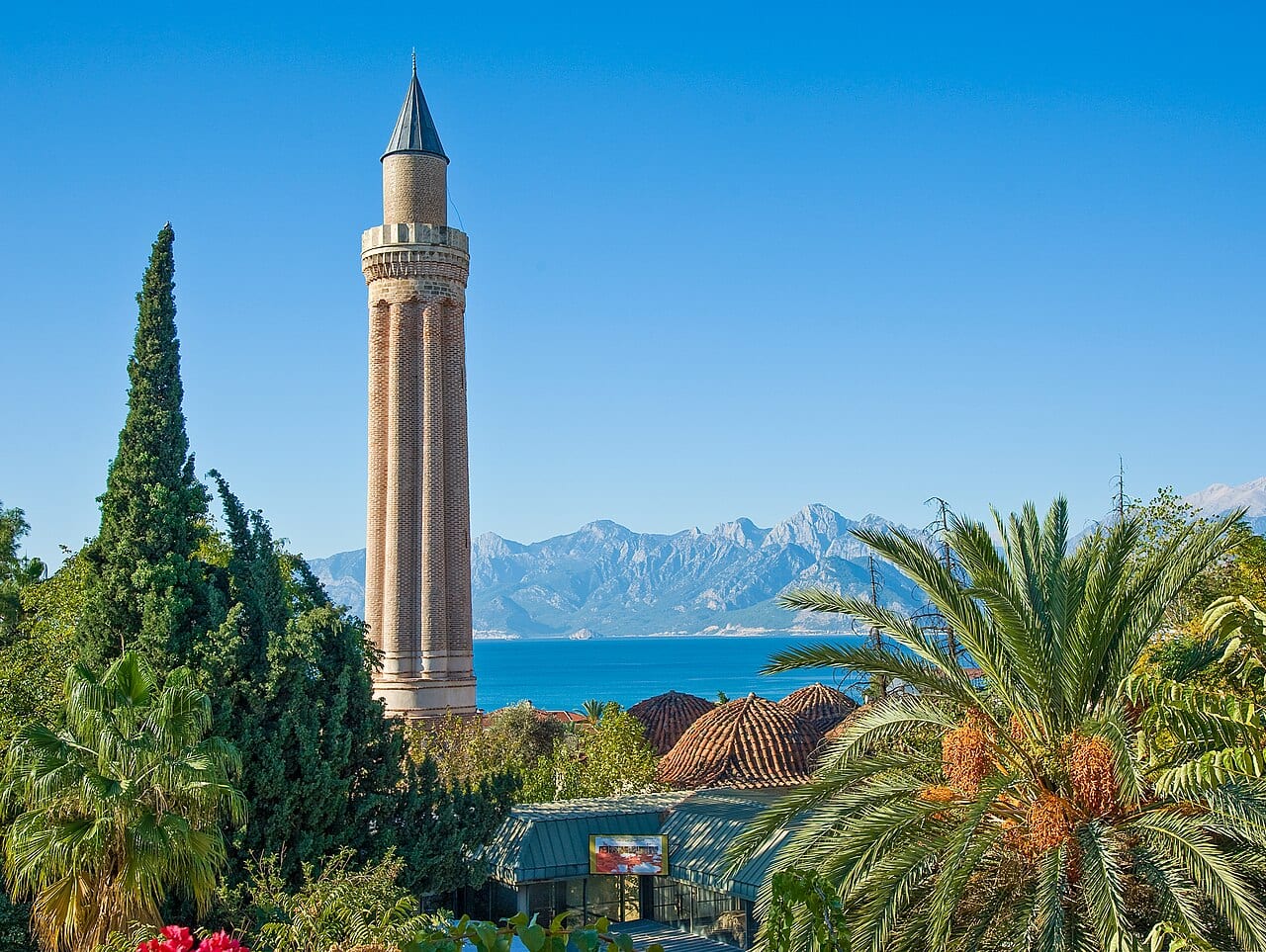
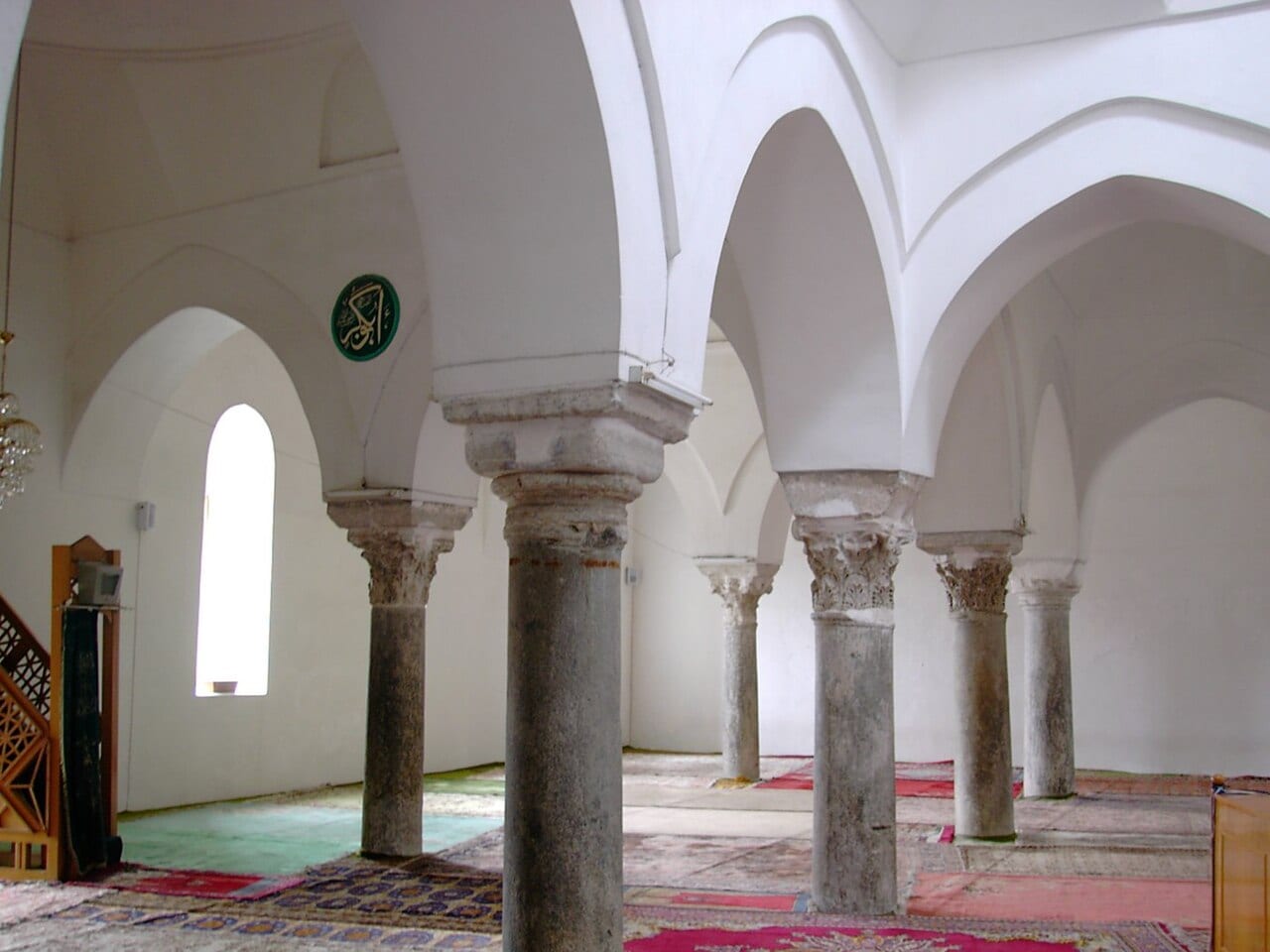
The landmarks are small and close together. The fluted Yivli Minare from the 13th century is the city's symbol, with a six-domed Seljuk mosque beside it that is still in use and welcomes respectful visitors between prayers. The Kesik Minare ("broken minaret") a few lanes away has been a Roman temple, a church and a mosque in turn. At the cliff edge, the round Hıdırlık Tower looks over the harbour and is the best spot in town for the sunset, with Karaalioğlu Park's tea gardens behind it.
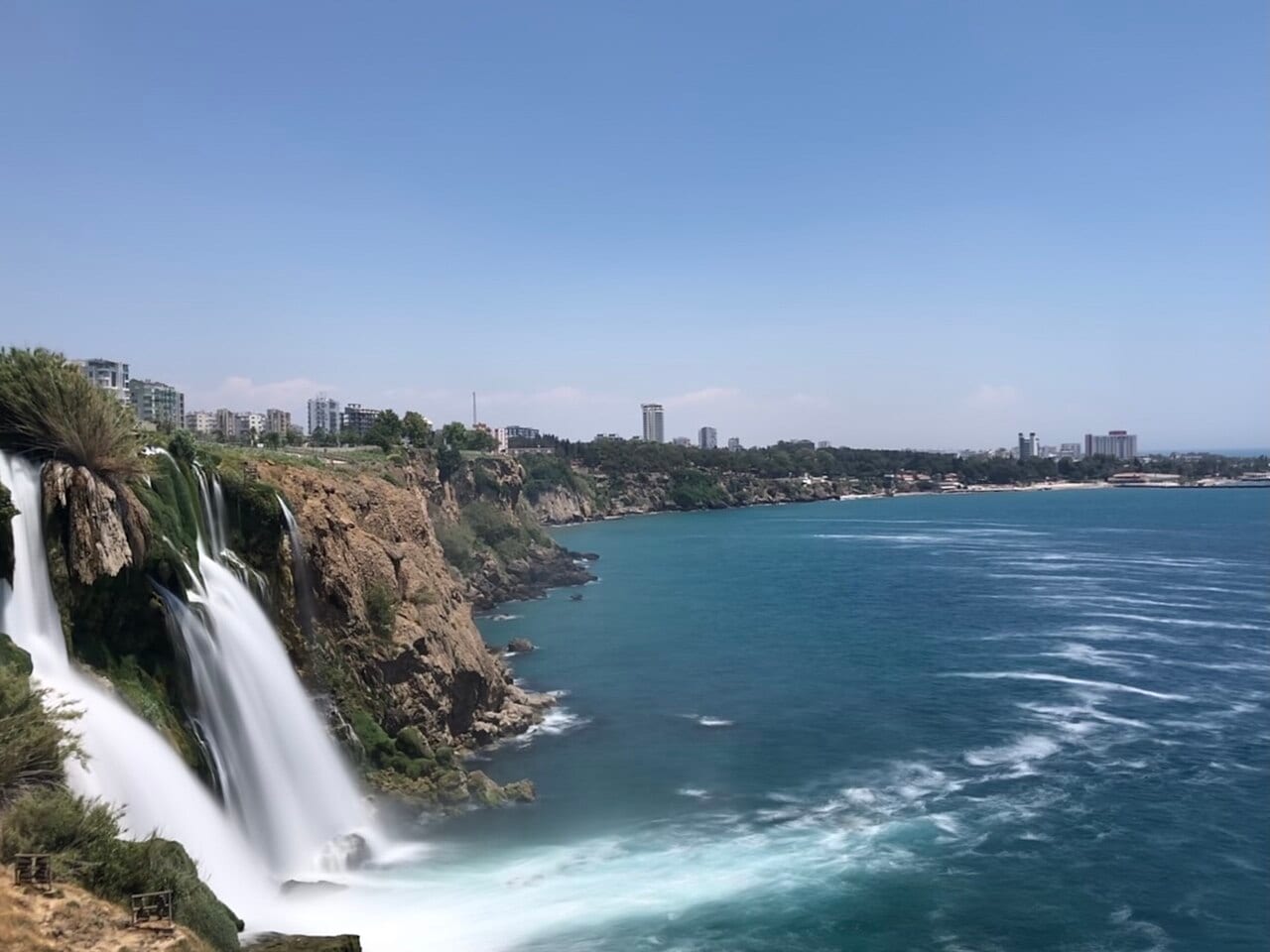
Down at the old harbour, wooden boats offer one-hour trips along the cliffs to the Lower Düden waterfall, where the river drops forty metres straight into the sea. Go in the late afternoon for the light, agree the price before boarding, and sit on the sea side.
Two waterfalls, one river
The Düden river gives Antalya its two best natural sights. The Upper Düden Waterfalls, about ten kilometres from the centre, are in a shady park where the water pours over a mossy cliff into a pool and you can walk behind the curtain of the fall into a cool cave. It is the place Antalya families go on a hot afternoon, with tea gardens, picnic tables and gözleme stands.
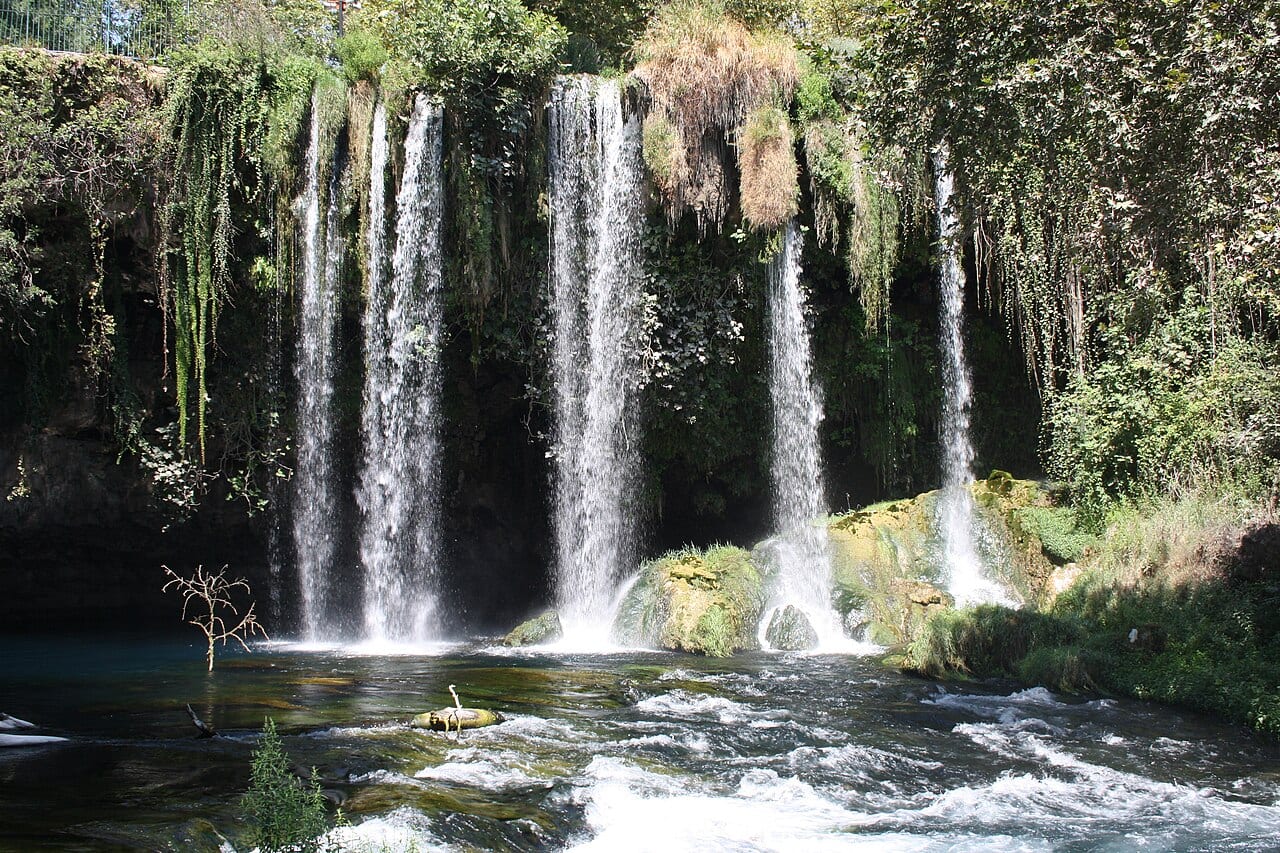
The Lower Düden Waterfall at Lara is the dramatic one: the same river ending its journey by falling off a cliff into the Mediterranean. See it from the cliff-top park (free, with a café) or from a boat below. Both halves fit easily into one afternoon with a taxi or the bus.
The beaches
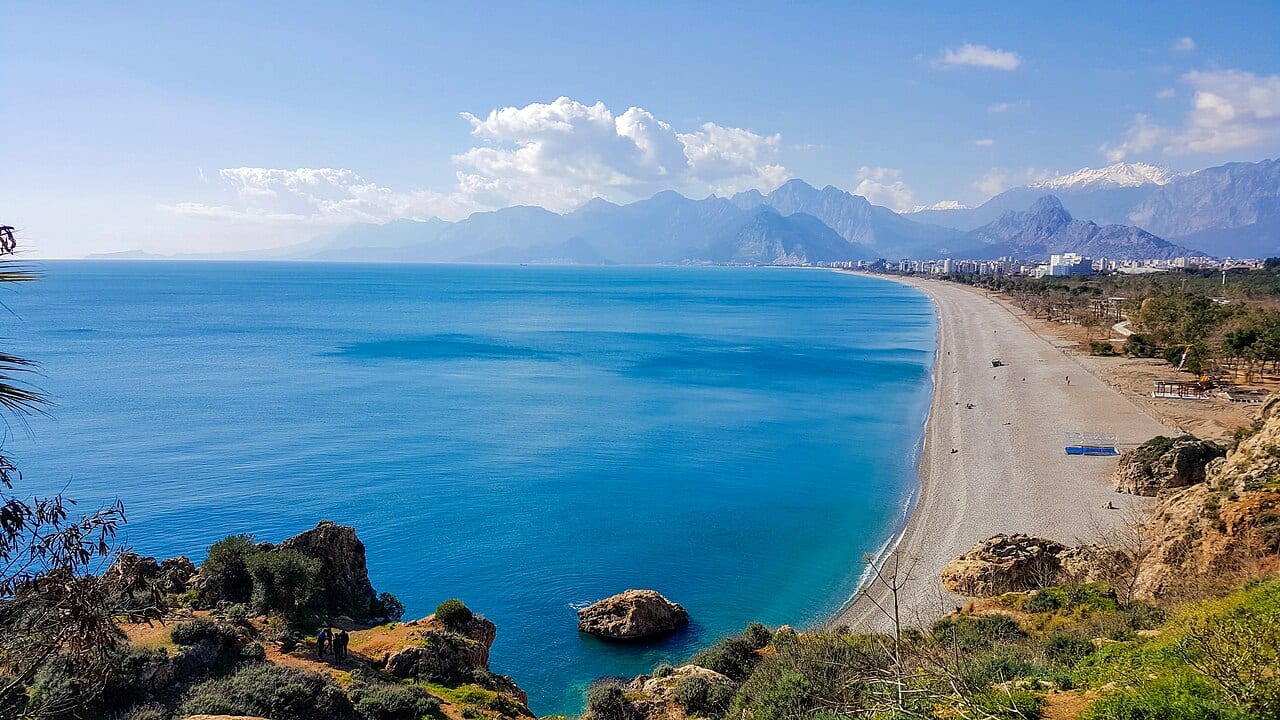
Antalya's two city beaches could not be more different. Konyaaltı, west of the centre, is a seven-kilometre stretch of smooth pebbles backed by the Beydağları mountains, with a promenade of cafés, playgrounds and the Beach Park. The water is clear and deep quickly, which adults love and parents of small children should know. Lara, east of the city, is sand, long and gently shelving, and this is where most of the big resorts are.
Antalya also has a women-only beach at Sarısu on the Konyaaltı side, run by the municipality with no men admitted, a rarity on this coast and worth knowing if that is how you prefer to swim. Further afield, the pine-fringed coves of Phaselis near Kemer and the long beach at Çıralı are a different, wilder kind of day.
Ancient cities for a half day each
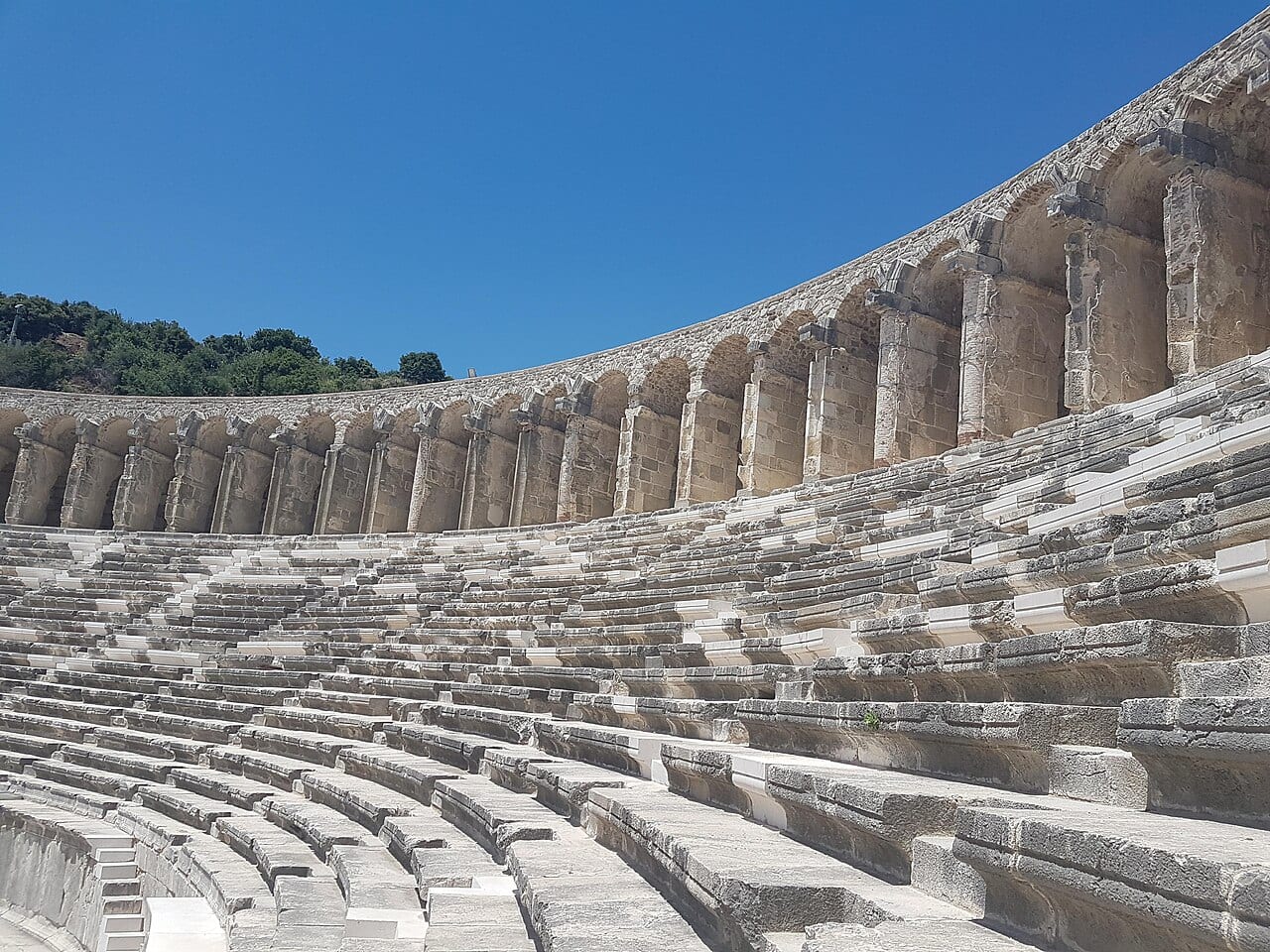
This coast was Pamphylia, and the Romans built generously here. Aspendos, 45 minutes east, has the best-preserved Roman theatre in the world: 15,000 seats, the stage wall still standing, and acoustics you can test by whispering from the orchestra. It still hosts concerts in summer.
Perge, closer to the city, is a vast ruined street grid with a stadium, baths and a colonnaded avenue down which you can walk to the nymphaeum. Side, an hour east, wraps an ancient city around a modern holiday town, with the Temple of Apollo's columns standing on the shore at sunset. Termessos, high in the mountains north-west of the city, is for walkers: an unexcavated city at 1,000 metres with a theatre perched over a gorge. The Antalya Museum in the city holds the statues found at Perge and makes any of these visits make sense; check the current Museum Pass and opening hours on the official site.
Up the mountain
An hour south-west near Kemer, the Olympos cable car climbs Tahtalı mountain to 2,365 metres in about ten minutes. On a clear day you see the whole coast from the top; in winter you can stand in snow at the summit and swim in the sea the same afternoon. Go early, before the clouds build over the peak.
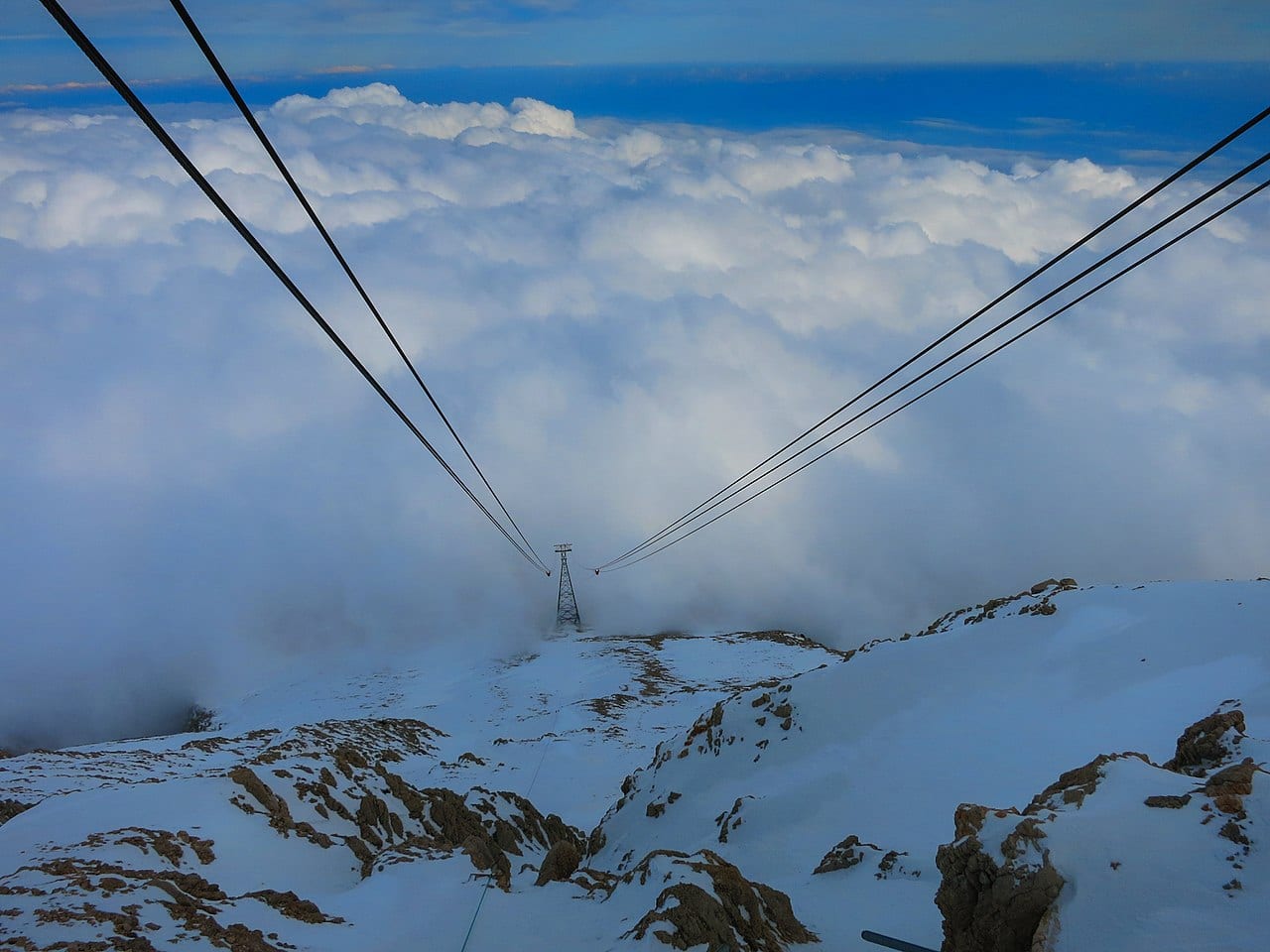
Other days out: rafting the Köprülü Canyon (gentle enough for older children), the sand-sculpture park at Lara, the Antalya Aquarium with its long tunnel, and the theme park at Belek if your kids have earned it.
What to eat
Turkey's food is halal by default, so you can eat anywhere without asking, and Antalya adds a few dishes of its own to the national hits:
- Piyaz, the city's signature: white beans dressed with tahini, garlic, lemon and parsley, topped with a boiled egg. Every Antalyalı has an opinion about who makes the best one.
- Şiş köfte, long grilled skewers of spiced minced meat, served with piyaz and flatbread. The classic Antalya lunch.
- Hibeş, a tahini, cumin and red-pepper dip eaten with bread before the grills arrive.
- Tandır kebab, lamb slow-roasted in a pit oven until it falls apart.
- Gözleme at the waterfall tea gardens: thin dough folded over cheese, spinach or potato and cooked on a domed griddle.
- Pide and lahmacun from a wood-fired oven, cheaper than any resort meal and better.
- Fresh fish at the old harbour or Konyaaltı, grilled simply with rocket and lemon.
- Antalya oranges and their juice, everywhere in winter and spring; the city's symbol for a reason.
- Sweets: künefe hot from the pan, baklava, stretchy dondurma ice cream, and Turkish tea in tulip glasses at every opportunity. Ayran (salted yoghurt drink) with anything grilled.
Breakfast is an event in Turkey. Find a place doing serpme kahvaltı, the spread of cheeses, olives, honey, clotted cream, eggs, jams and bread that takes two hours, and make it your Friday.
Where to stay
Kaleiçi for atmosphere: restored Ottoman houses turned into small hotels with courtyards, walking distance to everything in the old town. Konyaaltı for a city beach holiday with the mountains in view and the tram nearby. Lara for sand and the big family resorts with kids' clubs and water slides. Belek, Side and Kemer are resort towns an hour out, good if you want the pool and the sea and will take a tour or a car into the city for a day. Compare live prices for your dates on our hotels page.
Practical notes
- Prayer: Mosques are everywhere, including beside the beaches and in the resorts' neighbourhoods; the Yivli Minare Mosque and the Murat Paşa Mosque in the old town are both working mosques that welcome visitors between prayers.
- Food: Halal by default across the city and the resorts. Alcohol-free dining is easy; just choose a lokanta or a family restaurant.
- Dress: Antalya is relaxed and used to every kind of visitor. Beachwear belongs on the beach; in the old town and mosques, covered shoulders and knees are the norm.
- Heat: In summer, sightsee before 11 and after 5. Aspendos and Perge have little shade; take water and a hat.
- Getting to the sights: Public buses reach the Upper Düden falls and Lara; the ancient cities are easiest by rental car, organised tour or a negotiated taxi for the day.
A one-week plan
- Day 1: Hadrian's Gate, Kaleiçi lanes, Yivli Minare, sunset at Hıdırlık Tower, dinner at the harbour.
- Day 2: Antalya Museum in the morning, Konyaaltı beach afternoon.
- Day 3: Perge and Aspendos, piyaz and köfte lunch on the way, Lower Düden at sunset.
- Day 4: Upper Düden falls and gözleme, then a harbour boat trip.
- Day 5: Tahtalı cable car and Phaselis coves.
- Day 6: Side, or rafting in Köprülü Canyon.
- Day 7: Long Turkish breakfast, last swim, shopping for olive-oil soap and dried figs.
Our AI trip planner can shape this around your dates, your flights and who is travelling with you, with live prices. The destination page is at Antalya on YallaSafra.
FAQ
Is Antalya good for families?
It may be the easiest family destination in Turkey: sandy Lara beaches, resorts built for children, the aquarium, waterfalls with picnic lawns and a cable car. The old town works with children too if you go early or at dusk.
How many days are enough?
Three for the city and nearby sights; a week if you want beach days and the ancient cities.
Konyaaltı or Lara?
Konyaaltı for scenery, clear water and a city feel. Lara for sand, shallow water and resorts.
Is the sea warm in October?
Yes, usually warmer than in June. Many locals say October is the best month in Antalya.
Is Antalya halal-friendly?
Yes, by default. Food is halal everywhere, mosques are in every neighbourhood, and there is a women-only beach at Sarısu.
Can I do Antalya without a car?
The city, the beaches and the Düden falls, yes, by tram, bus and taxi. For Aspendos, Perge, Side and Tahtalı, take a tour, hire a car for a day or negotiate a taxi.