Cairo does not ease you in. The taxi from the airport will be the loudest hour of your trip, the first person who says "welcome to Egypt, my friend" will probably want to sell you something, and then you turn a corner in the old city at sunset, the call to prayer rolls across a thousand rooftops, and you forgive the place everything. I have been four times now. This is the Cairo travel guide I hand to friends before they go.
First, the basics
- How long: Three full days is the sweet spot for a first visit. Two is rushed, four lets you add Saqqara or a slow Nile evening.
- When: October to April. Summer afternoons sit well above 35°C and the pyramids plateau has no shade. Ramadan is a special time to be here: quieter days, electric nights, but shorter opening hours.
- Money: Egyptian pounds, and you will want cash for taxis, small cafés and tips. Cards work in hotels and bigger restaurants.
- Getting in: Most nationalities can get a visa on arrival or an e-visa in advance. Check the official e-visa portal before you fly, because the rules change.
- Getting around: Uber and Careem are cheap and remove every argument about the fare. The metro is faster than any car during rush hour, costs almost nothing, and has women-only carriages at the front of each train.
The pyramids, done properly
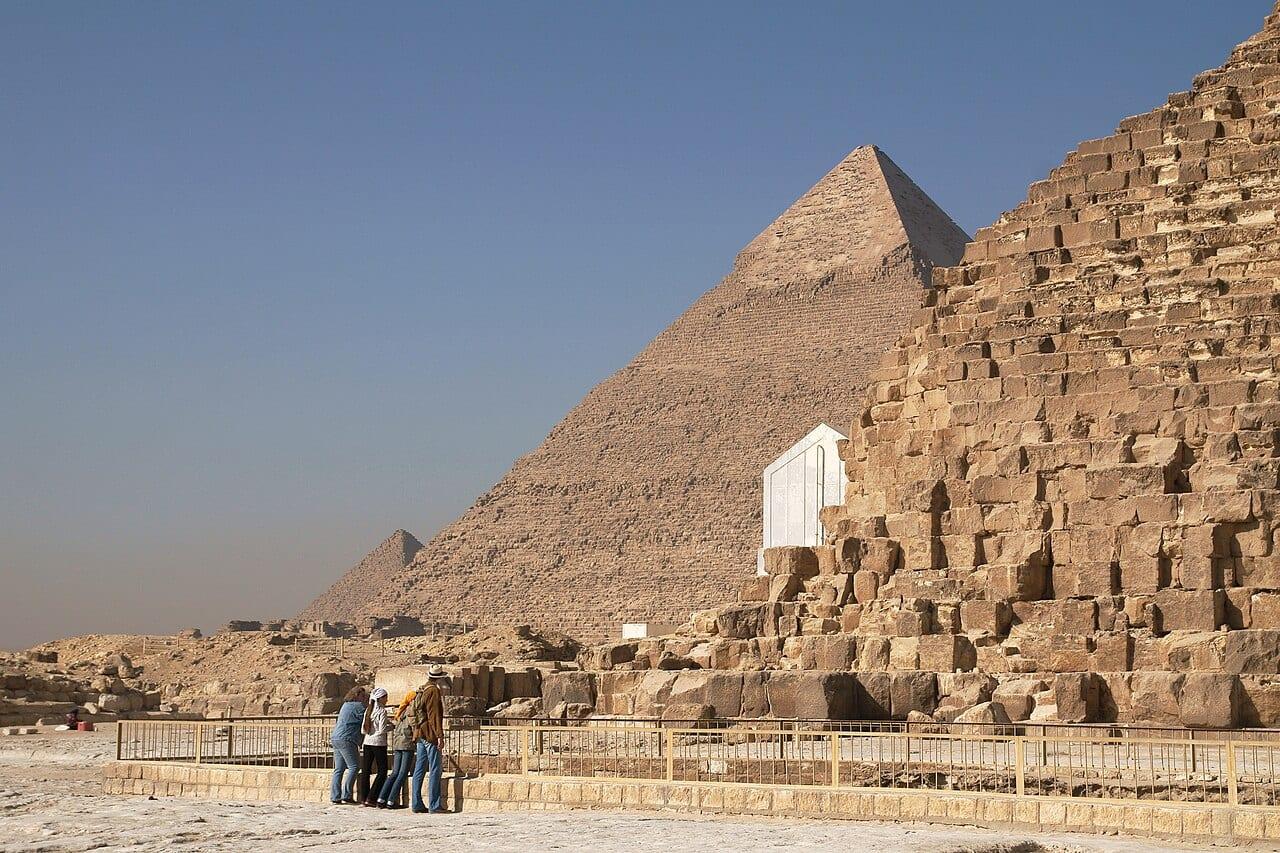
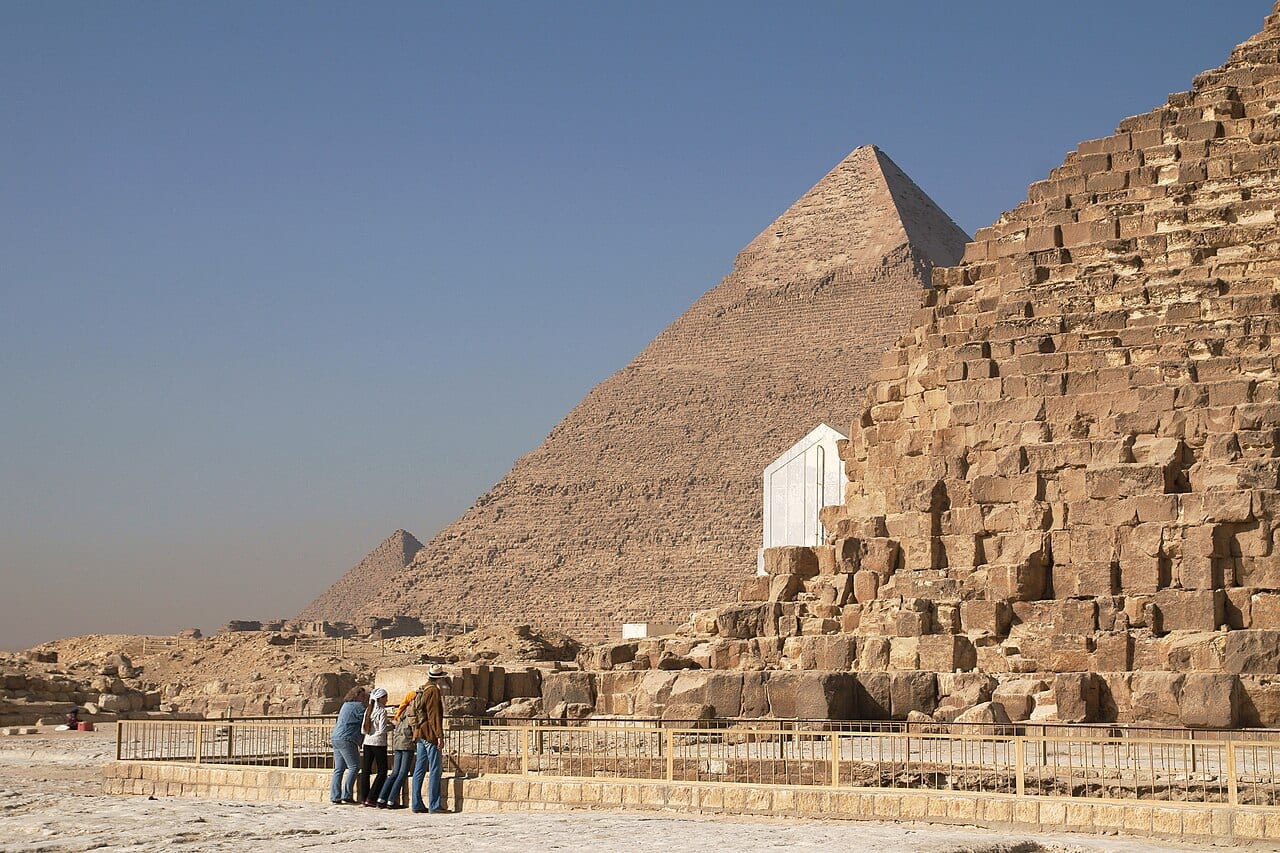
Here is the trick nobody tells you: go at opening time and enter from the Mena House side, not the Sphinx gate. You will have the Great Pyramid almost to yourself for twenty minutes before the coaches arrive, and the morning light hits the stones at a low angle that makes every photo look like a postcard.
Walk the plateau in this order: Khufu's pyramid first (the big one), then Khafre's with its cap of original casing stones, then the panoramic viewpoint behind Menkaure's where all three line up. Finish at the Sphinx, which faces east and is best in the morning anyway. Expect two to three hours on foot. Camel and horse rides are optional; if you want one, agree on the price and the exact route before you climb on, and pay at the end.
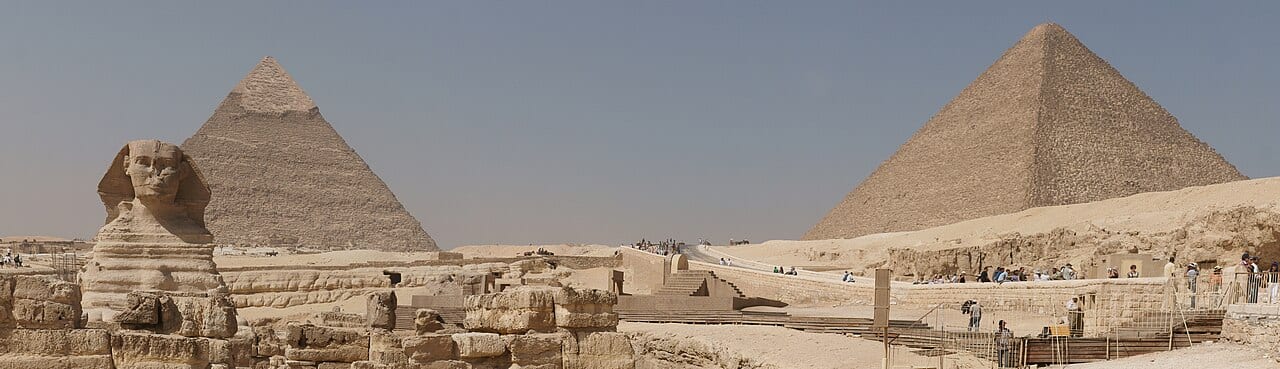
Going inside the Great Pyramid costs extra and means a stooped walk up a narrow, humid passage to an empty granite chamber. I loved it. My mother did not. If anyone in your group dislikes tight spaces, the Khafre or Menkaure interiors are shorter and cheaper, or skip it entirely and spend the money on the museum instead.
Tickets are sold at the official gates and online through the Ministry of Tourism and Antiquities; prices change every year, so check there rather than trusting a blog, including this one.
The Grand Egyptian Museum
Ten minutes from the plateau sits the Grand Egyptian Museum, the building Egypt spent two decades finishing. The atrium alone, with the colossal statue of Ramses II standing under a sky-high roof, is worth the ticket. The galleries walk you through 7,000 years in a way the old Tahrir museum never managed, and Tutankhamun's complete collection is shown together for the first time.
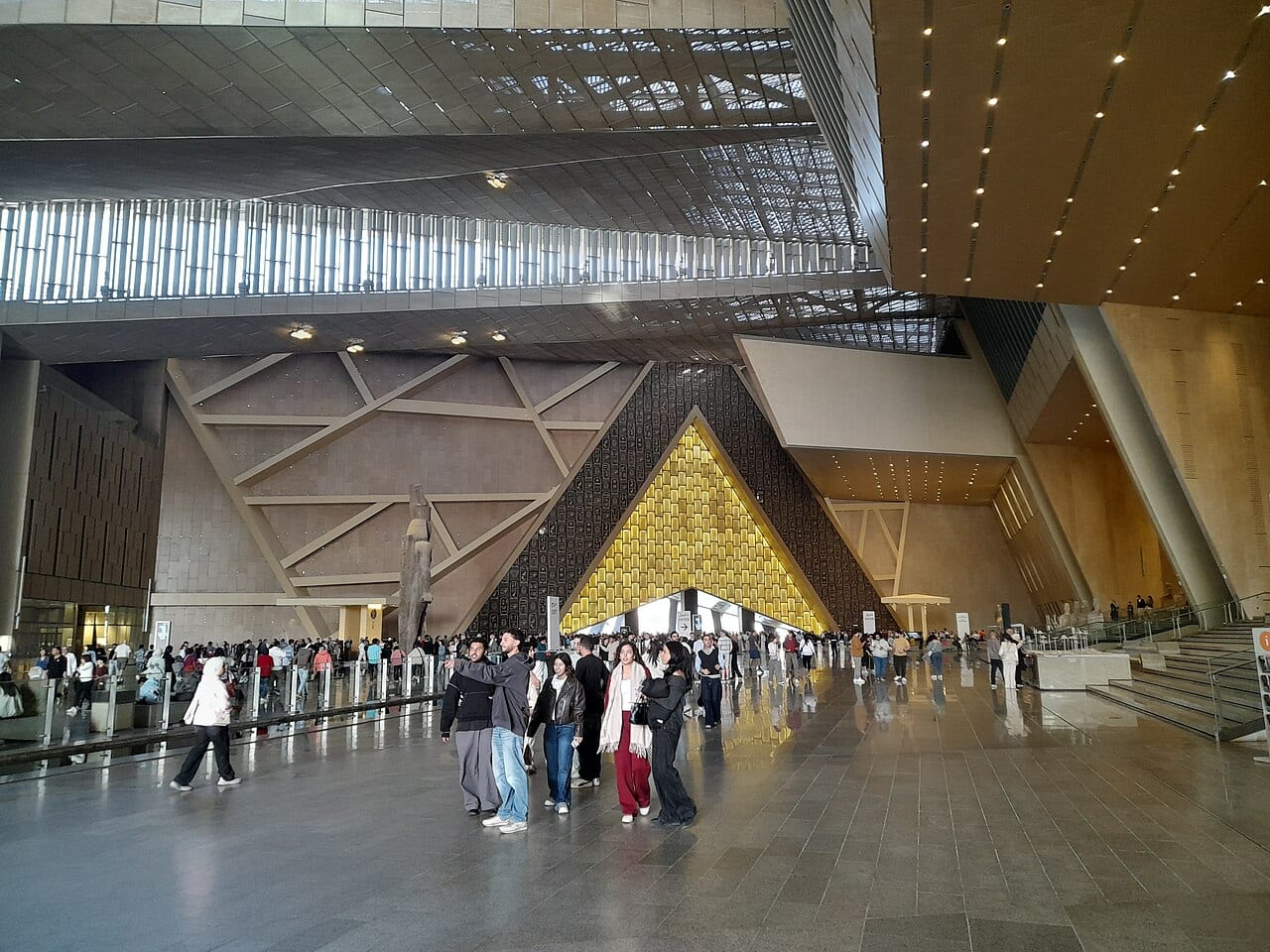
Give it half a day and book a timed slot online. Pair it with the pyramids on the same morning only if you are fit and started early; otherwise do the pyramids one day and the museum the next, with the Giza Zoo or a Nile dinner in between for the kids. The old Egyptian Museum on Tahrir Square is still open and still wonderful for its slightly chaotic charm, so history lovers can do both.
Historic Cairo: the walk that makes the trip
Save one late afternoon and one evening for this. Start at Bab Zuweila, the medieval southern gate, and climb its minaret for the best view in the old city. Then walk north along Al-Muizz Street, which is essentially an open-air museum: Mamluk mosques, sabils (public fountains), carved wooden balconies and the Qalawun complex, all lit beautifully after dark.
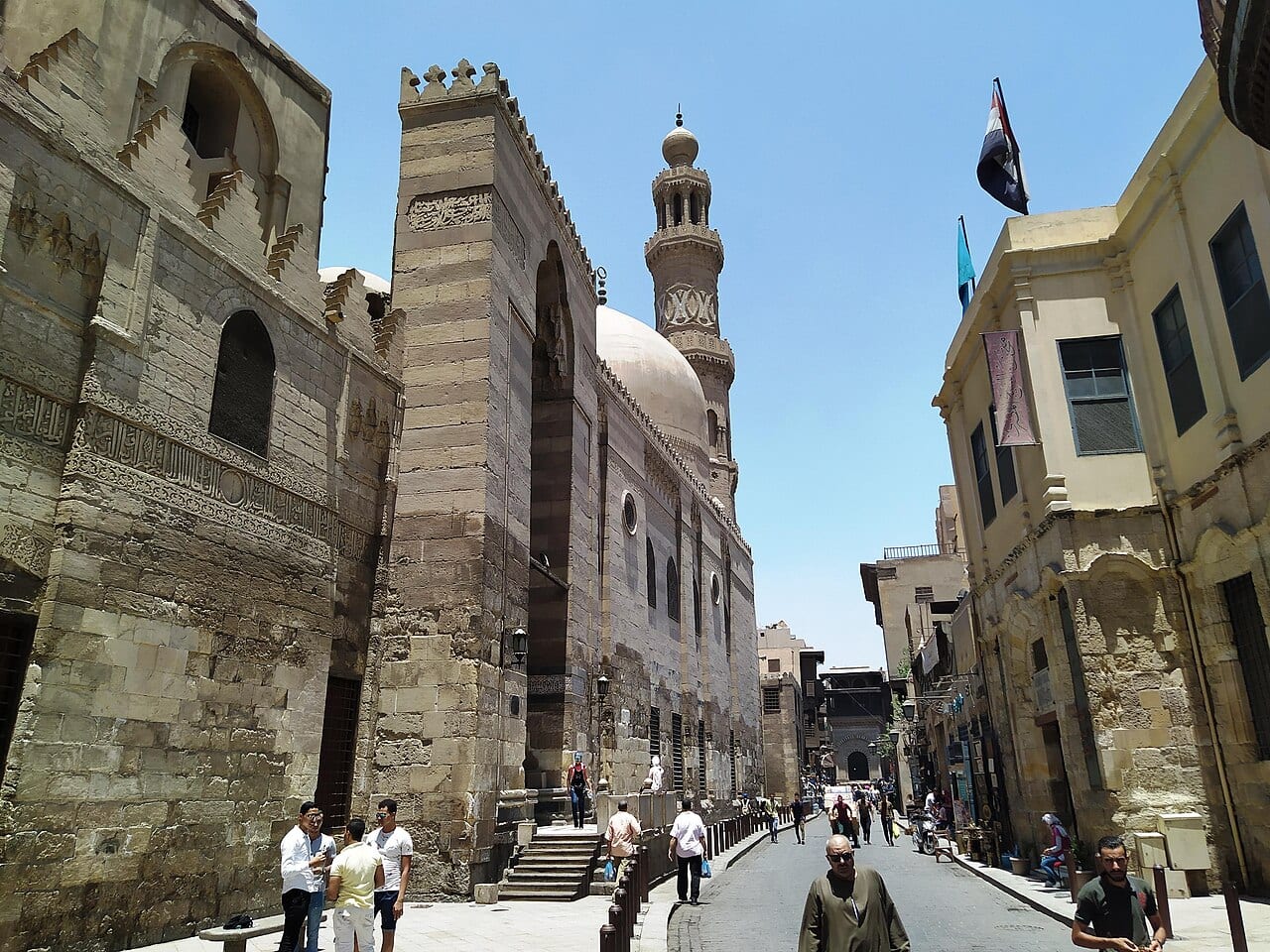
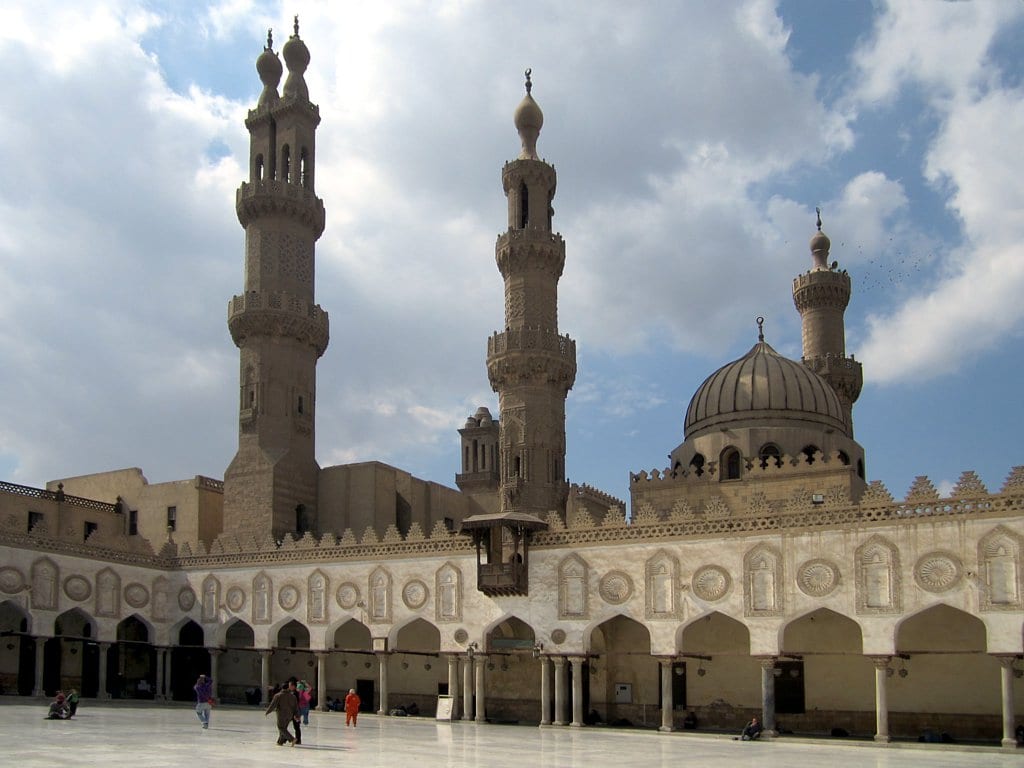
Halfway up, Al-Azhar Mosque has been a place of prayer and learning since the year 970. The marble courtyard is open to respectful visitors outside prayer times; women will be offered a cover-up at the door. Cross the footbridge to Al-Hussein Square and you are at the entrance to Khan el-Khalili.
Khan el-Khalili without the headache
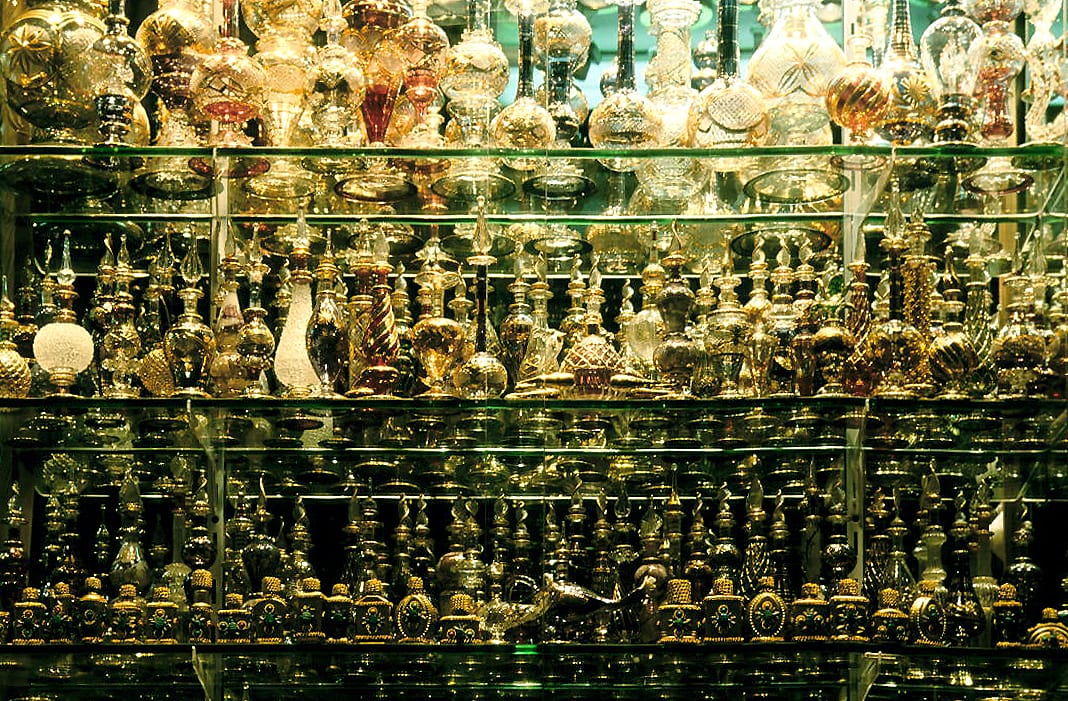
The bazaar is five centuries old and still a working market, not a theme park. The front lanes near Al-Hussein sell the tourist things: lanterns, papyrus, cartouche necklaces, perfume oils. Push deeper and you find the goldsmiths' alley, the copper workshops and the spice sellers where Cairenes actually shop.
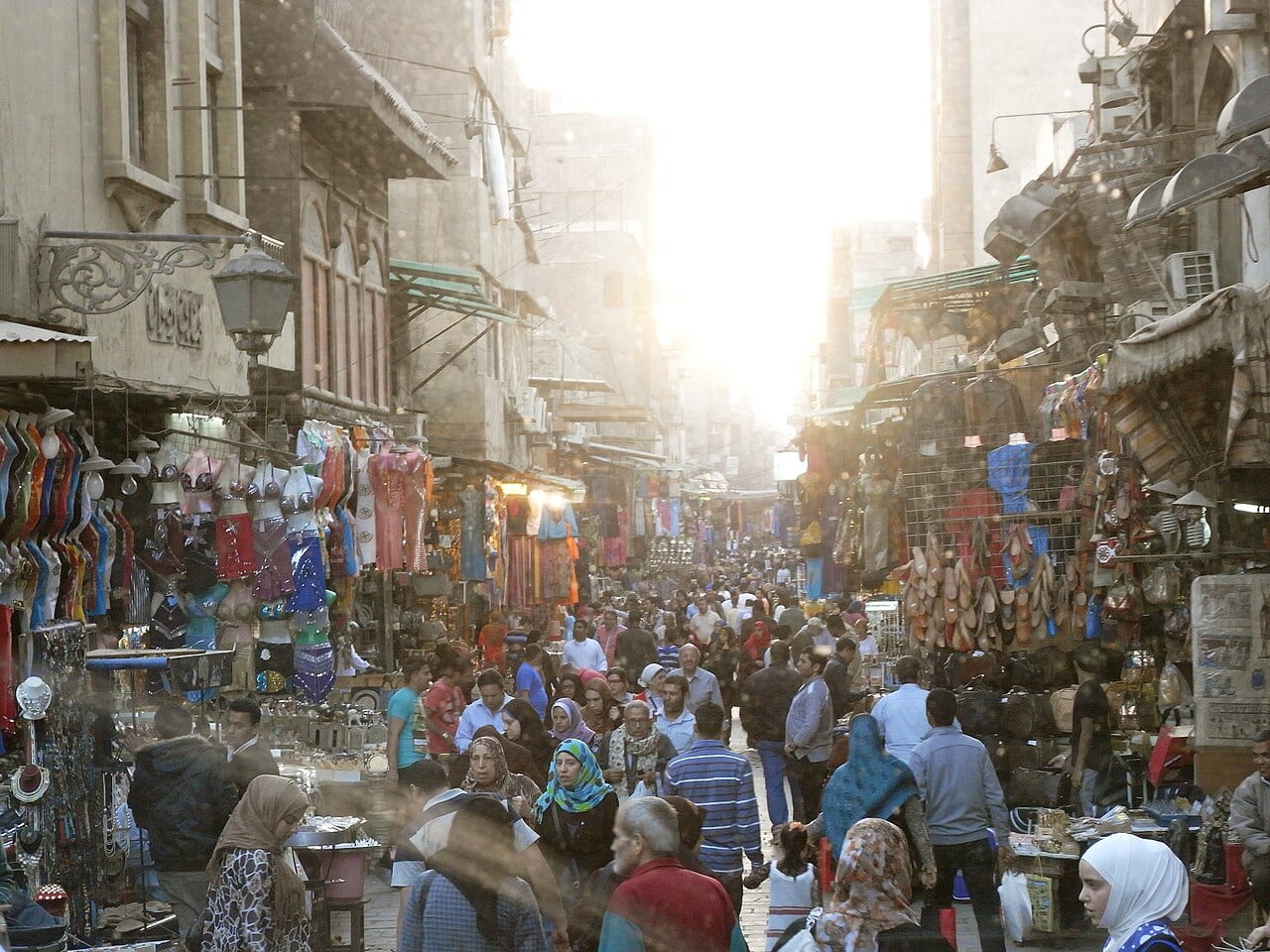
Three rules. Bargain with a smile, start around half the asking price and walk away once; you will usually be called back. Say "la, shukran" (no, thank you) once, firmly, and keep walking; a long explanation only prolongs it. And sit down at least once at El Fishawy, the café that claims not to have closed since 1773, for mint tea or a hibiscus (karkadeh) while the lane flows past.
The Citadel and the mosque district
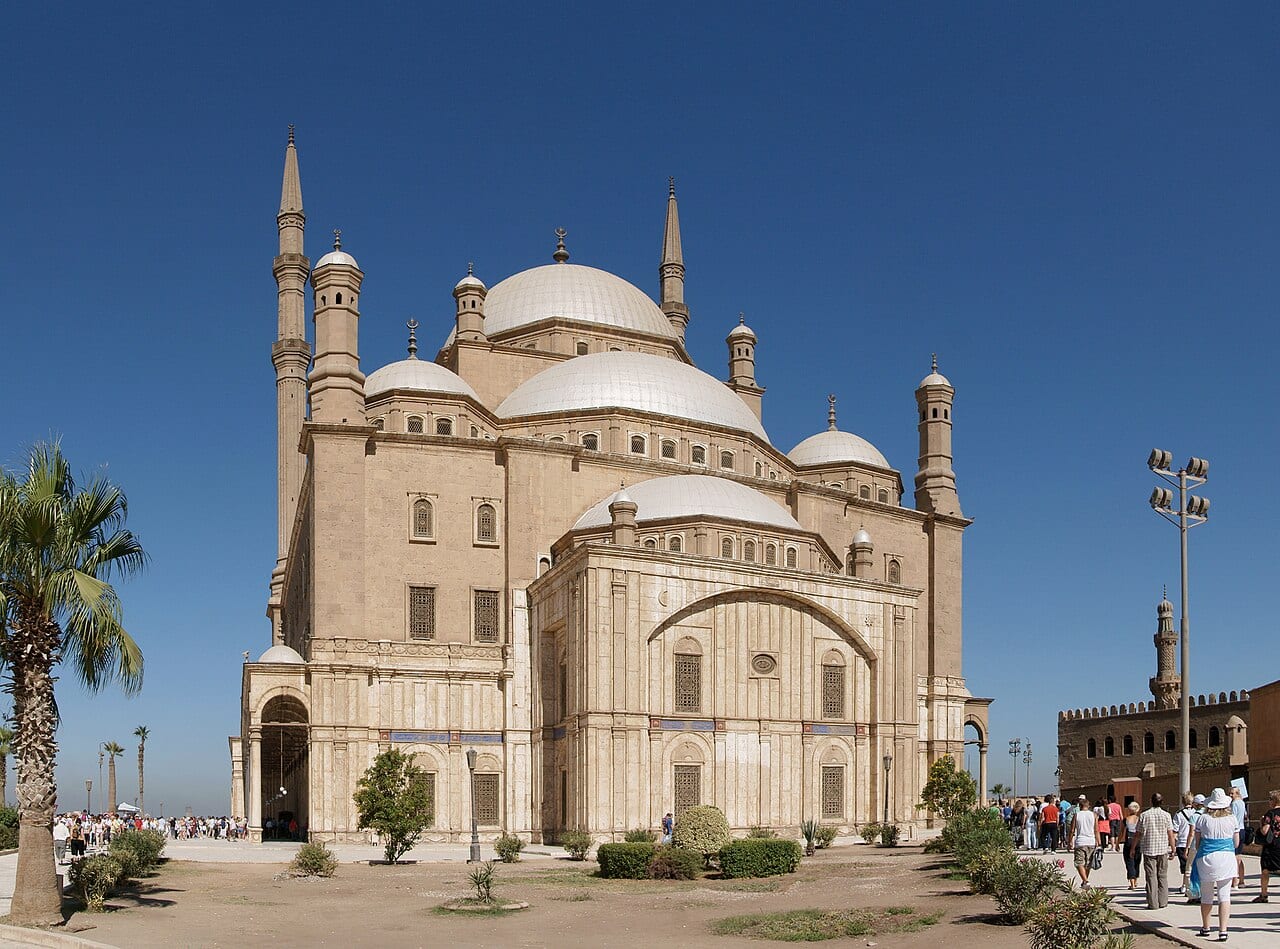
Salah al-Din's citadel sits on a spur of the Muqattam hills, and the Mosque of Muhammad Ali inside it is the alabaster dome you see from every rooftop in Cairo. Go for the view across the whole city to the pyramids on a clear morning, then walk down to the square below where the Sultan Hassan Mosque and the Al-Rifa'i Mosque stand face to face. Sultan Hassan, built in the 1350s, is the one I would take a visitor to if they could only see a single building in Cairo: enormous, plain, and silent inside.
Fifteen minutes away, the Mosque of Ibn Tulun is the oldest in the city still in its original form, with a spiral minaret you can climb. The courtyard is so wide that Cairo's noise simply disappears. Combine all of these in one morning, then lunch nearby.
What to eat
Cairo food is cheap, filling and almost entirely halal by default, so you can eat where the locals eat without checking anything. My short list:
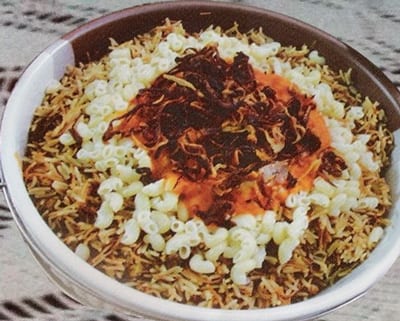
- Koshary, the national comfort food: rice, lentils, macaroni, chickpeas, crispy onions and a garlic-vinegar sauce you pour on yourself. Koshary Abou Tarek downtown is the famous one and deserves it. Ask for extra shatta (chilli) if you like heat.
- Ful and ta'ameya for breakfast: slow-cooked fava beans and Egypt's version of falafel, green inside because it is made from fava, not chickpeas. Any busy street window with a queue is good.
- Feteer meshaltet, a flaky layered pastry that comes savoury (cheese, minced meat) or sweet (honey, cream). Order one of each for the table.
- Hawawshi: spiced minced meat baked inside bread. Street food at its best.
- Molokhia with rice and chicken or rabbit, the green soup Egyptians get homesick for.
- Grilled kofta and kebab from a proper grill house, served with tahina, baba ghanoush and bread straight from the oven.
- Sweets: om ali (warm bread pudding with nuts), konafa and roz bel laban (rice pudding). Drinks: fresh sugarcane juice from a street press, mango juice in season, hot sahlab in winter.
For a treat, the Nile-view restaurants in Zamalek and Garden City are lovely at sunset, and the dinner cruises are fun with children even if the food is average. Egyptians eat late; restaurants are empty at 7 pm and buzzing at 10.
A slow evening on the Nile
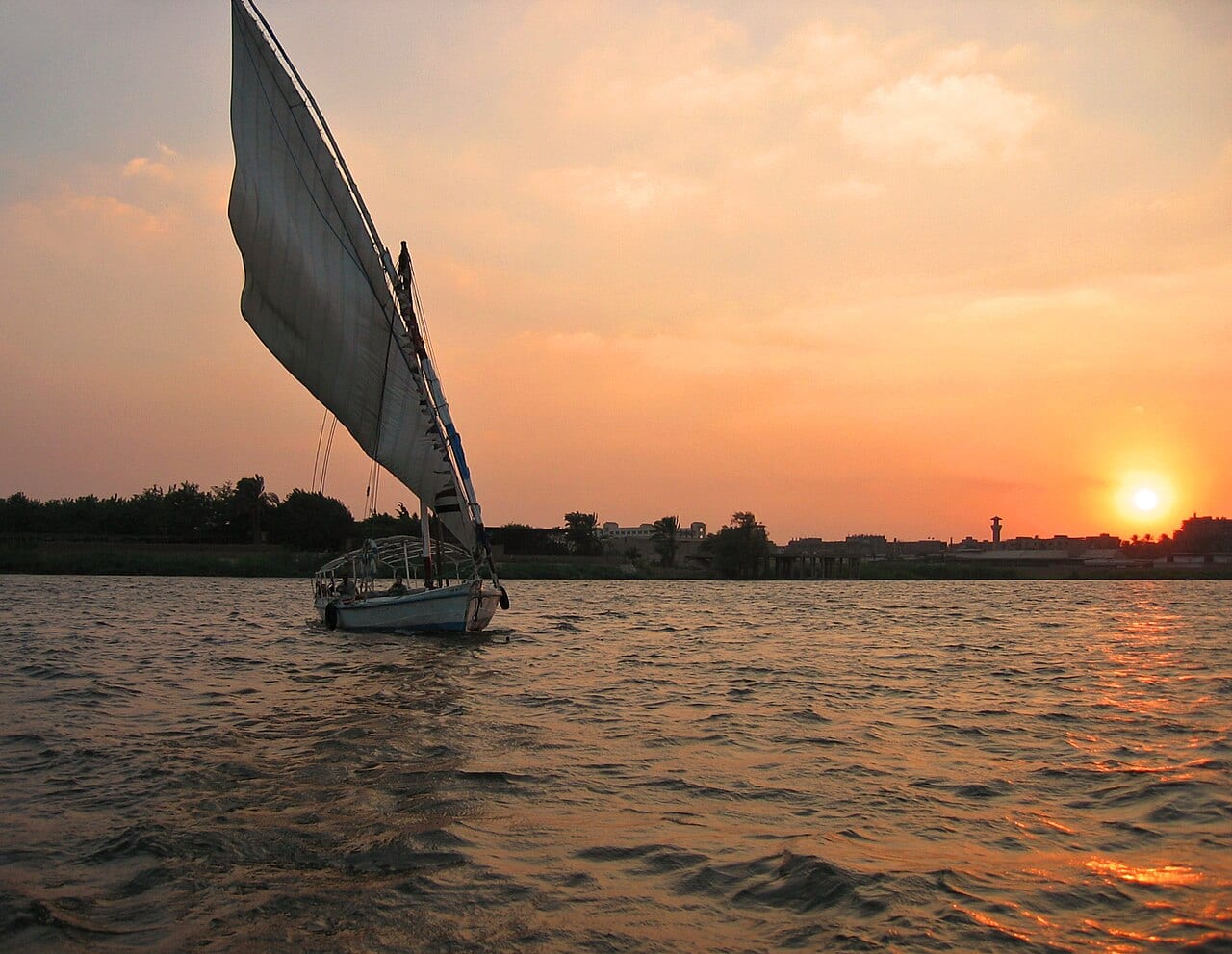
A felucca is a traditional sailboat and the cheapest hour of peace you will buy in Cairo. Boats leave from the corniche in Garden City and near the Four Seasons; agree on the price per hour for the whole boat, bring snacks and go an hour before sunset. No engine, no music unless you ask, just the river and the lights coming on.
Where to stay
Zamalek, the island in the Nile, is leafy, walkable and full of cafés; it is where I would put a family. Downtown and Garden City are central with the grand old hotels on the river. Giza near the pyramids makes sense for one night if you want that sunrise, but it is far from everything else. Historic Cairo has a few charming guesthouses for people who want to wake up to the call to prayer from Al-Azhar. Compare live prices for your dates on our hotels page.
Practical notes everyone asks about
- Dress: Cairo is conservative. Covered shoulders and knees for everyone keeps you comfortable and welcome, especially in the old city. Mosques lend scarves and robes at the door.
- Prayer: There is a mosque within two minutes of wherever you are, and the big historic ones welcome visitors between prayers. Friday midday prayer closes some sights for an hour.
- Food and drink: Nearly everything is halal by default and alcohol-free dining is the norm, so there is nothing to check. Tap water is not for drinking; bottled water is everywhere.
- Tipping (baksheesh): small notes for anyone who helps you, from the man who watches your shoes at a mosque to the guard who shows you a hidden view. Keep a pocket of small change.
- Safety: Cairo is safe for visitors in the usual sense; the problems are traffic and persistent selling, not crime. Cross roads with a local and never trust a green man.
- Day trips: Saqqara with the Step Pyramid of Djoser is quieter and older than Giza and an easy half day; Dahshur's Bent and Red pyramids are emptier still. Alexandria works as a long day by train.
A three-day plan
- Day 1: Pyramids at opening, Grand Egyptian Museum after lunch, felucca at sunset.
- Day 2: Citadel and Sultan Hassan in the morning, Ibn Tulun, late lunch of koshary downtown, then Bab Zuweila to Al-Muizz Street to Khan el-Khalili after dark.
- Day 3: Saqqara and Dahshur, or Coptic Cairo and the Tahrir museum, then dinner in Zamalek.
If you want this shaped around your own dates, departure city and budget, our AI trip planner builds it with live flight and hotel prices. The full destination page is at Cairo on YallaSafra.
FAQ
Is Cairo good for children?
Yes, with pacing. Pyramids early, museum with a snack break, felucca, and a Nile dinner cruise go down well. Skip the old-city walk at night with toddlers; the lanes are crowded and uneven.
How many days do I need?
Three full days for the main sights. Add a fourth for Saqqara or Alexandria.
Can I visit Cairo during Ramadan?
Absolutely, and many people prefer it. Sights open shorter hours, restaurants fill up after sunset, and the old city stays awake until dawn. Eat and drink discreetly in public during fasting hours out of respect.
Do I need a guide at the pyramids?
Not for the plateau itself; a good guidebook or audio guide does the job. A licensed Egyptologist guide is worth it for Saqqara and the museum, where the stories are what make it.
Is it easy to find halal food?
It is the default. Unless a hotel restaurant says otherwise, everything is halal and alcohol-free.
Uber or taxi?
Uber or Careem, always, unless you enjoy negotiating in traffic.