Abu Dhabi is ninety minutes from Dubai and feels like a different country. The capital is wider, greener and slower: a long Corniche where families walk until midnight, islands of museums and beaches, a mosque so beautiful that people who have prayed in a thousand mosques fall quiet in it, and a whole island of theme parks for the children. Many visitors give it a rushed day trip from Dubai. This Abu Dhabi family guide argues for three nights, and shows you how to spend them: the Grand Mosque done properly, Saadiyat and the Louvre, the palaces old and new, Yas Island, the mangroves, and a day in the oasis city of Al Ain. Halal food and prayer are never a question here; what this guide adds is timing, order and the honest costs.
When to go
The pattern is the same as the rest of the Gulf: November to March is glorious (mid-twenties by day, cool evenings on the Corniche), April and October are hot but manageable, and the summer months are for indoor days at the Louvre, the palaces and the Yas parks, with hotel prices at their lowest. Two dates move the market: the Formula 1 weekend at Yas Marina in late autumn fills every hotel on the island, and the Abu Dhabi school holidays push up family-resort prices on Saadiyat. Ramadan is a lovely time to visit the capital: the Grand Mosque hosts one of the largest iftars in the world, and the Corniche stays awake until suhoor.
Getting there and around
Zayed International Airport (AUH) has a new terminal and direct flights from every Gulf and Levant capital; taxis to the city take around half an hour. From Dubai, the E100 and E101 public buses run from Al Ghubaiba and Ibn Battuta to Abu Dhabi's central bus station and are the budget route; a taxi or a hired car does it in about ninety minutes along the E11. Check whether the new inter-city passenger train has opened on your dates, as it is expected to change this. In the city itself distances are long and the sun is strong, so plan on taxis (metered, plentiful, with Careem and Uber too) or a hire car. The public bus network is cheap and clean but slow for sightseeing. Group your days by island: the main island (Corniche, Qasr Al Hosn, Qasr Al Watan), Saadiyat (Louvre, beaches), Yas (parks), and the mainland mosque district. Our AI trip planner will arrange this around prayer times and your hotel if you give it your dates.
The Sheikh Zayed Grand Mosque, done properly
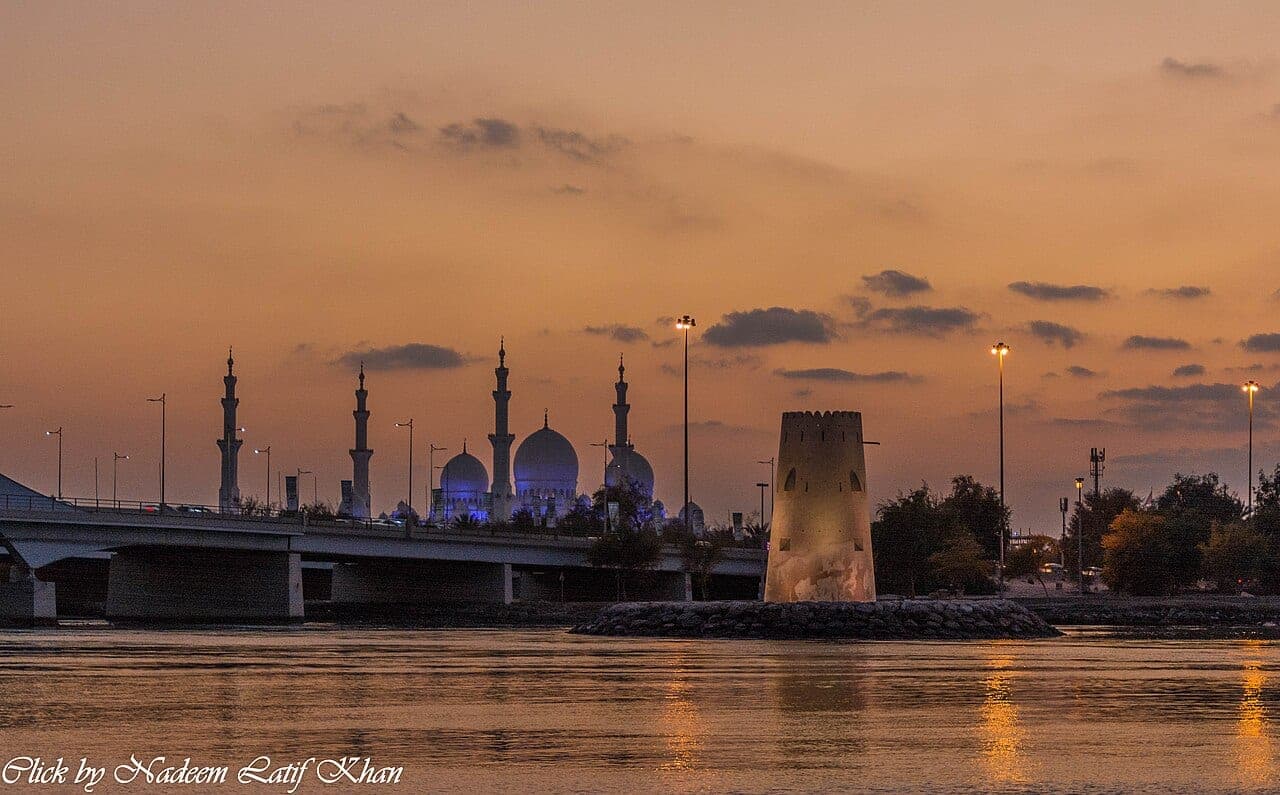
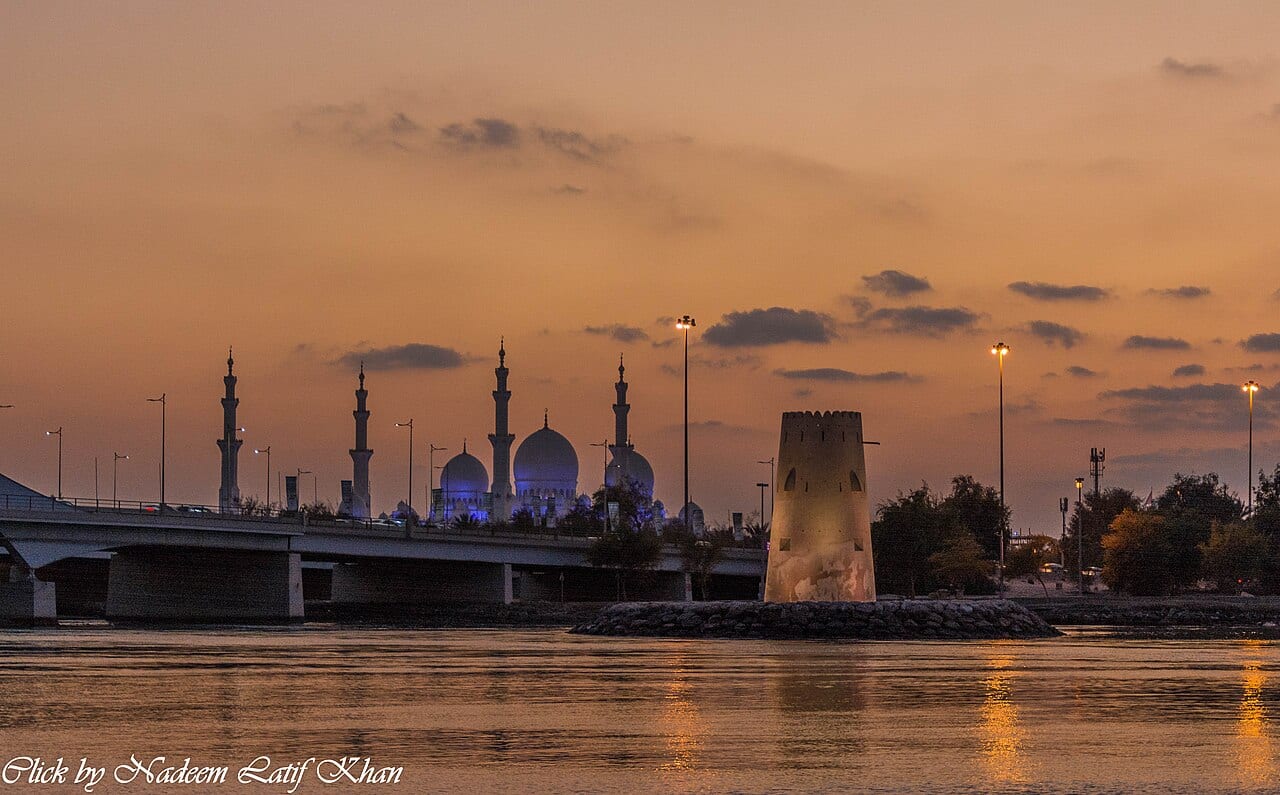
This is the reason many people come. Eighty-two domes, a courtyard of flowered marble, the world's largest hand-knotted carpet, chandeliers that look like they were poured rather than built, and a reflecting pool that doubles everything at dusk. Entry is free; visitors use the underground entrance by the Souq Al Jami' and the mosque asks everyone to register online through the official site, which also lists visiting hours and the days when tourist access pauses for Friday prayer and Eid. Pray asr here, walk the courtyard as the light goes gold, pray maghrib with the congregation and stay until the floodlights come on and the domes turn blue: that is the visit. Dress is modest for everyone and abayas are provided for women who need them. Children are welcome and the marble is cool underfoot; strollers are fine. The Souq underneath has prayer rooms, cafés and a decent bookshop on Islamic art.
Saadiyat: the Louvre and the beaches
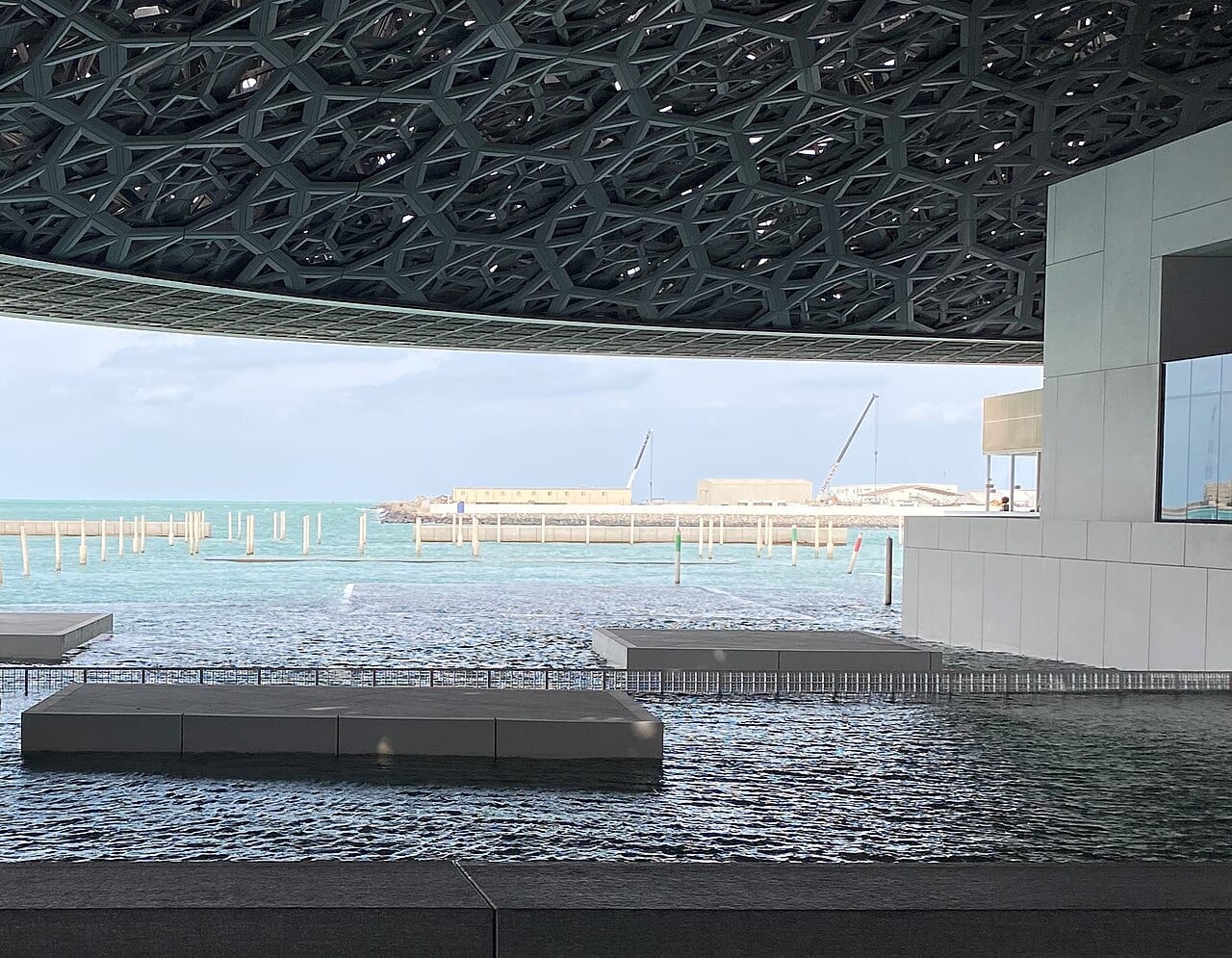
Saadiyat Island is a twenty-minute drive from the Corniche and feels like a resort town with a museum at its heart. The Louvre Abu Dhabi is not a copy of the Paris one: it tells a single chronological story of human culture, so a Qur'an folio sits near a Gothic Bible and a Chinese scroll, and the building itself, a dome of eight layers of perforated steel that scatters light like palm fronds, is the exhibit most children remember. Book tickets on the official site (it closes one day a week; check which), allow two to three hours, and take the free kayak or boat tour around the dome if the water is calm. Saadiyat Public Beach is the best swimming in the capital: white sand, clean water, lifeguards, changing rooms, and a protected dune where hawksbill turtles nest in spring. Modest swimwear is normal, and the family resorts along the beach sell day passes with pools and shade.
Two palaces: Qasr Al Watan and Qasr Al Hosn
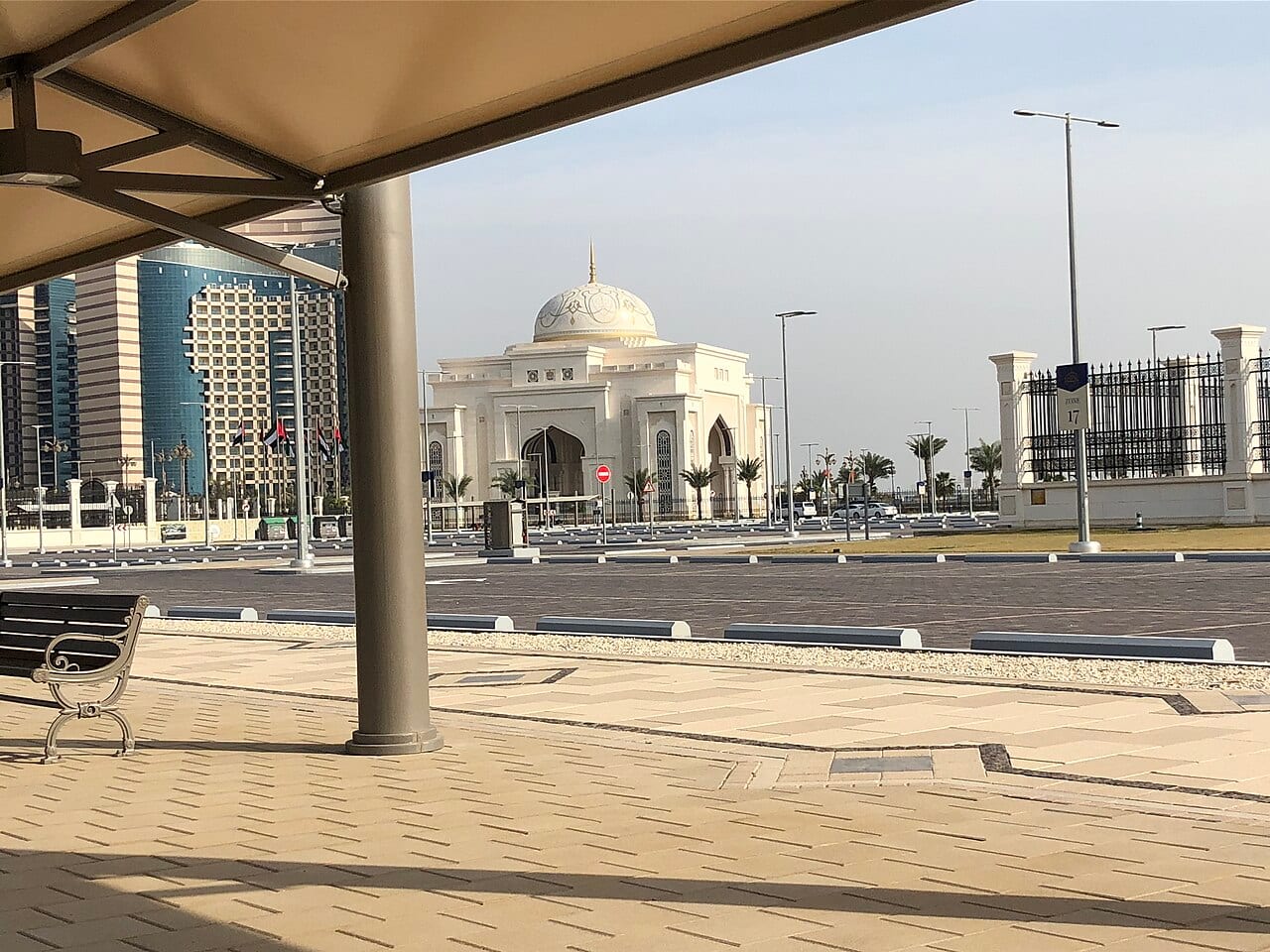
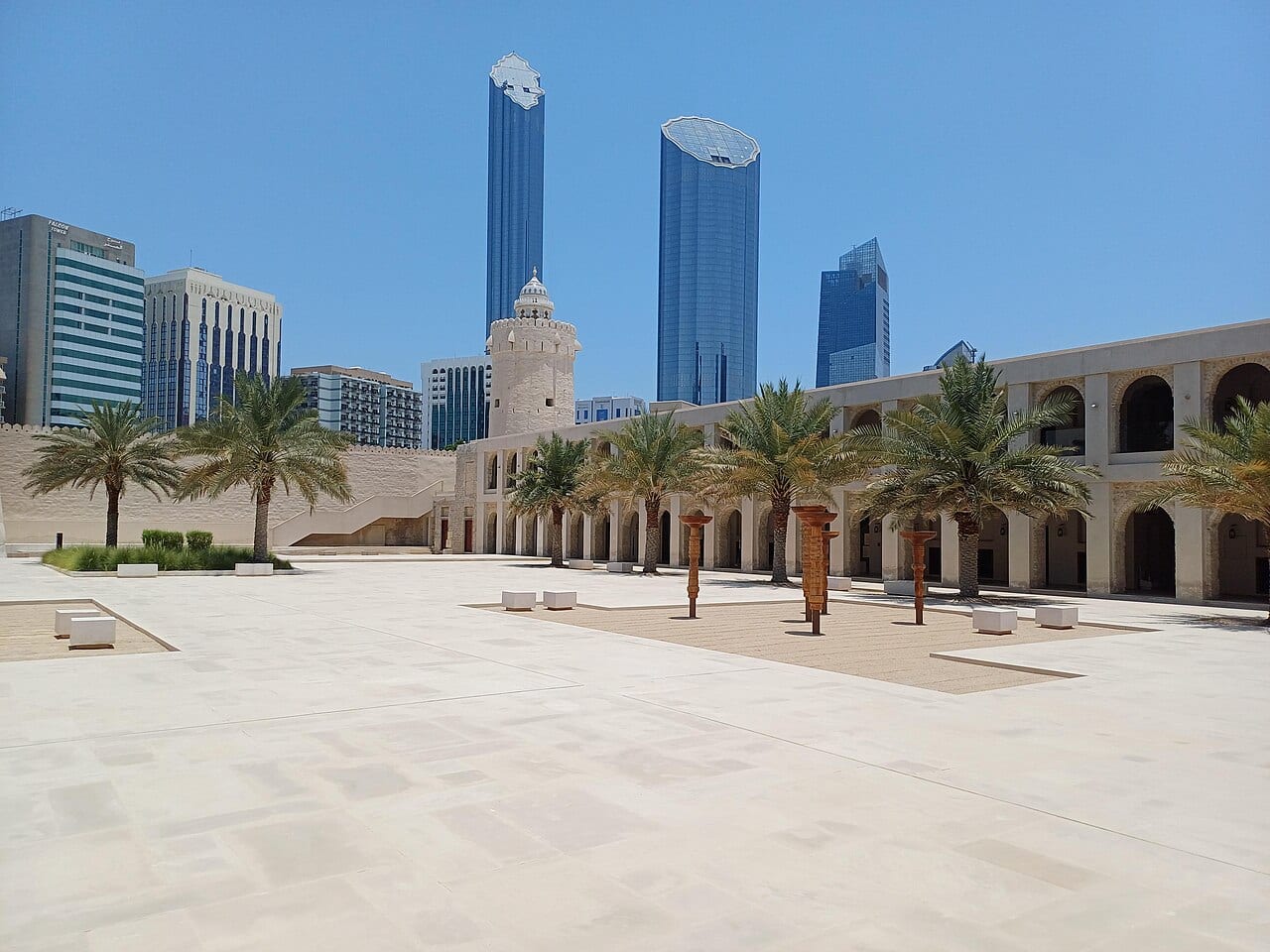
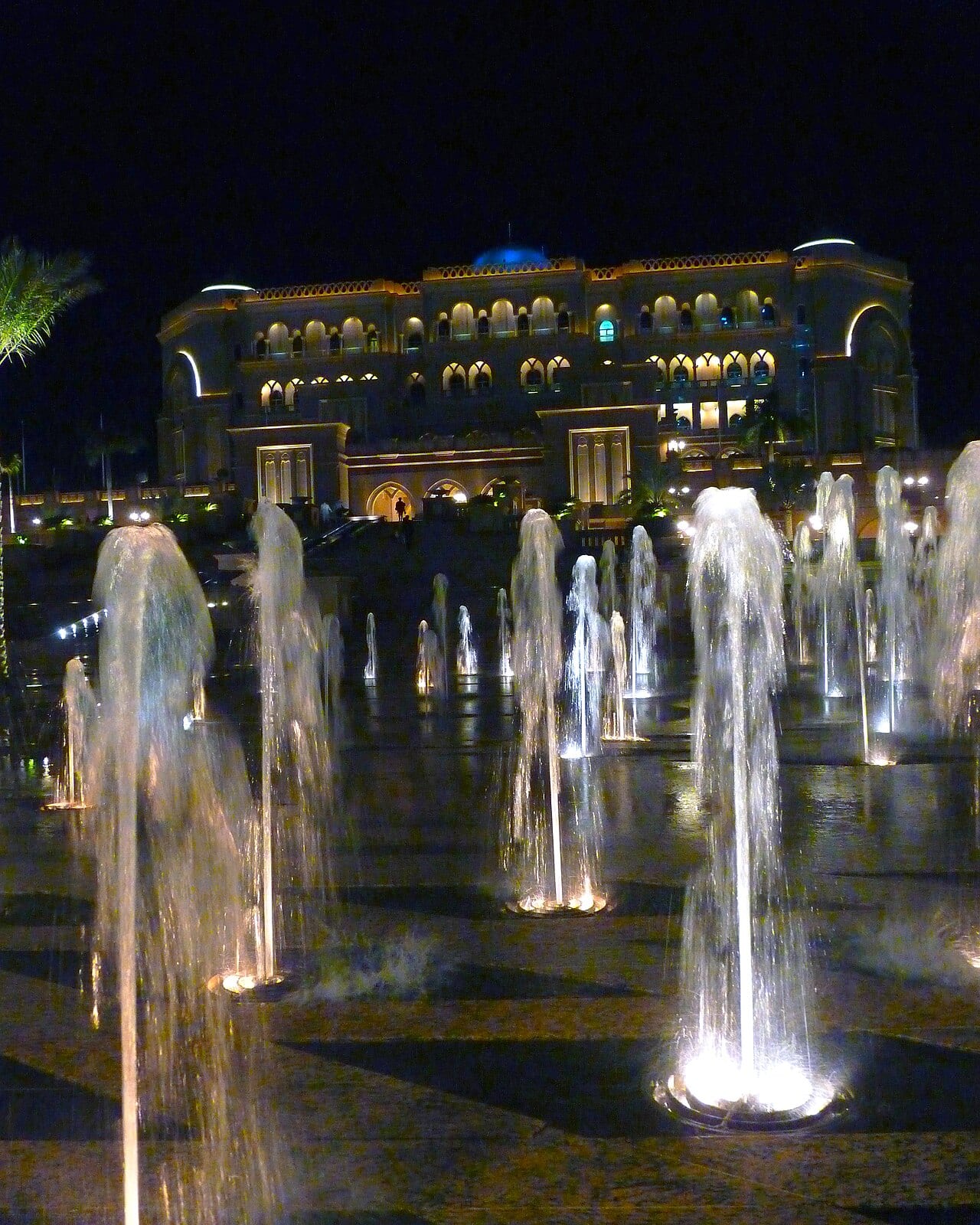
Qasr Al Watan is the working presidential palace, opened to the public in 2019. The great hall under a 37-metre dome, the House of Knowledge with historic Qur'an manuscripts, the Spirit of Collaboration hall where Gulf summits sit, and the gifts gallery are a genuinely interesting hour and a half, and the gardens host a light show on the facade after dark in the cooler months; tickets are on the official site. Across town, Qasr Al Hosn is the opposite in scale and mood: the coral-and-limestone watchtower from the 1790s that was the first building of Abu Dhabi, restored as a quiet museum of the city's story, from pearling and Bedouin life to the oil decades. The House of Artisans next door shows sadu weaving and khoos palm braiding, and the cultural foundation across the square has a library and children's workshops. Visit Al Hosn first and Al Watan second; the contrast is the point.
The Corniche and the Heritage Village
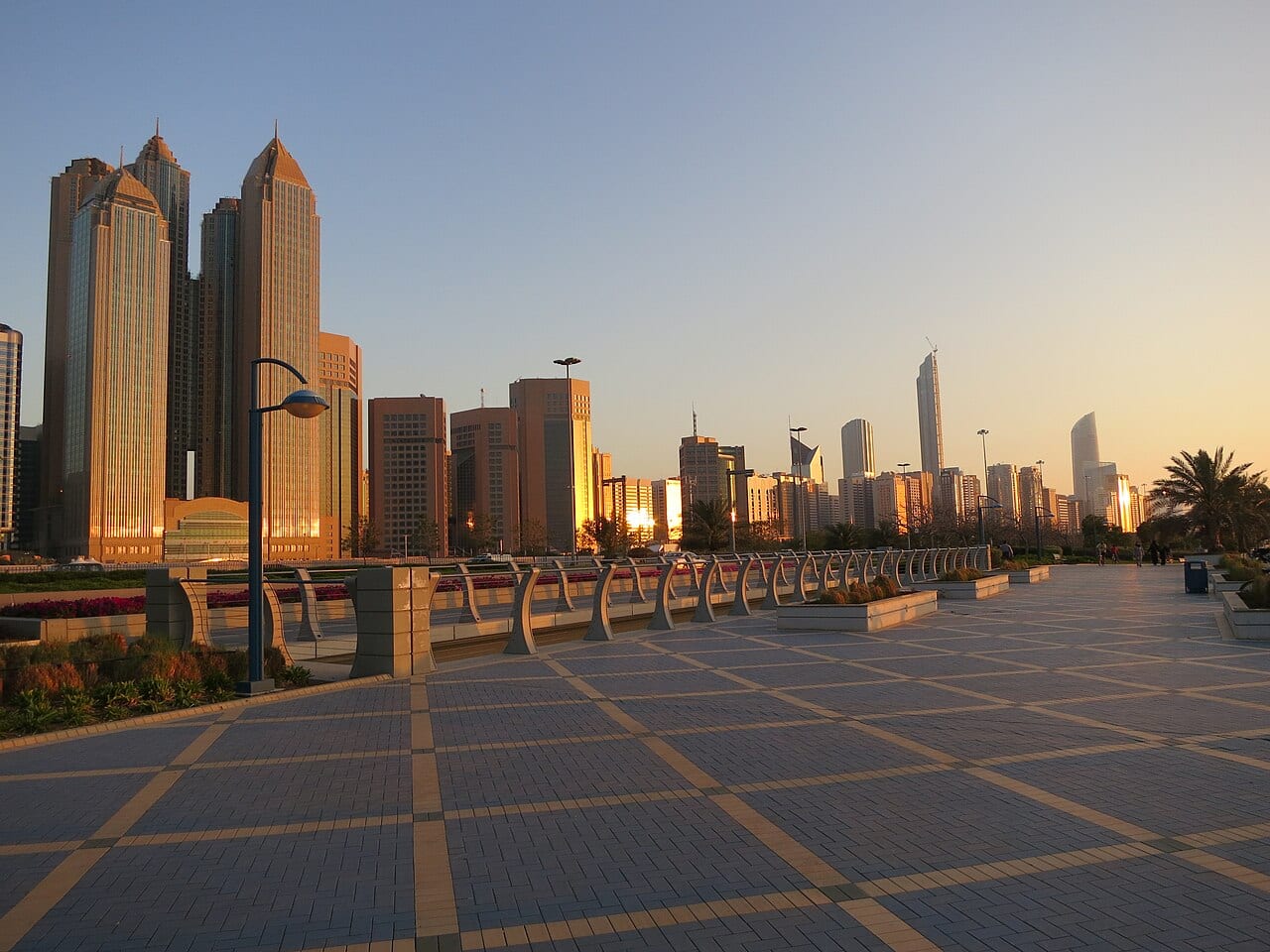
The Corniche is eight kilometres of seaside promenade with cycle lanes, lawns, playgrounds and a long public beach with a family section. In winter, Abu Dhabi lives here from asr until late: bicycles for hire, ice-cream stands, grilled corn, fathers teaching children to ride. Pray maghrib at one of the mosques a block inland, then walk west to the Marina Mall end, where the Heritage Village recreates a Bedouin camp, a souq and workshops where craftsmen still work; it is free and quietly charming, and the view back across the water to the skyline is the city's classic photograph. The breakwater beside it has a small beach and the best sunset bench in the city.
Yas Island: a full day for the children
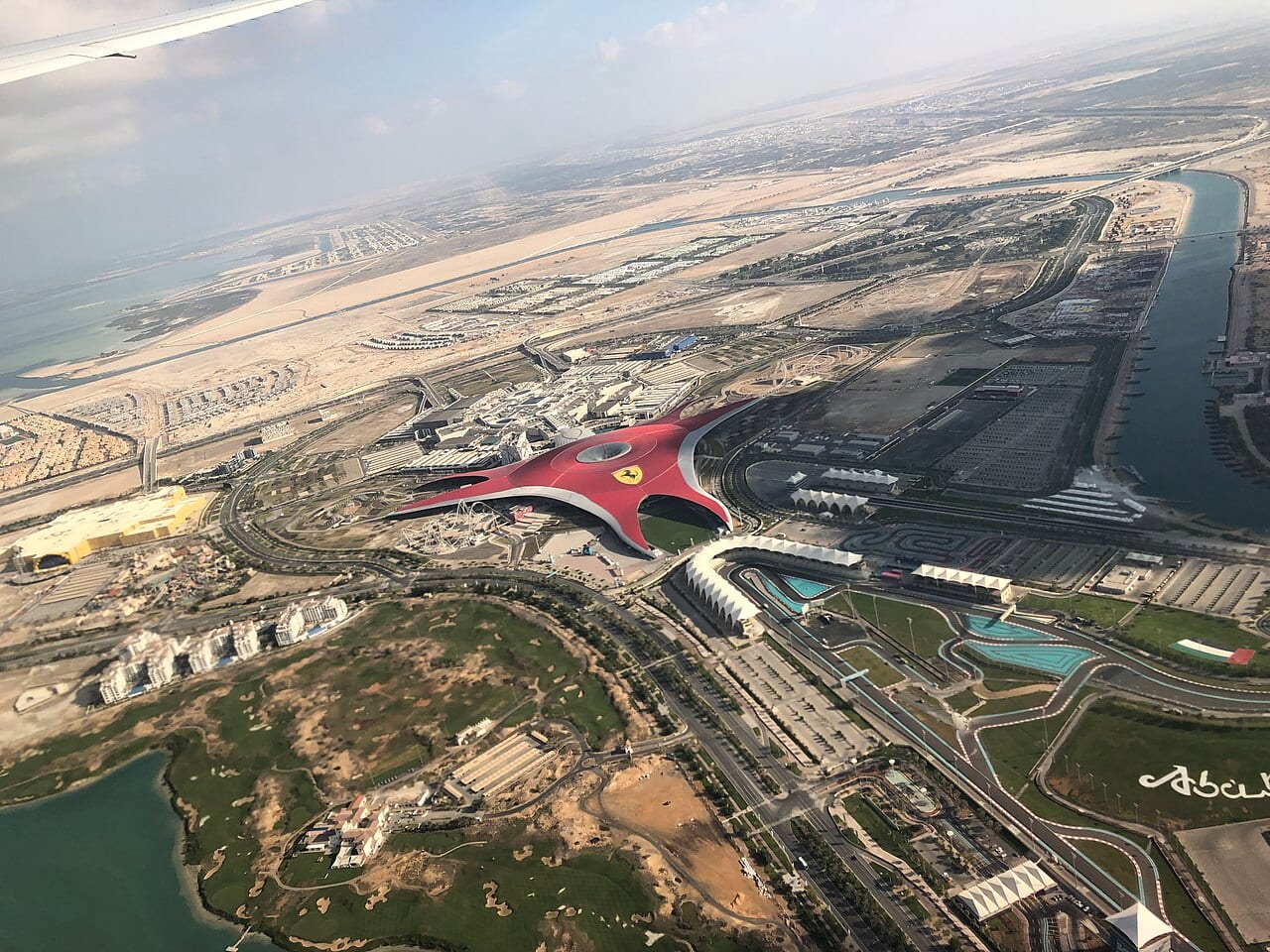
Yas is the theme-park island, twenty-five minutes from the city centre and ten from the airport. Ferrari World holds Formula Rossa, the fastest roller coaster in the world, plus gentle rides for small children under one red roof. Warner Bros. World is entirely indoors (perfect in summer), Yas Waterworld is the water park, and SeaWorld Abu Dhabi is the newest, built around a giant aquarium and a research centre. Each park is a full day; multi-park passes bought online in advance are far cheaper than gate prices, and every park has prayer rooms, nursing rooms and halal food courts. Between parks there is Yas Mall, a public beach with calm water, and the Yas Marina Circuit, where you can walk or cycle the Formula 1 track on open evenings for free. Hotels on Yas are good value outside race week and let you do two park days without the drive.
Mangroves, kayaks and quiet water
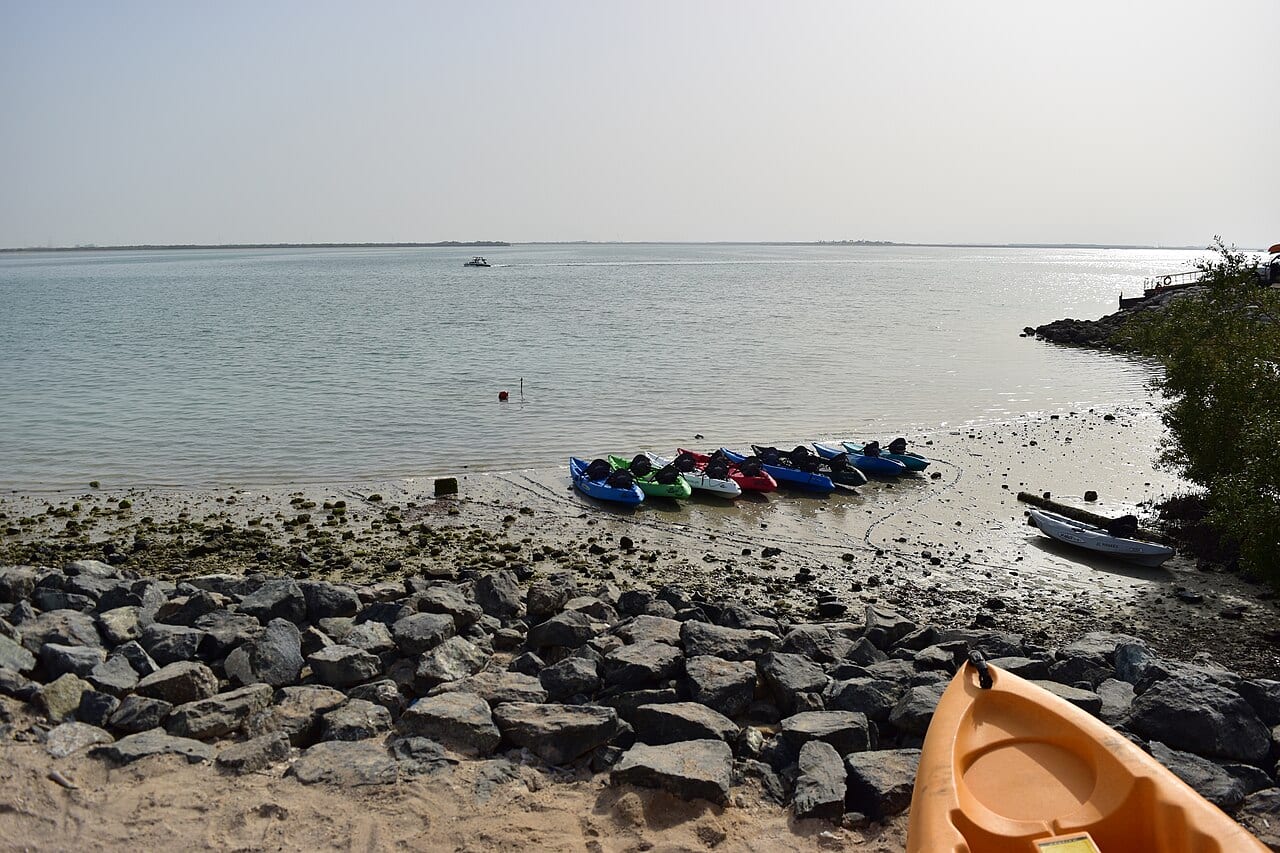
Abu Dhabi's surprise is green. The city sits among mangrove channels, and the Jubail Mangrove Park on Al Jubail Island has a two-kilometre boardwalk through the trees, with herons, crabs and, if you are lucky, a turtle, for a modest ticket; it is wonderful at sunrise and after asr. The Eastern Mangroves on the city side are where families go kayaking: guided paddles of about two hours through the channels, calm enough for children from about six, best at high tide. Choose a late-afternoon slot so you finish near maghrib and pray at the mosque by the promenade.
A day in Al Ain, the garden city
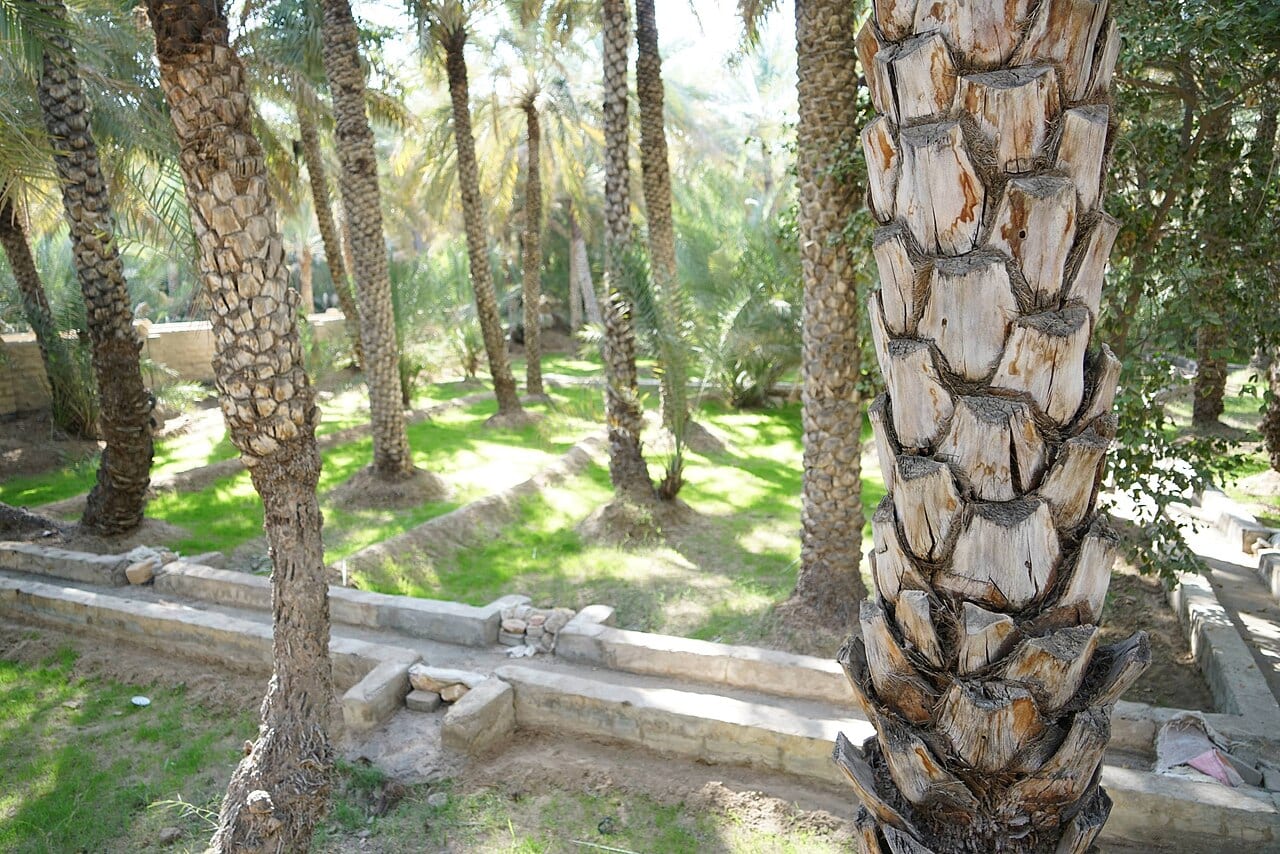
Ninety minutes inland, Al Ain is the UAE's oasis city and a UNESCO World Heritage site. The Al Ain Oasis is three thousand acres of date palms watered by ancient falaj channels, with shaded walking paths that are cool even in October and free to enter. Add the Al Jahili Fort, a photogenic mud-brick fort with an exhibition on the explorer Wilfred Thesiger, the Al Ain Zoo with its desert safari, and the drive up Jebel Hafeet, a mountain road with views across to Oman and hot springs at the bottom. The camel market early in the morning is one of the last of its kind. It is an easy day trip by car; buses from Abu Dhabi are slower but cheap.
Where to pray and what to eat
Prayer in Abu Dhabi is as easy as anywhere in the Gulf: mosques on every few streets, prayer rooms in every mall and park, the adhan audible across the Corniche. The Grand Mosque itself is a destination for every prayer, and the mosques on Saadiyat and Yas are new and spacious.
Food is halal by default (pork, where sold, is in separate sections for non-Muslims). Emirati cooking is easier to find here than in Dubai: look for Meylas, a family-run Emirati kitchen known for machboos and balaleet, and Al Mrzab for traditional breakfasts and harees. The city's Lebanese restaurants are famous across the Gulf; Lebanese Flower in Khalidiya has fed generations with shawarma, mixed grills and fattoush at honest prices. Along Hamdan and Electra streets, Indian, Pakistani and Filipino canteens serve big meals for a few dirhams, and the Mina fish market by the port will grill your chosen fish on the spot. Karak chai from a cafeteria window is the national drink here too. Check opening hours before you go, as family restaurants in the capital often close between lunch and dinner.
A three-day plan
- Day one, the heart. Qasr Al Hosn and the House of Artisans in the morning, lunch on Hamdan Street, Qasr Al Watan after dhuhr, then the Grand Mosque from asr through maghrib and the blue hour. Dinner at an Emirati restaurant.
- Day two, Saadiyat. Louvre Abu Dhabi when it opens, lunch on the island, a swim at Saadiyat Public Beach in the late afternoon, maghrib at the island mosque, then the Corniche and the Heritage Village after dark, with ice cream on the breakwater.
- Day three, Yas or Al Ain. With children under twelve, a full day at one of the Yas parks (book the pass online the night before). With older children or no children, drive to Al Ain for the oasis, the fort and Jebel Hafeet, and return for a mangrove kayak at sunset the next morning if you have a fourth day.
Family tips
- The Grand Mosque is the one place to dress fully modest: long sleeves, ankle-length and a headscarf for women, long trousers for men. Abayas are lent at the entrance, but your own is more comfortable.
- Book the Louvre, Qasr Al Watan and the Yas parks online; the Grand Mosque's registration is free but required.
- Strollers work everywhere, including the mosque courtyard and the Louvre; the Corniche is flat and shaded in parts.
- Carry water and hats even in winter; the sun is strong at noon and distances between sights are long.
- Taxis are the easiest transport with children; ask for a car seat when you book through the app.
What it costs, honestly
The best things in Abu Dhabi are free: the Grand Mosque, the Corniche and its beach, the Heritage Village, the Al Ain Oasis and the Yas Marina Circuit's open evenings. Museums and palaces are mid-priced tickets; the theme parks are the real spend, so pick one park per visit unless the children are old enough to want all of them. Hotels are cheaper than Dubai's for the same standard, and Yas Island and the Corniche's older towers have good family rooms outside race week. Compare live rates on our hotels page, flights on the flight search, and if you are combining the two cities read our Dubai first-time guide and the Dubai destination page.
FAQ
Can we do Abu Dhabi as a day trip from Dubai?
You can see the Grand Mosque and the Louvre in a long day, but you will miss the Corniche at night, Saadiyat's beach and the mangroves. Two nights is the honest minimum; three is comfortable.
Is the Grand Mosque open to non-Muslim visitors?
Yes, outside prayer times, with free registration and modest dress. It is one of the most welcoming great mosques in the world for visitors of any faith.
Which Yas park for small children?
Warner Bros. World, which is indoors, gentle and themed on characters they know. Ferrari World is better from about eight upwards; Yas Waterworld suits everyone who can swim.
Is Al Ain worth the drive?
If you have three days or more, yes: it is the greenest, most traditional corner of the Emirates and the oasis walk is unlike anything in the coastal cities.
What about alcohol-free dining?
Almost every restaurant outside hotels is alcohol-free, and many hotel restaurants in the capital are too; ask when booking if it matters to your group.