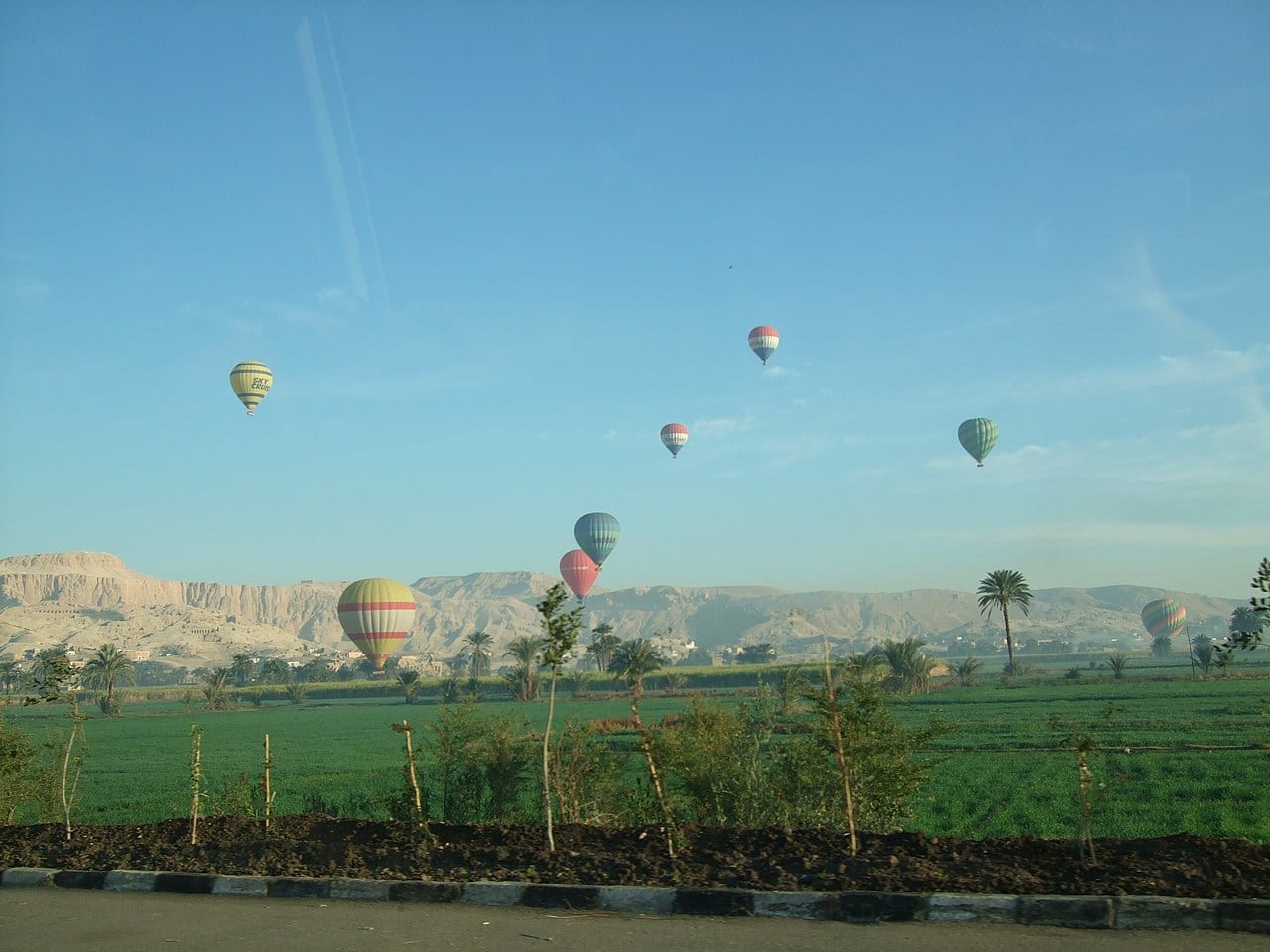
At six in the morning on Luxor's West Bank the air is still cool, a man on a donkey cart is carrying sugarcane past the Colossi of Memnon, and above the fields a dozen hot-air balloons hang over the cliffs where the pharaohs hid their tombs. By nine you are inside one of those tombs, looking at colours painted more than three thousand years ago that still look wet. Luxor is not a city you see in a day; it is a city that rewards getting up early, resting through the heat and going out again at golden hour. This Luxor guide tells you which bank to sleep on, how to pace the temples and tombs, where the Nile fits in, and how to do it all comfortably with children or grandparents.
When to go
Luxor is in the desert of Upper Egypt, and the heat decides everything. Long-term averages give daily highs of about 23°C in January, 25°C in February and 30°C in March, then 35–41°C from April to October, peaking at 41°C in June, July and August. Winter nights are cold, around 7–9°C in December and January, so pack a warm layer for balloon mornings.
- November: highs around 29°C and nights near 13°C. This is the start of the best season, and an excellent fit for the Saudi school break (20–28 November 2026): warm days, comfortable evenings and the full programme of sites.
- December to February: peak season with perfect sightseeing weather and the busiest tombs. Book hotels and Nile cruises early around the winter holidays.
- March: warming up but still very good; start early.
- April to October: very hot. Doable if you sightsee from dawn to late morning and again after four in the afternoon, and many hotels are much quieter.
Getting there
Luxor International Airport (LXR) is about a twenty-minute drive east of town. A few direct flights connect Luxor with Saudi Arabia and the Gulf, some of them seasonal, but most travellers fly into Cairo and take the domestic flight to Luxor, which is around an hour. Start with the Cairo legs on our route pages, Riyadh to Cairo, Jeddah to Cairo, Kuwait to Cairo, Dubai to Cairo, Doha to Cairo and Amman to Cairo, or search any date on our flight search.
From Cairo there are also day trains and an overnight sleeper train along the Nile valley, which takes most of the night and is an experience in itself. If you are combining Luxor with the Red Sea, the road from Hurghada takes roughly four hours. Spending a few days in the capital first? Our Cairo guide covers it.
Visas
Citizens of Saudi Arabia, the UAE, Kuwait, Qatar, Bahrain and Oman currently enter Egypt without a visa. Jordanian and Lebanese travellers face specific conditions that change from time to time, so check the official Egyptian e-visa portal, visa2egypt.gov.eg, or the nearest Egyptian consulate before you book. Residents of GCC countries holding other passports should check the portal by nationality.
East Bank or West Bank?
Luxor has two halves divided by the Nile, and where you sleep shapes your trip.
- East Bank: the town itself, with the big hotels along the Corniche, Luxor Temple and Karnak within a short ride, the souk, restaurants and the railway station. The practical choice for first visits and for families who want a big pool and easy taxis.
- West Bank: villages, sugarcane fields and small guesthouses, many with roof terraces facing the Theban cliffs. You wake up next to the tombs and temples, and evenings are very quiet. Ideal for a second visit or for travellers who want calm.
- A Nile cruise: boats sailing between Luxor and Aswan take three or four nights, stopping at Edfu and Kom Ombo. Many families do two nights in Luxor first, then the cruise.
Public ferries and small motorboats cross the river all day, and the bridge south of town links both banks by road. Compare stays on our hotel search.
The East Bank: Karnak, Luxor Temple and the Avenue of Sphinxes
Karnak
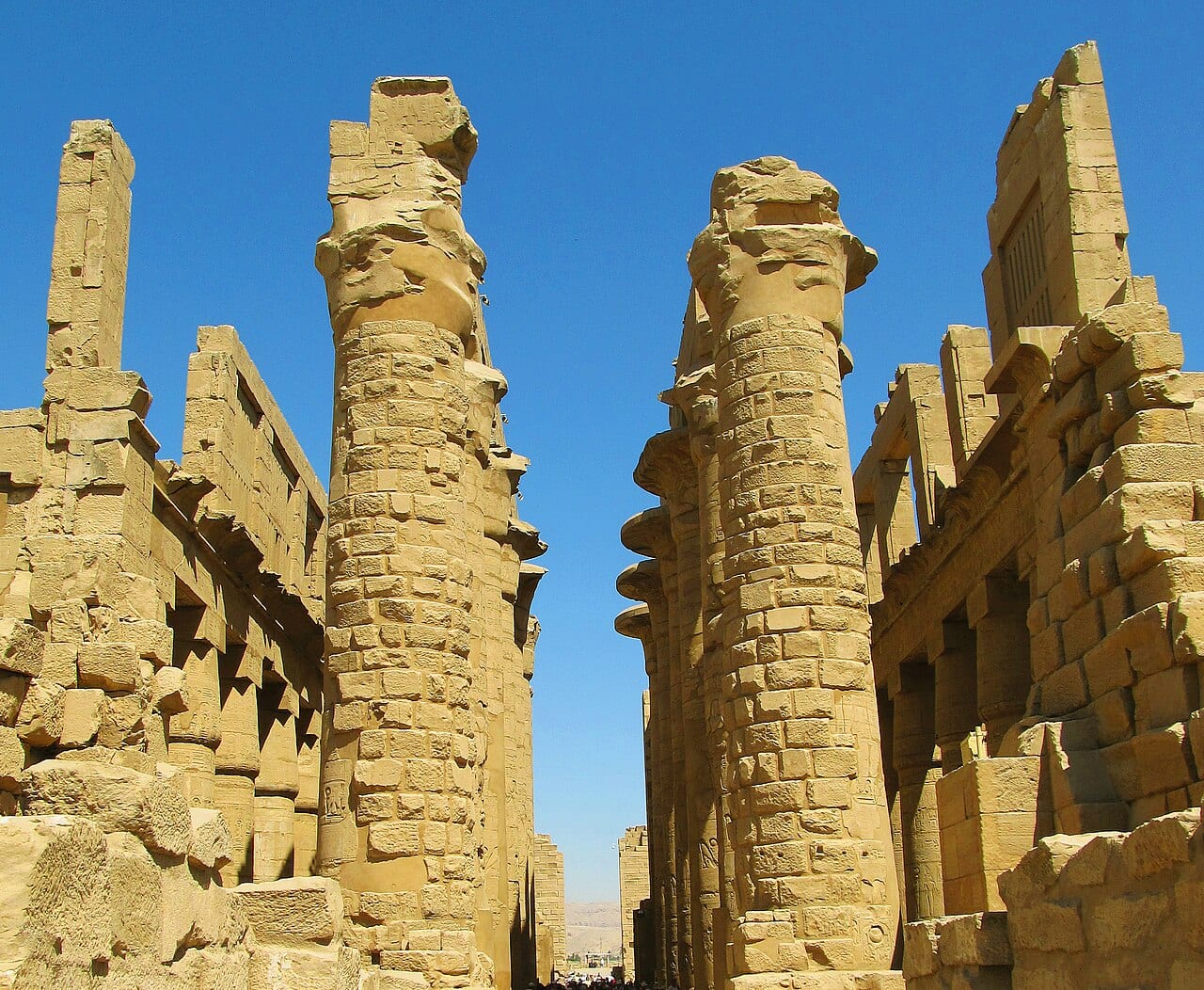
Karnak is not one temple but a city of temples built and rebuilt over some two thousand years. The Great Hypostyle Hall is the moment that stops everyone: a forest of 134 giant columns, the tallest in the central aisle, still carved and in places still painted. Come at opening time to see it before the tour groups, or late in the afternoon when the light turns gold. Allow at least two to three hours.
The Avenue of Sphinxes
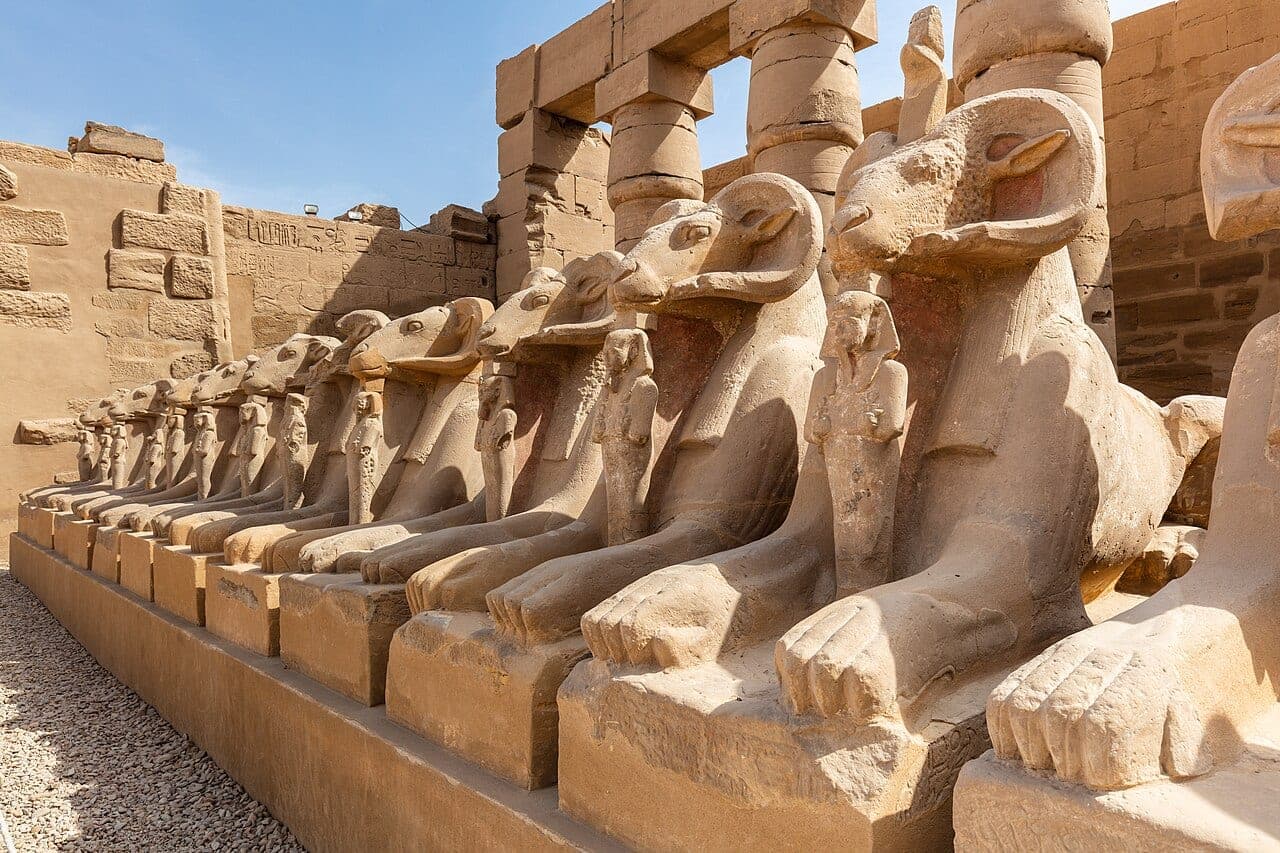
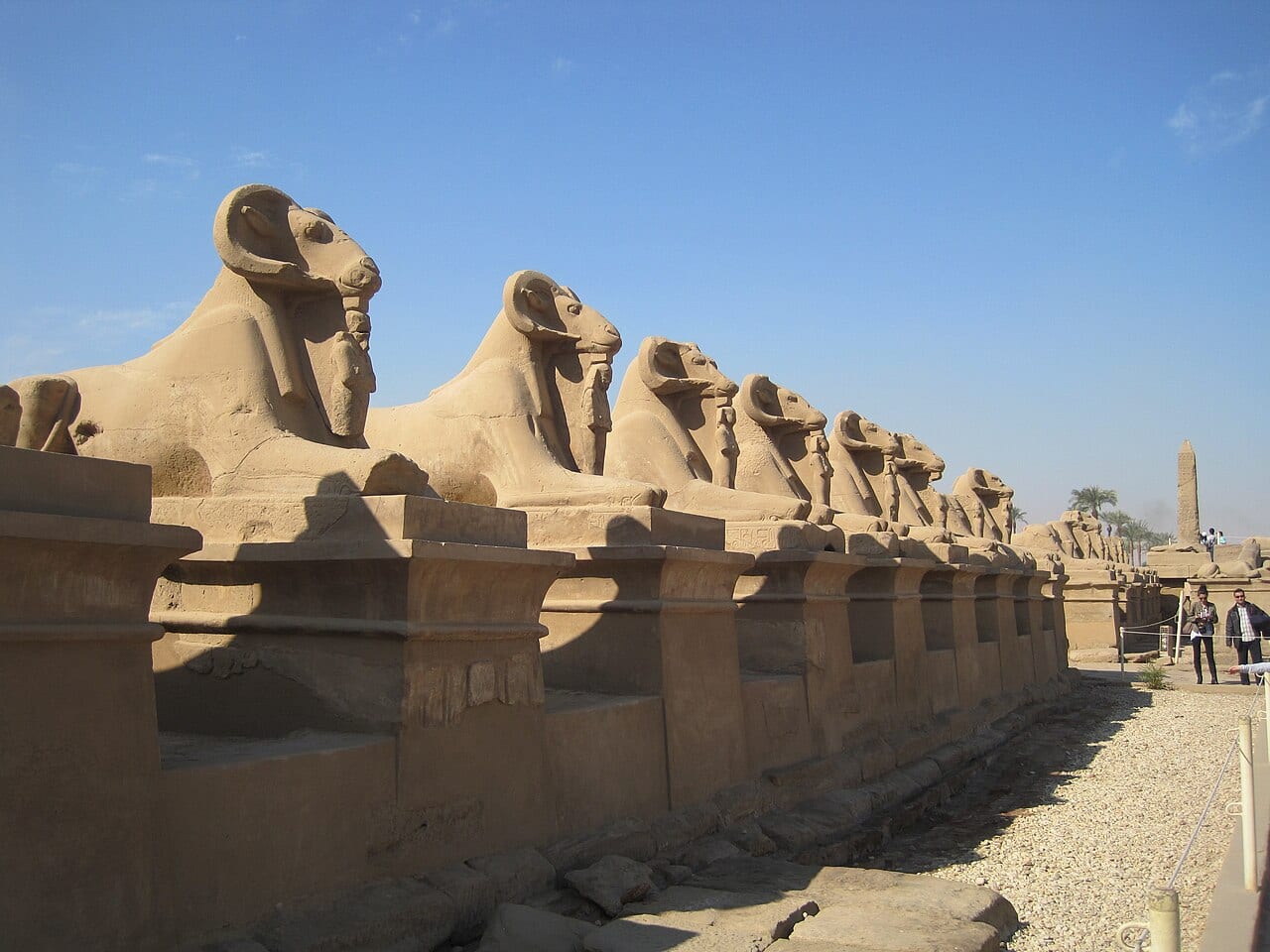
For centuries an avenue lined with sphinxes ran almost three kilometres between Karnak and Luxor Temple. After decades of excavation it reopened in 2021, and you can walk long stretches of it between rows of ram-headed and human-headed sphinxes. Late afternoon, heading south toward Luxor Temple as the lights come on, is the best time.
Luxor Temple
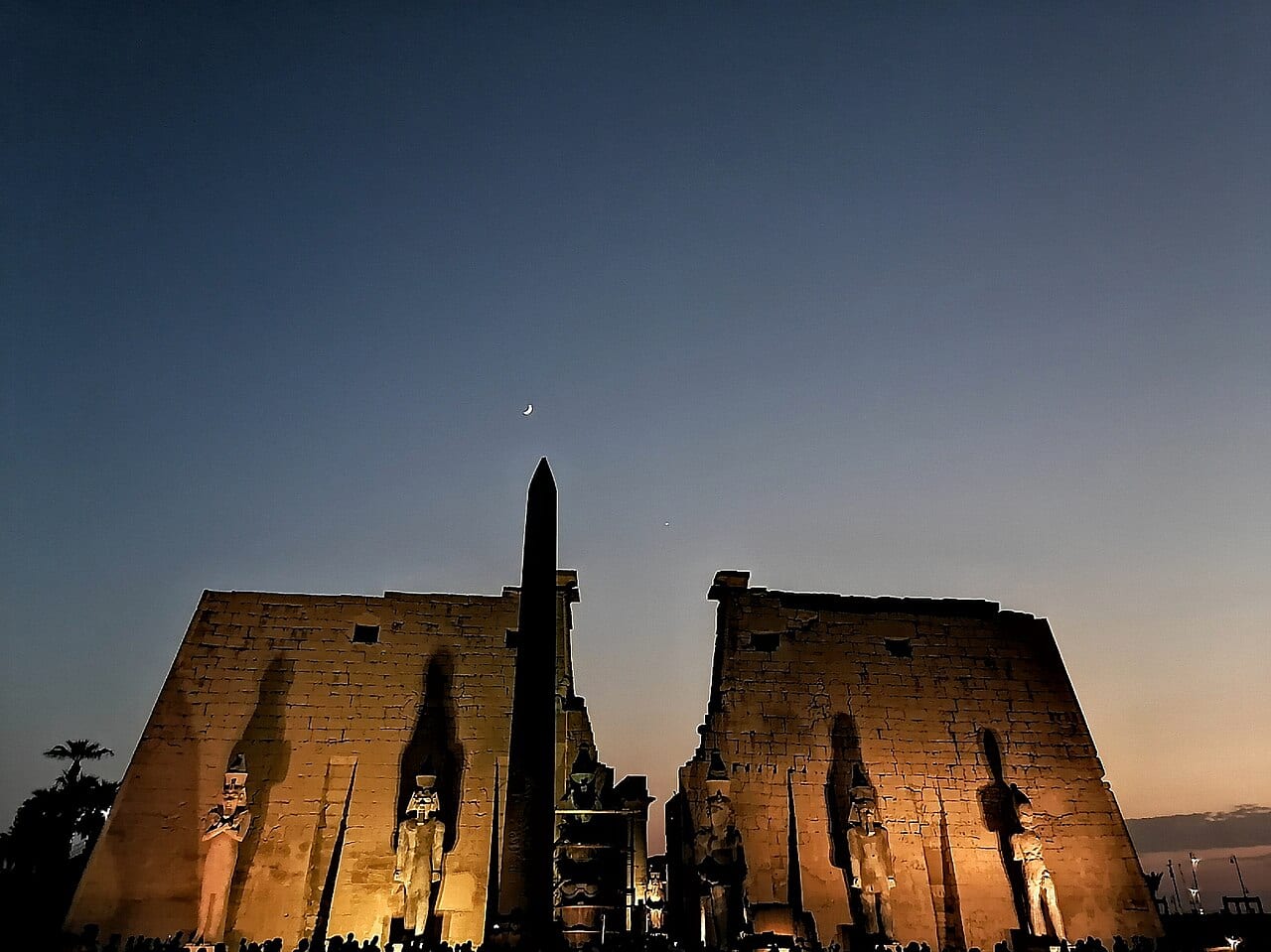
Right in the centre of town, Luxor Temple is at its most beautiful after dark, when the floodlights pick out the colossal statues of Ramesses II, the obelisk at the gate and the columns of the inner courts. Look up at the top of the walls on one side: the Mosque of Abu al-Haggag was built on top of the buried temple centuries ago and still stands there, its old door hanging high above today's ground level.
The museums and the Corniche
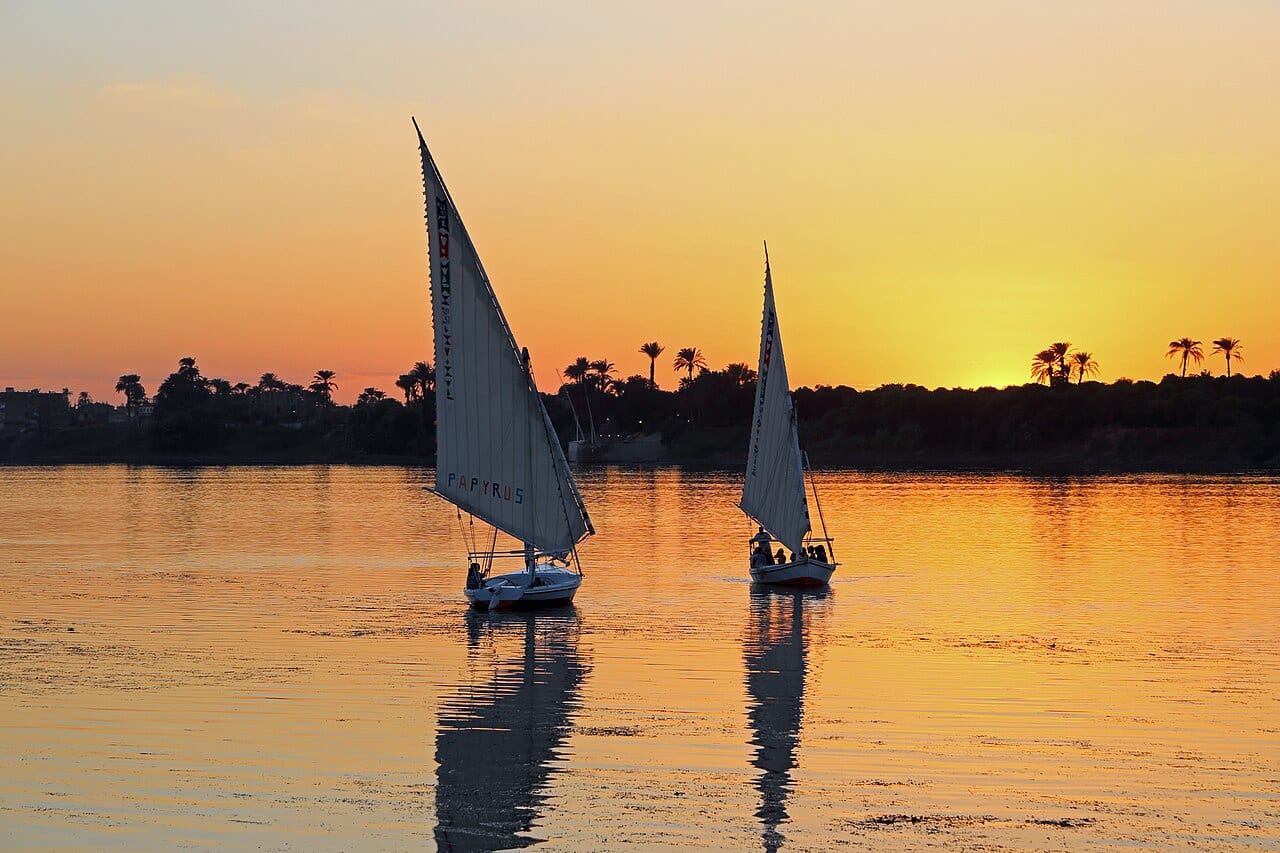
The Luxor Museum on the Corniche is small, calm and beautifully lit, with some of the finest statues found in the region; it makes a perfect air-conditioned break in the afternoon. Nearby, the Mummification Museum explains how and why it was done, which older children usually find fascinating. In the evening, walk the Corniche and take a felucca, a traditional sailboat, out on the river for the sunset.
The West Bank: tombs and temples
The Valley of the Kings
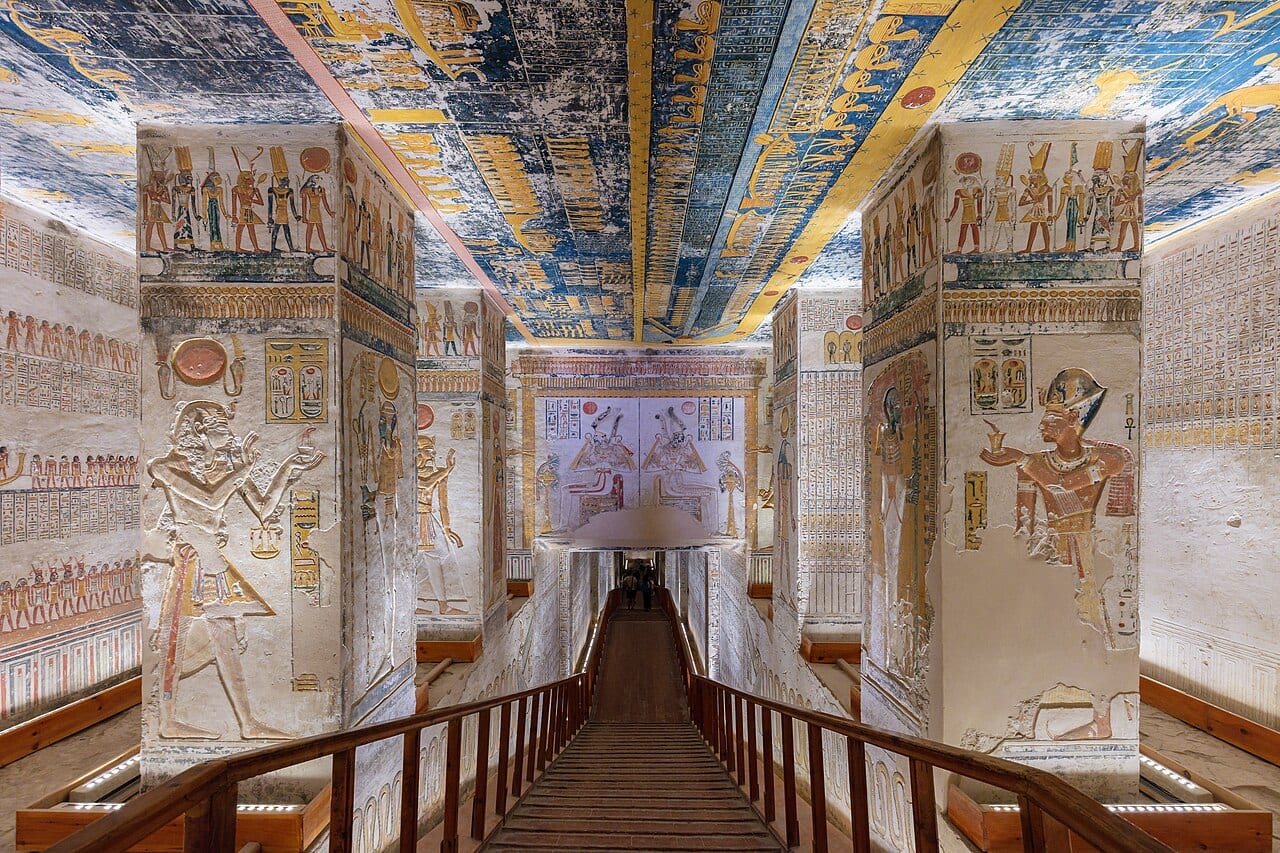
The royal tombs of the New Kingdom are cut deep into a dry valley behind the cliffs. A standard ticket covers a set number of open tombs, and the most famous, including Tutankhamun and Seti I, need extra tickets. Which tombs are open rotates to protect the paintings, so check at the ticket office. Photography rules change too; ask at the gate. Bring water, a hat and patience in winter, when the valley is busiest.
The Temple of Hatshepsut
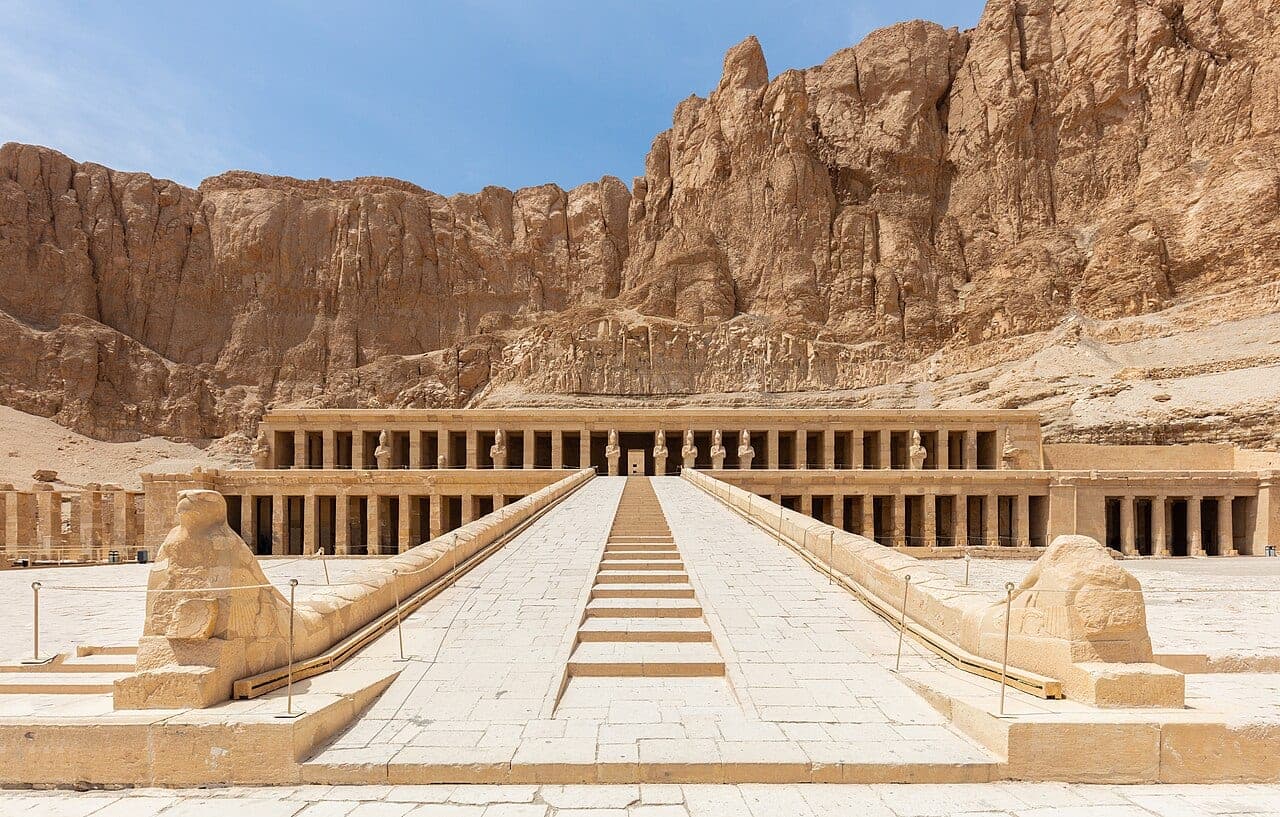
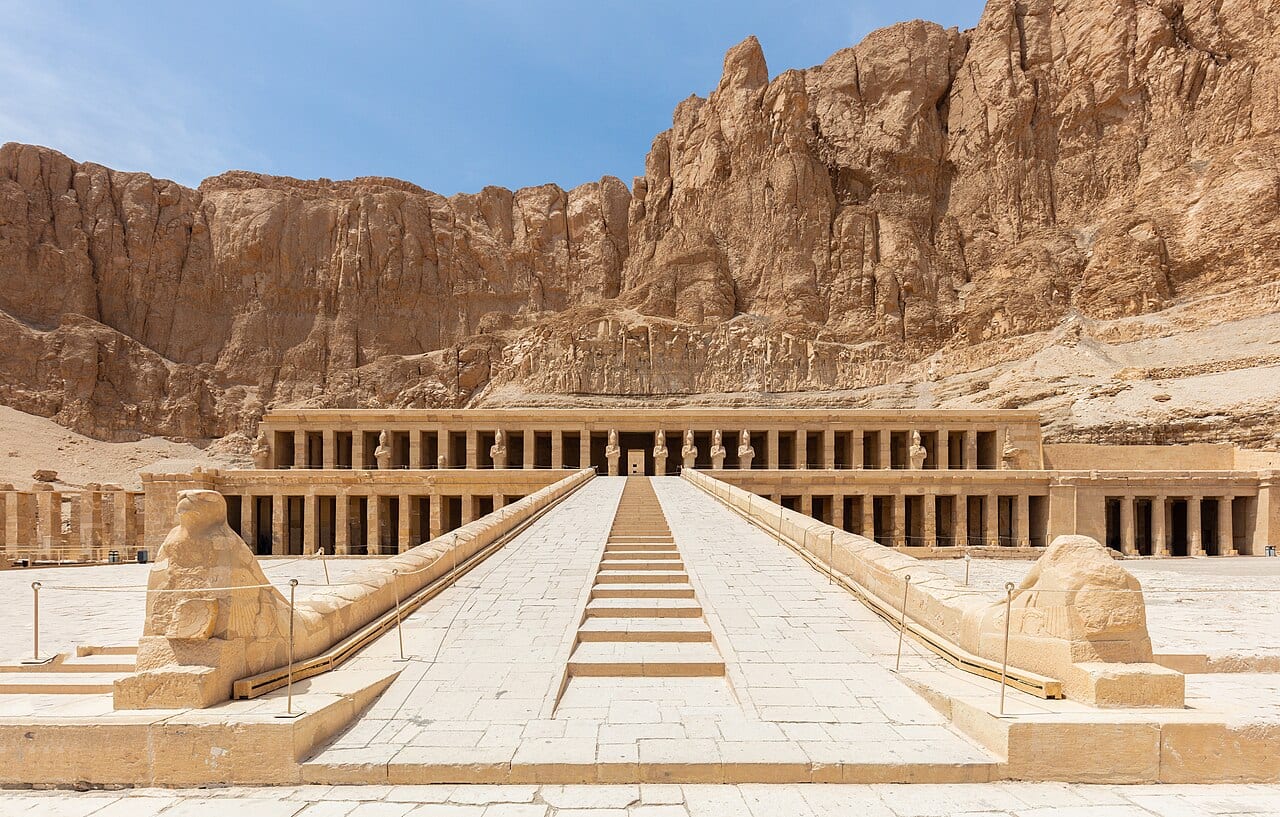
Built for one of Egypt's few female pharaohs, the temple at Deir el-Bahari rises in three wide terraces against a sheer wall of golden rock. It faces east, so go early, when the light is soft and the stone is cool. A small electric train carries visitors from the ticket office to the temple.
Medinet Habu, the Colossi of Memnon and the workers' village
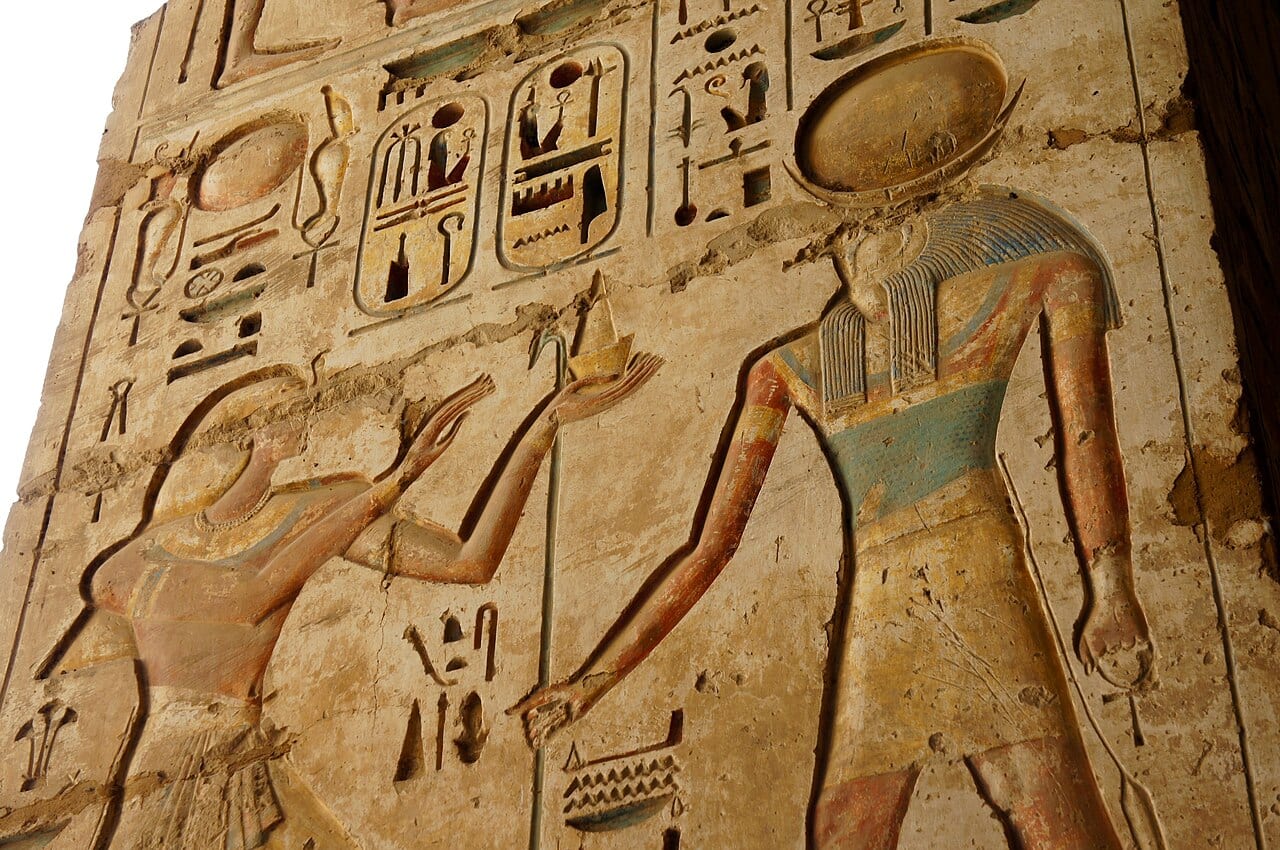
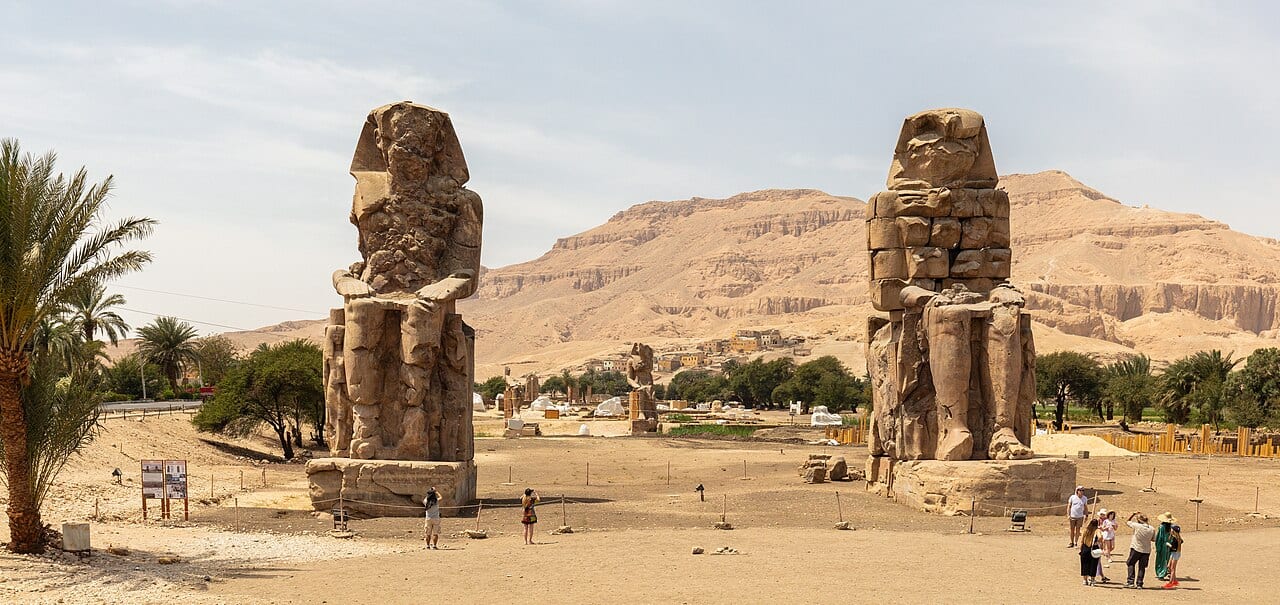
Medinet Habu, the great temple of Ramesses III, is often far quieter than the famous sites and has some of the best-preserved painted reliefs on the West Bank. On the road in, the two Colossi of Memnon, all that stands above ground of a vast temple of Amenhotep III, are a five-minute photo stop. Deir el-Medina, the village of the craftsmen who dug and painted the royal tombs, has small, vividly painted tombs of its own. If you can, add the Valley of the Queens; the tomb of Nefertari, when open, needs its own ticket.
A balloon at dawn
Hot-air balloon flights take off over the West Bank before sunrise and drift above the fields, villages and temples for around three quarters of an hour. Book with an established operator through your hotel, check the safety briefing and age limits for children, and dress warmly in winter: it is cold before dawn.
Day trips and the Nile
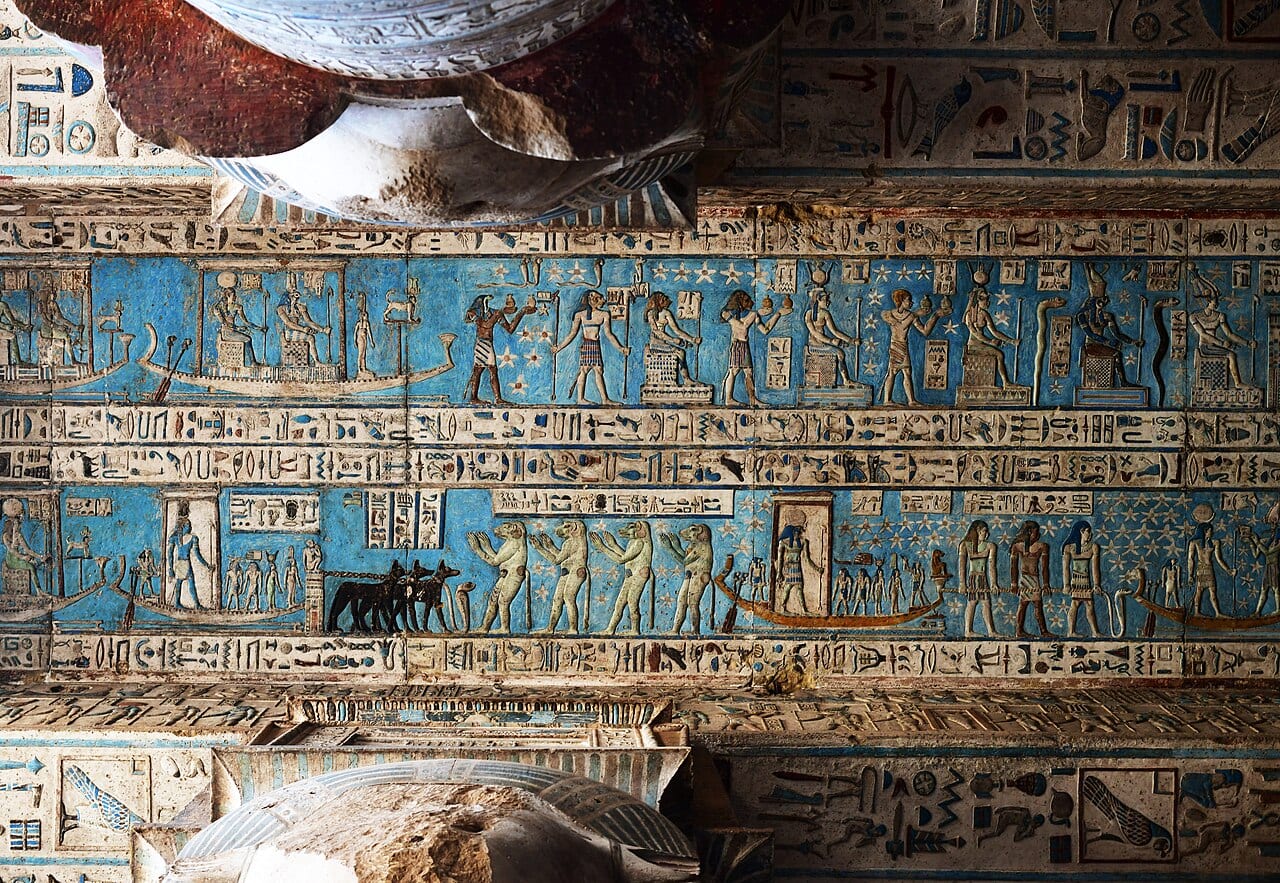
- Dendera: about an hour and a half north by road, the Temple of Hathor is one of the most complete in Egypt, with a blue painted ceiling that was cleaned of soot in recent years and now glows. Combine it with Abydos for a long day.
- Edfu and Kom Ombo: south toward Aswan, best seen on a Nile cruise. Edfu's Temple of Horus is the best preserved in the country; Kom Ombo sits right on the riverbank.
- Banana Island: a short felucca ride upriver, a garden island where children can run and eat fresh bananas under the trees.
What to eat
Egypt is a Muslim-majority country and meat in local restaurants is generally halal. Upper Egyptian cooking is simple, hearty and very good.
- Ful and ta'meya: slow-cooked fava beans and Egyptian falafel made with fava beans, the breakfast of the whole country.
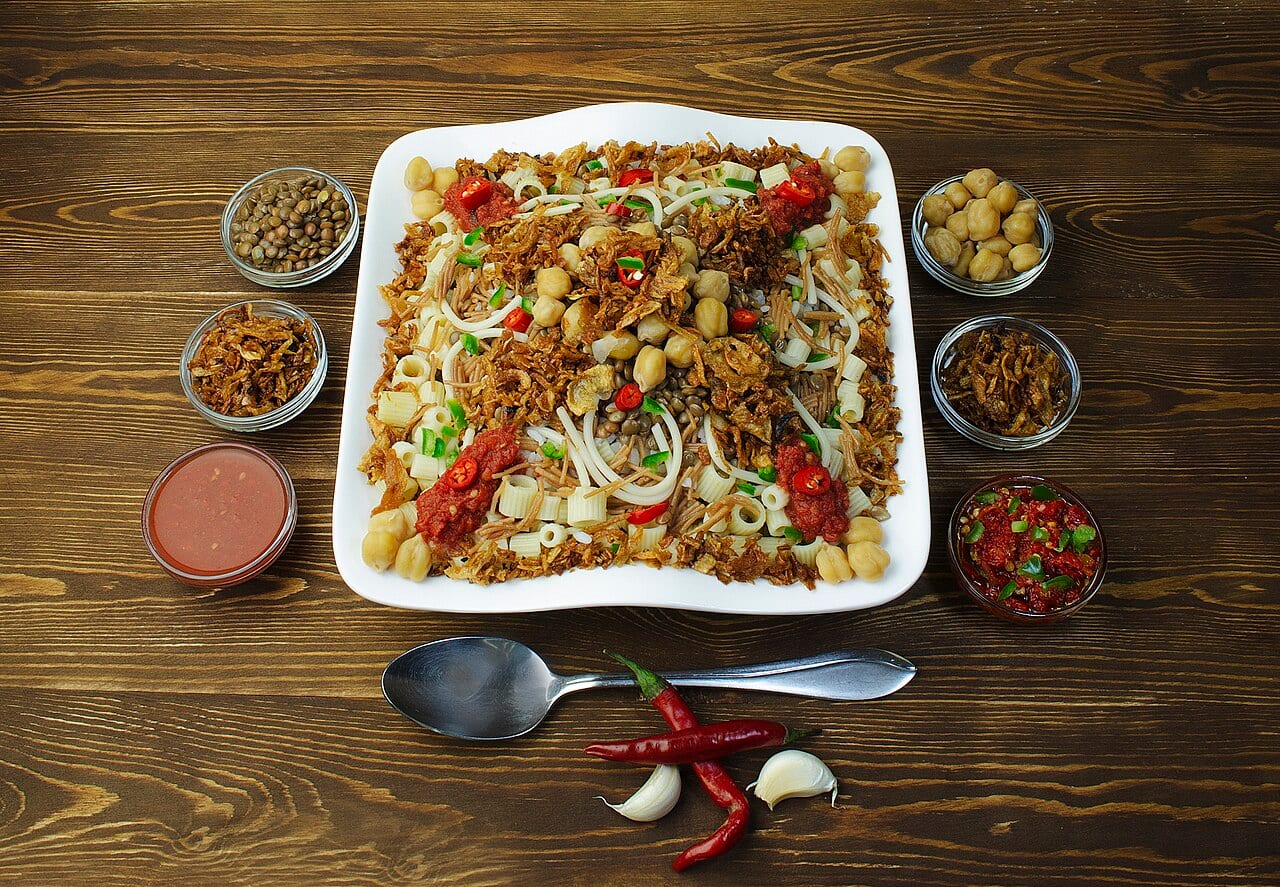
- Koshari: rice, lentils, pasta and chickpeas with tomato sauce, garlic vinegar and crisp onions. Cheap, filling and excellent.
- Molokhia: a silky green soup of jute leaves with garlic and coriander, served with rice and chicken.
- Hamam mahshi: pigeon stuffed with spiced rice or freekeh and roasted until crisp.
- Aish shamsi: Upper Egypt's sun-risen bread, left to rise in the sun before baking.
- Drinks: karkadeh (hibiscus, hot or iced), fresh sugarcane juice from street stalls, and mint tea.
Sofra, in an old house in the centre of town, is a favourite for Egyptian home cooking in a calm setting, and the West Bank has simple family restaurants serving grilled meat, salads and bread right by the sites.
Getting around
On the East Bank, taxis and ride-hailing apps cover town; agree on the fare before you get into a street taxi. Horse-drawn calèches are an old Luxor tradition; agree the price and route firmly before setting off. For the West Bank, the simplest option is a car and driver for the day, often arranged by your hotel. Licensed Egyptologist guides add a great deal to the tombs and temples, and many families book one for a day on each bank.
A 3-day plan
- Day 1, East Bank: Karnak at opening time, a long lunch and rest, the Luxor Museum mid-afternoon, then the Avenue of Sphinxes and Luxor Temple after dark.
- Day 2, West Bank: an early start at the Valley of the Kings, then Hatshepsut, the Colossi of Memnon and Medinet Habu; back to the hotel by early afternoon, and a felucca at sunset.
- Day 3, dawn and the details: a balloon flight at sunrise, Deir el-Medina and the Valley of the Queens, and the souk in the evening.
A 6-day plan
- Day 1: arrive, settle in, Luxor Temple at night.
- Day 2: Karnak in the morning, the Luxor and Mummification museums in the afternoon.
- Day 3: the Valley of the Kings and Hatshepsut.
- Day 4: a balloon at dawn, Medinet Habu, Deir el-Medina and the Valley of the Queens.
- Day 5: a day trip to Dendera and Abydos.
- Day 6: Banana Island by felucca and a slow last afternoon, or board a cruise south to Aswan.
Want this tuned to your dates, pace and family? Our AI trip planner builds a day-by-day plan with flights and stays.
Money and practical tips
- Currency: the Egyptian pound (EGP). Cards work in hotels and larger restaurants; carry small notes for taxis, tips and drinks.
- Tickets: buy at each site's ticket office, where cards are increasingly accepted. Official information on sites, tickets and passes is on the Ministry of Tourism and Antiquities' Egymonuments site; it also explains the Luxor Pass for travellers planning to visit many sites.
- Heat: even in winter the sun is strong. Sightsee early, rest at midday, carry water and use sun protection.
- Tipping: small tips (baksheesh) are part of daily life for guards, drivers and boatmen; keep change handy.
- Persistence: sellers and calèche drivers can be insistent near the sites. A friendly, firm "la, shukran" works.
FAQ
How many days do I need in Luxor?
Three full days cover the highlights of both banks. Five or six let you add Dendera, a balloon flight and a slower pace, which matters a lot with children.
Is Luxor good for families?
Yes, if you plan around the heat. Children love the felucca, the balloons, the sphinxes and the tombs; keep sightseeing to mornings and late afternoons.
Which bank should I stay on?
The East Bank for convenience and big hotels; the West Bank for quiet guesthouses near the tombs. Both work, and ferries make crossing easy.
Can I take photos in the tombs?
Rules vary and change; at times photography has needed a separate permit. Ask at the ticket office on the day.
Is November a good time to visit Luxor?
One of the best. Average highs are around 29°C, the evenings are comfortable and the winter crowds have not fully arrived.
Should I add a Nile cruise?
If you have four days more, yes. A cruise between Luxor and Aswan is the most relaxing way to see Edfu and Kom Ombo.