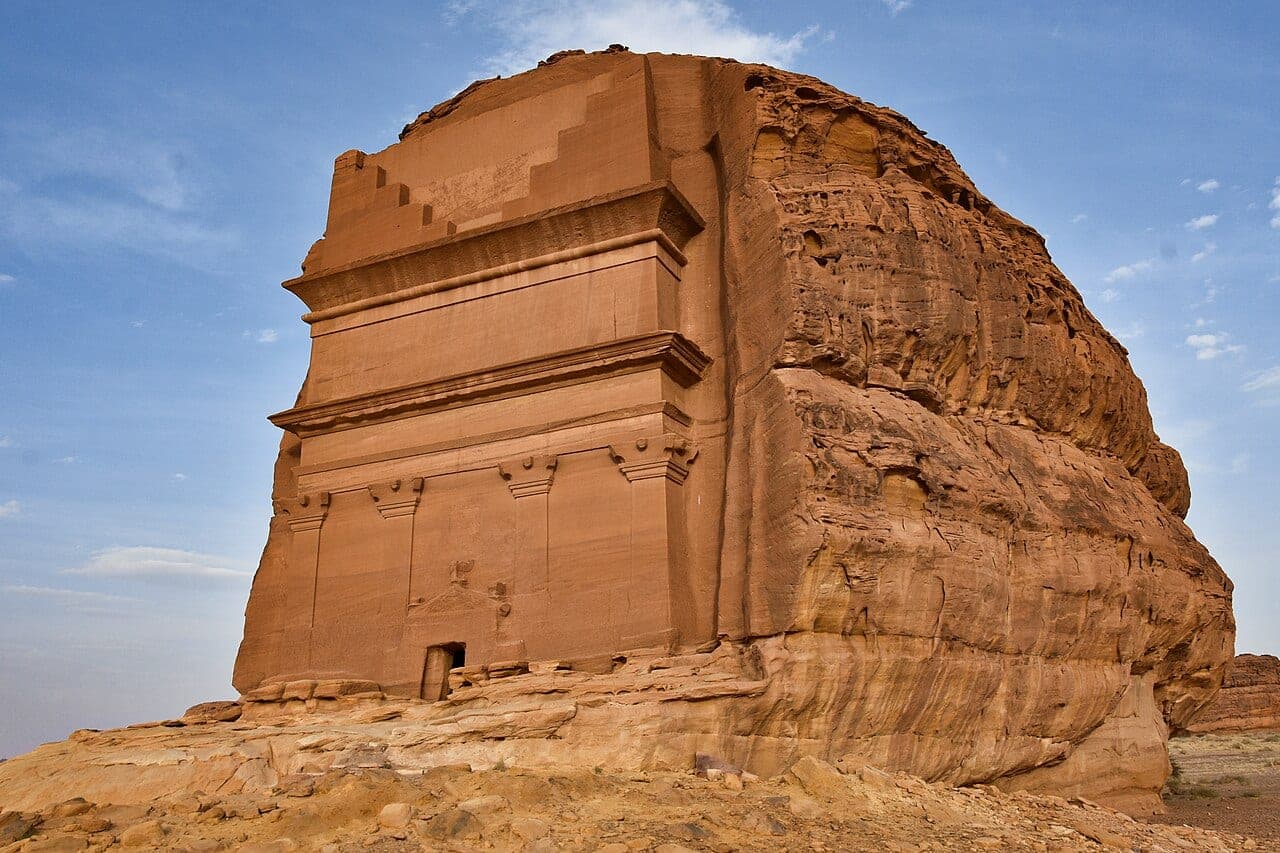
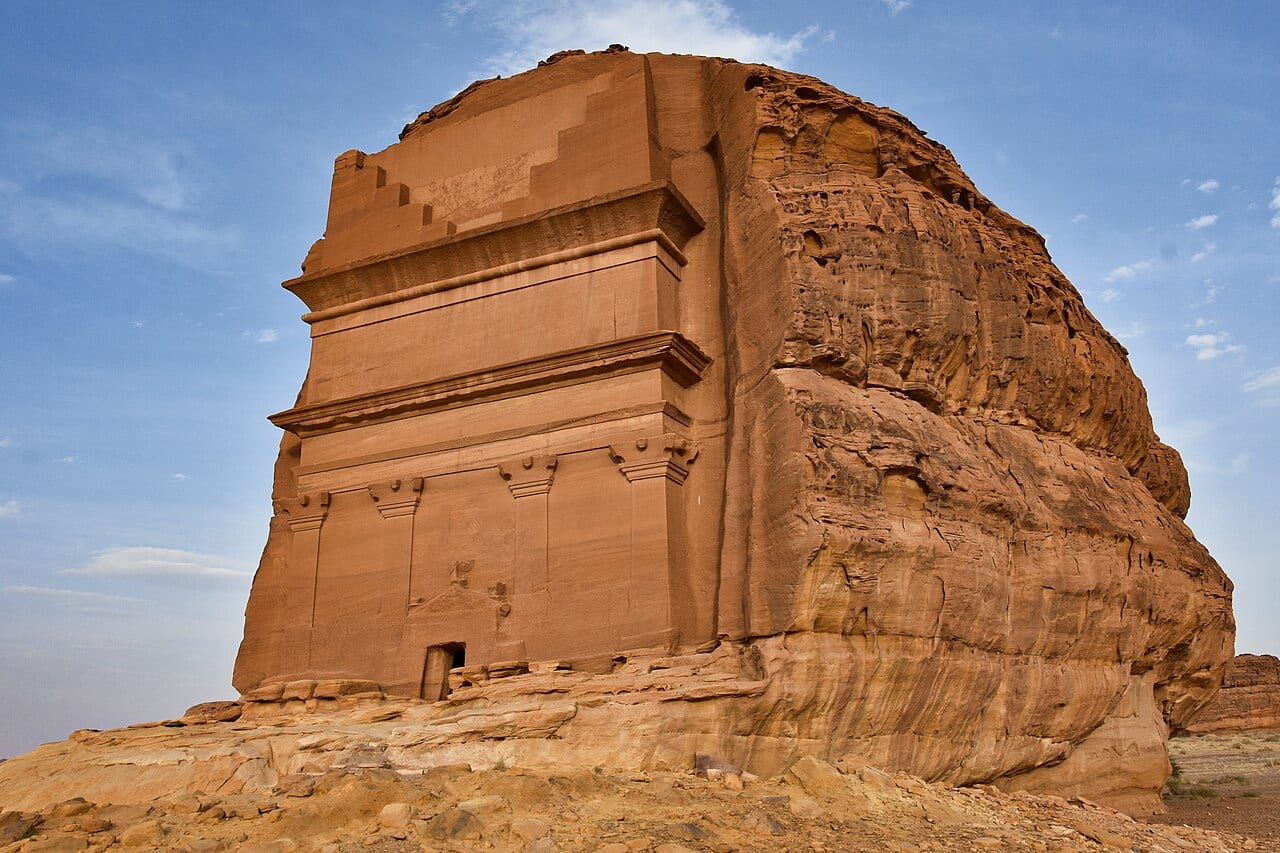
The first time you see Qasr al-Farid, it does not look real. A single block of sandstone sits alone in the open desert, and someone two thousand years ago carved a full temple facade into one side of it, columns, steps and all, then left it unfinished. There is no fence around the horizon, no city noise, just wind, a few acacia trees and the sound of your own feet on the sand. That feeling repeats itself all over AlUla, in a valley of red cliffs and palm groves in the north-west of Saudi Arabia that was a crossroads of caravan kingdoms long before Islam. This AlUla guide is for a winter trip: when to go, how to book the sites, where to sleep and how to fit Hegra, Dadan, Elephant Rock and the Old Town into three to five unhurried days.
When to go
AlUla is desert, high enough to be cooler than Riyadh but still very hot in summer. Long-term averages at the airport give daily highs of about 20°C in January, 24°C in February and 29°C in March, rising to 33°C in April and around 43°C in July, before falling to 37°C in October, 28°C in November and 24°C in December. Winter nights are cold, around 6°C in January and 12°C in December.
- October: the season opens. Still hot by day, so keep outdoor time to mornings and late afternoons.
- November: highs near 28°C and nights around 16°C, which is close to ideal. It fits the Saudi school break (20–28 November 2026) well; book tours and hotels early, because many Saudi families have the same idea.
- December to February: peak season with mild days, chilly nights and the busiest events calendar. Pack a warm jacket for evenings, stargazing and early starts.
- March and April: warming up but still good, with fewer visitors at the end of the season.
- May to September: very hot. Some experiences close or move to early mornings and evenings only.
The Royal Commission for AlUla publishes the season's events, from concerts at Maraya to festivals and night experiences, on its official site, Experience AlUla, which is also where you book the heritage sites.
Getting there
AlUla's airport, Prince Abdul Majeed bin Abdulaziz International (ULH), is a short drive from the valley, with domestic flights from Riyadh, Jeddah and Dammam and some seasonal international routes. Many travellers fly into Riyadh, Jeddah or Madinah and connect. From Amman and Cairo, the usual route is a flight to Jeddah, Riyadh or Madinah first: see Amman to Jeddah, Cairo to Jeddah, Amman to Madinah, Cairo to Madinah or Dubai to Madinah, and search the onward leg on our flight search.
By road, AlUla is about 300 kilometres north of Madinah, roughly three and a half to four hours on a good highway through the desert. Many families combine a visit to Madinah with a few days in AlUla; our Madinah destination page and Jeddah guide cover those ends of the trip.
Visas
GCC citizens travel to Saudi Arabia freely with their national ID. Other visitors use the official Saudi tourist e-visa platform, visa.visitsaudi.com. Jordanian, Egyptian and Lebanese passports are not on the e-visa list by nationality alone, but residents of GCC countries and holders of certain other visas may qualify through separate routes; the platform checks your eligibility as you apply, so start there. Rules change, so confirm before you book anything non-refundable.
Where to stay
- Ashar Valley: the high-end resorts, set among cliffs a short drive from Maraya and Hegra. Beautiful, quiet and the most expensive.
- Around the Old Town and AlJadidah: boutique stays, heritage guesthouses and easy evenings among cafés and galleries.
- AlUla town: mid-range hotels and serviced apartments, better value for families and longer stays.
- Desert camps and eco-lodges: tented camps and lodges out in the sandstone landscape, the best choice for stargazing.
Compare what is available on our hotel search. Distances between the sites are significant, so a central base matters less than having a car.
What to see and do
Hegra
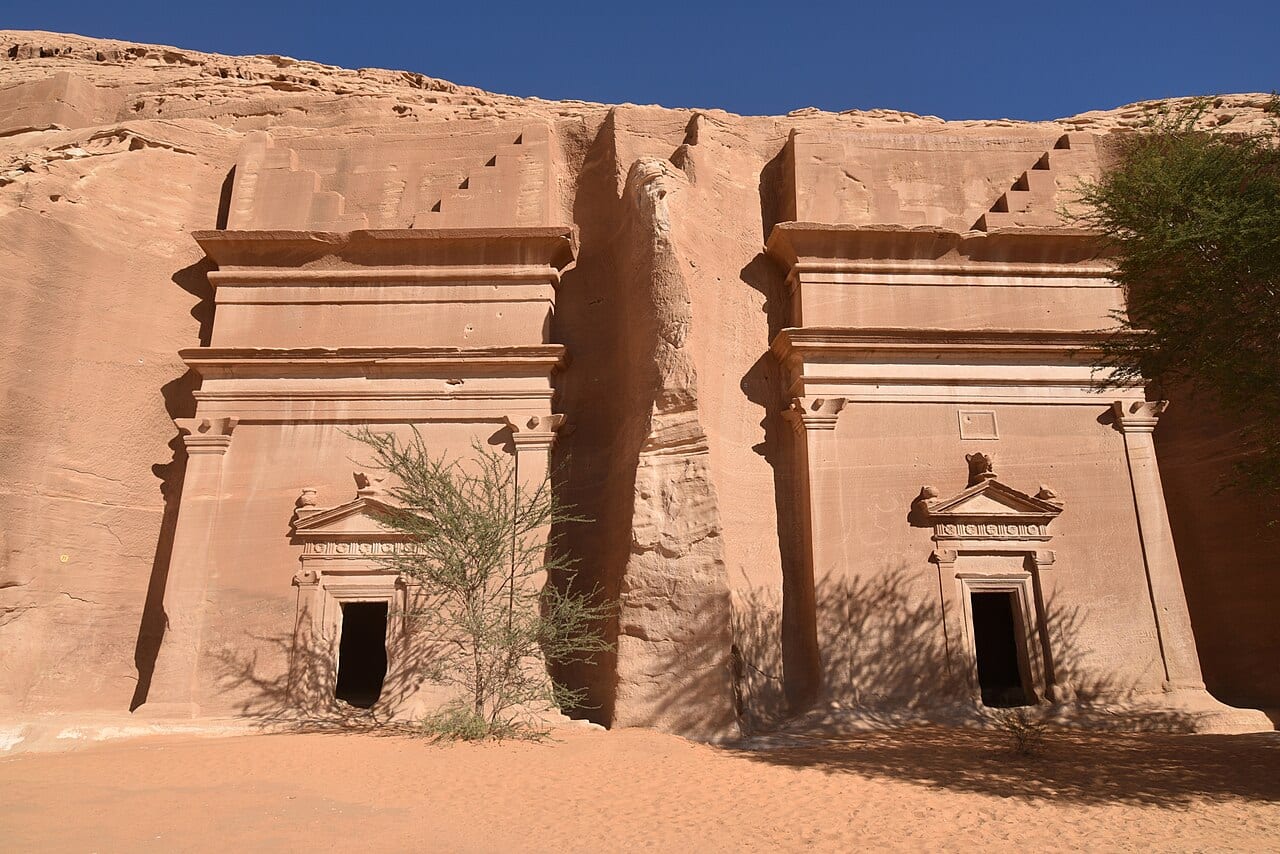
Hegra was the second city of the Nabataean kingdom, after Petra, and in 2008 it became Saudi Arabia's first UNESCO World Heritage Site. More than a hundred monumental tombs are carved into the sandstone outcrops, many with inscriptions over the door naming who was buried inside. Visits are by ticketed tour from the Hegra welcome centre, booked through Experience AlUla, and the guides bring the place to life. Qasr al-Farid and the Qasr al-Bint group are the highlights; sunset tours, when the rock turns deep orange, sell out early.
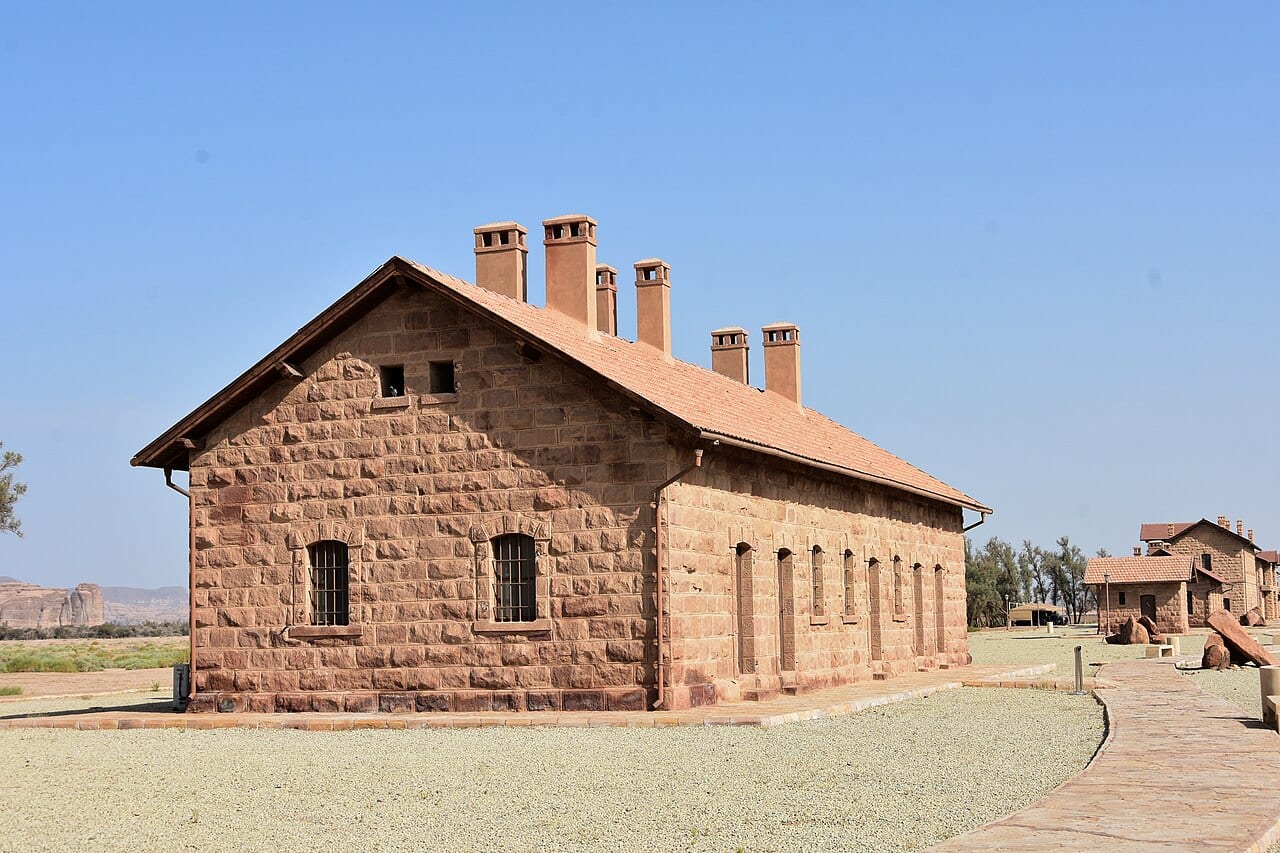
On the edge of the site, the old stone station of the Hijaz Railway recalls the line built in the early twentieth century from Damascus to Madinah. Its restored buildings and old rolling stock make it a good stop for children.
Dadan and Jabal Ikmah
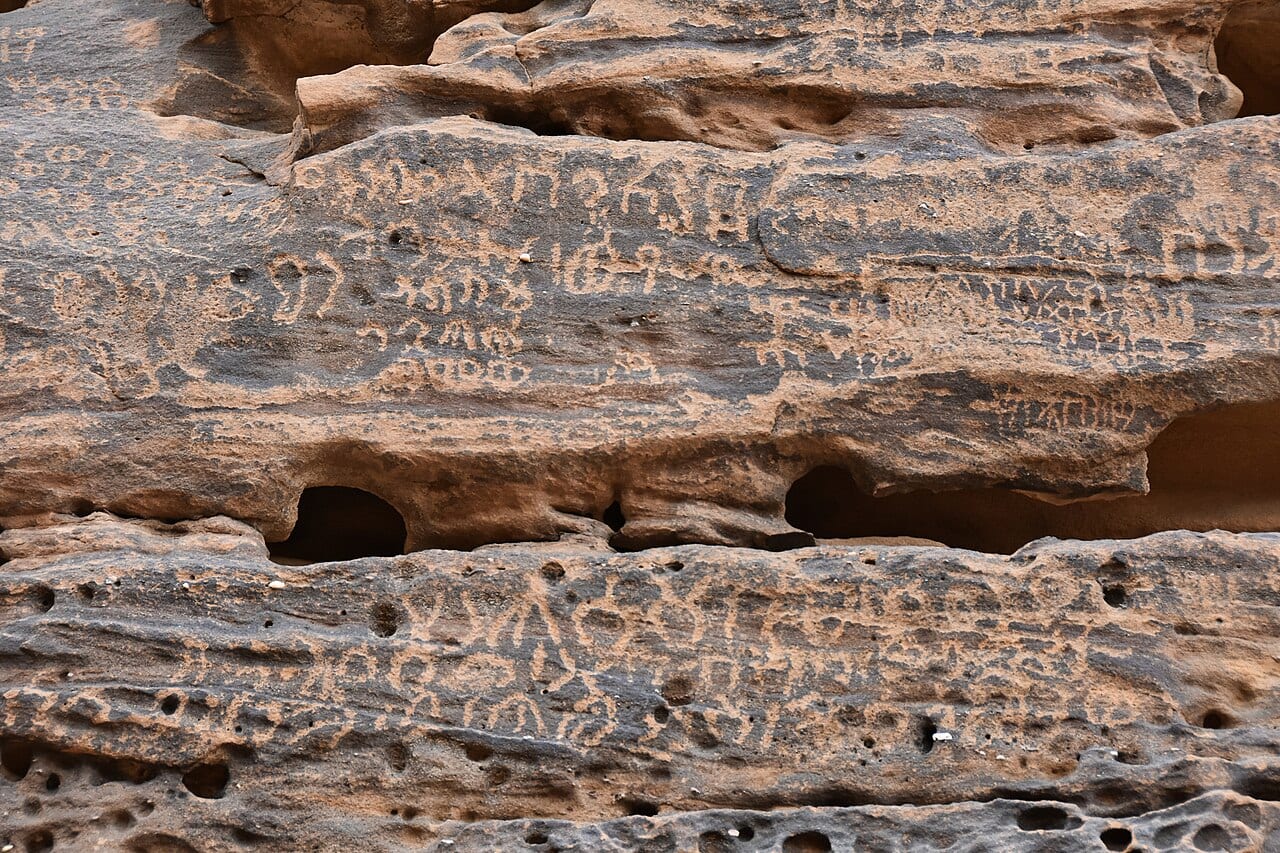
Long before the Nabataeans, AlUla's valley was the heart of the Dadanite and Lihyanite kingdoms. At Dadan you can see the remains of their capital and, in the cliff face above, tombs guarded by carved lions. A short drive away, Jabal Ikmah is often called an open-air library: a narrow canyon whose rocks are covered with hundreds of ancient inscriptions and drawings in several scripts. Go with a guide; the stories behind the letters are the whole point.
AlUla Old Town
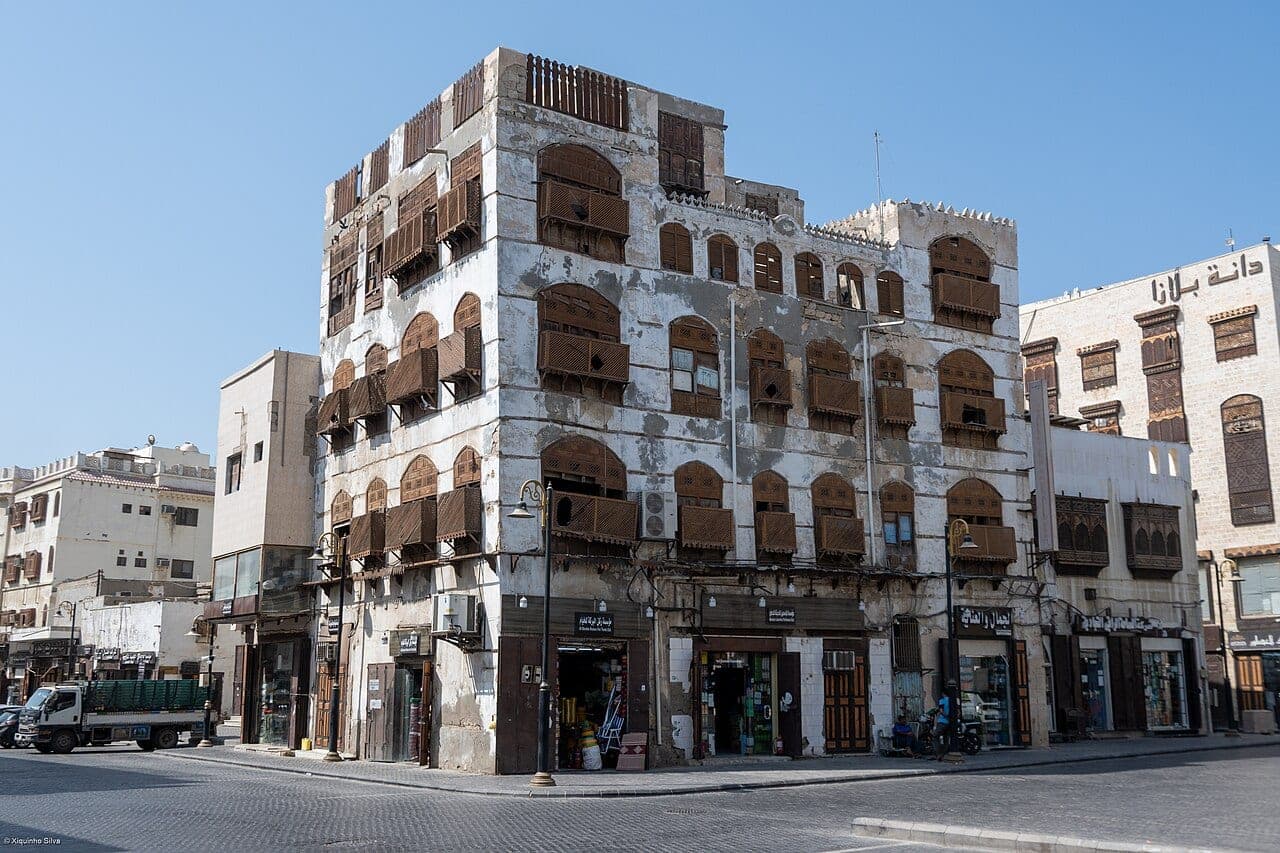
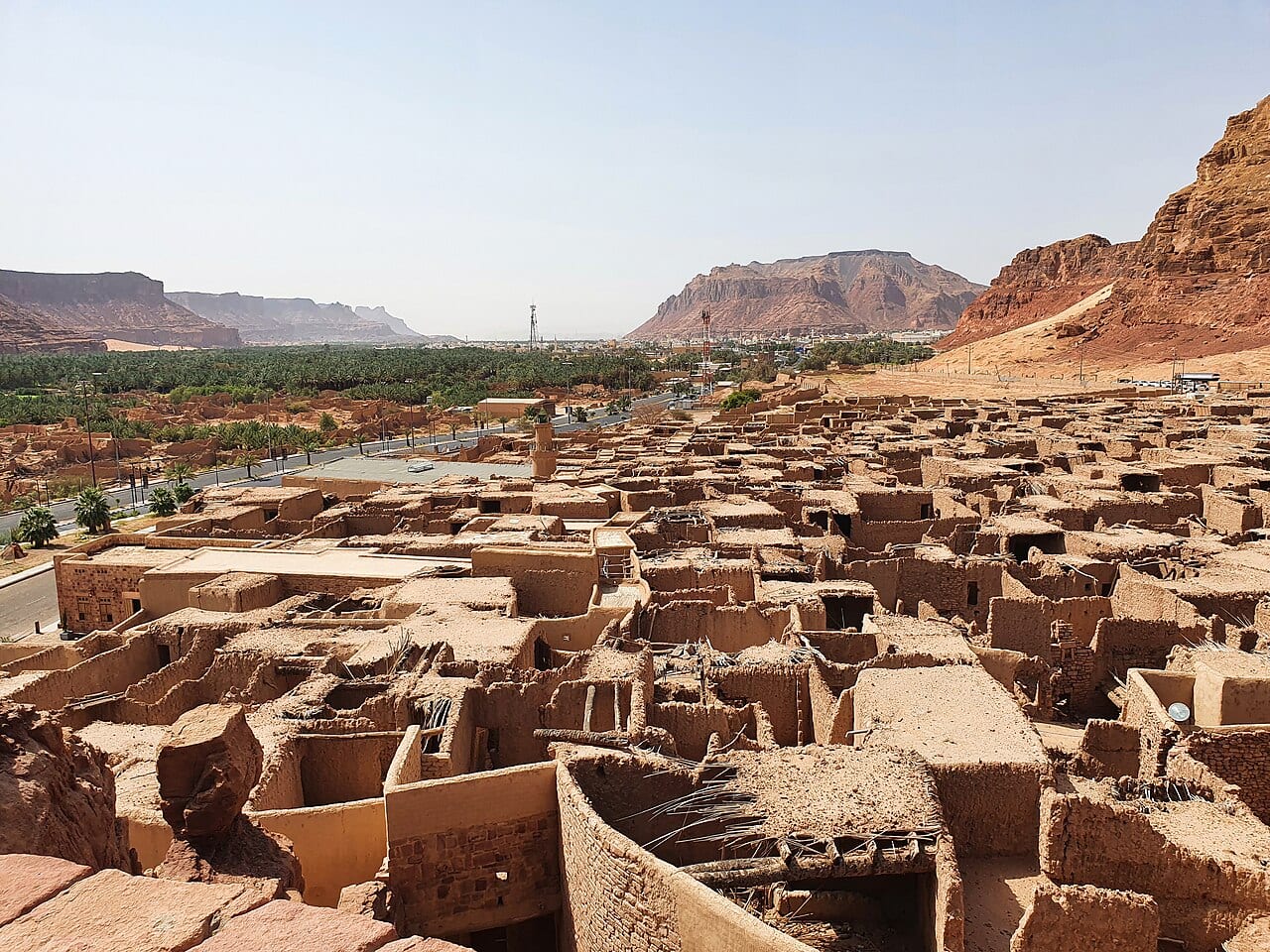
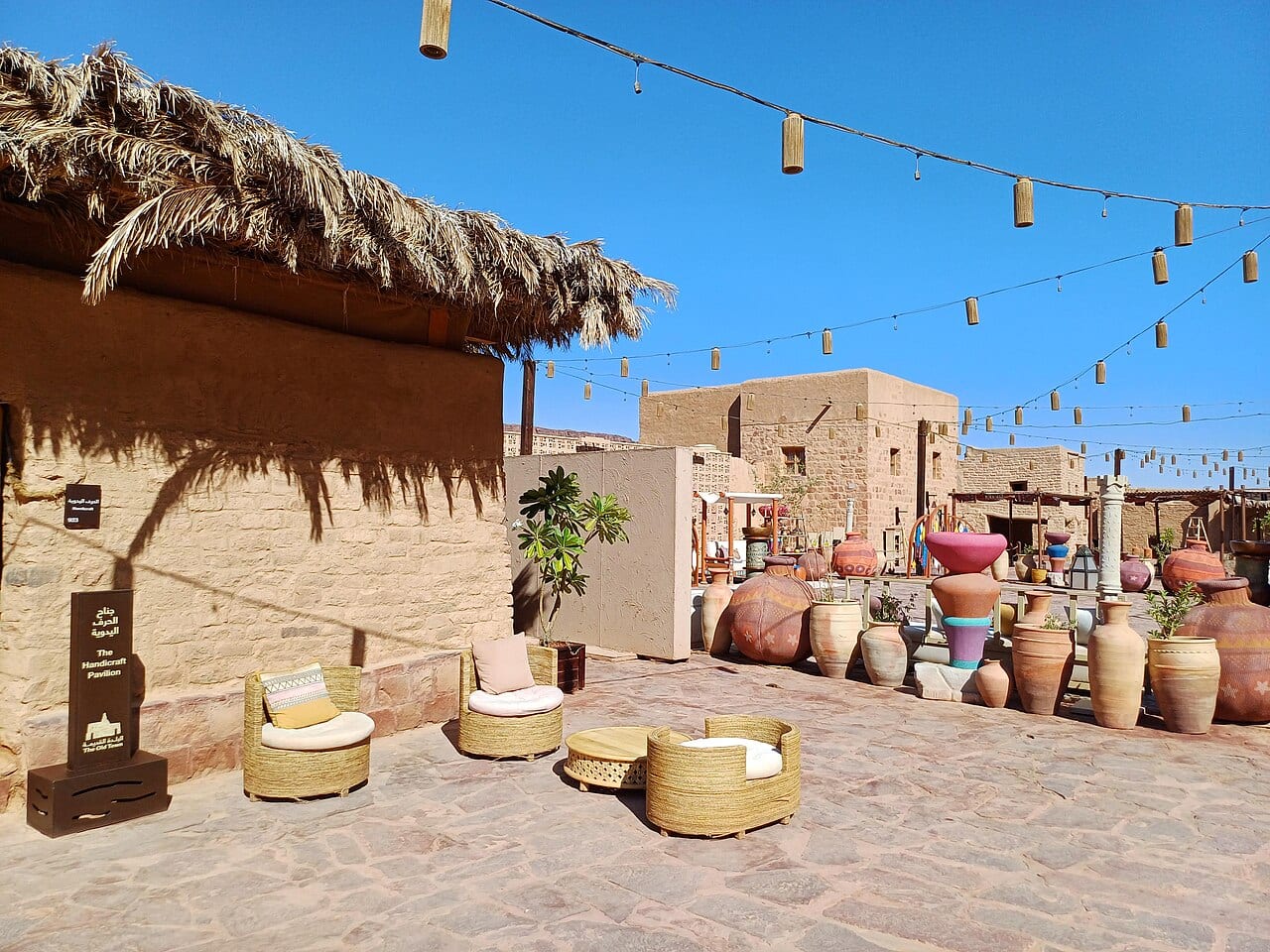
Below the castle hill, the Old Town is a maze of hundreds of mudbrick and stone houses, lived in until the late twentieth century. Restored lanes now hold cafés, craft shops and small restaurants, and the evenings here are lovely, with lanterns and the cliffs lit above. Climb up to the old fort for the view over the rooftops and the palm groves. Next door, the AlJadidah arts district has galleries, murals and more cafés.
Elephant Rock
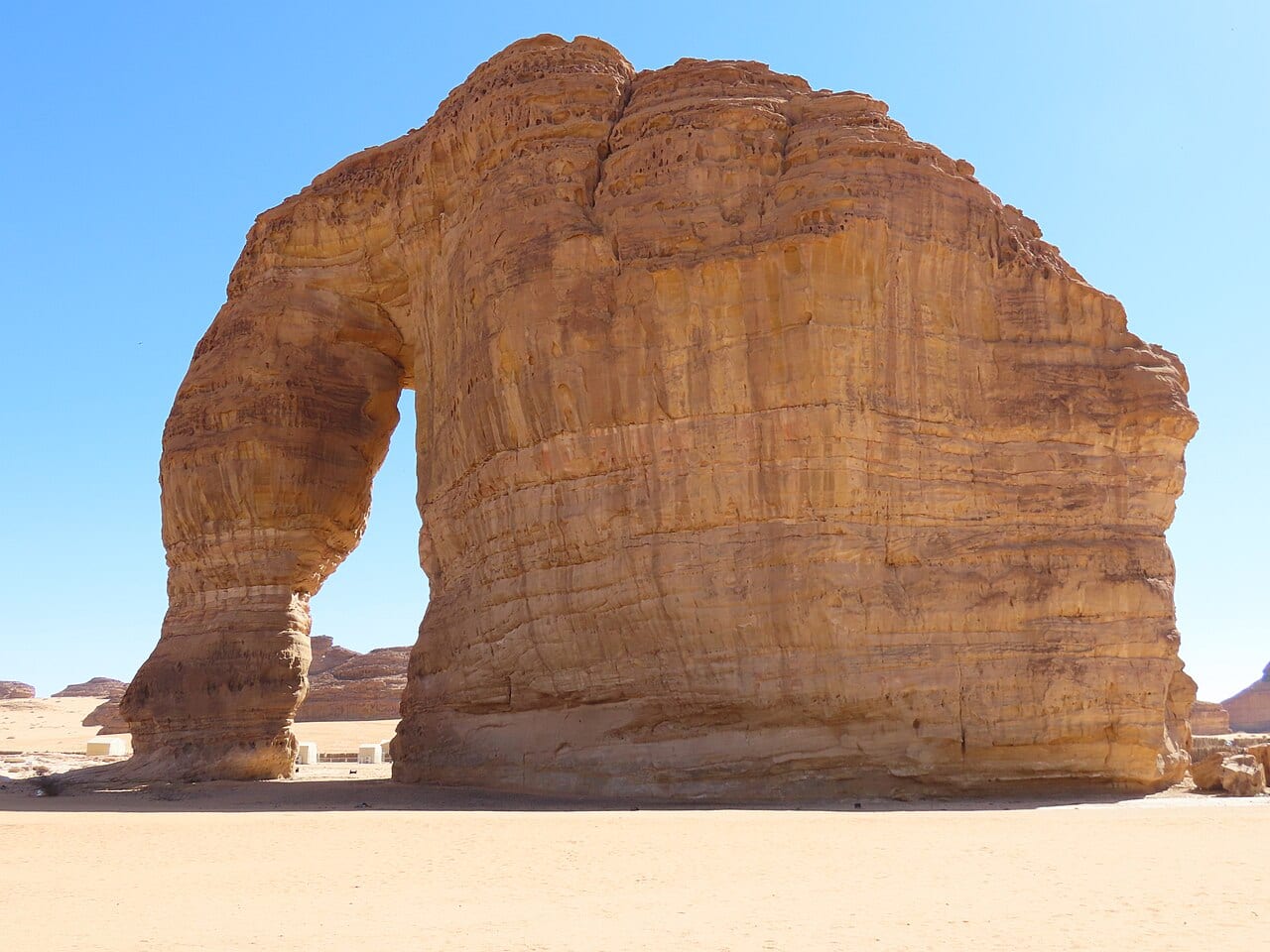
Jabal AlFil, Elephant Rock, is a natural sandstone arch that looks exactly like an elephant with its trunk in the sand. Go at sunset, when there are seating areas around the rock, the stone glows and the stars appear one by one.
Maraya and the Ashar Valley
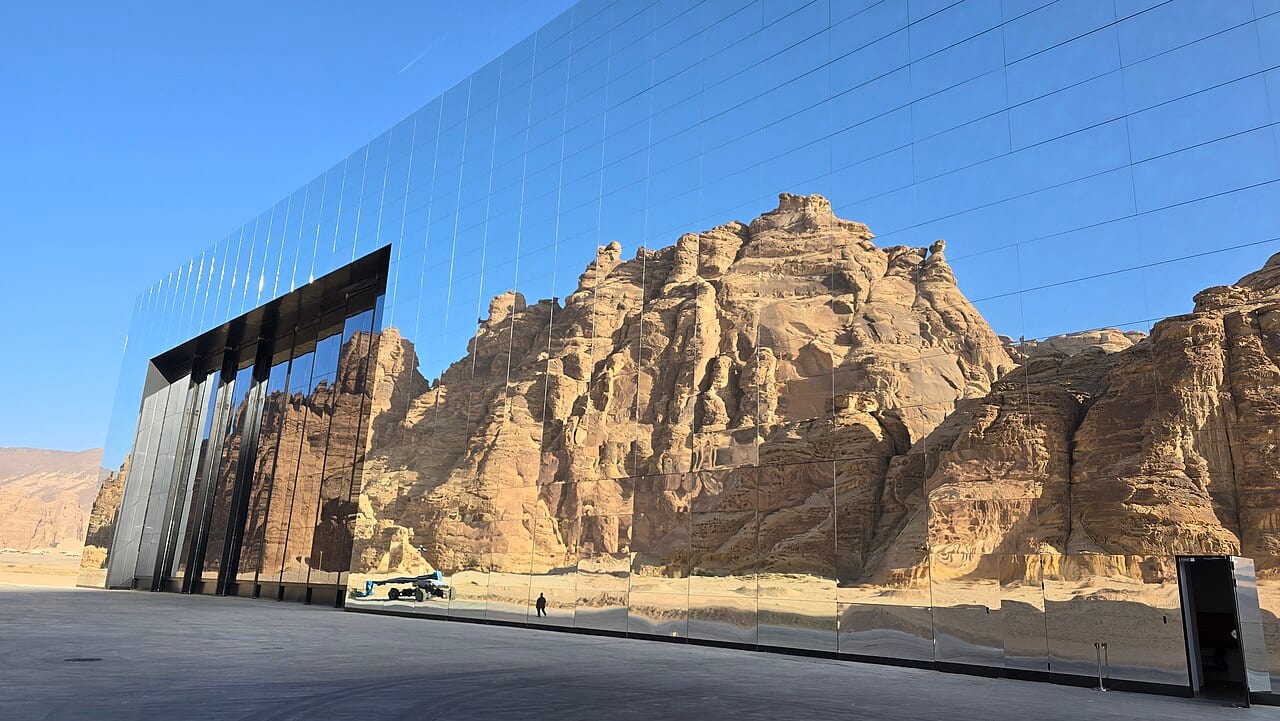
Maraya, meaning mirrors, is a concert hall clad entirely in mirrored glass, so it seems to vanish into the cliffs it reflects. Even without a concert ticket, it is worth seeing from the outside on the way through the Ashar Valley. Check the season's programme for performances.
The oasis, viewpoints and the desert
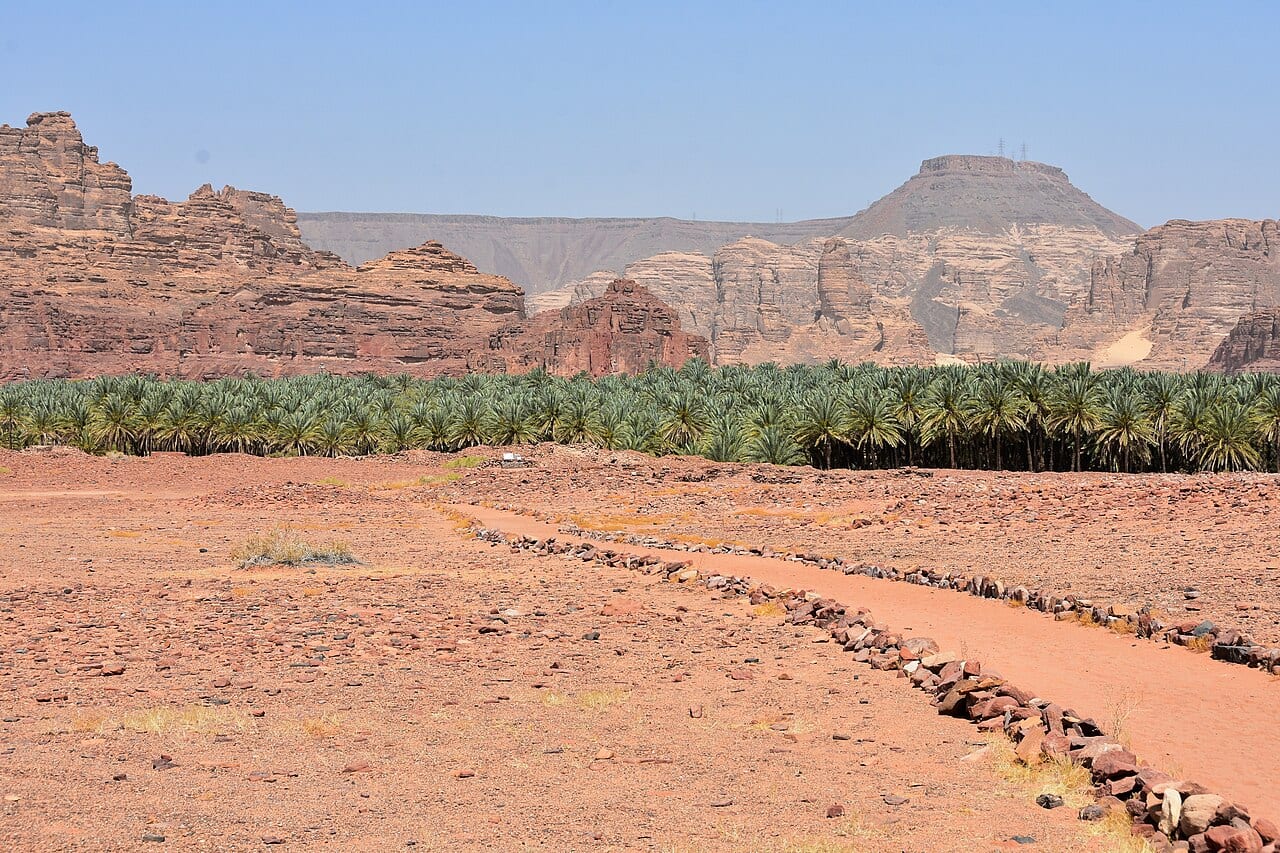
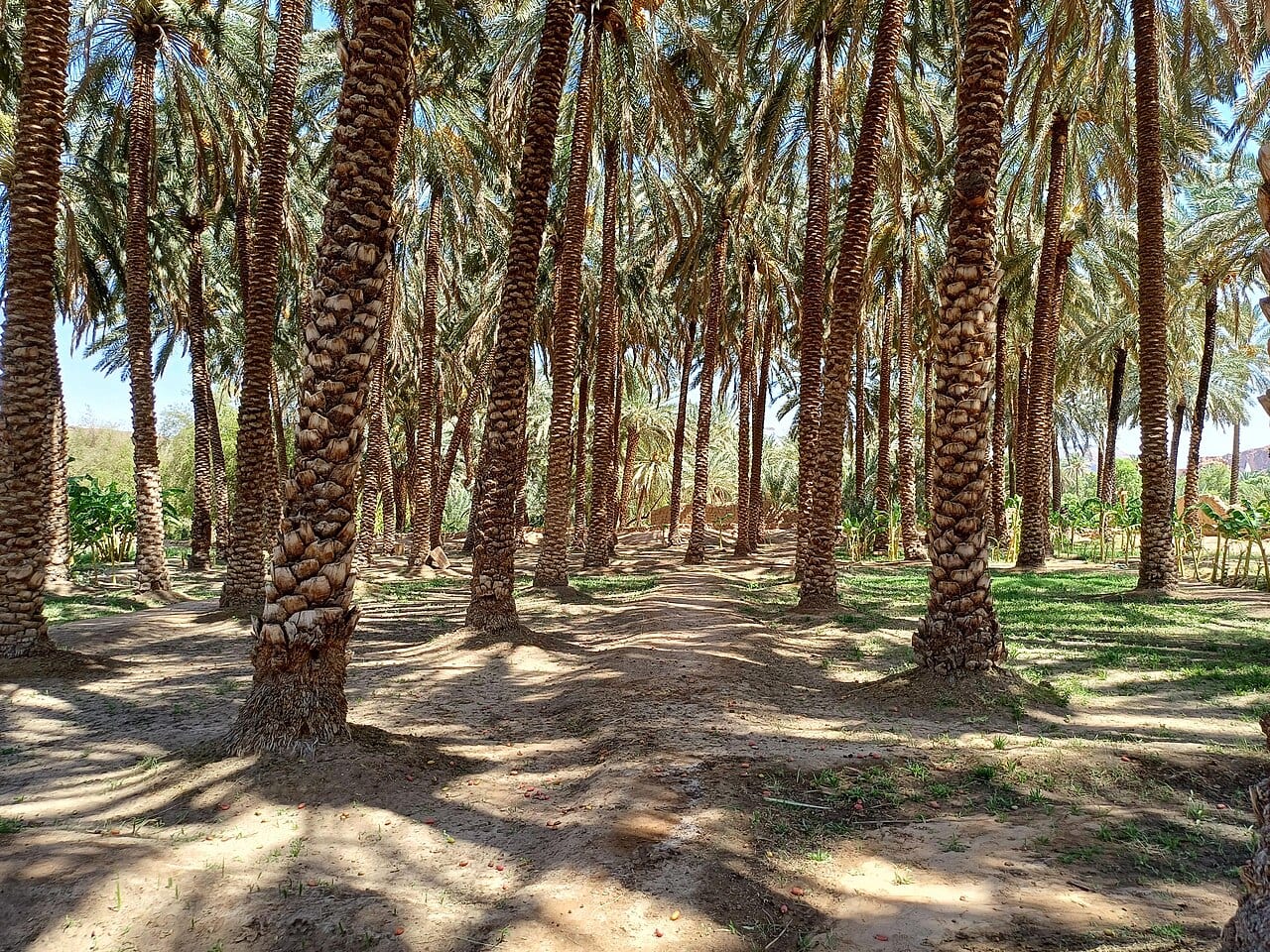
Walk or cycle the shaded paths through the AlUla oasis, where date palms and citrus farms run along the valley floor. For the big view, drive up to the Harrat Viewpoint on the volcanic plateau above the town at sunset. Outdoor experiences change by season, but typically include hiking trails, horse and camel rides, guided stargazing well away from any light, and, at some points in the season, hot-air balloon flights over the rocks. Sharaan Nature Reserve, east of the valley, protects a landscape of canyons and wildlife and is part of a programme to bring the Arabian leopard back to the area.
What to eat
As everywhere in Saudi Arabia, all food served is halal. AlUla's farms supply much of what you eat here, and the dates are famous.
- Kabsa and mandi: spiced rice with lamb or chicken, the classic family meal across the kingdom.
- Jareesh and saleeg: comforting dishes of cracked wheat and creamy rice cooked in broth, perfect on a cold desert evening.
- Mataziz and marqooq: hearty stews of vegetables and meat cooked with pieces of thin dough, traditional Saudi home cooking.
- Dates and Saudi coffee: AlUla's dates with light, cardamom-scented gahwa, offered almost everywhere you go.
- Citrus: in winter, AlUla's oranges and lemons are in season, often squeezed fresh in the Old Town cafés.
The Old Town and AlJadidah have the most choice in the evenings, from traditional Saudi kitchens to modern cafés; resorts have their own restaurants, and desert camps usually include dinner.
Getting around
Hire a car. The sites are spread across a wide valley, with Hegra north of town and Maraya and the resorts in the Ashar Valley, and ride-hailing is thinner here than in the big cities. Car rental desks are at the airport. Heritage sites are visited by booked tour, so plan your days around your tour times, and leave margin for the drive. Fill up the tank before longer trips and carry water at all times.
A 3-day plan
- Day 1: arrive, settle in, an afternoon walk in the oasis, then the Old Town and AlJadidah for the evening.
- Day 2: a morning Hegra tour, a long lunch and rest, then Elephant Rock at sunset.
- Day 3: Dadan and Jabal Ikmah in the morning, Maraya and the Ashar Valley in the afternoon, sunset at the Harrat Viewpoint.
A 5-day plan
- Day 1: arrive, the Old Town at dusk.
- Day 2: Hegra and the Hijaz Railway station; Elephant Rock at sunset.
- Day 3: Dadan and Jabal Ikmah; an evening stargazing experience.
- Day 4: an outdoor day: a hike, a horse or camel ride, or a balloon flight if it is running; Maraya on the way back.
- Day 5: a slow morning in the oasis, the Harrat Viewpoint, and the drive or flight out.
Want it built around your family and your dates, or combined with Madinah? Our AI trip planner puts together the day-by-day plan with flights and stays.
Practical tips
- Book ahead: heritage site tours have fixed times and limited places, especially in December, January and the November school break.
- Dress: modest, comfortable clothes that cover shoulders and knees work everywhere; add a hat, sunglasses and good shoes for sand and rock.
- Layers: winter days are warm, nights cold. Bring a fleece or jacket for evenings and early tours.
- Money: Saudi riyals (SAR). Cards and phone payments are accepted almost everywhere.
- Official information: Experience AlUla for sites, tours and events, and Visit Saudi for the rest of the country.
FAQ
How many days do I need in AlUla?
Three days cover Hegra, Dadan, Jabal Ikmah, Elephant Rock and the Old Town. Five give you time for an outdoor day and a slower pace.
Can I visit Hegra on my own?
No, Hegra is visited by booked tour from the welcome centre. Book through Experience AlUla before you arrive.
Is AlUla good for children?
Yes. The railway station, Elephant Rock, the oasis paths and the open desert are all great for children; just keep midday sightseeing short.
What is the best month to visit?
November to February for the most comfortable temperatures; November and March are a little warmer and often quieter.
Do I need a car?
Realistically, yes. The sites are far apart and ride-hailing is limited.
Can I combine AlUla with Madinah?
Easily. The drive is about three and a half to four hours on a good highway, and many families do Madinah first, then AlUla.