Riyadh used to be the capital you flew through on the way to somewhere else. Not any more. In a few years it has become one of the most interesting cities in the region to visit: the mud-brick birthplace of the Saudi state restored at Diriyah, a winter of festivals and shows that fills the city from autumn to spring, a new Metro, museums that are genuinely good, and a desert escarpment an hour away that people cross the world to stand on. This Riyadh guide is for a first visit of four days or so, for families and friends from the Gulf, Jordan and Egypt who want the city done well. Everything is halal and alcohol-free by law, prayer shapes the day, and the welcome is warm; what you need is timing and a plan.
When to go
Riyadh is a desert city and the calendar matters more than anywhere else in this series. November to February is the season: days of 18–26°C, cold clear nights (bring a real jacket; it can touch single digits in January), and Riyadh Season, the city-wide festival of zones, shows, concerts, sports and pop-up restaurants that runs roughly from October or November into March; the Boulevard zones, Winter Wonderland and the Diriyah events all belong to it, and dates and tickets are on the official site. March and October are warm and pleasant. May to September is 42–46°C and bone dry: the city lives indoors and at night, hotels are cheap, and the Edge of the World is off the table. Ramadan in Riyadh is extraordinary: the city turns nocturnal, families fill the parks after taraweeh, and the Diriyah and Boulevard zones run Ramadan programmes.
Getting there and getting around
King Khalid International Airport (RUH) is north of the city; the new Riyadh Metro (opened 2024) runs from the airport on the Yellow Line and along the Olaya spine on the Blue Line, with clean, air-conditioned stations and family carriages; buy a card at the machines or pay by card at the gate. Taxis, Uber and Careem are everywhere and cheap by Gulf standards; distances are large, so plan one district per half day. Visas: GCC citizens enter freely; residents of GCC countries and citizens of some sixty countries can get a tourist e-visa online, and holders of valid US, UK or Schengen visas qualify too; check the official visa portal for your case before you book. Dress is modest for everyone; an abaya is no longer required of visitors but long, loose clothing is the norm and what everyone will be most comfortable in. Our AI trip planner will arrange the days below around prayer times, which here really do shape opening hours.
Diriyah and At-Turaif
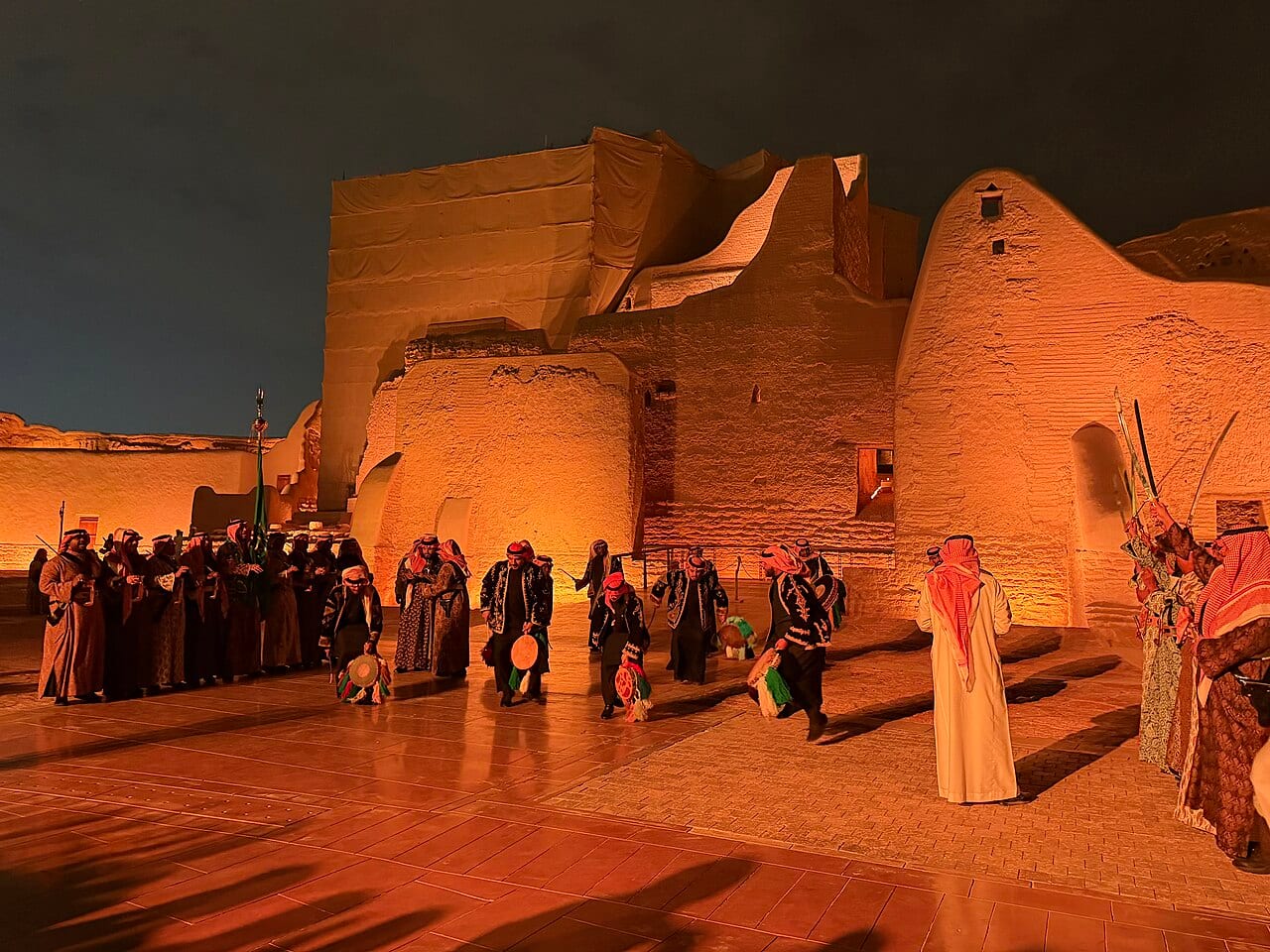
Twenty minutes north-west of the centre, Diriyah is where the first Saudi state was founded in the eighteenth century, and At-Turaif, its mud-brick citadel on the bluff above Wadi Hanifa, is a UNESCO World Heritage site restored and opened to visitors. Walk the lanes of Najdi architecture (thick adobe walls, triangular windows, carved doors), see the Salwa Palace and the museums of Arabian horses, trade and daily life, and time it for the hour before maghrib when the walls glow orange and the lights come on. Across the wadi, Bujairi Terrace is a cluster of restaurants with the citadel as a backdrop, all halal and family-friendly, from Saudi fine dining to international chains. Tickets are booked online through Diriyah's own site; during Diriyah Season (winter) the area hosts concerts, markets and sports. Pray in the Imam Mohammed bin Saud Mosque at Bujairi, a modern Najdi-style mosque on the terrace.
Masmak Fort and the old centre
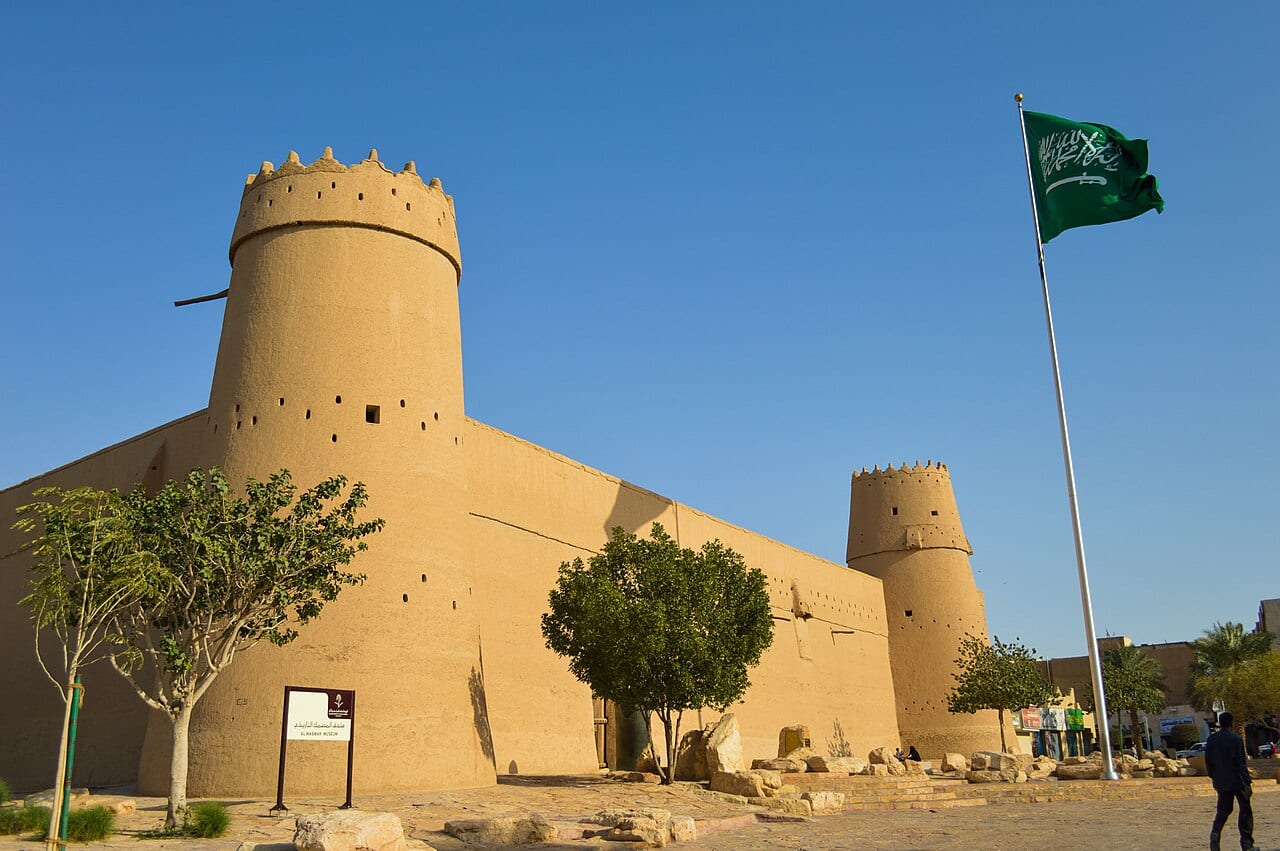
In the Qasr Al Hukm district, the Masmak Fort is the clay-and-mud fortress whose recapture in 1902 began the modern kingdom; the museum inside is free and tells the story well, and the spearhead still lodged in the gate is the detail every child remembers. Around it are the Imam Turki bin Abdullah Grand Mosque, one of the largest in the city, where dhuhr with the congregation is a fine experience, and the old souqs: Souq Al Zal for carpets, antiques, oud and Bedouin silver (the afternoon auctions are theatre), and the lanes of Deira for thobes, bisht cloaks, perfumes and dates. Come in the late afternoon, pray maghrib at the Grand Mosque and eat kabsa nearby; the area is at its best after dark.
The towers and the National Museum
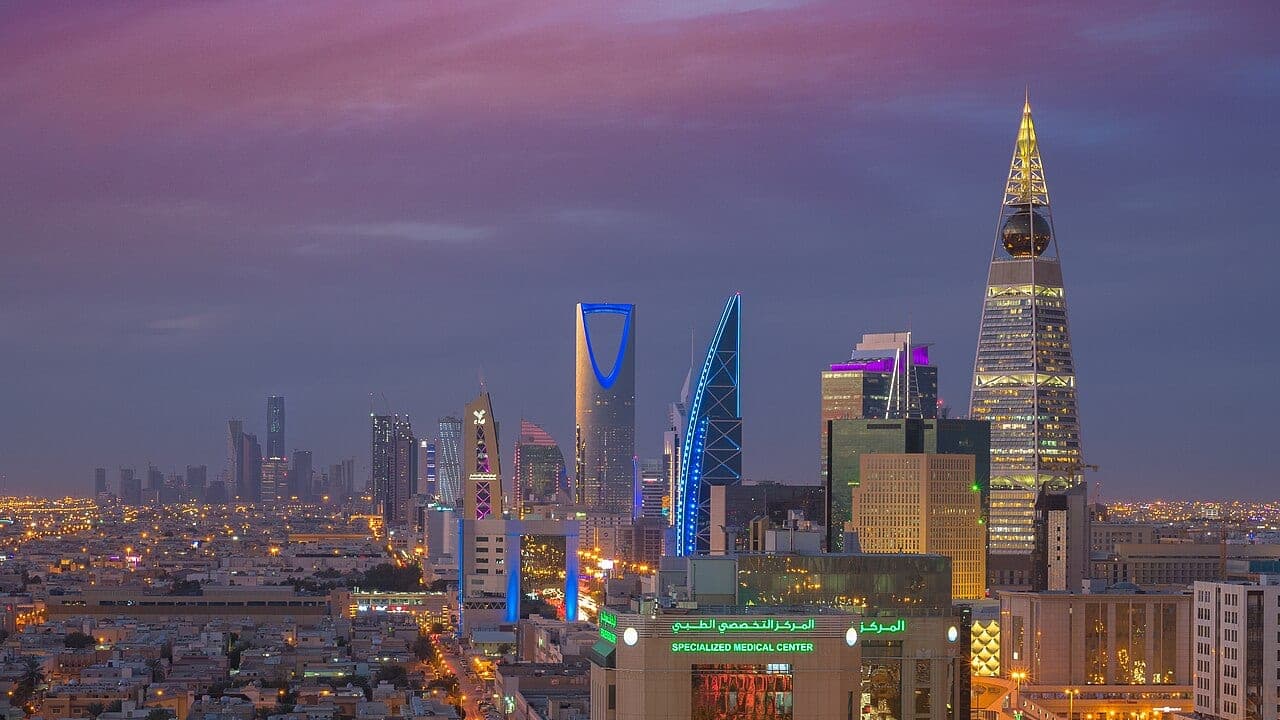
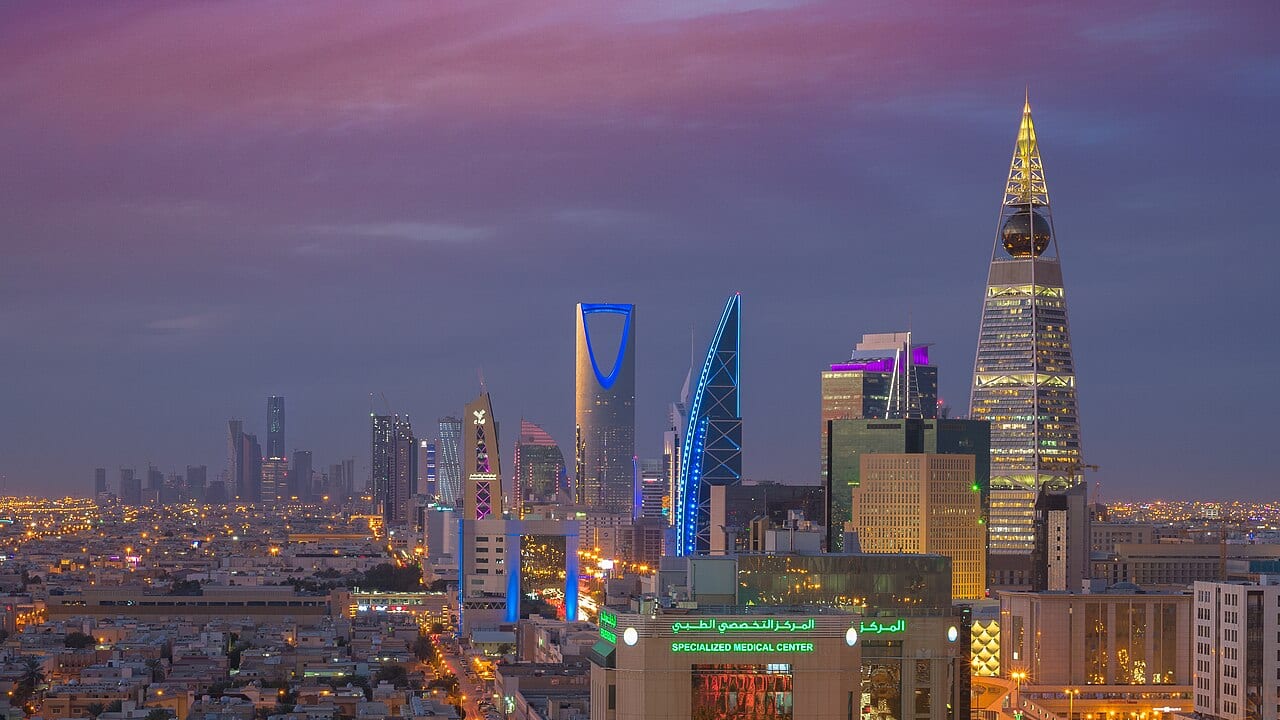
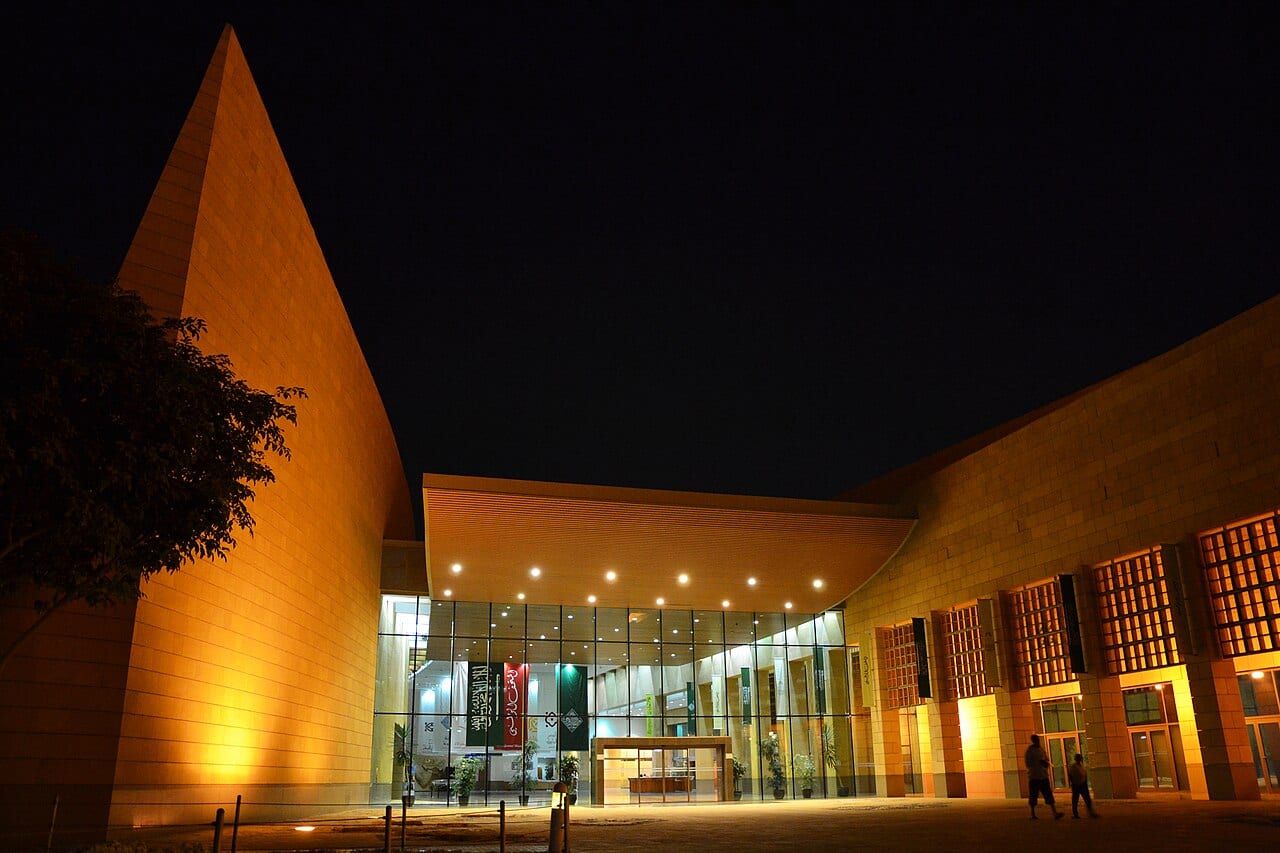
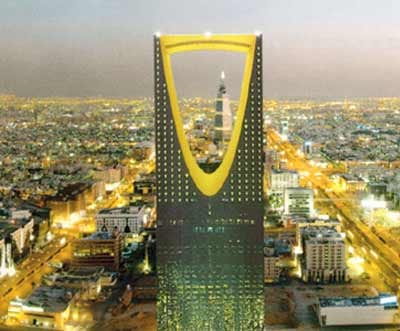
Riyadh's skyline is two towers: the Kingdom Centre, with its opening at the top crossed by the Sky Bridge (a ticketed lift to the 99th floor; go at sunset for the view down Olaya and the whole lit grid of the city), and the Al Faisaliah Tower with its glass globe. Both have malls and prayer rooms at their feet. A few kilometres south, the National Museum of Saudi Arabia in the King Abdulaziz Historical Centre is one of the best museums in the Arab world: eight halls from the geology of Arabia and the pre-Islamic kingdoms through the Prophet's biography and the Islamic era to the unification, with a full-scale model of a Nabataean tomb, excellent Arabic and English labels and gardens outside for the children to run in. The restored Murabba Palace next door was King Abdulaziz's court. Allow a half day.
Riyadh Season and the Boulevard
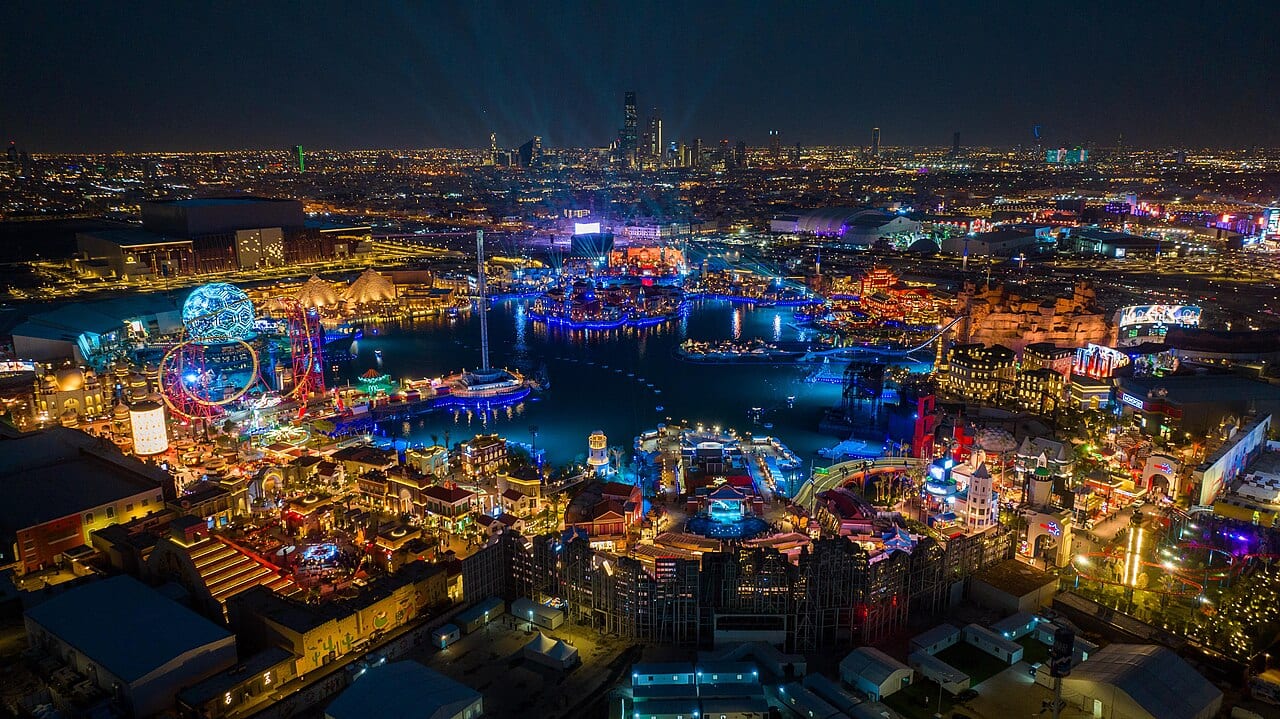
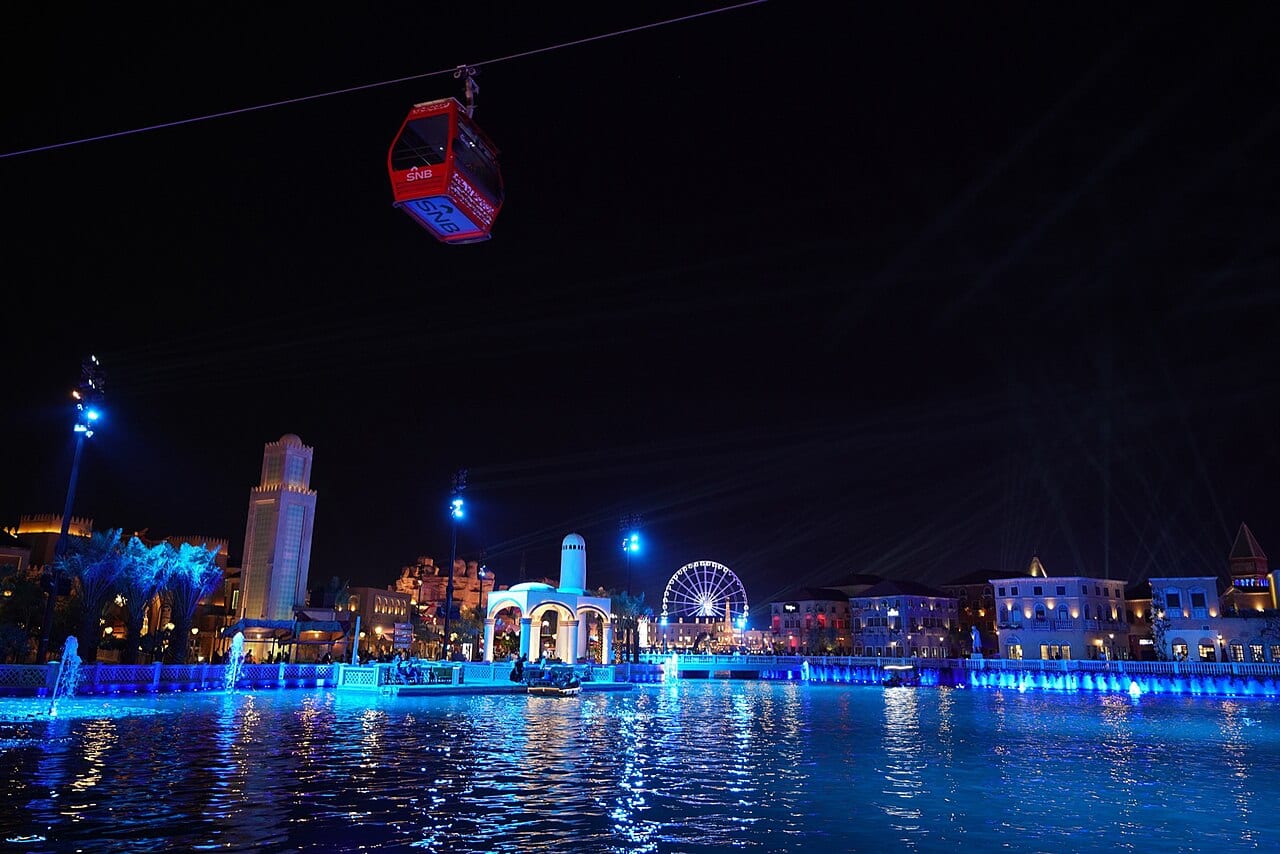
From autumn to spring the city becomes a festival. Boulevard City is a district of restaurants, shows, a lake with a fountain show and streets of screens; Boulevard World next to it recreates a dozen countries around a huge lake with a cable car over it, a theme park and world food, and is where Gulf families spend their winter evenings. Entry to the Boulevard zones is ticketed; shows, rides and the big concerts are separate, and the popular nights sell out, so book on the official Riyadh Season site before you fly. Everything is family-oriented and halal; the atmosphere after isha on a winter weekend is like nothing else in the region. Winter Wonderland (funfair) and the sports events in Diriyah belong to the same season.
Wadi Hanifa and the Edge of the World
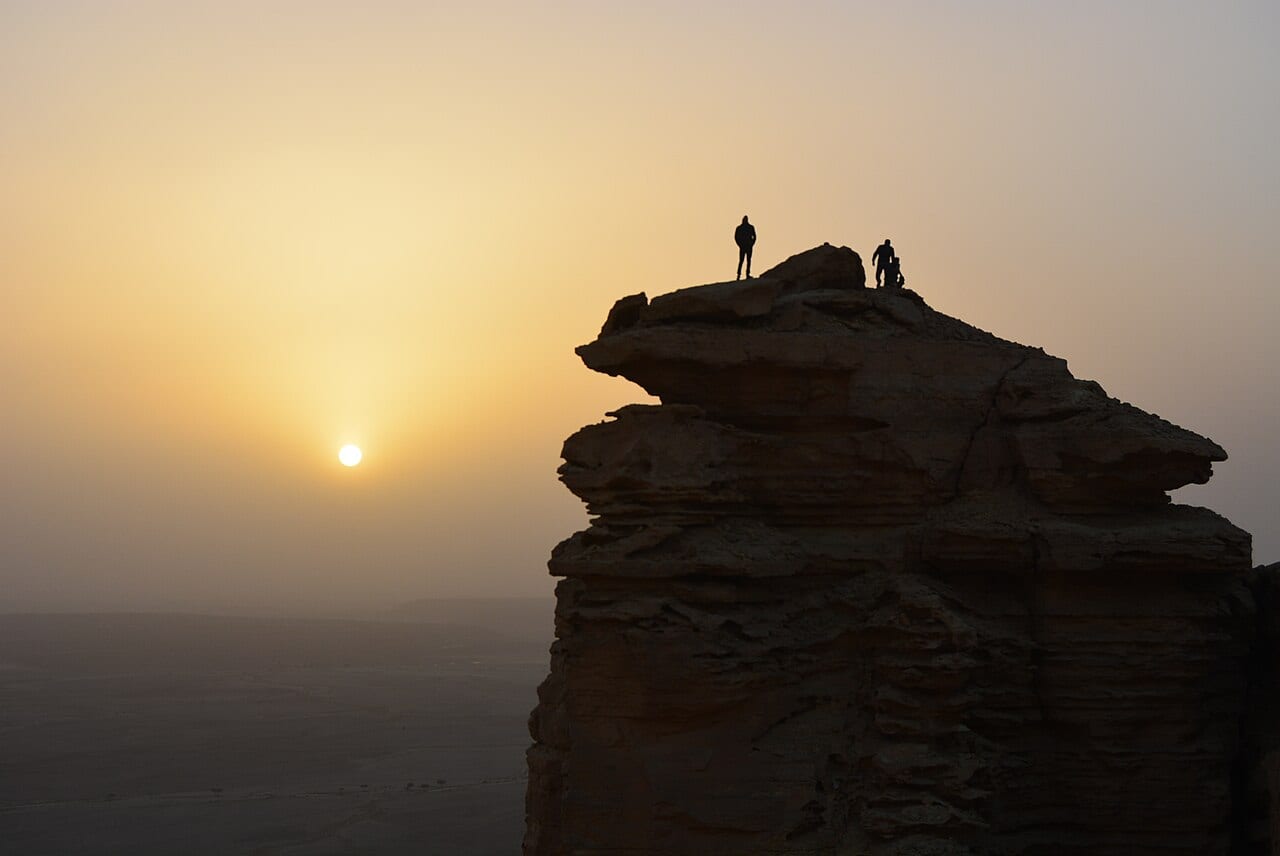
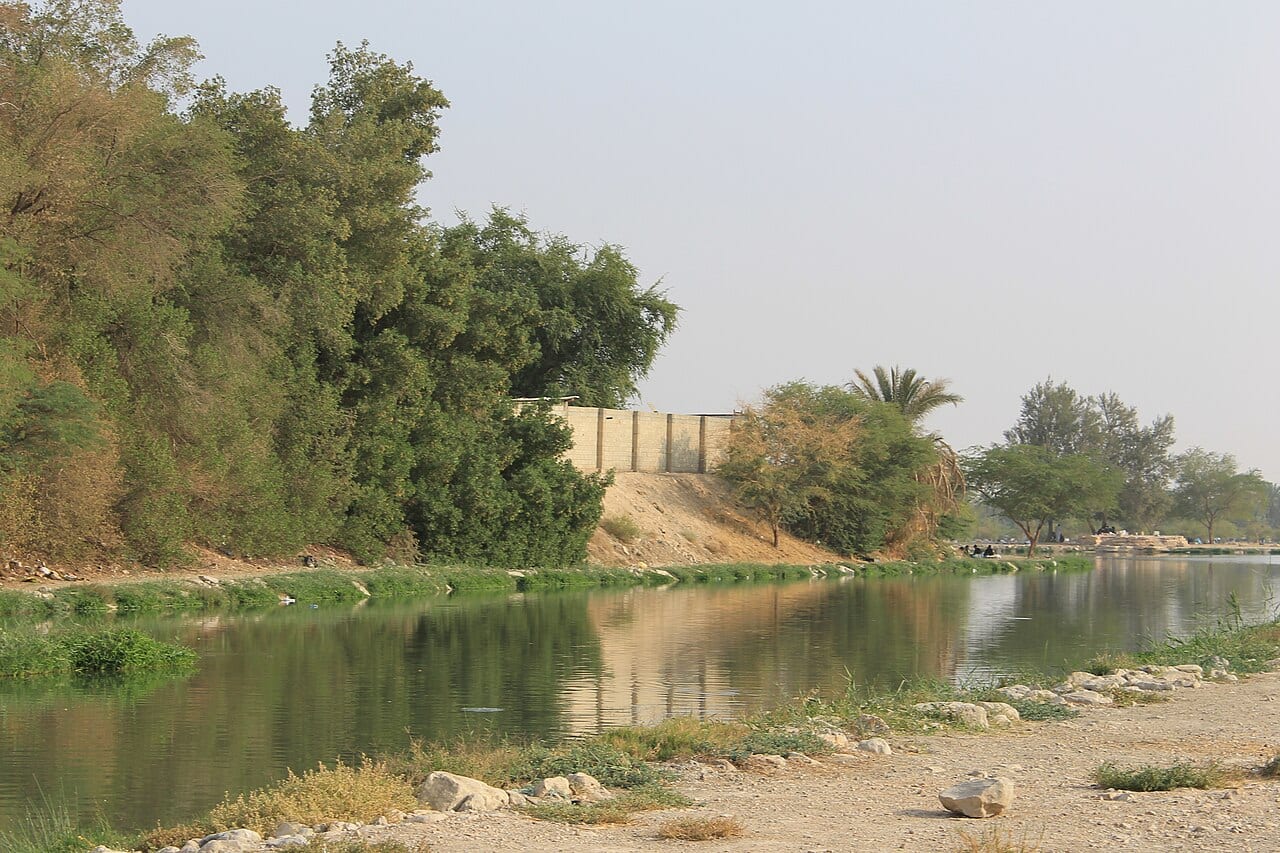
Riyadh has a green valley running through it. Wadi Hanifa, cleaned and landscaped over the past two decades, is 120 kilometres of walkways, palm groves, picnic lawns and small lakes, best at the Diriyah end and the Al Elb dam in the late afternoon; locals bring tea and grills and stay until dark. An hour and a half north-west, where the Tuwaiq escarpment drops without warning into the plain, is the Edge of the World (Jabal Fihrayn): a line of cliffs three hundred metres high with a view across an empty desert to the horizon, and the single best photograph in Saudi Arabia. Go with a licensed operator in a four-wheel drive (the last stretch is rough track), leave the city after asr to arrive before sunset, pray maghrib on the clifftop and drive back under the stars. It is closed in the summer heat and sometimes for weather; check that it is open on your dates.
Where to pray and what to eat
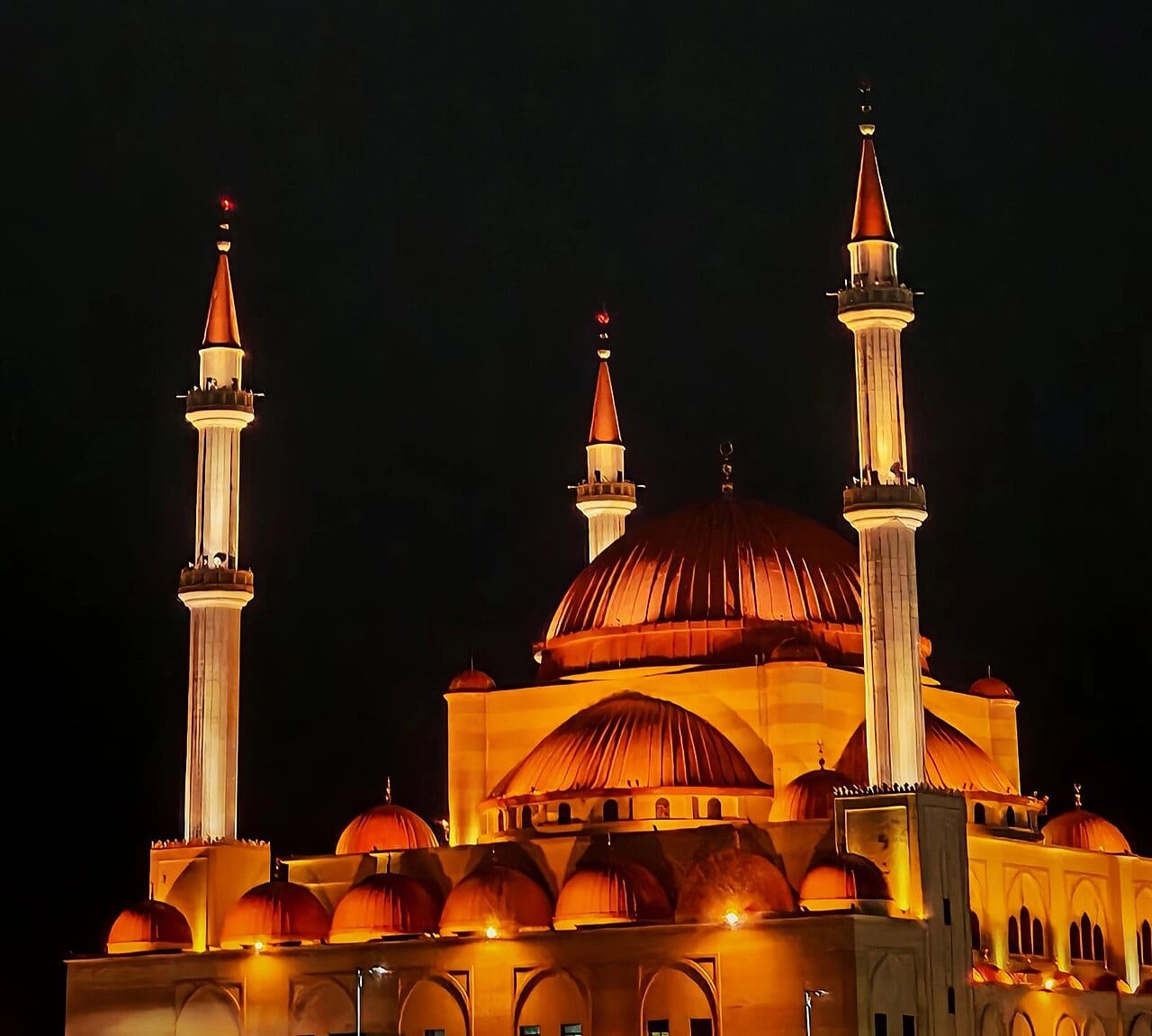
Riyadh is built around prayer: the adhan is everywhere, every mall, park and petrol station has a mosque or prayer room, and many shops still pause for the twenty minutes of each prayer. The Al Rajhi Grand Mosque in Al Rabwah, one of the largest in the kingdom, and the Imam Turki bin Abdullah Grand Mosque by Masmak are the two to visit for a congregational prayer. Combining the capital with Umrah is easy by air or train: see our destination pages for Makkah and Madinah.
Food here is Najdi, and it is heartier than the coast. Kabsa is the national dish (spiced rice with chicken, lamb or camel), jareesh is crushed wheat cooked with meat and yoghurt, marqooq a stew with thin dough, mathlouta the three-layer feast dish, hininy a date-and-bread dessert and kleija the cardamom biscuits from Qassim; all of it comes with Saudi coffee and dates. Najd Village is a chain of heritage restaurants serving exactly this in mud-brick rooms on floor cushions, and the kabsa chains of the city serve the real thing at family prices; shawarma and fresh-juice chains are open until the small hours. Diriyah's Bujairi Terrace is the place for a special dinner. Everything, everywhere, is halal by law, so you can simply eat.
A four-day plan
- Day one, the old city. National Museum and Murabba Palace in the morning, dhuhr at the Imam Turki Grand Mosque, Masmak Fort and the souqs through asr and maghrib, kabsa in the old centre.
- Day two, Diriyah. A slow morning, At-Turaif from asr to the blue hour, maghrib at Bujairi, dinner on the terrace with the citadel lit behind you.
- Day three, the new city. Kingdom Centre Sky Bridge at sunset after a day of malls and parks (Wadi Hanifa picnic in the afternoon), then Boulevard World or Boulevard City after isha in season.
- Day four, the desert. Rest in the day, Edge of the World from asr to the stars with a licensed operator; or, out of season, a day at a desert camp or a drive to the red dunes of Al Thumamah.
Family tips
- Book Riyadh Season zones, the Sky Bridge and At-Turaif online before travelling; winter weekends sell out.
- Pack for two seasons in winter: 25°C at noon, 8°C at night at the Edge of the World.
- Prayer times set the rhythm: eat lunch before dhuhr or after asr, and expect a pause in shops at each prayer.
- Family sections and family hours exist in many restaurants and parks; they are for you and make everything easier with children.
- Friday is the holy day and Saturday the weekend's second day; museums open in the afternoon on Friday.
What it costs, honestly
Riyadh is mid-priced and getting dearer in winter: hotels are plentiful at every level but the Season weekends push rates up, so book early or stay a Metro ride from Olaya. The Metro and ride-hailing are cheap; Masmak, the Grand Mosques, Wadi Hanifa and the parks are free; the museum and At-Turaif are modest tickets; the Boulevard zones, the Sky Bridge, the concerts and a guided Edge of the World trip are the paid items, so choose two or three. Najdi food in local restaurants is excellent value. Compare live rates on our hotels page and flights on the flight search; Riyadh is one of the best-connected airports in the region, and the budget carriers make a weekend from Amman, Cairo or the Gulf realistic.
FAQ
Is Riyadh good for families?
Very: alcohol-free by law, prayer rooms everywhere, family sections, huge parks and the whole Riyadh Season built around families. Distances and the summer heat are the only challenges.
Do women visitors need an abaya?
No longer required by law for visitors, but modest, loose clothing is the norm and what everyone wears; a headscarf is a personal choice for non-Muslim women and expected inside mosques.
Can we visit the Edge of the World on our own?
You can drive to the area in a four-wheel drive, but a licensed operator is wiser: the track is rough, there is no signal, and access is sometimes closed. Never go in summer.
How many days?
Four covers the old city, Diriyah, the towers and the Boulevard, and the Edge of the World. A week lets you add a desert camp night and a day trip to the red sands of Al Thumamah or to the historic towns of Qassim.
Can we combine Riyadh with Umrah?
Easily: Makkah and Madinah are a short flight away, and the Haramain train links Jeddah, Makkah and Madinah. Many families do Riyadh first and end at the Haram.