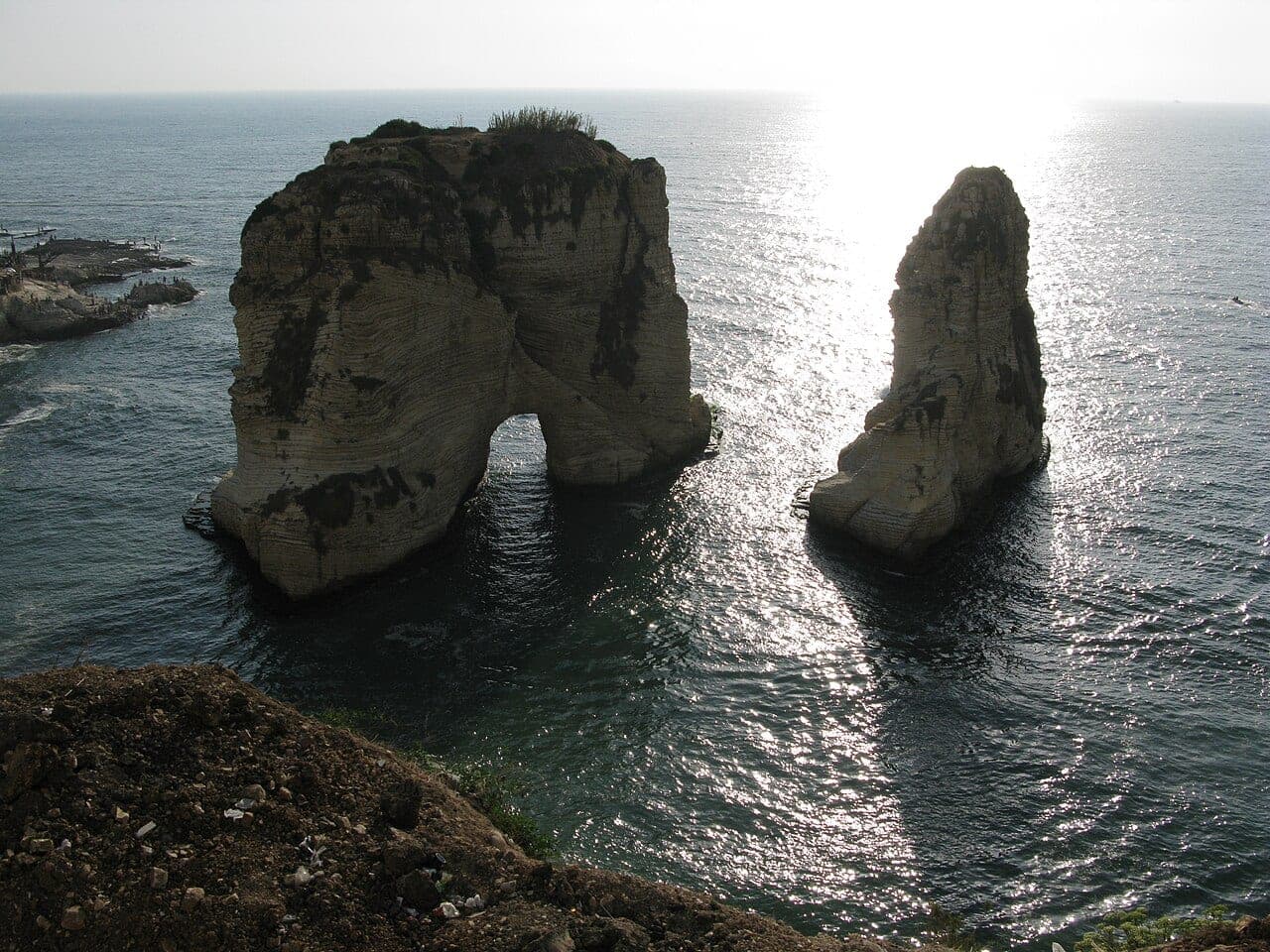
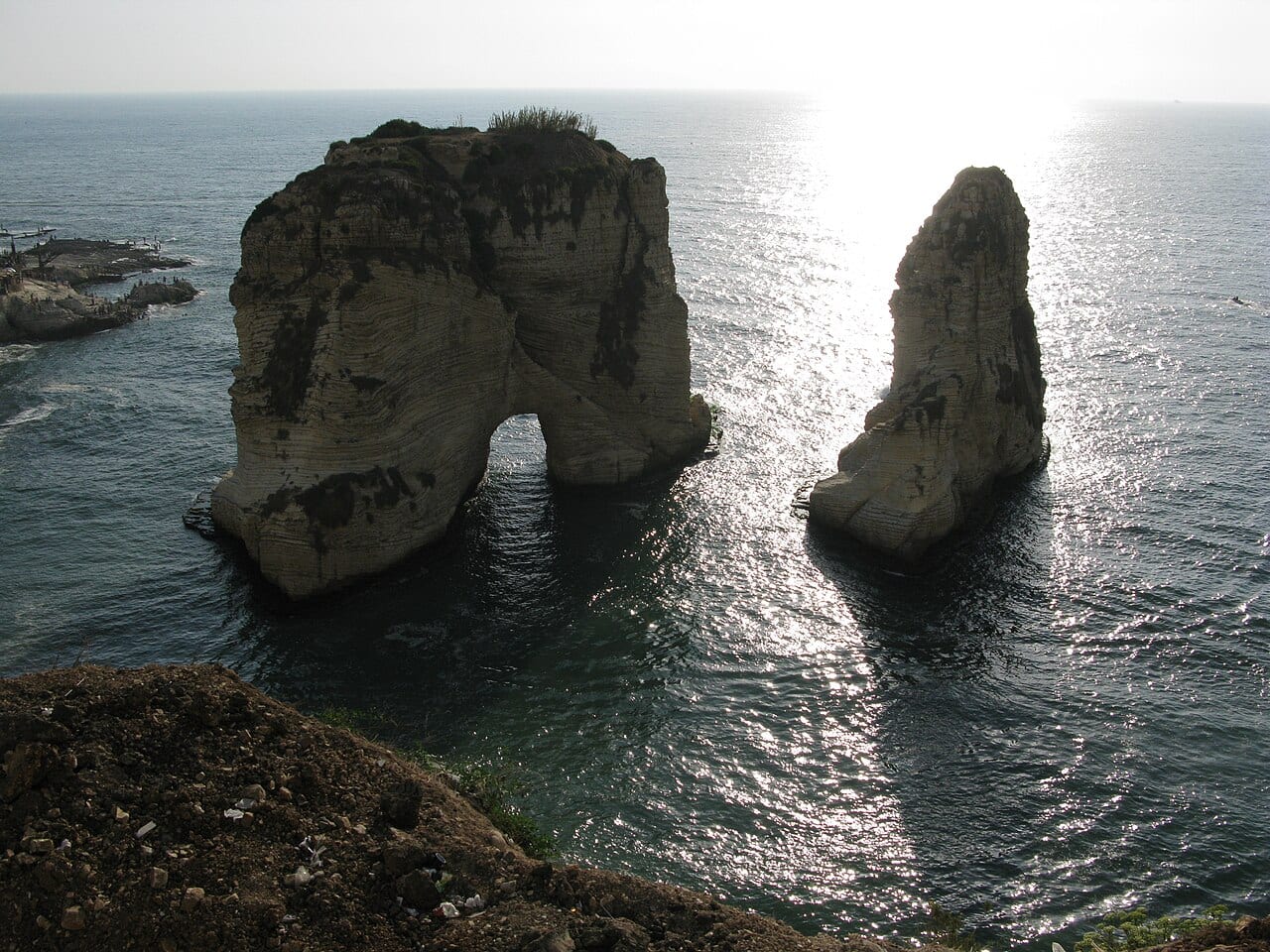
Beirut wakes up on the Corniche. By seven the joggers are out, old men are fishing off the rocks with long rods, a coffee seller is pouring cardamom coffee from a brass pot, and the Pigeon Rocks are catching the first light offshore. A few streets inland the city is already loud: bakeries pulling man'oushe out of the oven, scooters weaving through traffic, a call to prayer from Downtown overlapping with church bells. Beirut has been knocked down and rebuilt more times than anyone wants to count, and it carries that history openly. It is also one of the best food cities in the region, with the mountains, a Crusader sea castle and one of the oldest towns on earth all within an hour or two. This Beirut guide covers the city, the day trips worth making and the practical things to check before you go.
Before you book: check the latest advice
Lebanon's security situation can change quickly, especially in the south of the country and near its borders. Before you book and again before you fly, read your own government's travel advice for Lebanon; some Gulf governments have at times advised their citizens against travel there, so check what applies to you. Inside Beirut, the areas covered in this guide are where visitors spend their time. Register with your embassy if it offers that service, and keep an eye on local news during your stay.
When to go
Beirut has a Mediterranean climate. Long-term averages give daily highs of about 17°C in January and February, 23°C in April, 25°C in May, 30–31°C in July and August, around 27–28°C in October and 23°C in November, with nights near 16°C in November and 11–13°C in winter. Most of the year's rain falls from November to March, heaviest in December and January.
- April to June: green mountains, wildflowers, warm days by the sea and comfortable evenings. The best all-round season.
- July and August: hot and humid in the city; the mountain towns are cooler and busy with summer visitors.
- September and October: warm sea, softer heat, and still mostly dry. Excellent.
- November: highs around 23°C, the first rains, and fewer visitors. A pleasant choice for the Saudi school break (20–28 November 2026) for city walks and food, with an umbrella in the bag.
- December to March: cool and rainy in Beirut, but snow in the mountains brings the ski season to resorts such as Mzaar Kfardebian above Faraya, about an hour from the city when roads are clear.
Getting there
Beirut–Rafic Hariri International Airport (BEY) sits on the coast just south of the city, usually twenty to forty minutes from Hamra or Downtown depending on traffic. The national carrier, Middle East Airlines, and several Gulf airlines fly direct from Gulf capitals, with flying times of roughly two and a half to four hours; from Amman the flight is about an hour, and from Cairo around an hour and a half. Search any date on our flight search, and if you are continuing on from Beirut, our route pages such as Beirut to Dubai track fares out of the city.
Use an airport taxi from the official rank or a ride-hailing app; agree the fare first if you take a taxi without a meter.
Visas and entry
Lebanon's General Directorate of General Security sets the entry rules and publishes them on its official site, general-security.gov.lb. GCC and Jordanian citizens can currently enter without a visa arranged in advance, subject to standard conditions such as a return ticket and an address in Lebanon. Egyptian citizens can obtain a visa on arrival subject to further conditions, including a hotel booking and proof of funds. Check the official site for the current list before you travel.
Where to stay
- Hamra and Ras Beirut: lively streets, cafés, bookshops and the green campus of the American University of Beirut, a short walk from the Corniche. The most practical base for first-timers.
- Downtown and Zaitunay Bay: big international hotels, the marina, the rebuilt souks and the main mosques. Quiet in the evenings in parts, very central by day.
- Raouche and the seafront: sea-view hotels near the Pigeon Rocks, ideal for Corniche walks.
- Achrafieh: old Beirut houses, the Sursock Museum and leafy residential streets on the hill east of Downtown.
Compare live rates on our Beirut hotels page.
What to see in Beirut
The Corniche and the Pigeon Rocks
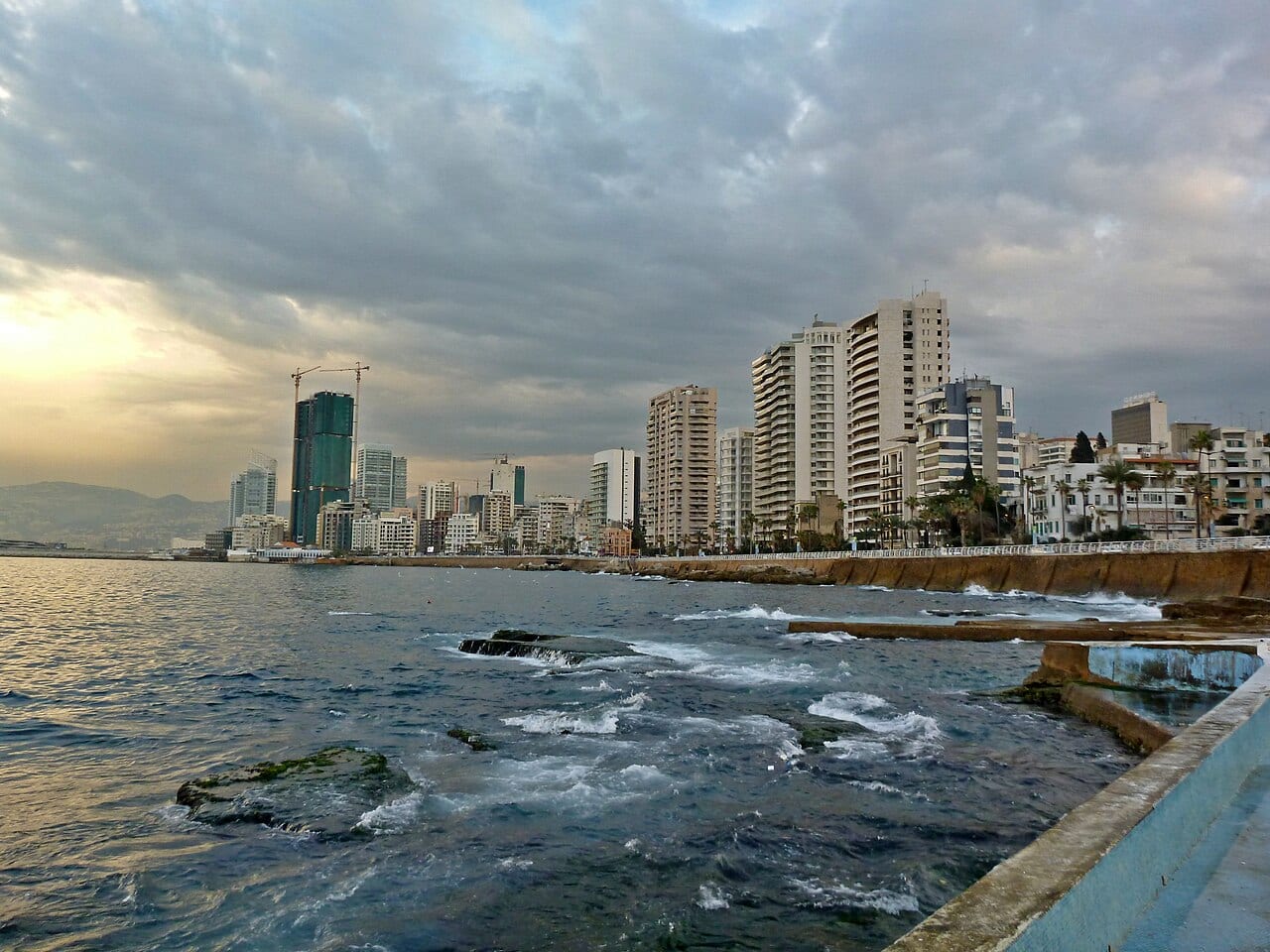
The seafront promenade runs for several kilometres from the Ain el-Mreisseh area past the lighthouse to Raouche, and it is where Beirut breathes. Walk it early in the morning or before sunset, stop for a coffee or a fresh juice, and end at the Pigeon Rocks, two huge limestone arches standing in the sea. Small boats from the rocks below take visitors out around them in calm weather.
Downtown and its mosques
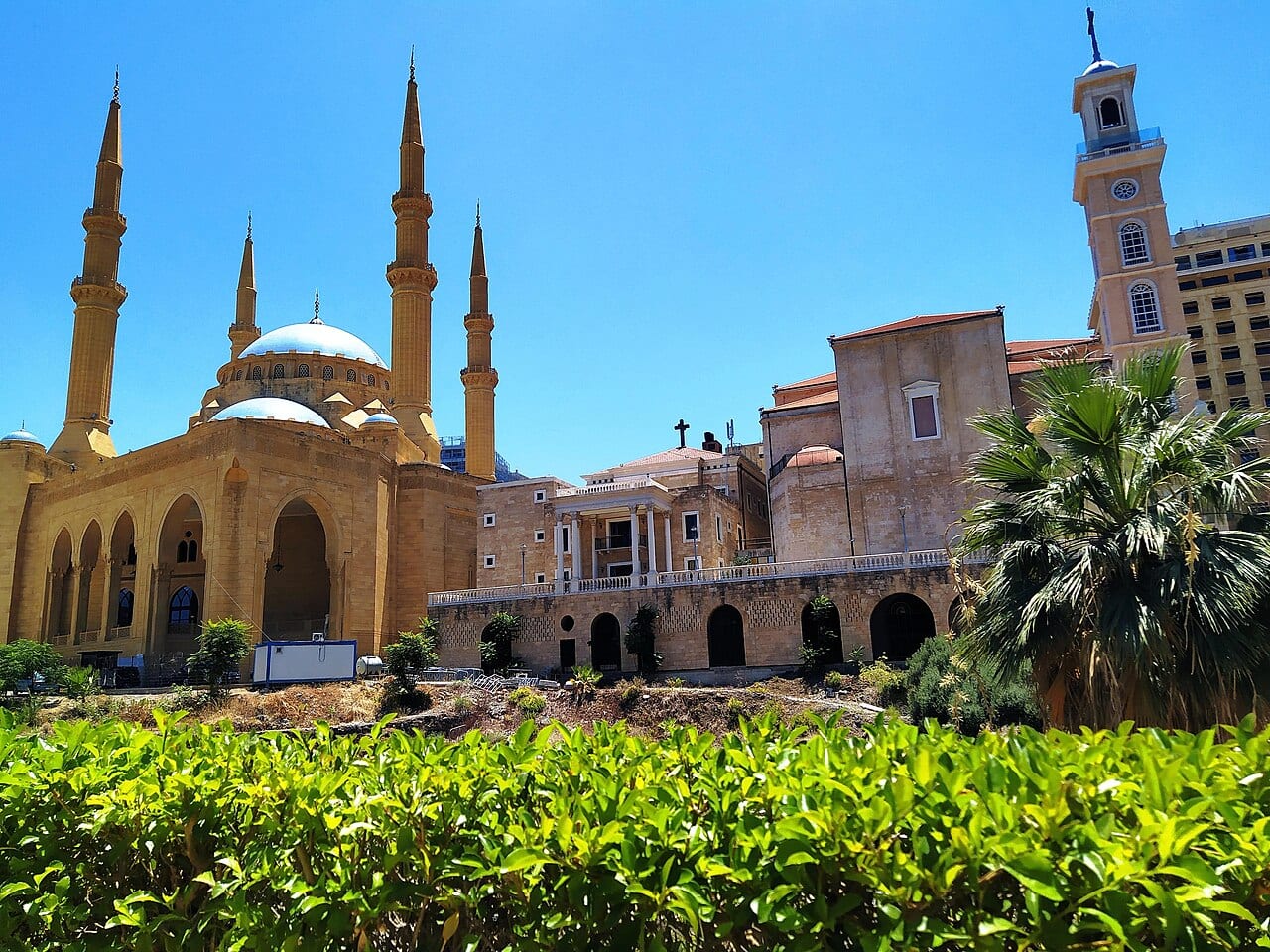
Beirut's centre was destroyed in the civil war and rebuilt from the 1990s on. At Martyrs' Square, the blue-domed Mohammad Al-Amin Mosque, completed in 2008 in an Ottoman style, stands right beside St George's Maronite Cathedral, a pairing that says a lot about the city. A few minutes away, the Al-Omari Grand Mosque was built as a Crusader-era church and converted to a mosque in the thirteenth century, and the small Emir Munzer Mosque is one of the oldest in the centre. Around them are Roman baths, excavated ruins and the rebuilt Beirut Souks.
The National Museum of Beirut
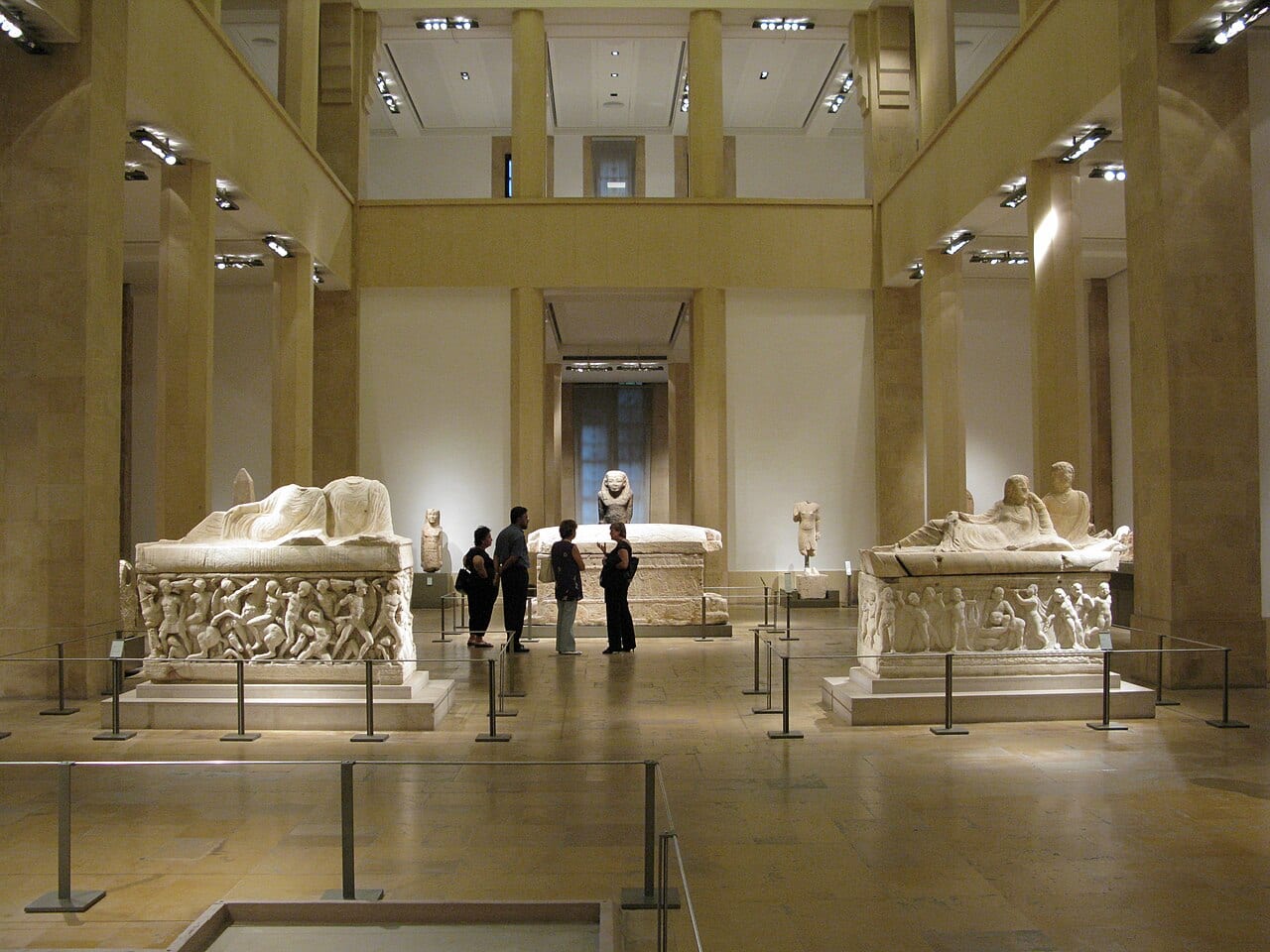
One of the finest archaeological museums in the Middle East, and a story in itself: during the civil war, staff encased the largest pieces in concrete to protect them. Today the main hall is lined with Phoenician and Roman sarcophagi and statues, and the collection runs from prehistory to the Ottoman period. Look for the sarcophagus of Ahiram, king of Byblos, whose inscription is one of the earliest examples of the Phoenician alphabet. Allow two hours.
Achrafieh, the Sursock Museum and Gemmayzeh
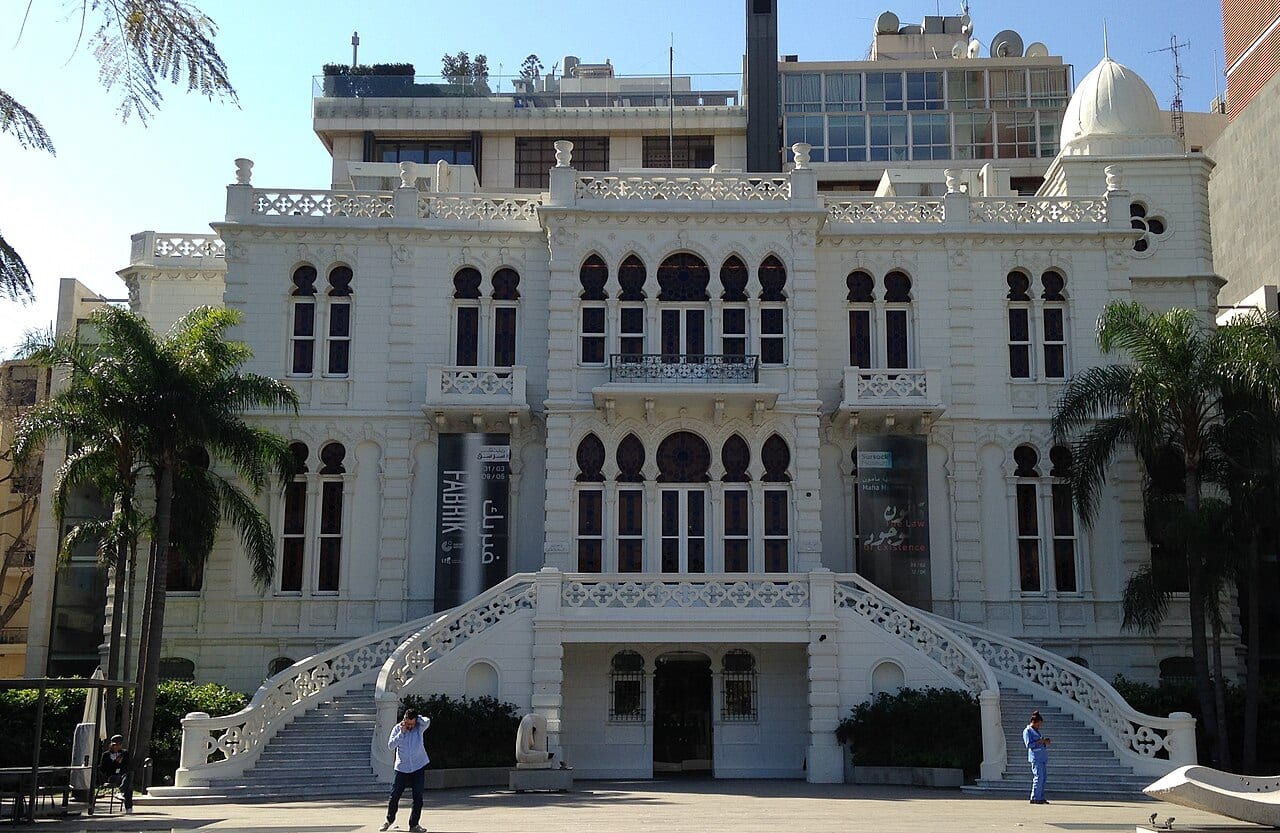
Up the hill, the white villa of the Sursock Museum houses modern and contemporary art, with a museum garden and a good shop. From there, wander down through Achrafieh's older streets to the Saint Nicolas Stairs in Gemmayzeh, lined with old houses, plants and small galleries; visit by day, when the neighbourhood's craft shops and cafés are open.
Hamra and the American University
Hamra Street was the intellectual heart of Beirut for decades and still has the city's best mix of old cafés, bookshops and cheap eats. Just north, the campus of the American University of Beirut, founded in 1866, has shaded gardens running down toward the sea.
Day trips
Jeita Grotto and Harissa
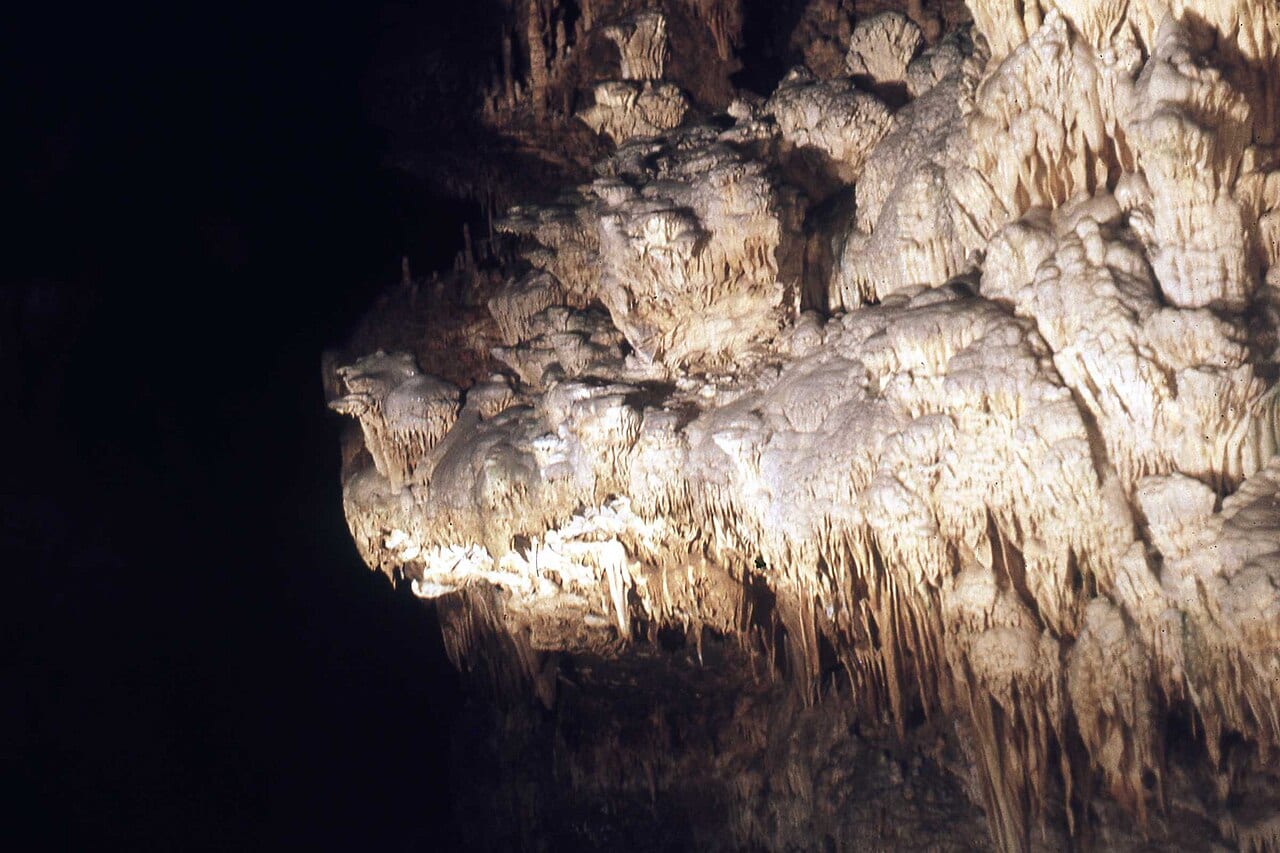
About twenty kilometres north of Beirut, Jeita is a pair of limestone caves: an upper gallery you walk through, full of huge stalactites and curtains of stone, and a lower cave explored by boat on an underground river. The lower cave can close when the water is high in winter, and photography is not allowed inside. Combine it with the cable car from Jounieh up to Harissa, where the view over the bay is spectacular.
Byblos
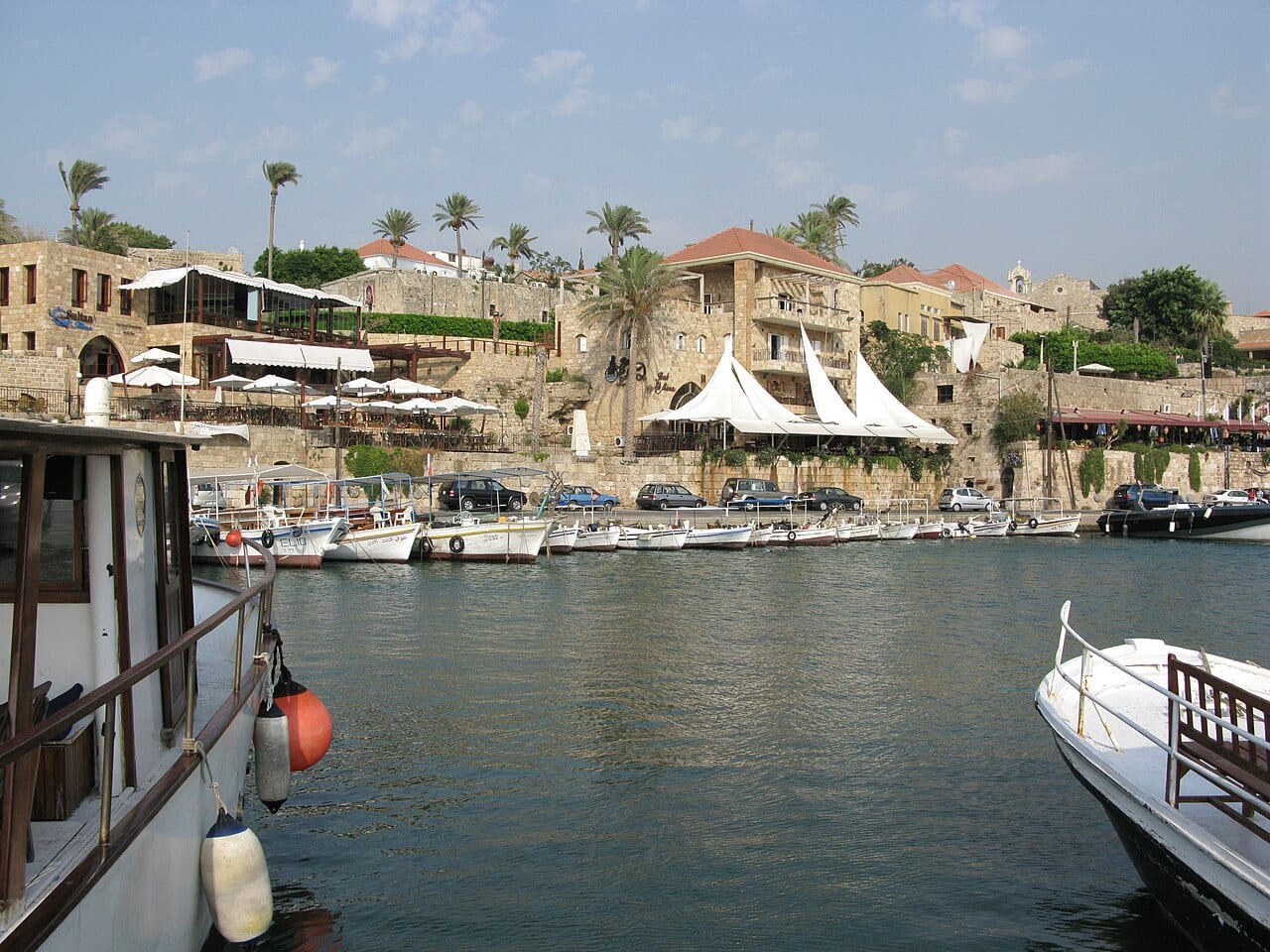
Byblos (Jbeil), about forty minutes north in good traffic, is one of the oldest continuously inhabited towns in the world and a UNESCO World Heritage Site. Walk through the ruins beside the Crusader castle, down the old souk, and finish at the little harbour with lunch overlooking the boats.
Sidon
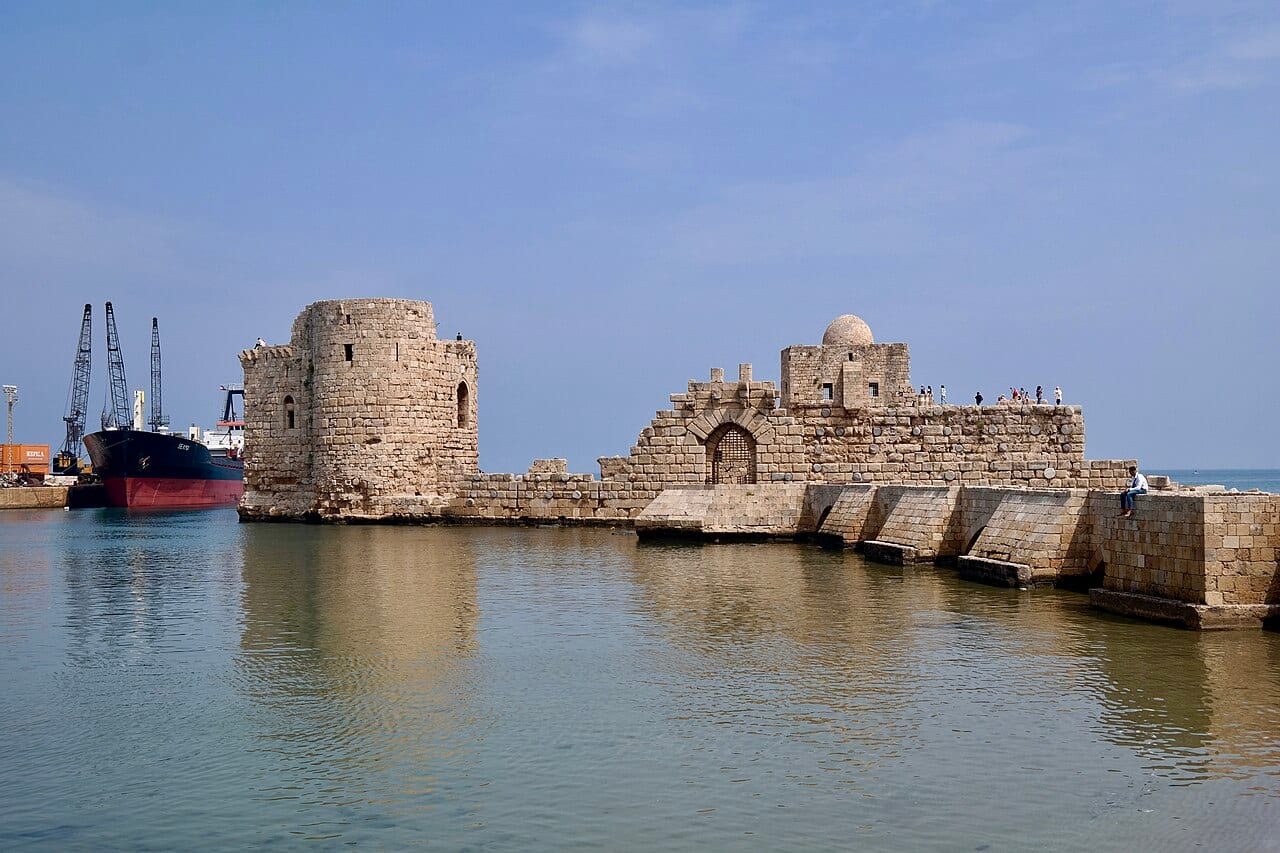
Sidon (Saida), about forty-five minutes south, has a thirteenth-century Sea Castle on a causeway in the harbour, the Khan al-Franj caravanserai, a lively old souk and a soap museum in a restored workshop. It is also a great place for fresh fish. As with any trip outside Beirut, check the current advice for the south before you go.
The Chouf and the Cedars
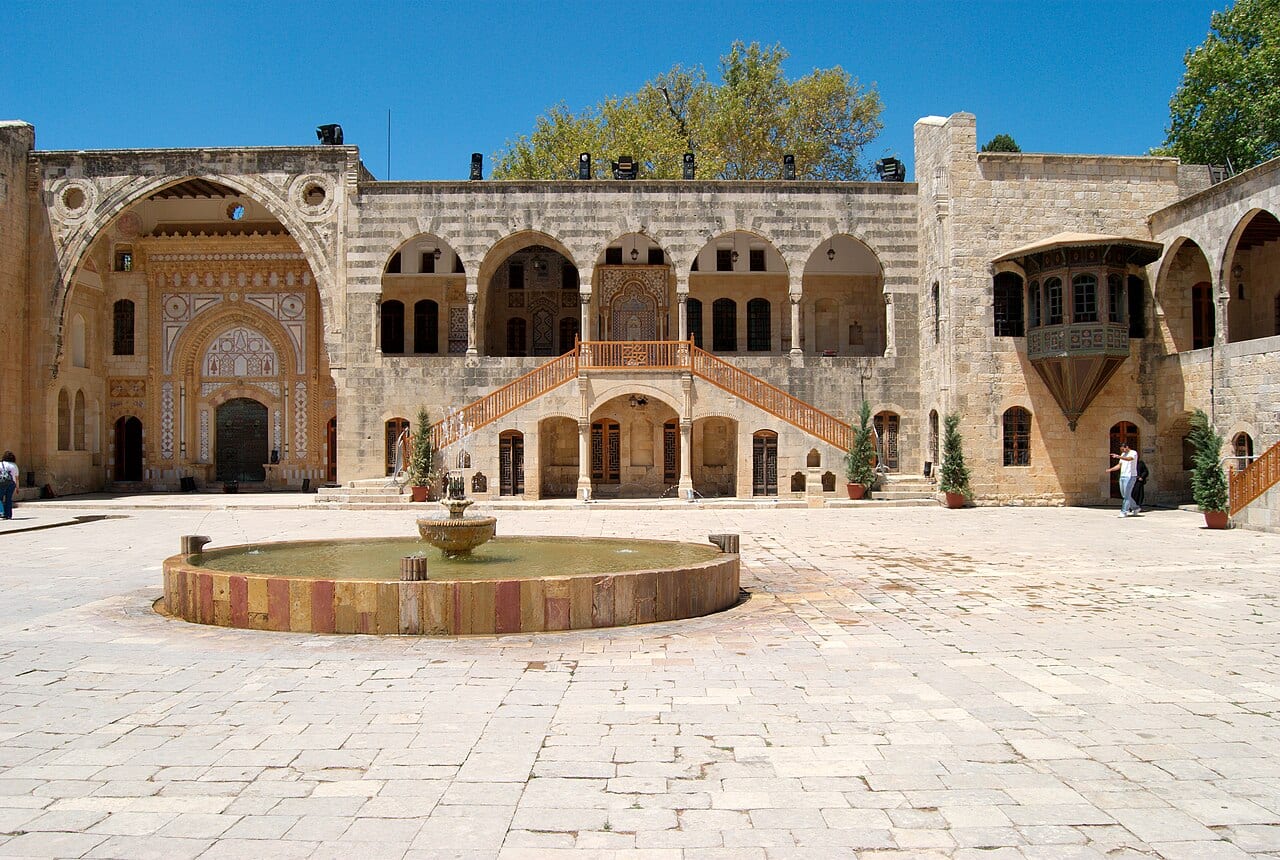
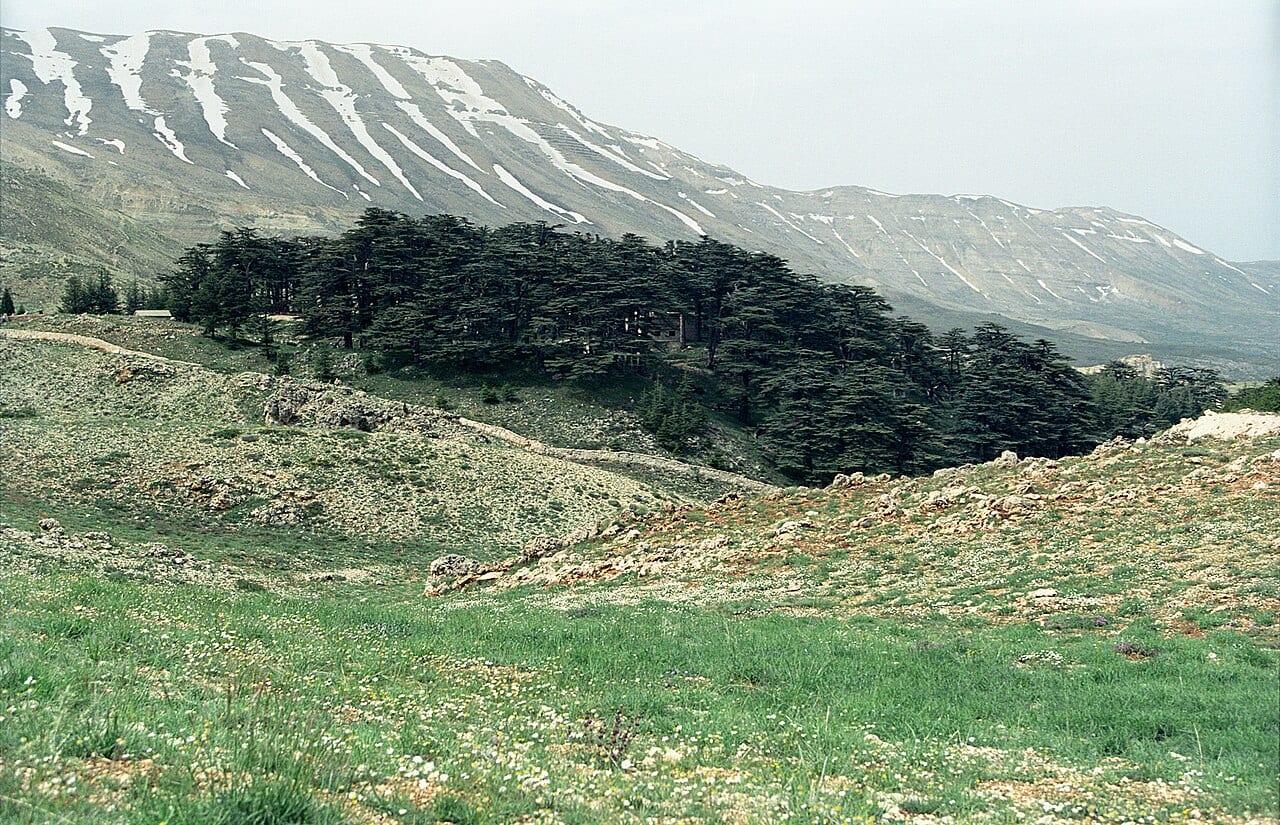
An hour south-east of Beirut, the Chouf mountains hold Beiteddine Palace, built in the nineteenth century for the emir Bashir Shihab II, with marble courtyards, fountains and painted reception rooms, and the stone village of Deir el-Qamar nearby. Further north, about three hours from the city, the Cedars of God near Bsharri are one of the last groves of ancient Lebanese cedars, above the Qadisha Valley. In winter the area becomes a small ski resort.
What to eat
Lebanese food is the reason many people come back. Lebanon is a country of many faiths, so halal meat is widely available but not universal; if it matters to you, ask before you order, or choose places that display halal signs, which are common in the city.
- Man'oushe: flatbread baked with za'atar and olive oil, or with cheese, from a neighbourhood bakery in the morning.
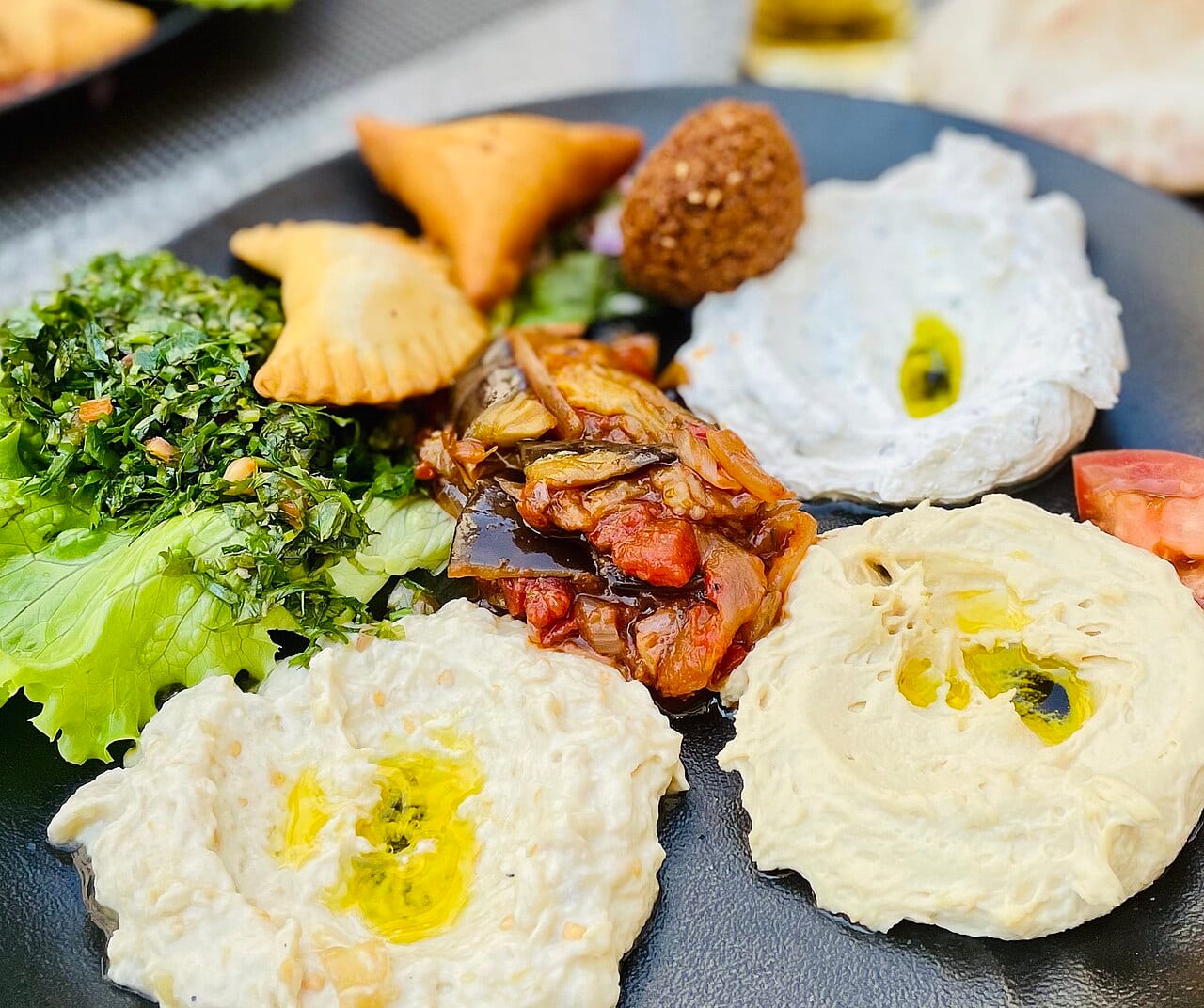
- Mezze: hummus, moutabbal, tabbouleh, fattoush, stuffed vine leaves and warm bread, ordered for the whole table.
- Kibbeh: bulgur and minced meat shells stuffed with spiced meat and pine nuts, fried or baked in a tray.
- Grills and shawarma: chicken and meat shawarma wraps with garlic sauce and pickles, and mixed grills with lamb kofta.
- Fish: fried or grilled with tahini sauce and crisp bread, best by the sea in Byblos, Batroun or Sidon.
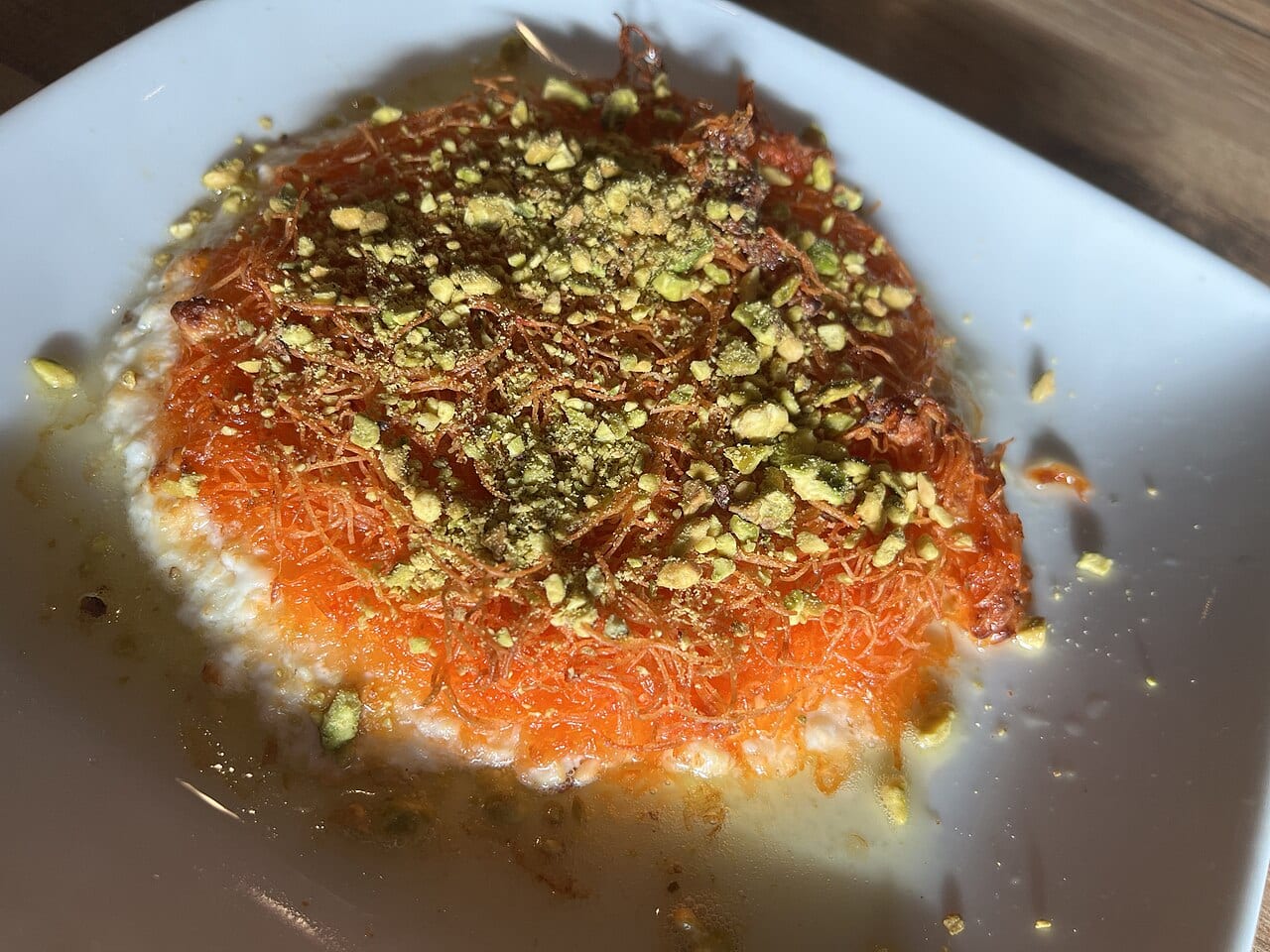
- Knafeh: warm cheese pastry soaked in syrup, eaten for breakfast in a sesame bun (ka'ak) or as dessert.
- Drinks: Lebanese coffee with cardamom, jallab with pine nuts and raisins, fresh lemonade with mint, and freshly pressed juices.
Getting around
Beirut has no metro, and traffic can be heavy. Ride-hailing apps work well and are the easiest option for visitors. Shared taxis, called service, follow set routes for a fixed fare per seat; tell the driver your destination before you get in. Hamra, the Corniche and Downtown are all walkable. For day trips, hire a car and driver through your hotel, as mountain roads and local driving take getting used to.
A 3-day plan
- Day 1, the sea and the centre: a morning Corniche walk to the Pigeon Rocks, lunch in Hamra, then Downtown: Martyrs' Square, the mosques, the Roman baths and an evening at Zaitunay Bay.
- Day 2, history and art: the National Museum in the morning, the Sursock Museum and Achrafieh in the afternoon, and the Saint Nicolas Stairs in Gemmayzeh.
- Day 3, north: Jeita Grotto, the Harissa cable car and an afternoon in Byblos with fish by the harbour.
A 6-day plan
- Day 1: arrive, an evening walk on the Corniche.
- Day 2: Downtown, the mosques and the Beirut Souks; Zaitunay Bay at sunset.
- Day 3: the National Museum, the Sursock Museum and Gemmayzeh.
- Day 4: Jeita Grotto, Harissa and Byblos.
- Day 5: the Chouf: Beiteddine Palace and Deir el-Qamar, or Sidon if the advice allows.
- Day 6: a long breakfast of man'oushe and knafeh, a last walk in Hamra, and the airport.
Want your own version built around dates, budget and children's ages? Our AI trip planner puts it together day by day.
Money and practical tips
- Cash: since Lebanon's financial crisis began in 2019, US dollars are widely used alongside Lebanese pounds, and many places quote prices in dollars. Card acceptance has improved but is not universal, so carry cash in small denominations.
- Power and connectivity: most hotels have backup generators; a local SIM or eSIM is handy for maps and ride-hailing.
- Dress: Beirut is relaxed. At mosques and churches dress modestly; women should bring a scarf for mosques.
- Official information: Lebanon's Ministry of Tourism publishes visitor information at mot.gov.lb.
FAQ
Is Beirut safe to visit?
Conditions change, sometimes quickly. Check your government's travel advice before booking and again before travel, and follow local news while you are there.
How many days do I need?
Three days cover Beirut and one day trip north. Five or six let you add the Chouf, Sidon and a slower pace.
Do GCC citizens need a visa for Lebanon?
Not in advance under the current rules, subject to standard entry conditions. Jordanians also enter without a pre-arranged visa; Egyptians get a conditional visa on arrival. Check General Security's site before you travel.
Is halal food easy to find?
Yes, in most of Beirut, but not everywhere, because Lebanon is home to many communities. Ask, or look for halal signs.
What should I pay with?
Carry US dollars in small notes as well as a card. Many places price in dollars, and some still prefer cash.
Is November a good month?
Yes. Days are warm, the first rains are short, and the city and the day-trip sites are quieter than in summer.