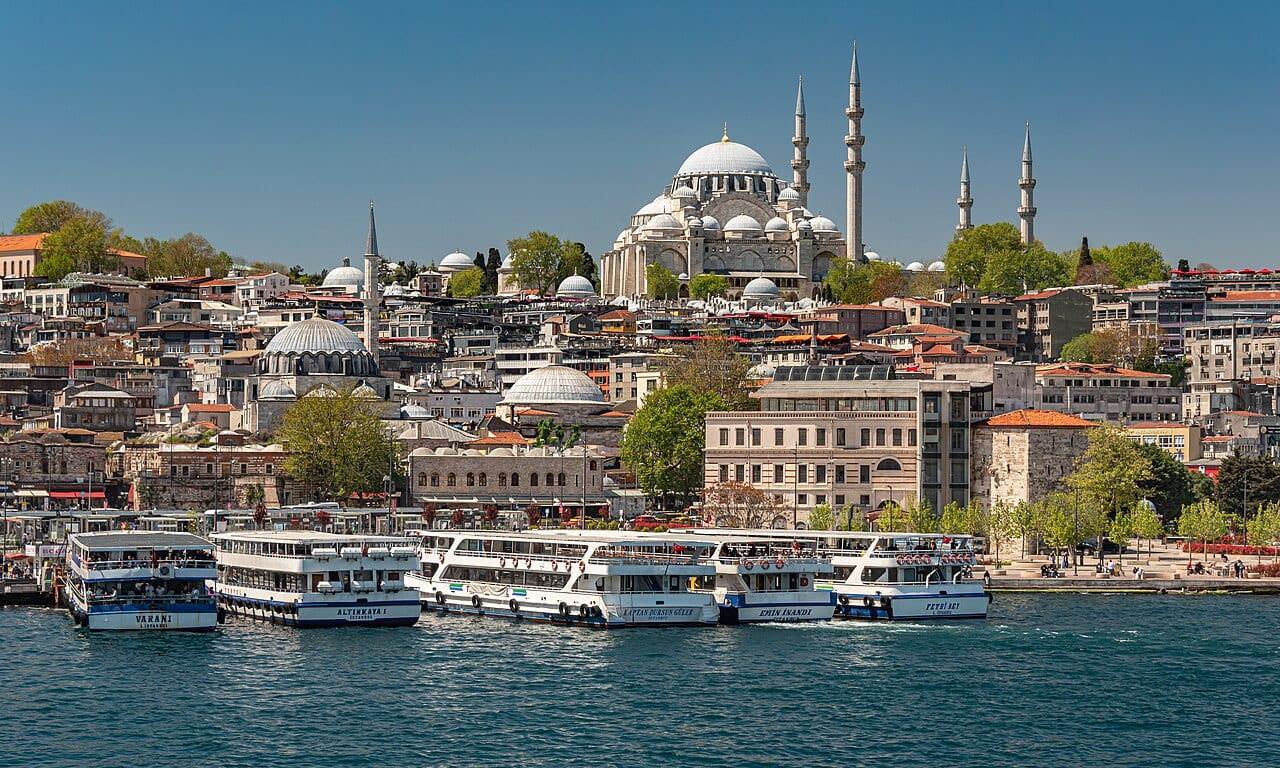
Most visitors to Istanbul see the same three sights: Hagia Sophia, the Blue Mosque and the Grand Bazaar. They are worth it, but much of the city's character lives just beyond them: a tiled mosque above a spice market, steep painted streets on the Golden Horn, a hilltop tea garden above the resting place of a Companion of the Prophet ﷺ, and quiet neighbourhoods on the Asian shore. This guide is written for Muslim travellers and families. Each of the nine stops comes with how to get there, how long to stay, and where to pray and eat halal nearby, followed by a three-day route, transport, Ramadan notes, costs and a short FAQ.
Before you go
- Best time: April to early June and September to November, when it is mild enough to walk all day. July and August are hot and humid and the islands are crowded; winter is grey and rainy but quiet, and the mosques and cisterns are just as good.
- Getting in: from Istanbul Airport (IST) on the European side, the M11 metro and the Havaist airport buses connect to the city; from Sabiha Gökçen (SAW) on the Asian side, the M4 metro runs to Kadıköy. A taxi from either airport takes roughly an hour or more depending on traffic.
- Where to stay: the historic peninsula (Sultanahmet, Fatih, Eminönü) puts you within walking distance of most mosques on this list; Üsküdar on the Asian shore is calmer and very family-friendly. Compare live prices on our hotel search.
- Halal: Türkiye is a Muslim-majority country and meat in ordinary restaurants is halal as a rule. Some restaurants serve alcohol, especially in tourist areas; family restaurants and lokantas usually do not.
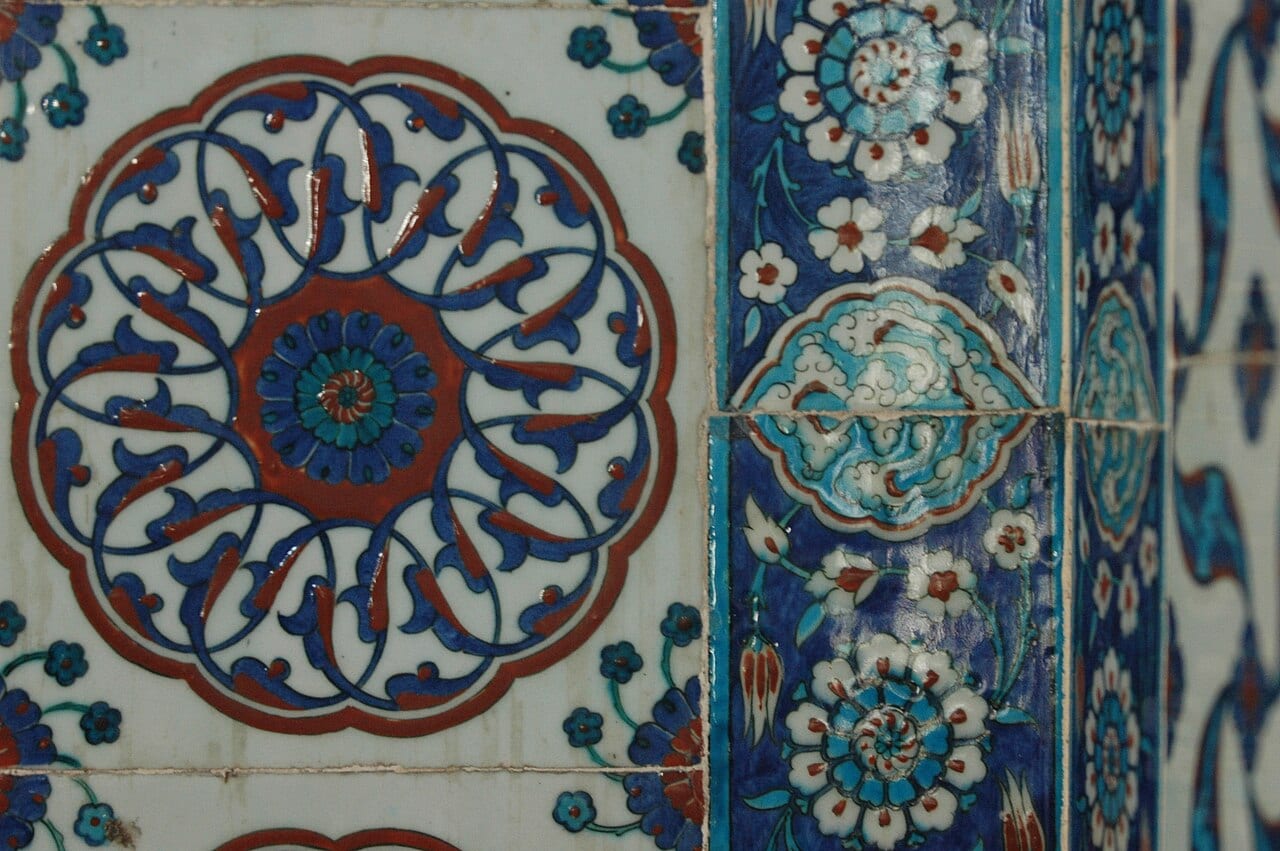
1. Rüstem Pasha Mosque: the tiled mosque above the market
Built by the architect Mimar Sinan for Rüstem Pasha, Grand Vizier of Sultan Süleyman, the mosque sits on a raised platform above the shops near the Spice Bazaar in Eminönü. The entrance is up a narrow stair from the market street, which is why so many people walk past it. Inside, almost every surface is covered in Iznik tiles of tulips, carnations and geometric patterns in blue, turquoise and a rare tomato red, the finest tile work of the Ottoman golden age. It is a working mosque: visit outside prayer times, dress modestly and allow 30 minutes. Afterwards, walk through the Spice Bazaar for Turkish delight, dried apricots and pistachios.
2. Süleymaniye: the view from Sinan's masterpiece
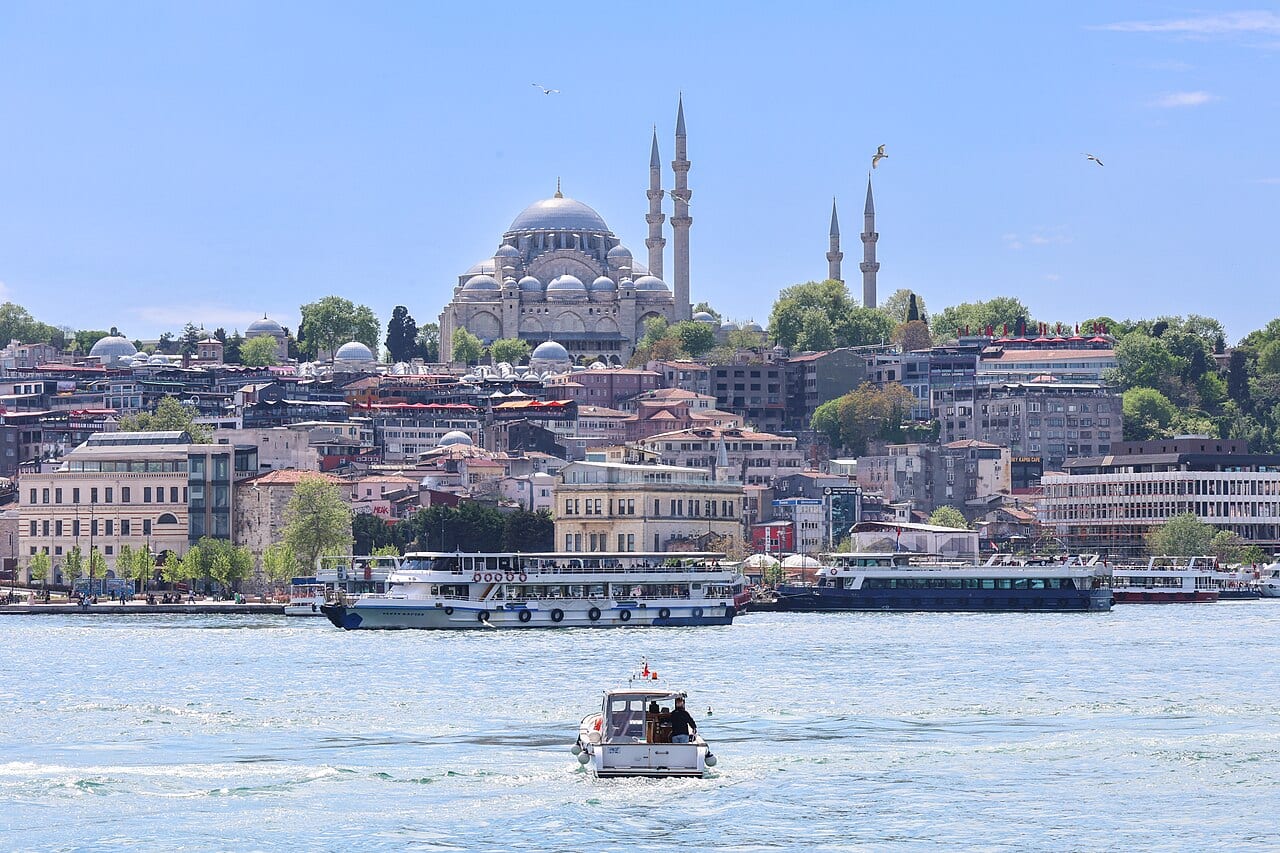
The Süleymaniye Mosque is famous, but many tourists skip its complex: the courtyards, the old madrasas, the cemetery with the tombs of Sultan Süleyman and Hürrem, and the small tomb of Mimar Sinan himself just outside the walls. Pray Asr or Maghrib in the great prayer hall, then walk to the terrace behind the mosque for one of the best views of the Golden Horn. The row of small restaurants facing the mosque serves kuru fasulye (white beans in tomato sauce with buttery rice), a simple, filling Istanbul classic, with pickles and ayran.
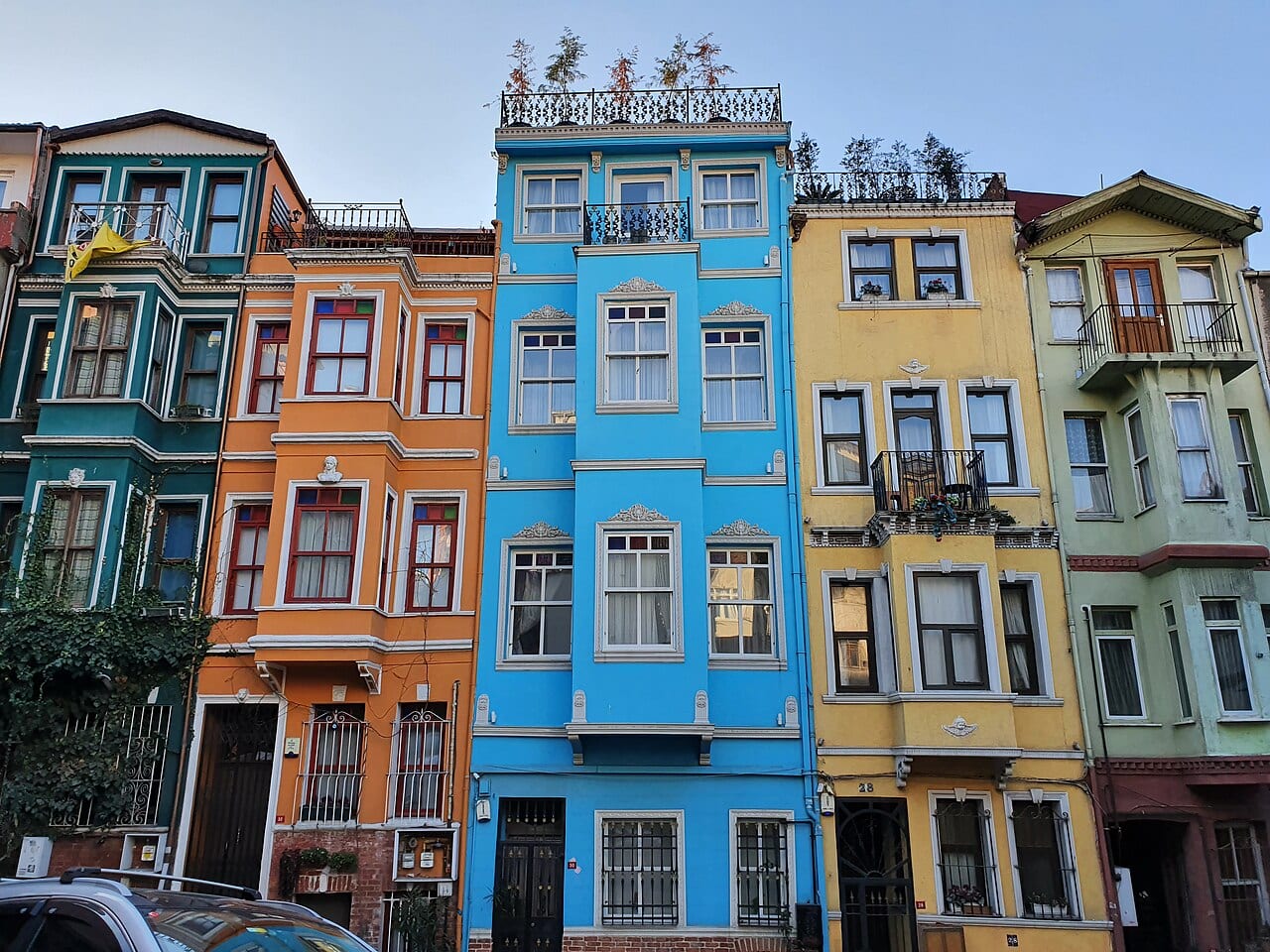
3. Balat and Fener: colour on the Golden Horn
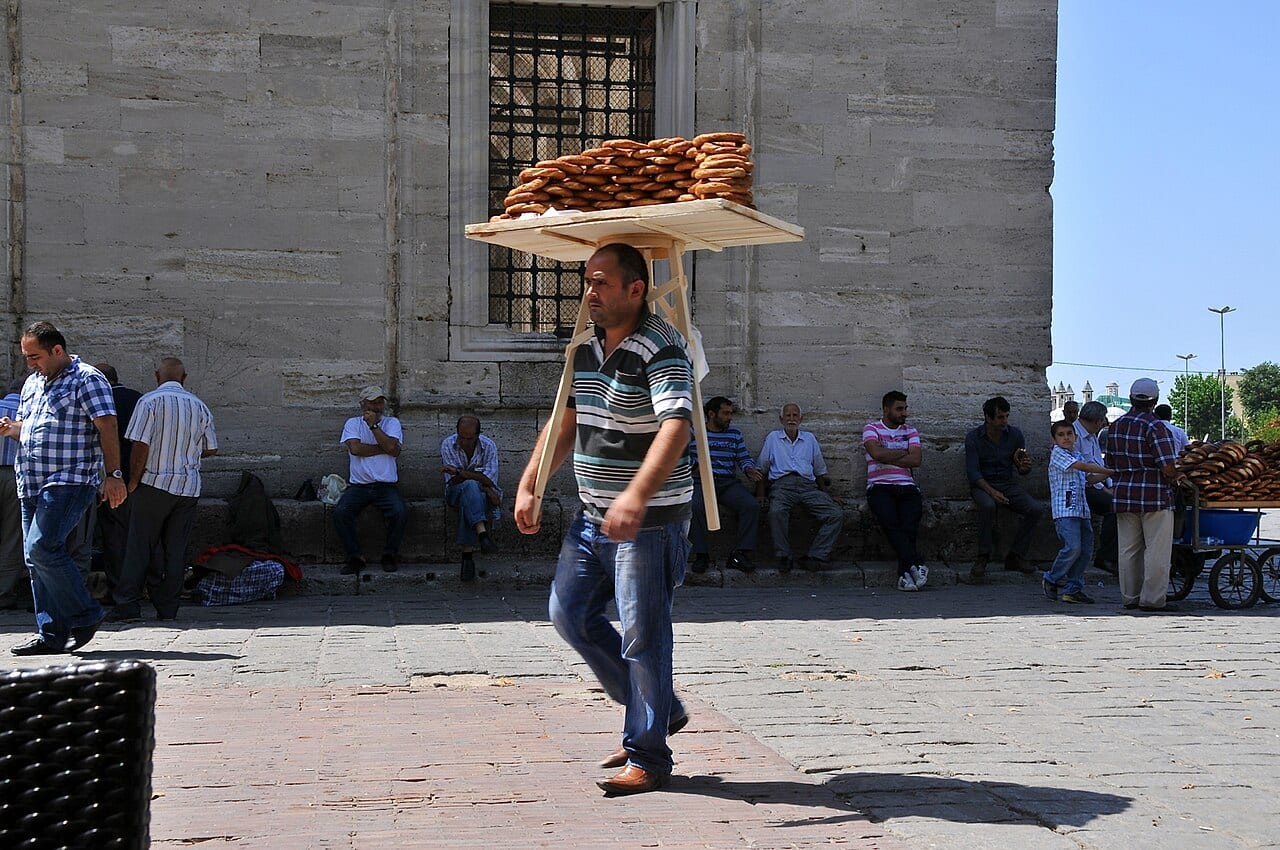
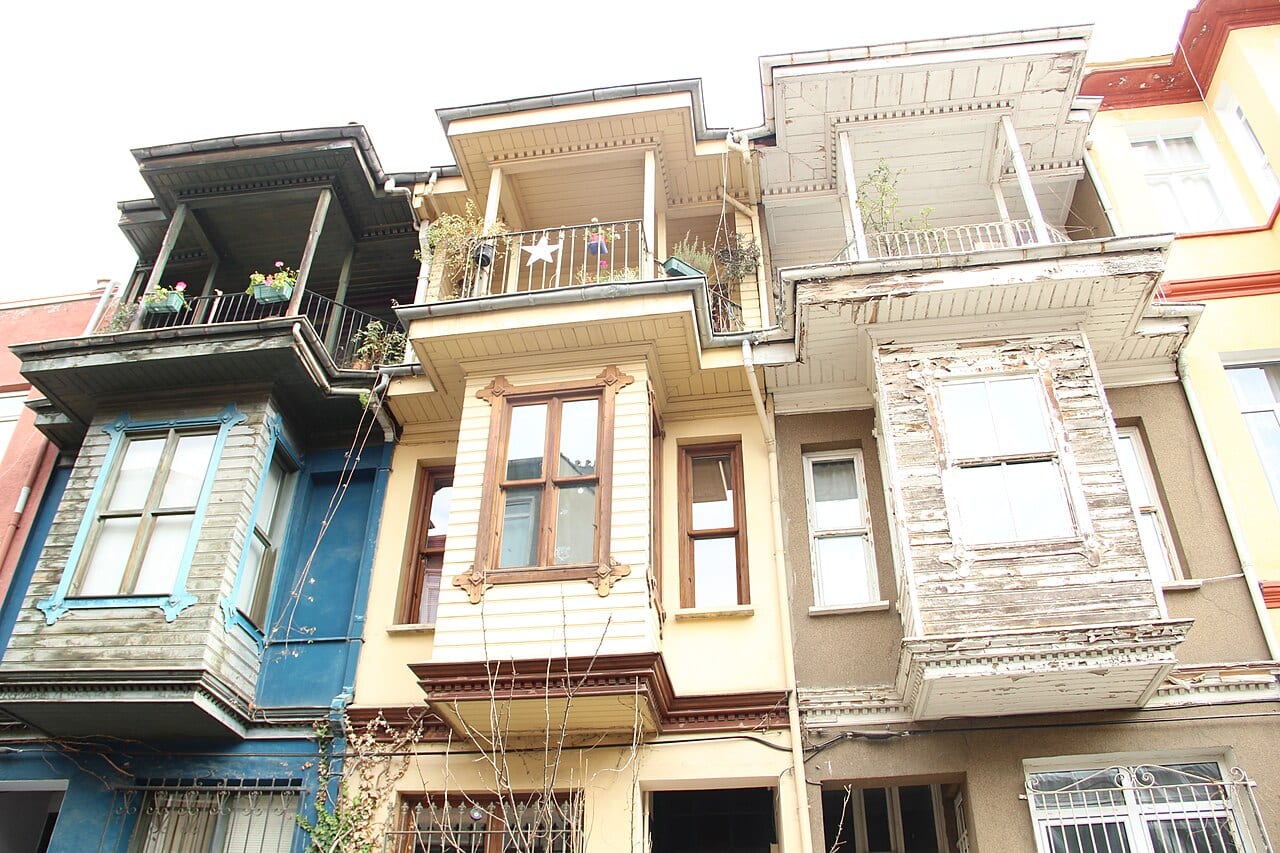
These old neighbourhoods along the Golden Horn are full of steep lanes, painted wooden and stone houses, antique shops and cafés. Walk up from the waterfront, take your photos of the colourful houses on Kiremit Caddesi and the lanes around it, and stop for tea and simit, the sesame bread rings sold from carts and trays all over the city. Mornings are quieter; weekends are busy with photographers. Allow two to three hours and combine it with the next two stops; bus routes run along the Golden Horn shore road between Eminönü, Balat and Eyüp.
4. Kariye Mosque: mosaics at the city walls
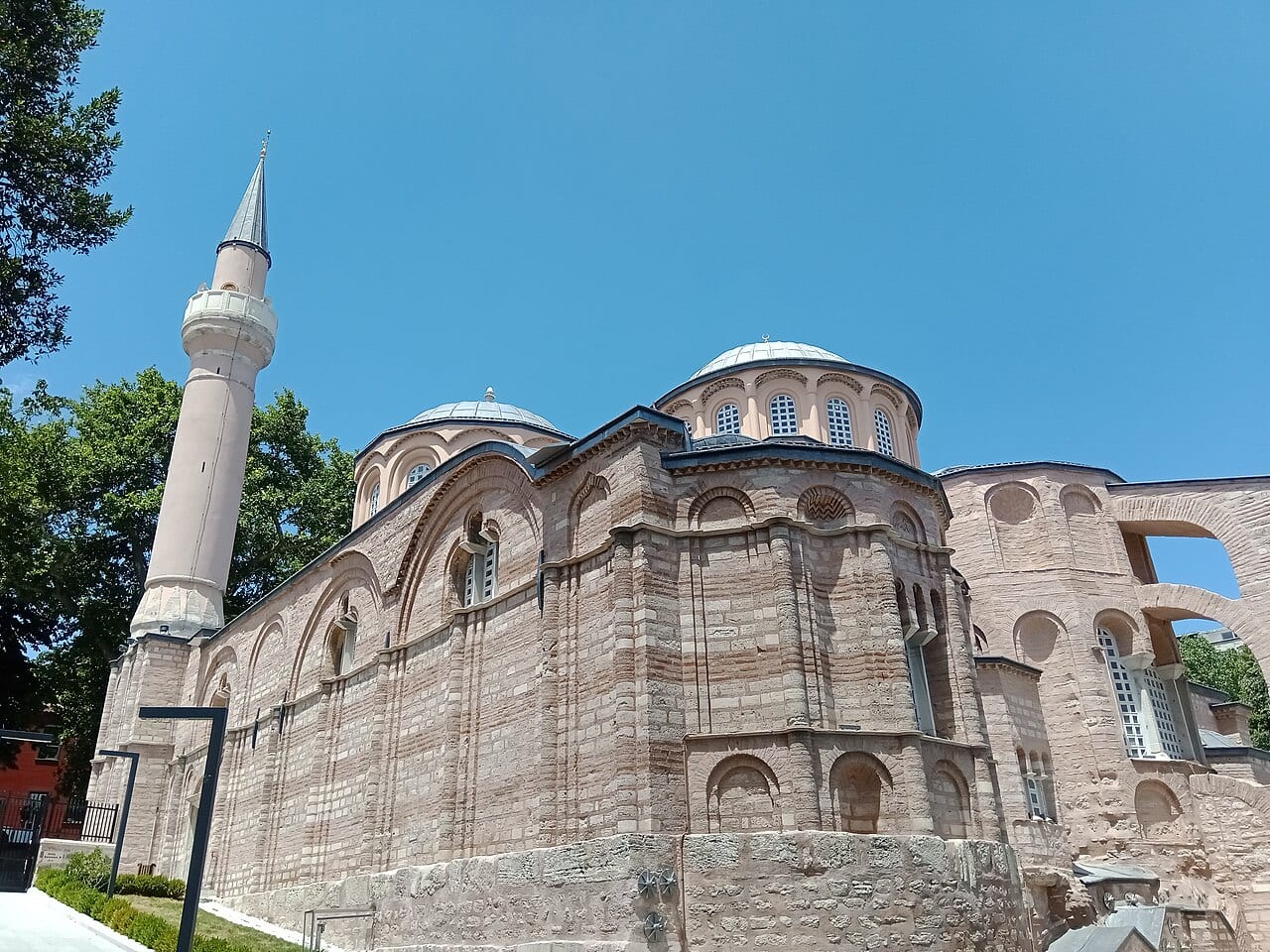
Near the old Theodosian land walls at Edirnekapı, the Kariye (Chora) building reopened as a mosque in 2024 after a long restoration. Worshippers enter for prayer; tourists follow a separate route to see the Byzantine mosaics and frescoes in the outer halls, while the art in the prayer hall is screened. According to the official Turkish museums website (muze.gen.tr), in 2026 tourist visits run 09:00 to 18:00, cost 20 euros for foreign visitors (free for children aged 8 and under), stop 15 minutes before each prayer and are closed on Fridays. The Mihrimah Sultan Mosque, another Sinan building, stands a few minutes' walk away by the Edirnekapı gate.
5. Eyüp Sultan and Pierre Loti hill
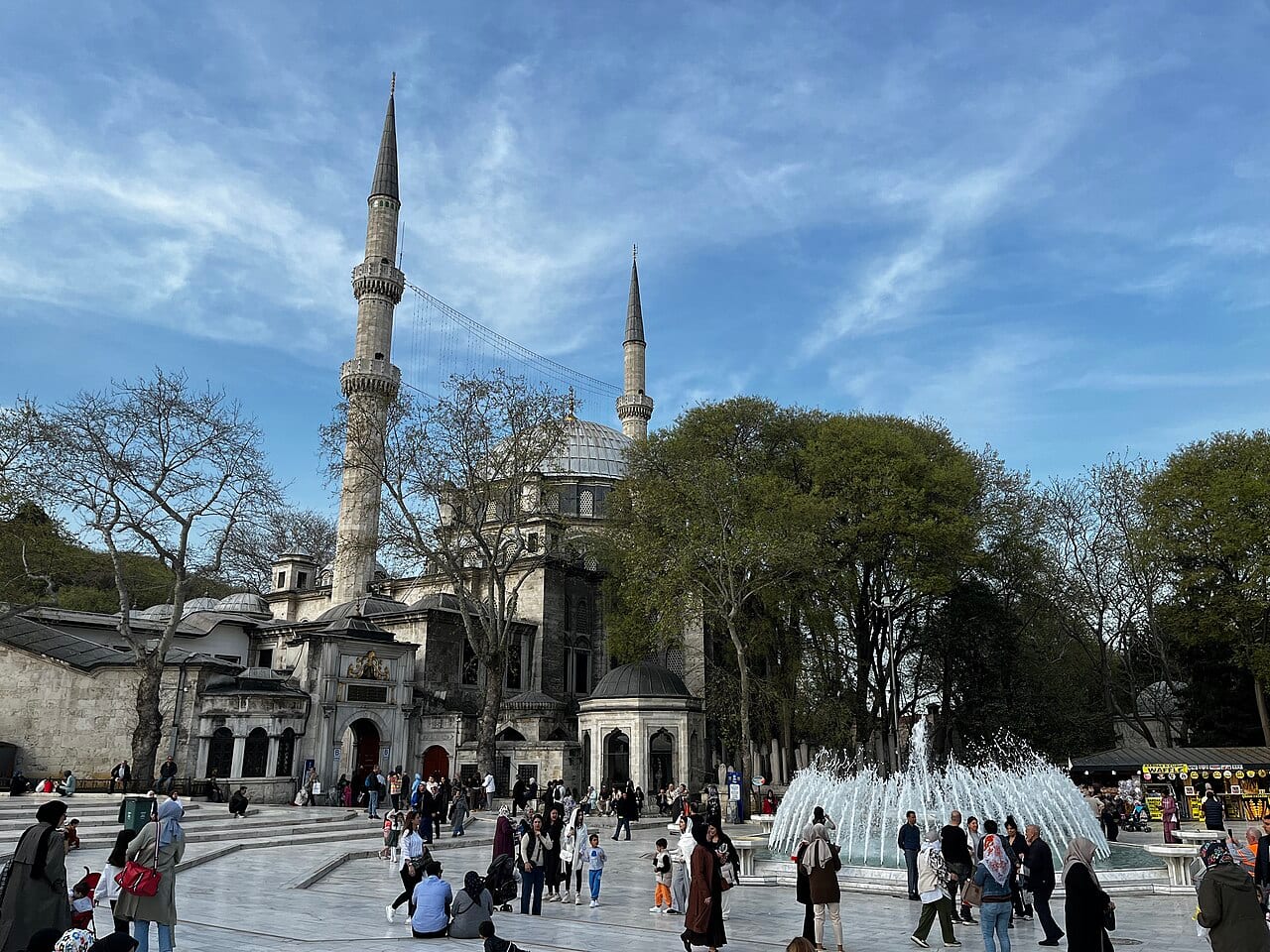
At the top of the Golden Horn, the Eyüp Sultan Mosque stands beside the tomb of Abu Ayyub al-Ansari, the Companion of the Prophet ﷺ who hosted him in Madinah and who died during an early Muslim siege of Constantinople. It is one of the most visited places of devotion in Türkiye, especially on Fridays and holidays, and a moving place to pray. Visit the tomb with the adab of a visit: quietly, with modest dress, and without blocking the worshippers. The square in front fills with families, simit sellers and stalls selling prayer beads and attars.
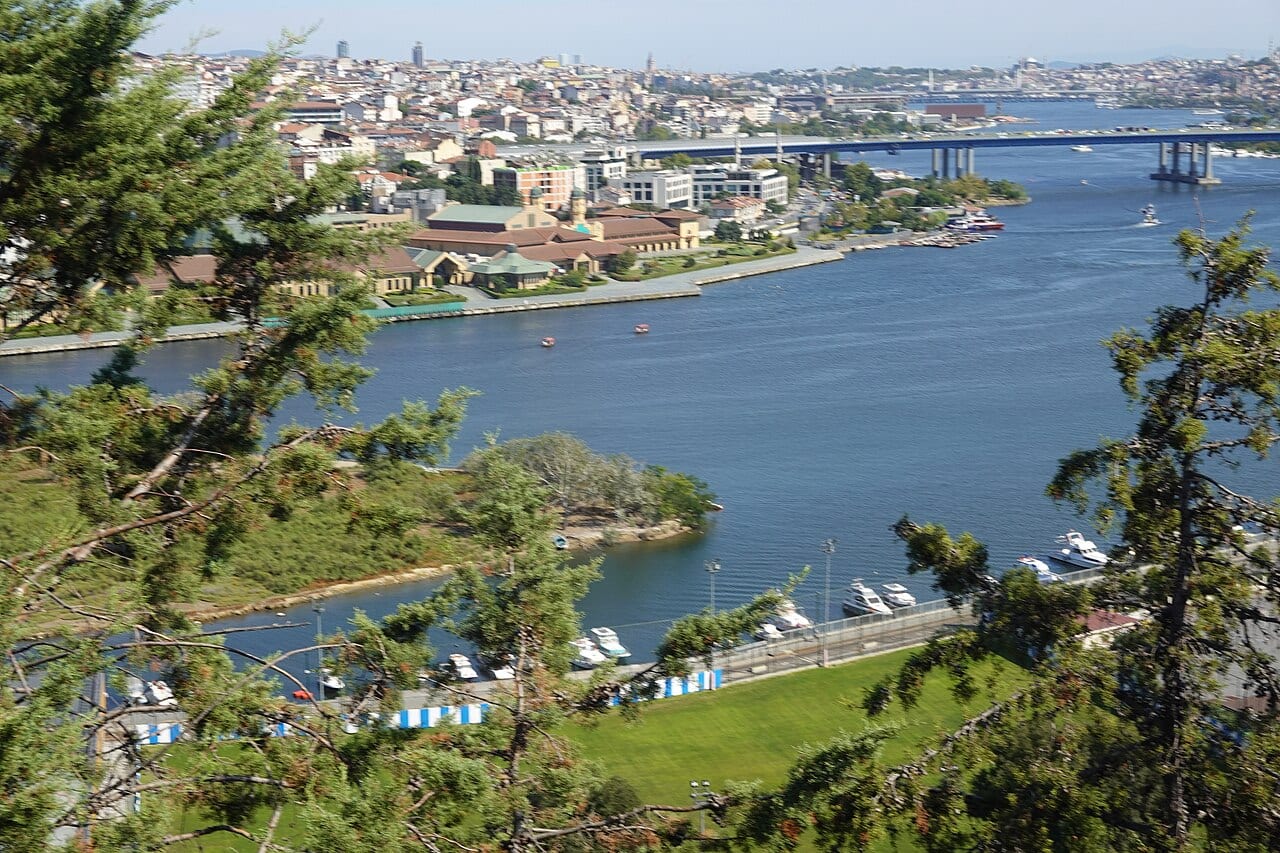
From behind the mosque, a short cable car (or a walk up through the old cemetery) climbs to Pierre Loti hill, where a tea garden looks down the whole length of the Golden Horn. Come for Asr, stay for sunset, and take the cable car down for Maghrib at Eyüp Sultan. The cable car takes the Istanbulkart.
6. The Şerefiye Cistern
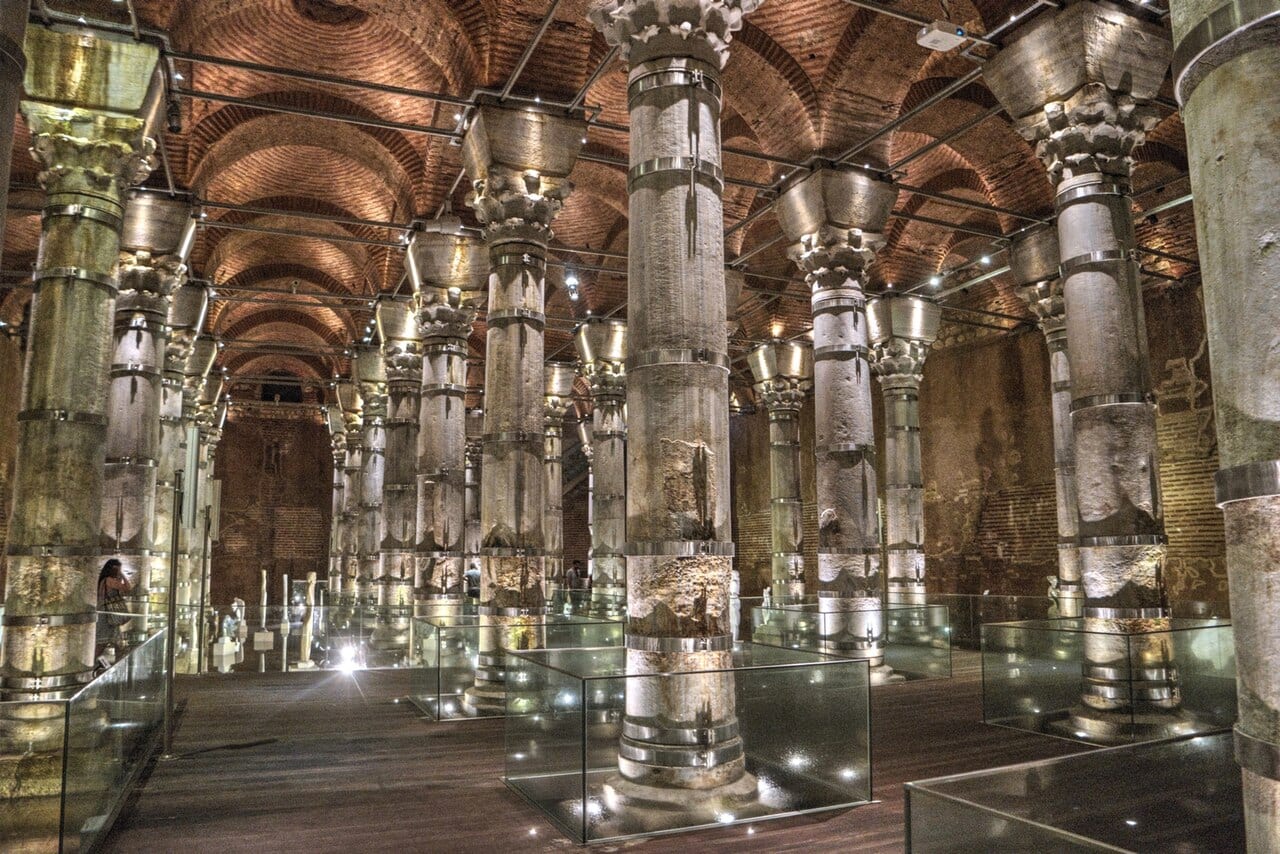
Everyone queues for the Basilica Cistern. A few streets away, the smaller Şerefiye (Theodosius) Cistern was restored and opened to visitors in 2018: a hall of columns standing in shallow water, lit in changing colours, with far fewer people. Allow 30 minutes; it is close to Sultanahmet, so it fits between the big sights, and the Firuz Ağa and Sultan Ahmed mosques nearby make Dhuhr easy.
7. Kuzguncuk: a village on the Asian shore
Take a ferry across the Bosphorus to Üsküdar, then walk or take a short bus ride north to Kuzguncuk, a small neighbourhood of wooden houses, plane trees and bakeries that feels like a village. Walk the main street up from the water, visit the community garden, and have a Turkish breakfast at one of the small cafés: cheeses, olives, tomatoes, honey with kaymak (clotted cream) and menemen, eggs scrambled with tomatoes and peppers. On the way back, Üsküdar's waterfront has the Mihrimah Sultan (İskele) Mosque by the ferry pier and the small Şemsi Pasha Mosque at the water's edge.
8. The Grand Çamlıca Mosque
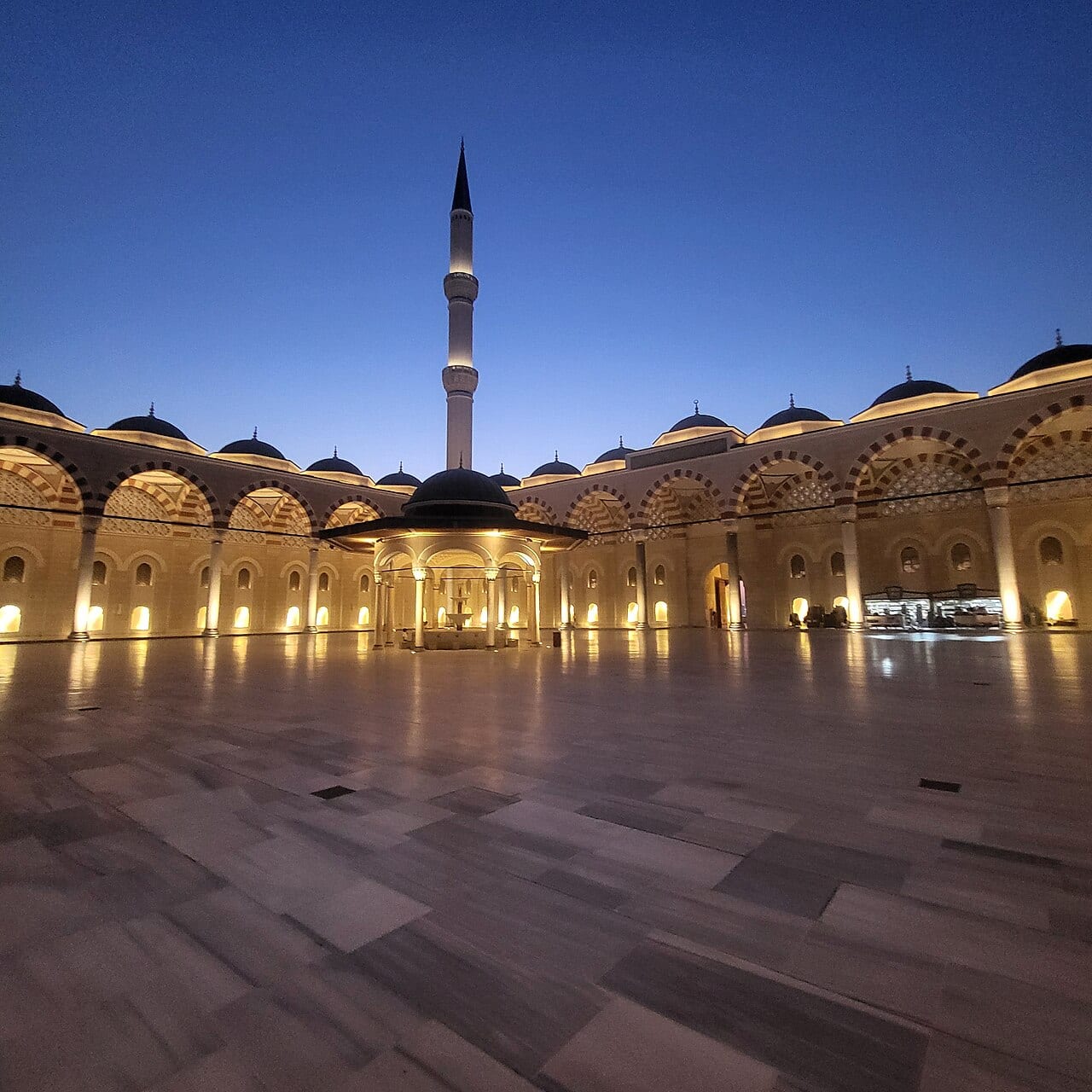
On Çamlıca hill above Üsküdar, the Grand Çamlıca Mosque, opened in 2019, is the largest mosque in Türkiye, with six minarets and room for tens of thousands of worshippers. It has a museum of Islamic arts and a library, clean wudu areas and large family-friendly grounds, and the hill around it has wide views across both continents. Go for Maghrib and watch the city lights come on. A taxi from Üsküdar is the simplest way up.
9. Büyükada: an island without cars
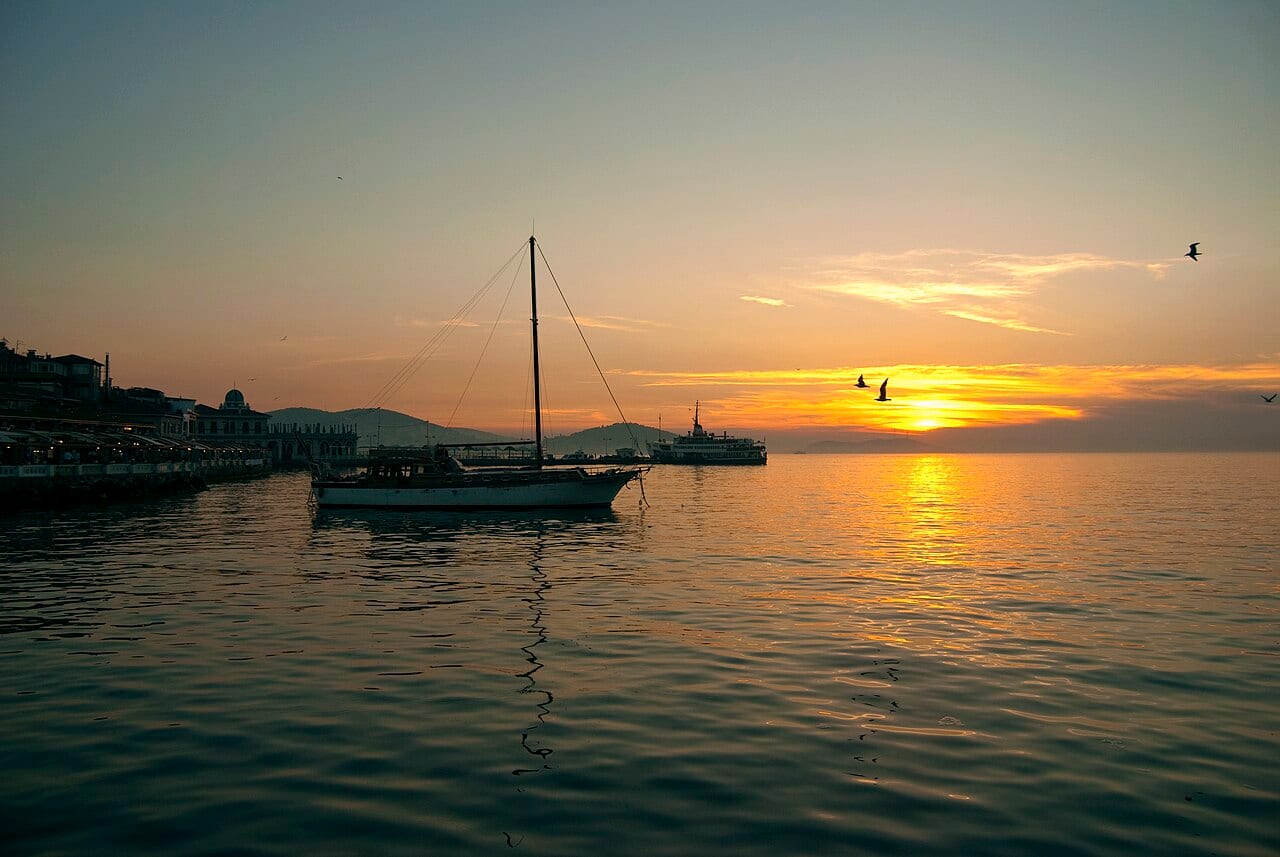
A ferry of around 90 minutes from Kabataş or Eminönü (or a shorter fast ferry) takes you to Büyükada, the largest of the Princes' Islands. There are no private cars: you walk, cycle or take the small electric buses up through pine woods past old wooden mansions. It is the best day trip from the city for families who need a break from crowds. Avoid summer weekends if you can, bring a picnic or eat fish by the harbour, and catch a ferry back before dark.
A three-day route
- Day 1, the historic peninsula: the Şerefiye Cistern and the Sultanahmet sights in the morning; Dhuhr nearby; the Spice Bazaar and Rüstem Pasha Mosque; balık ekmek at Eminönü; Süleymaniye for Asr, sunset on the terrace and kuru fasulye for dinner.
- Day 2, the Golden Horn: the Kariye Mosque at opening time (not on a Friday); walk or ride down to Balat and Fener for breakfast and a stroll; bus to Eyüp Sultan for Dhuhr and the tomb of Abu Ayyub al-Ansari; cable car to Pierre Loti for tea and sunset.
- Day 3, the Asian shore: ferry to Üsküdar; breakfast in Kuzguncuk; lunch at the Kadıköy market streets; Grand Çamlıca Mosque for Maghrib and the view. Add a fourth day for Büyükada.
Our planner can build this around your dates with prayer times and halal places along each day: plan 5 days in Istanbul. For the big sights, see our Istanbul destination guide.
Halal food on the way
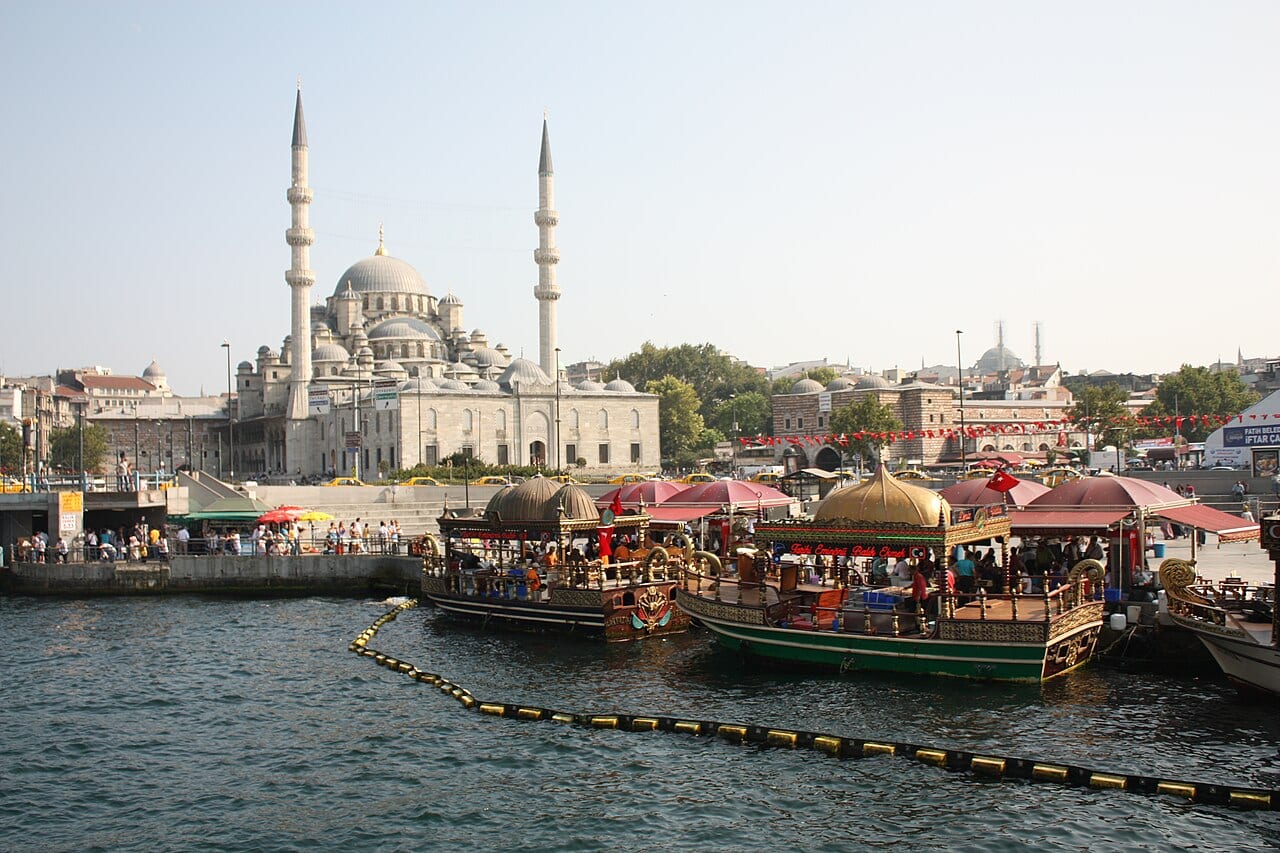
- Balık ekmek: grilled fish sandwiches from the boats moored at Eminönü, eaten on low stools by the water with pickle juice.
- Lokanta (esnaf lokantası): workers' canteens with trays of home-style stews, rice, vegetables and soups; you point at what you want. Cheap, fast and local.
- Kebab, döner, pide and lahmacun: everywhere; look for busy places with families.
- Mantı: small dumplings with yoghurt and chilli butter, a good family lunch.
- Sweets: baklava in Karaköy (Karaköy Güllüoğlu is the best-known name), Turkish delight and puddings from historic shops such as Hafız Mustafa around Sirkeci and Eminönü, and künefe, the Turkish knafeh.
Packaged foods in Türkiye may carry a halal certificate from the state Halal Accreditation Agency or a private certifier; ordinary fresh meat in local restaurants is halal as a rule. If a restaurant has a long drinks list, there is usually a family place a few doors away that does not serve alcohol.
Ramadan, Fridays and prayer times
In Ramadan, Istanbul's mosques hang illuminated messages (mahya) between their minarets, Sultanahmet Square and the Eyüp Sultan area fill with families waiting for iftar, and tarawih at Süleymaniye or Eyüp is a highlight of any trip. Restaurants stay open during the day for non-fasting customers, and many offer set iftar menus; book ahead for popular places. In 2027 Ramadan is expected to begin in the second week of February.
On Fridays, mosques fill well before Jumu'ah and close to tourist visits around midday, and the Kariye Mosque is closed to tourists all day. Mosques generally close to tourist visits around each prayer, so plan sightseeing between prayers and pray where you are; every neighbourhood has a mosque within a few minutes' walk.
Getting around and costs
- Buy an Istanbulkart at a machine in any metro station; one card can be shared by a family and works on trams, metro, buses, ferries, the Marmaray tunnel under the Bosphorus and the Eyüp cable car.
- Ferries are the most beautiful (and often fastest) way to cross between Europe and Asia.
- Prices in Türkiye change quickly with inflation, so think in ranges: public transport and simit are cheap; lokanta meals and balık ekmek are inexpensive; restaurant dinners in Sultanahmet cost several times more than in residential areas. Mosques are free to enter; paid sites such as the Kariye Mosque and the cisterns charge separate tickets.
Families and women
- Mosque visits: women need a headscarf and loose clothes covering arms and legs; the large mosques lend scarves and wraps at the door. Every mosque has a women's prayer area, usually at the back or upstairs.
- With children: ferries, the Eyüp cable car, the islands and the grounds of the Grand Çamlıca Mosque are easy wins. Old-city pavements are uneven and steep, so a carrier beats a stroller.
- Breaks: mosque courtyards and tea gardens are good places to rest out of the traffic.
Common mistakes
- Arriving at a mosque just before prayer: you will be asked to wait outside; check prayer times first.
- Planning the Kariye Mosque on a Friday: it is closed to tourists that day.
- Eating only in Sultanahmet: walk ten minutes away for better food at a fraction of the price.
- Underestimating distances: the city is huge and hilly; group stops by area and use ferries and trams.
- Going to Büyükada on a summer weekend: go on a weekday instead.
Before you go, read our page on Hagia Sophia for visiting rules, and our list of places to experience the magic of Istanbul.
Frequently asked questions
How many days do I need for Istanbul beyond the main sights?
Four to five days: two for the historic peninsula, one for Balat, Kariye and Eyüp, one for the Asian shore, and one for the islands or the Bosphorus.
Is Istanbul good for Muslim families?
Very. Mosques are everywhere, food is halal as a rule, and the city is used to families; ferries, parks and the islands are child-friendly.
What should women wear to visit mosques?
Loose clothes covering arms and legs, and a headscarf; scarves are usually available at the larger mosques.
Can I pray at the tomb of Abu Ayyub al-Ansari?
Pray in the Eyüp Sultan Mosque beside it. The tomb is visited for greeting and supplication; keep the visit calm and brief when it is crowded.
Is the food in Istanbul halal?
Meat in ordinary Turkish restaurants is halal as a rule. Look for family restaurants and lokantas, and ask if you are unsure about an international chain.
Official information: Go Türkiye: Istanbul · Kariye Mosque visiting information (muze.gen.tr).
Cover photo: the Golden Horn and the historic peninsula. Photo: Jorge Franganillo — CC BY 2.0, Wikimedia Commons