Amman is a city you eat your way through. Its hills are full of bakeries, falafel counters, shawarma stands and sweet shops that open early and close late, and the food is cheap, fresh and halal as a matter of course. The best way to understand Amman street food is on foot: start downtown, in the old valley of Al-Balad, and climb towards Jabal Amman and Rainbow Street as the day goes on. This guide gives you a one-day eating route, what to order at each stop, approximate prices, where to pray along the way, Ramadan and Friday timing, and tips for families.
Before you start
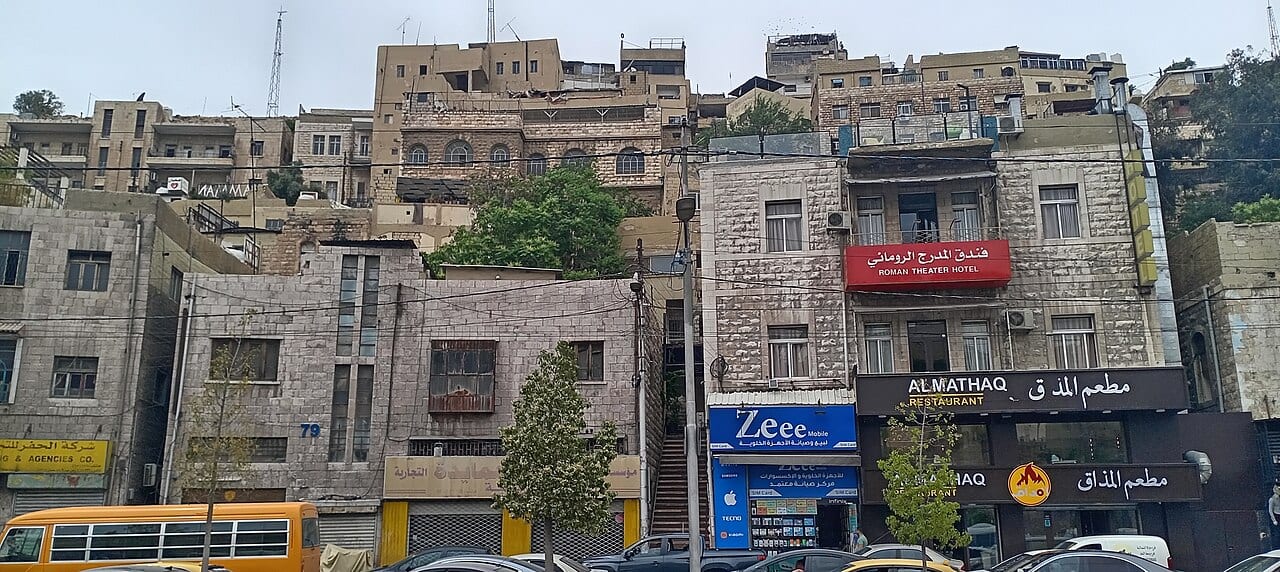
- Where: downtown Amman (Al-Balad), around King Faisal Street, King Hussein Street and the Grand Husseini Mosque, then up the hill to Jabal Amman and Rainbow Street.
- When: breakfast places are busiest from 8 to 11 am, lunch runs from about 1 to 3 pm, and sweet shops fill up after Asr and again after Maghrib.
- Money: carry small notes and coins in Jordanian dinars (JD); 1 JD is 1,000 fils, and many prices are quoted in fils or "piastres" (qirsh, 10 fils). Street stalls rarely take cards.
- Halal: meat in Amman's local restaurants is halal as a rule, so you can order freely. Some hotel restaurants and a few venues in western Amman serve alcohol; the places on this route do not.
- Shoes: Amman is built on hills and the walk from downtown to Rainbow Street is mostly stairs. Wear comfortable shoes.
When to go: Fridays, Ramadan and the seasons
Spring (March to May) and autumn (September to November) are ideal for walking: warm days and cool evenings. Summer afternoons are hot but dry, so walk in the morning and evening and rest at midday. Winter evenings are cold, which is the season for hot sahlab and fresh knafeh.
Fridays: downtown is quiet in the morning and many shops open only after the Jumu'ah prayer. Hashem and the big falafel places usually stay busy, but plan your route to pray Jumu'ah at the Grand Husseini Mosque and eat afterwards, when the streets fill with families.
Ramadan: most food shops close during fasting hours, and eating or drinking in public during the day is not allowed in Jordan, even for visitors who are not fasting. After Maghrib the city comes alive: queues form at qatayef stalls in the afternoon, restaurants serve iftar, and sweet shops and cafés stay open until suhoor. A Ramadan evening in downtown is one of the best food experiences in Amman, but expect crowds.
Morning: hummus, ful and falafel downtown
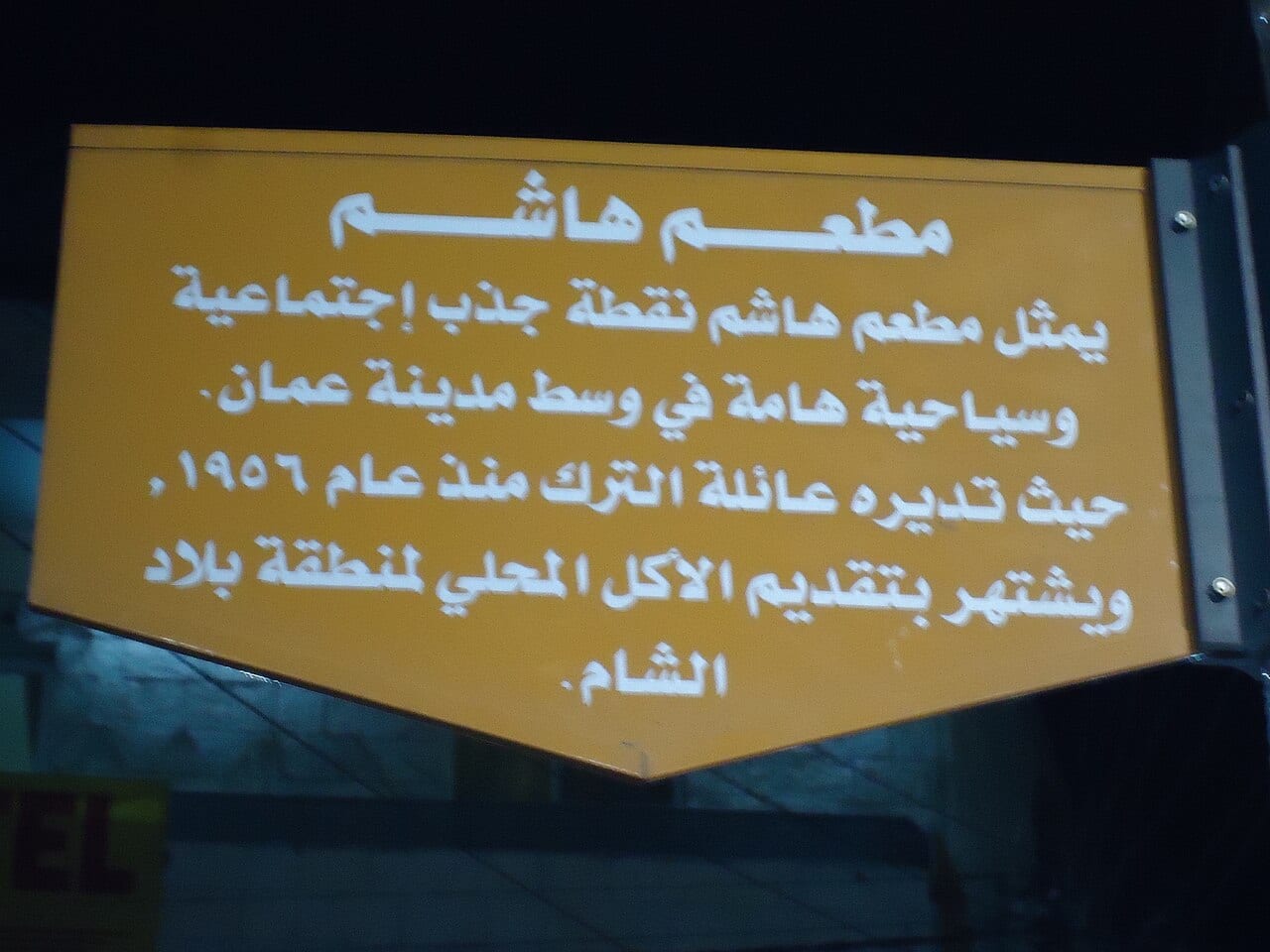
Start at Hashem, the most famous cheap restaurant in Jordan, in a small lane off King Faisal Street. There is no menu worth reading: sit at a shared table and plates of hummus with olive oil, ful medames, fresh falafel, raw onion, tomato, mint and a pile of warm bread arrive within minutes. It is open from early morning until late at night, and the bill is tiny. Hashem has fed students, taxi drivers, tourists and royalty for decades, and the food is exactly as simple as it should be.
What to order at any breakfast place:
- Hummus: chickpeas blended with tahini, lemon and garlic, finished with olive oil. Ask for "hummus bil lahmeh" if you want it topped with fried minced meat.
- Ful medames: slow-cooked fava beans with lemon, garlic, cumin and olive oil, sometimes with chopped tomato and chilli.
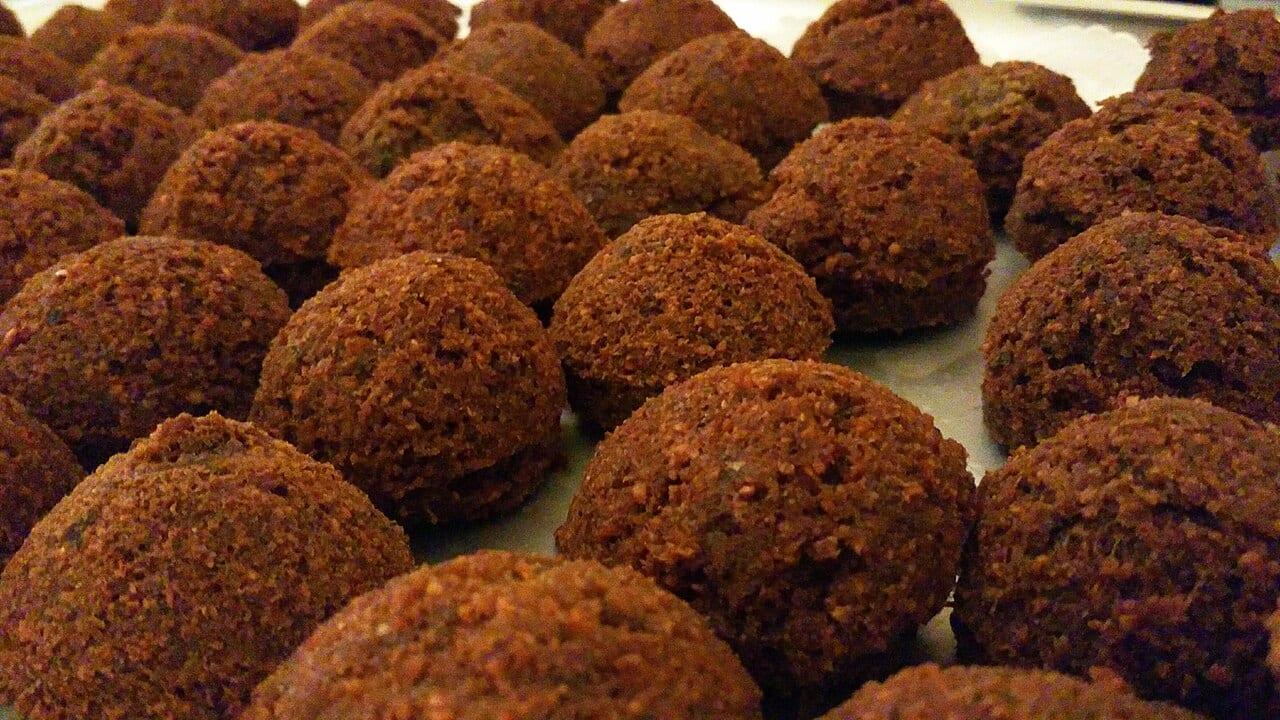
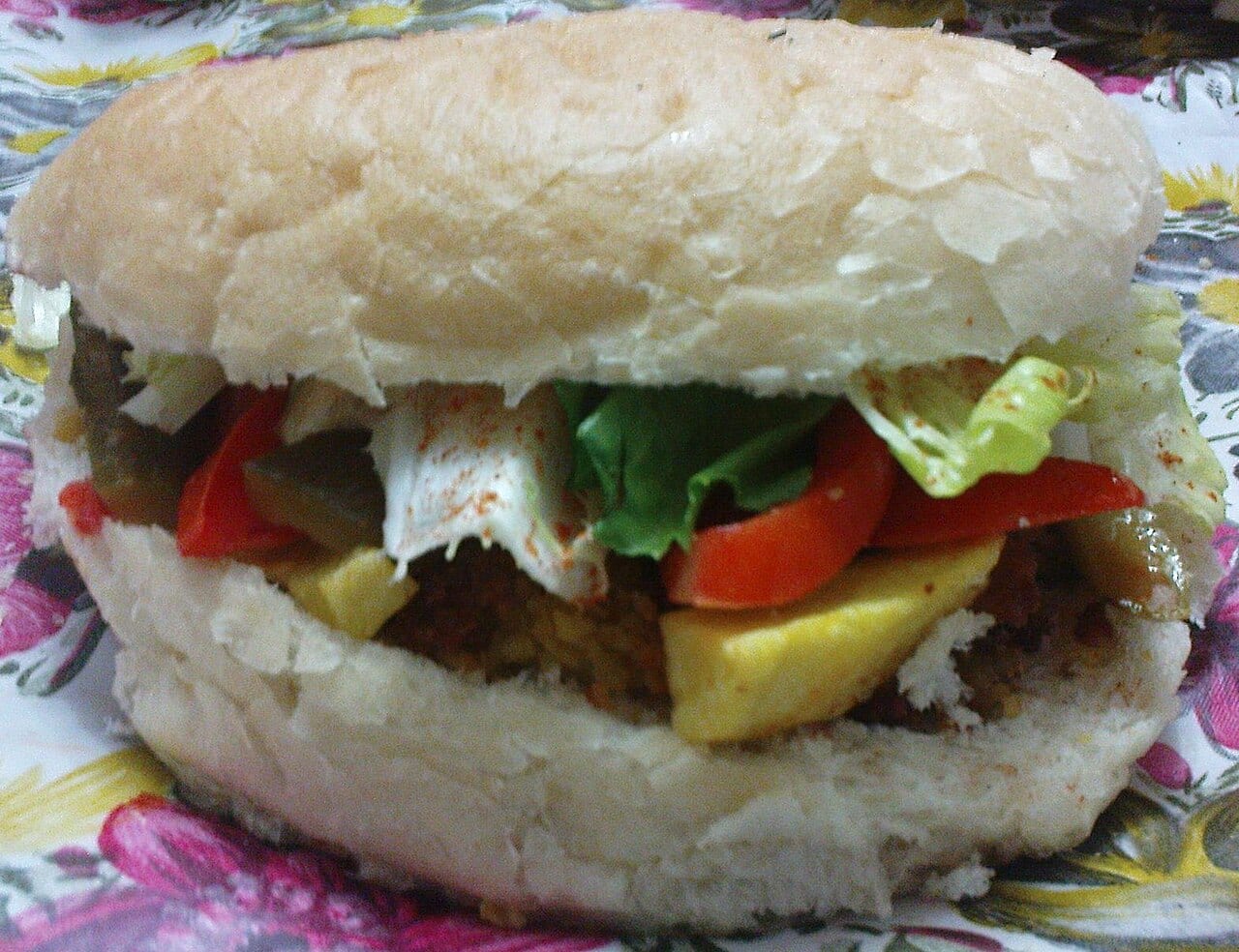
- Falafel: fried patties of ground chickpeas and herbs, crisp outside and green inside.
- Fatteh: toasted bread, chickpeas and warm yoghurt-tahini sauce topped with pine nuts or ghee; heavier, and perfect on a cold morning.
- Tea: sweet black tea with fresh mint or sage, served in small glasses.
If the queue at Hashem is long, walk a few minutes in any direction: downtown is full of small falafel counters selling sandwiches in thin bread with tahini, pickles and tomato. Order it "ma'a kol shi" (with everything) and eat it standing, like everyone else.
Mid-morning: ka'ak, manakish and the Roman Theatre
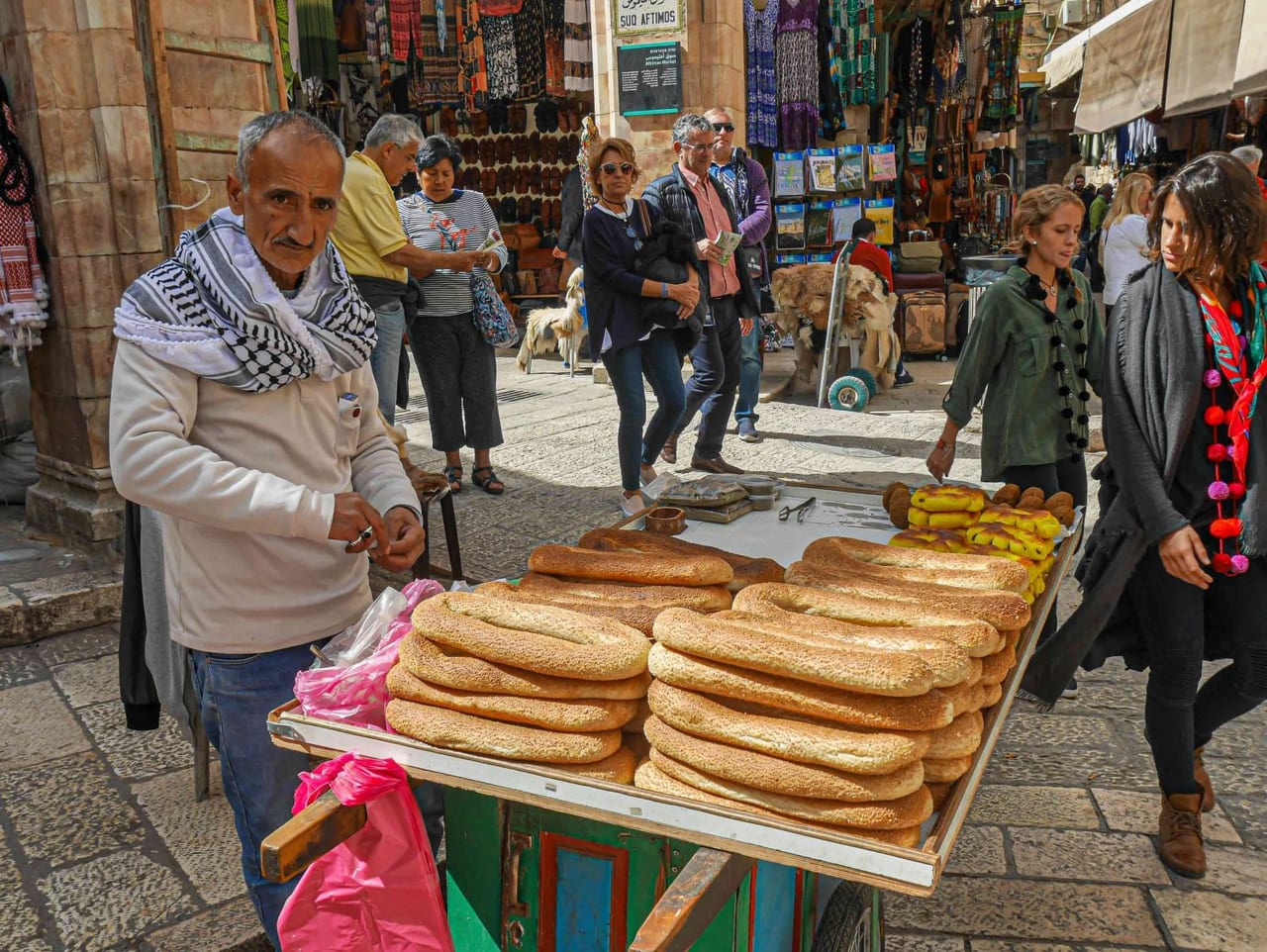
Look for the sellers with carts or trays of ka'ak, long rings of bread covered in sesame, often sold with a small twist of za'atar or a boiled egg and a wedge of cheese. Bakeries sell manakish straight from the oven: flatbread topped with za'atar and olive oil, white cheese, or a mix of both, plus sfiha with spiced minced meat and fatayer filled with spinach. Each piece costs a few hundred fils.
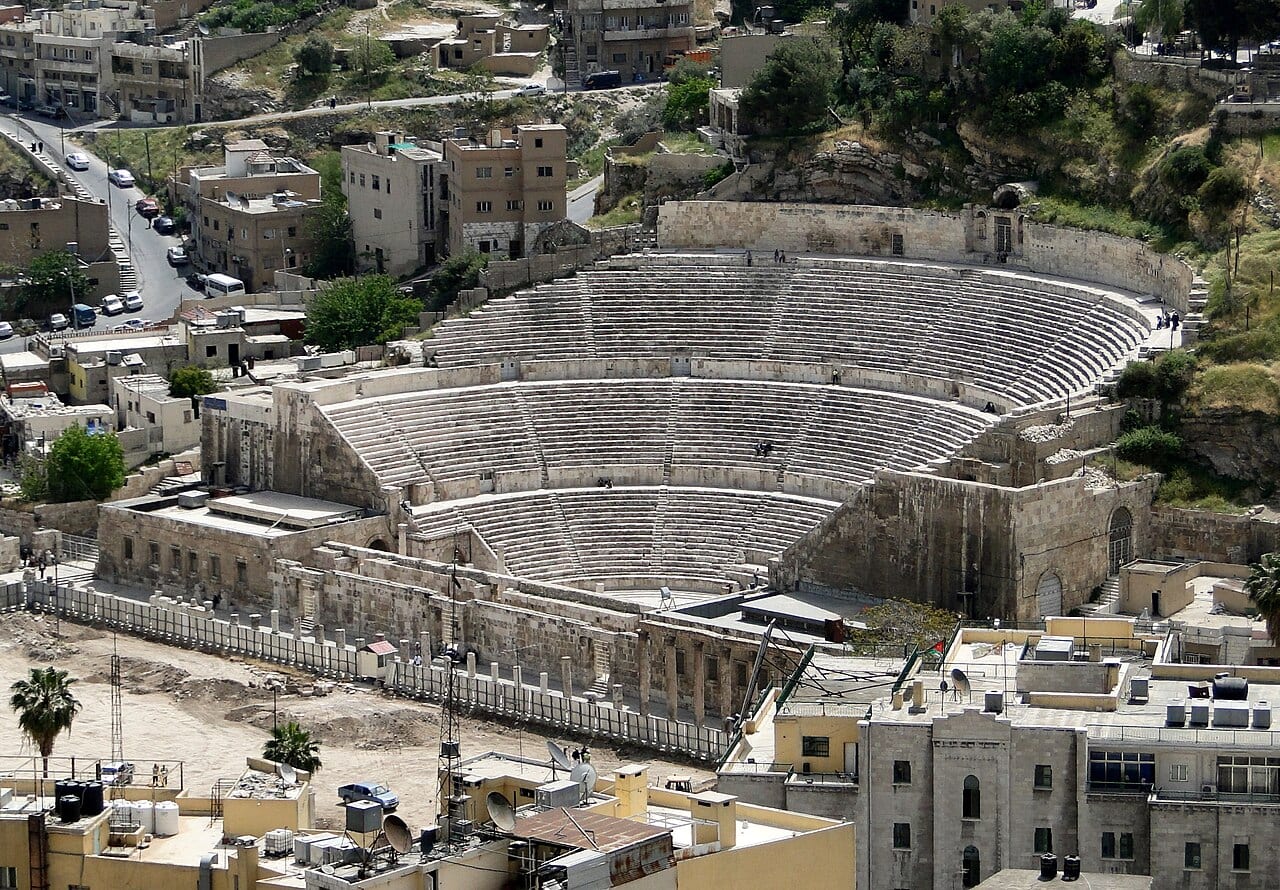
Walk them off at the Roman Theatre, about ten minutes east of the Grand Husseini Mosque, a 2nd-century theatre cut into the hillside with the Hashemite Plaza in front of it. Then climb (or take a short taxi) to the Amman Citadel, where the Umayyad Palace and the Temple of Hercules sit above the best view over the city. Both are included in the Jordan Pass; check current entry details on the Jordan Pass website.
Midday prayer and the old markets
Downtown's main mosque is the Grand Husseini Mosque, built in its present form in the 1920s on the site of a much older mosque and the heart of Al-Balad. It is the natural stop for Dhuhr and for Jumu'ah on Fridays. Women will find a separate prayer area; ask at the door if it is not obvious.
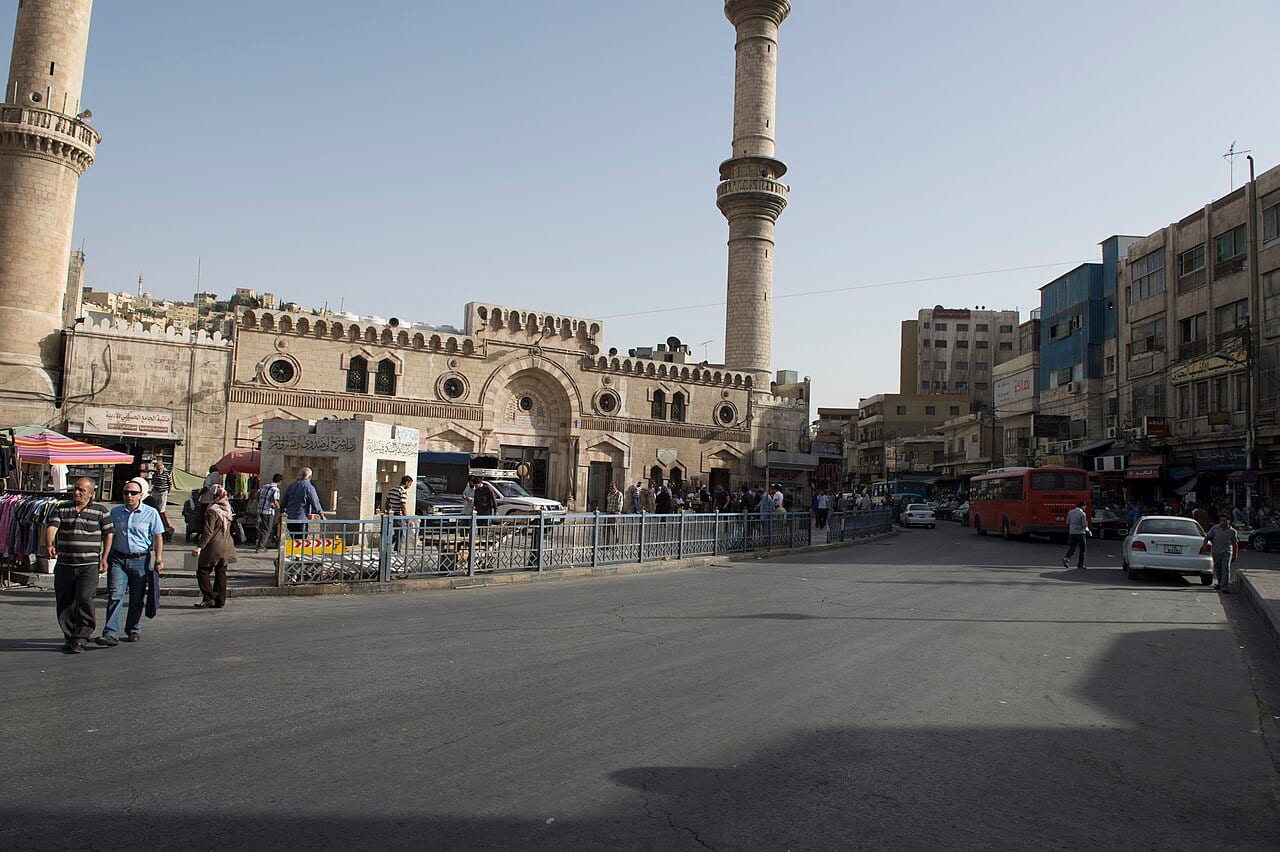
The streets around the mosque are where the city's oldest shops still trade in spices, dried fruit, nuts and roasted coffee with cardamom. Walk the lanes towards Souq al-Khodra, the central fruit and vegetable market, to see what Amman cooks with: piles of za'atar, sumac, dried jameed balls for mansaf, olives, dates and seasonal fruit. Buying a bag of fresh za'atar or cardamom coffee is an easy, light souvenir to take home.
Lunch: mansaf, maqluba or shawarma
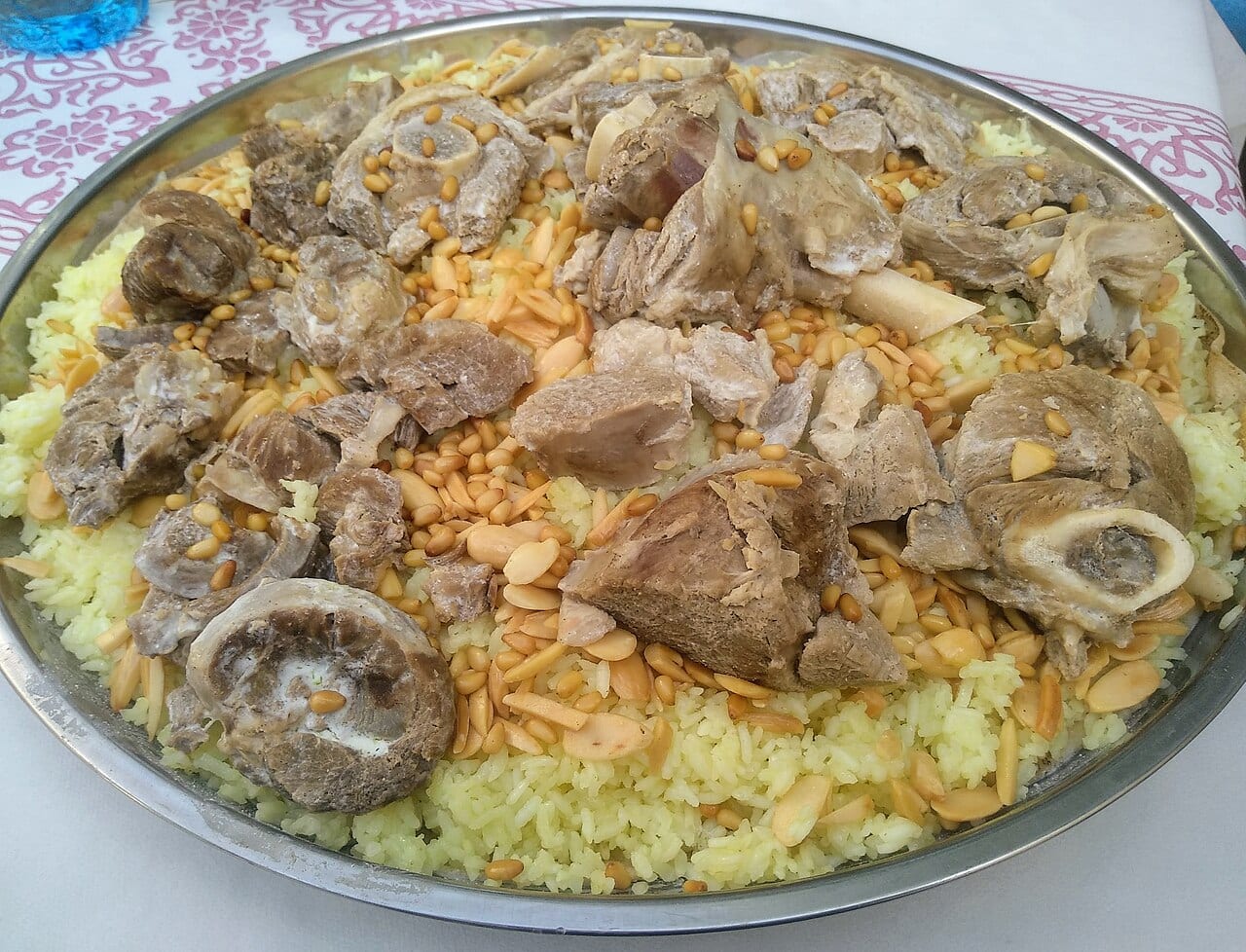
Lunch is the main meal in Jordan. For something traditional, order mansaf (lamb cooked in jameed, a dried-yoghurt sauce, served on rice and thin shrak bread with toasted almonds or pine nuts) or maqluba (rice, vegetables and chicken or lamb cooked in one pot and flipped upside down). Al-Quds Restaurant on King Hussein Street is one of the best-known downtown places for mansaf and has been serving it for decades. Traditional dishes are best between 1 and 3 pm, and many places run out by late afternoon. Our guide to Jordanian cuisine explains each dish in more detail.
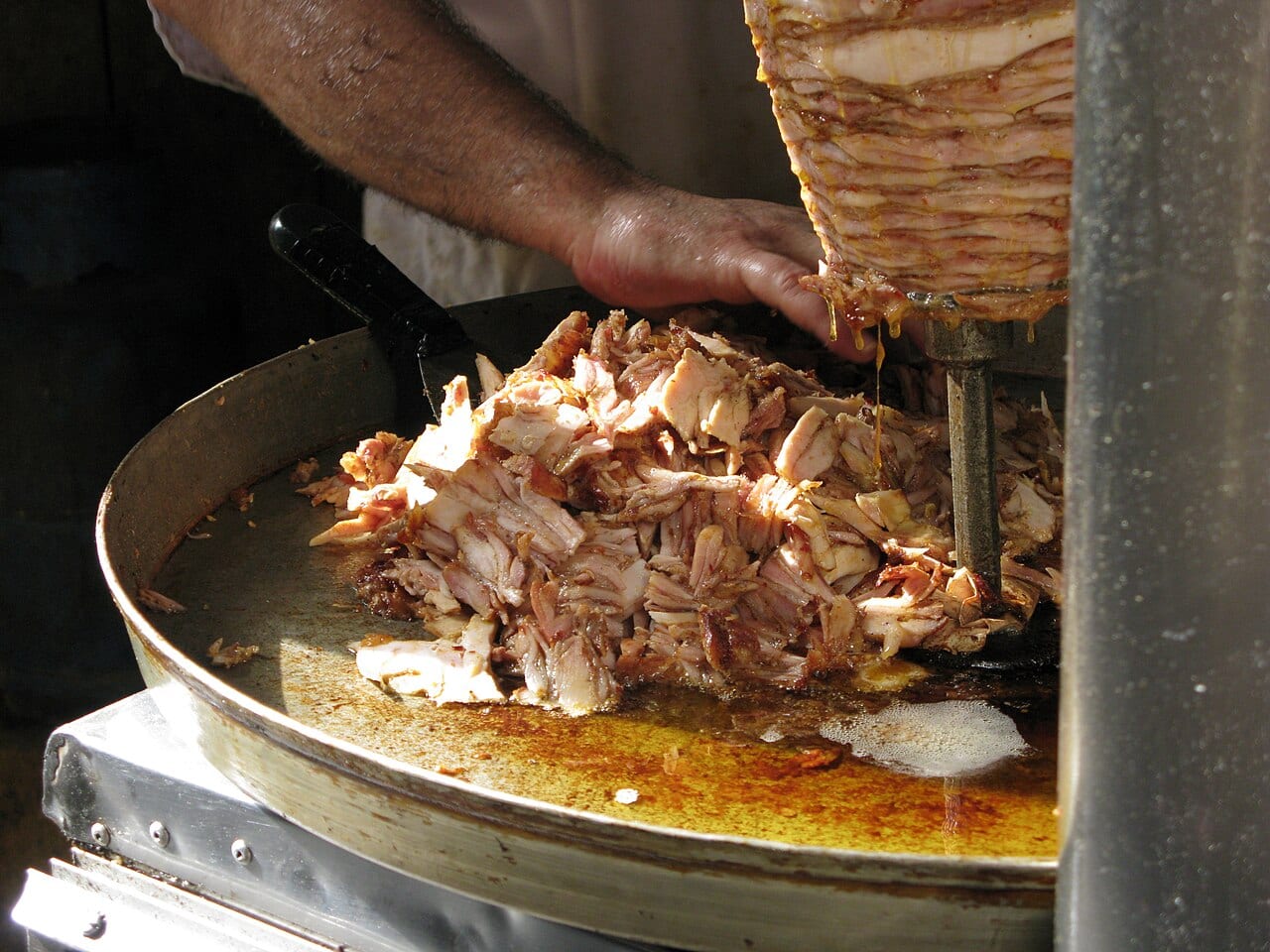
For something quicker, Amman takes its shawarma seriously. Chicken shawarma comes rolled tight in thin bread with garlic sauce (toum) and pickles, often toasted on the grill; lamb or beef shawarma comes with tahini and parsley. Order an "arabi" plate if you want the sandwich cut into pieces with fries and sauces. Locals have strong opinions about the best stand. Reem, near the Second Circle on Jabal Amman, is famous for its evening queue; it moves faster than it looks.
Afternoon: knafeh and sweets
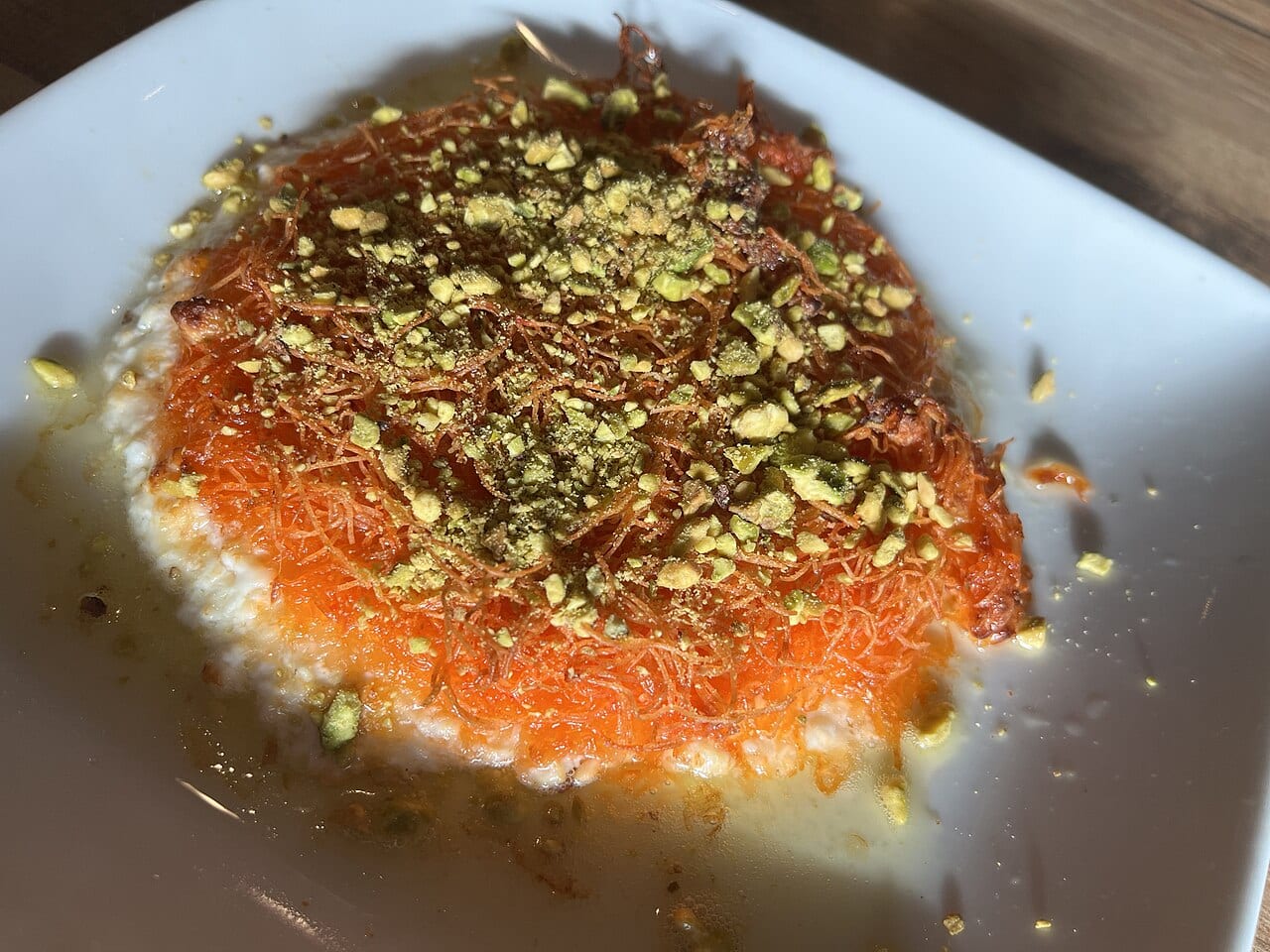
No food walk in Amman ends without knafeh. The most famous place is Habibah, whose original downtown shop sits in a narrow alley near the Arab Bank, close to King Faisal Street. Trays of hot knafeh with soft white cheese, a crisp orange crust and syrup are cut into squares and handed over on paper plates; eat it standing in the lane while it is still hot. Choose "na'meh" (fine semolina crust) or "khishneh" (crunchy shredded pastry).
Other sweets to look for:
- Baklava and burma: layered filo or shredded pastry with pistachio or cashew, sold by weight.
- Mutabbaq: thin folded pastry filled with cheese or nuts and soaked in syrup.
- Harissa (hareeseh): a dense semolina cake with syrup, often topped with an almond.
- Qatayef: small pancakes stuffed with cheese or walnuts, fried or baked, mostly in Ramadan.
- Sahlab: a hot, thick milk drink with cinnamon, coconut and nuts, best in winter.
Evening: Rainbow Street and Jabal Amman
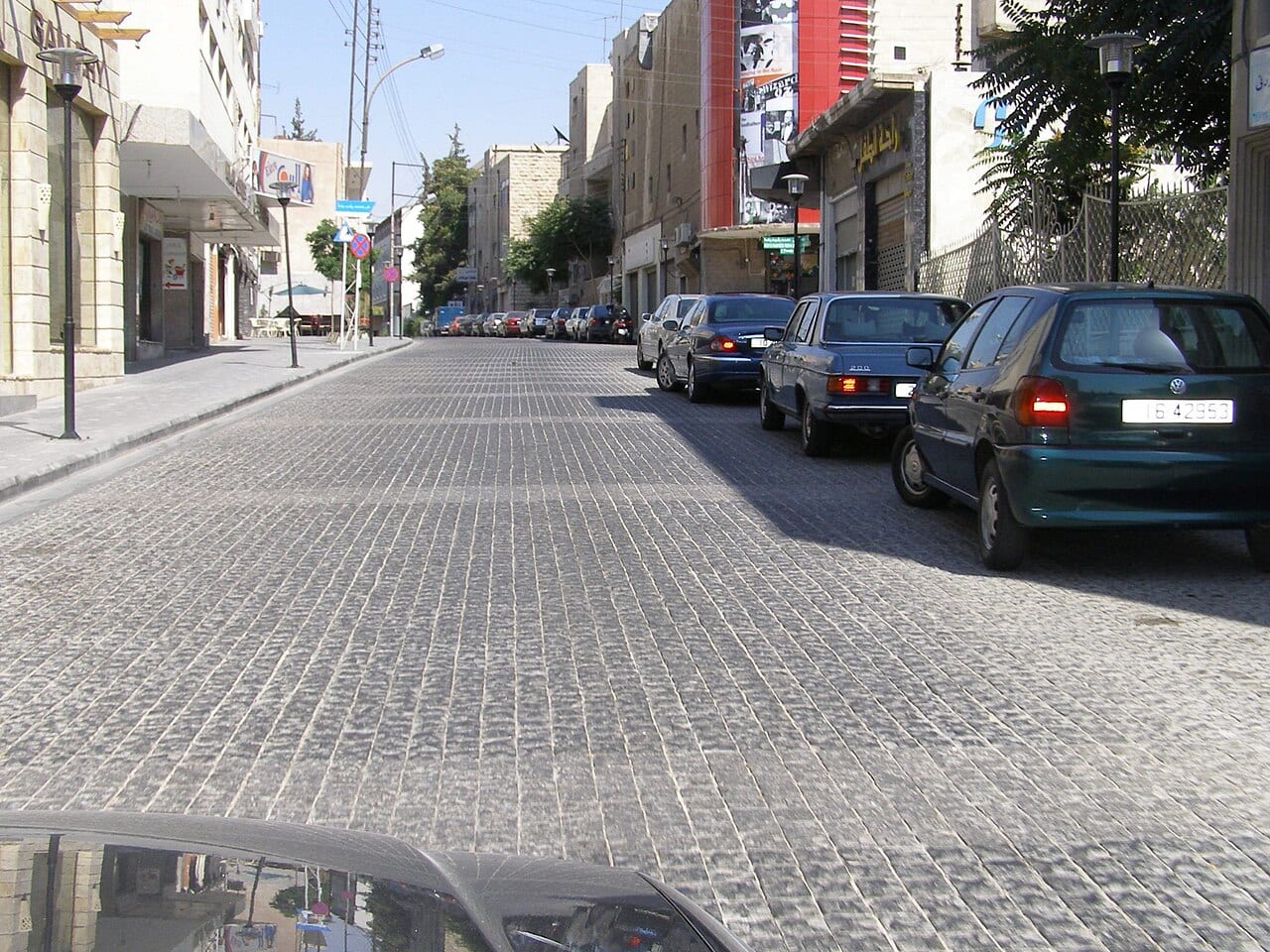
Climb the stairs from downtown, or take a short taxi ride, to Jabal Amman. Rainbow Street and the lanes around it have old stone houses, cafés, juice bars and family restaurants, with views over the city at sunset. Sufra, in an early 20th-century villa on Rainbow Street, serves Jordanian home cooking such as mansaf, maqluba and mezze in a calm setting that suits families; book ahead in busy seasons. Finish with fresh lemonade with mint, a carrot-orange juice from a juice bar, or tea with sage.
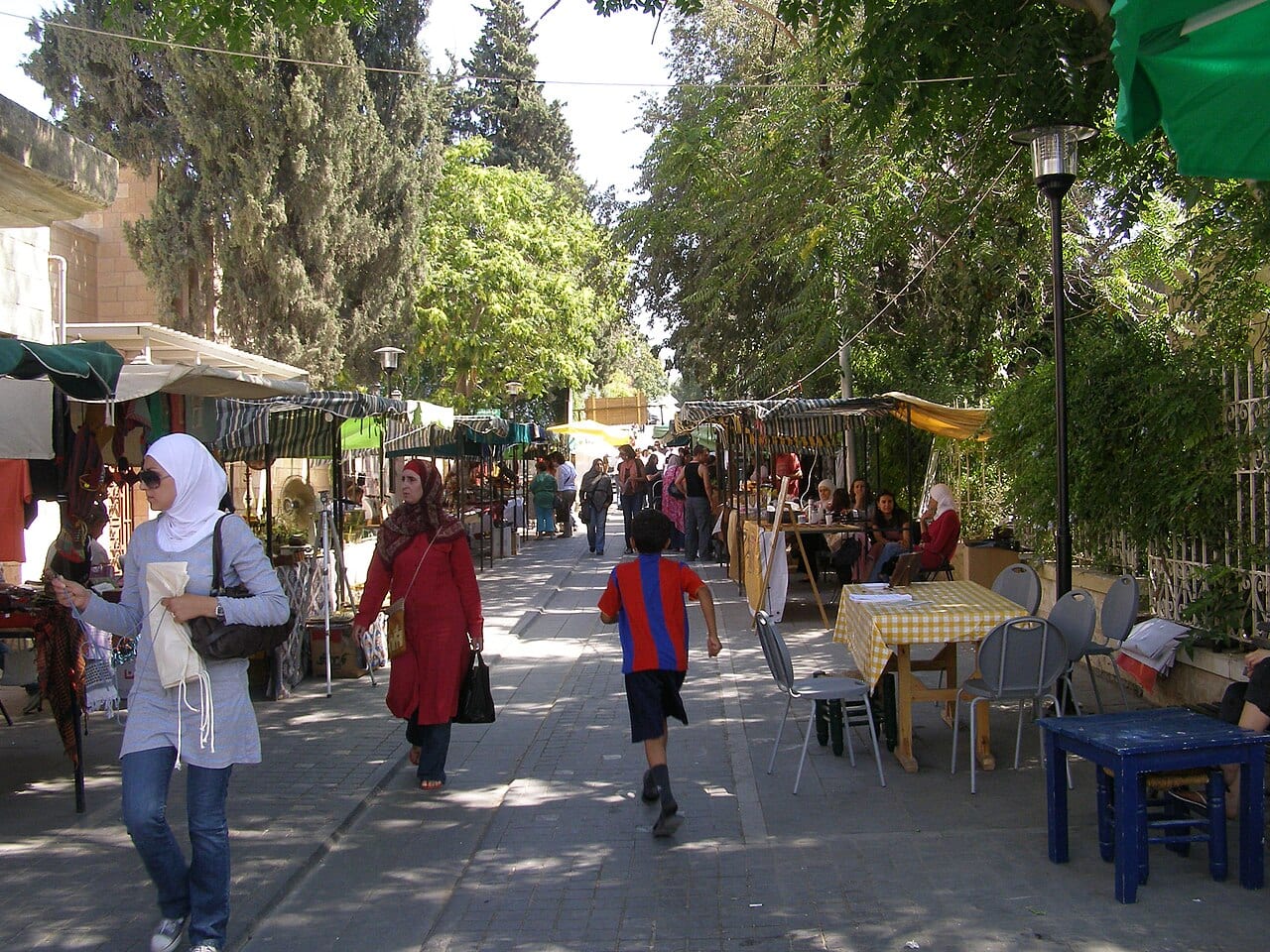
In summer, the Souk Jara street market on Fawzi al-Malouf Street, just off Rainbow Street, has in recent years filled Friday afternoons with food stalls, crafts, music and families. Dates and opening hours vary from year to year, so check locally before planning around it.
A one-day route at a glance
- 8:30 am: breakfast of hummus, ful and falafel at Hashem, off King Faisal Street.
- 10:00 am: ka'ak or manakish from a downtown bakery, then the Roman Theatre.
- 11:00 am: the Amman Citadel for the view, then back down to Al-Balad.
- Dhuhr: pray at the Grand Husseini Mosque, then browse the spice and nut shops and Souq al-Khodra.
- 1:30 pm: lunch of mansaf or maqluba downtown, or a shawarma sandwich if you are saving space.
- Asr: knafeh at Habibah, eaten hot in the alley.
- Before Maghrib: climb to Rainbow Street for sunset, juice or tea; dinner on Jabal Amman, and shawarma at the Second Circle if you are still hungry.
Want a ready plan with these stops, prayer times and nearby halal restaurants worked in? Plan a food day in Amman, or read our Amman destination guide for the rest of the city.
What it costs
Street food is the cheapest way to eat well in Amman. These are rough ranges to plan with in 2026; prices vary by place, so check on the spot:
- Falafel sandwich: usually well under 1 JD.
- Hummus, ful and falafel breakfast for two with bread and tea: a few dinars.
- Shawarma sandwich: roughly 1 to 3 JD depending on size and meat.
- A portion of knafeh: around 1 to 2 JD.
- Mansaf in a sit-down restaurant: clearly more, often several times the price of a sandwich, and usually enough for a big appetite.
A full day of eating along this route usually costs less per person than a single dinner in a hotel restaurant.
Getting around
Walk inside downtown, where everything on the morning route is within 15 minutes on foot. Between hills, use a yellow taxi (ask for the meter) or a ride-hailing app such as Careem or Uber. From Queen Alia International Airport, allow 40 to 60 minutes by road to central Amman depending on traffic.
Tips for families and women
- Families: downtown is crowded but friendly. Keep children close on narrow pavements and the stairs, and use the sit-down places (Hashem, the mansaf restaurants, Rainbow Street cafés) for rests.
- Family sections: many traditional restaurants have a family area upstairs or at the back; ask for "qism al-'a'ilat".
- Women: women eat at street stalls and in local restaurants all the time, alone or in groups. Modest, comfortable clothing is normal downtown, and a scarf is needed only for entering the mosque.
- Strollers: the hills and stairs make them hard work; a baby carrier is easier.
Common mistakes
- Eating too much at breakfast: portions are big and bread is unlimited. Share plates so you have room for lunch and knafeh.
- Arriving late for mansaf: many places sell out by late afternoon.
- Walking up the hills at midday in summer: take a taxi up and walk down instead.
- Only carrying large notes: small stalls struggle to change a 20 JD or 50 JD note.
- Eating in the street in Ramadan daytime: wait until Maghrib.
Frequently asked questions
Is street food in Amman halal?
Yes. Meat in Amman's local restaurants and street stalls is halal as a rule. If you are unsure about a hotel or international chain, ask.
Is street food in Amman safe to eat?
At busy places with fast turnover, yes. Choose stalls where locals queue and food is cooked in front of you, and drink bottled water.
How much should I budget for a day of street food?
Very little: breakfast, a sandwich lunch, sweets and drinks for one person usually cost less than one hotel dinner.
Are vegetarian options easy to find?
Very: hummus, ful, falafel, manakish with za'atar or cheese, salads and most sweets are vegetarian.
What is open on Friday morning?
Breakfast places such as Hashem and many bakeries; most other downtown shops open after the Jumu'ah prayer.
More on Amman: Visit Jordan (Jordan Tourism Board).
Cover photo: freshly fried falafel. Photo: Popo le Chien — CC BY-SA 3.0, Wikimedia Commons