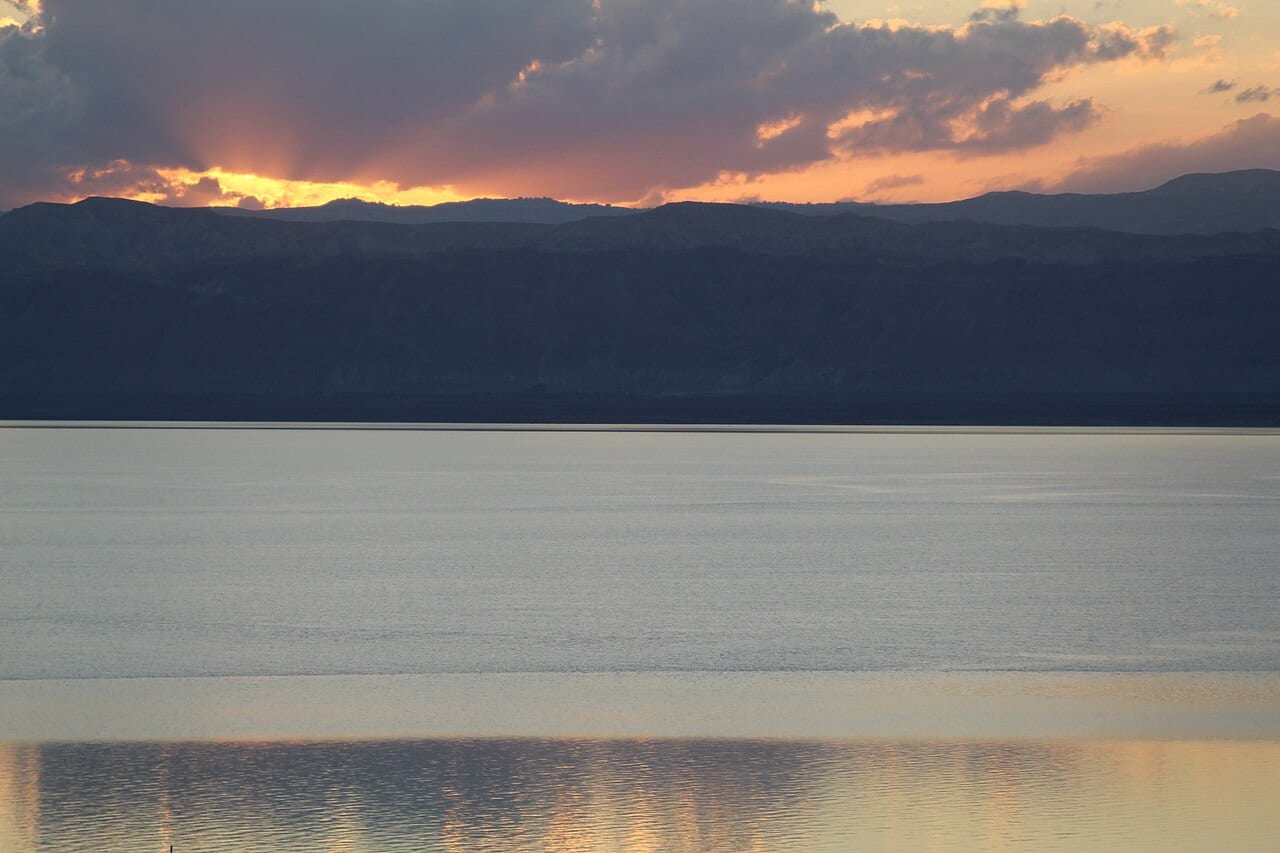
The Dead Sea is the lowest point on land, about 430 metres below sea level and still dropping by around a metre a year. Its water is roughly ten times saltier than the ocean, so you float without trying, and its shores are crusted with white salt that glows at sunset. From the Jordanian side the view looks west across the water to the hills of Palestine, which means one thing for photographers: the sun sets over the sea in front of you. This guide covers when and where to shoot, how to protect your camera and phone from salt, the best viewpoints and side trips, and how to plan a calm, family-friendly visit with halal food, prayer and Ramadan in mind.
The Dead Sea at a glance
- Where: about 45 to 60 minutes' drive south-west of Amman, down a road that falls more than a kilometre; about 40 minutes from Queen Alia International Airport.
- Light: the Jordanian shore faces west. Sunset is the main event; mornings are softer, with the sun behind you and the beach in shade until it clears the mountains.
- Season: October to April is the most comfortable. In summer it is extremely hot, often above 40 °C, and the air is hazy, which flattens distant views.
- Access: resort hotels with private beaches along the northern shore near Sweimeh, plus Amman Beach, a public beach with facilities for day visitors.
- Time needed: a day trip works, but one night gives you both sunset and the calm morning light.
Getting there and around
A car is by far the easiest way to explore: the road from Amman drops through the hills past the "sea level" marker to the northern shore, then follows the coast south past the resorts, Amman Beach, the Panoramic Complex turn-off and on to Wadi Mujib. Taxis and private drivers from Amman will do a day trip and wait for sunset; agree the price and the return time first. There is no practical public transport along the shore for visitors.
Fuel up before you descend, carry plenty of water, and remember that the coast road is a security area with checkpoints: keep your passport with you and follow instructions.
When to shoot
Golden hour and sunset
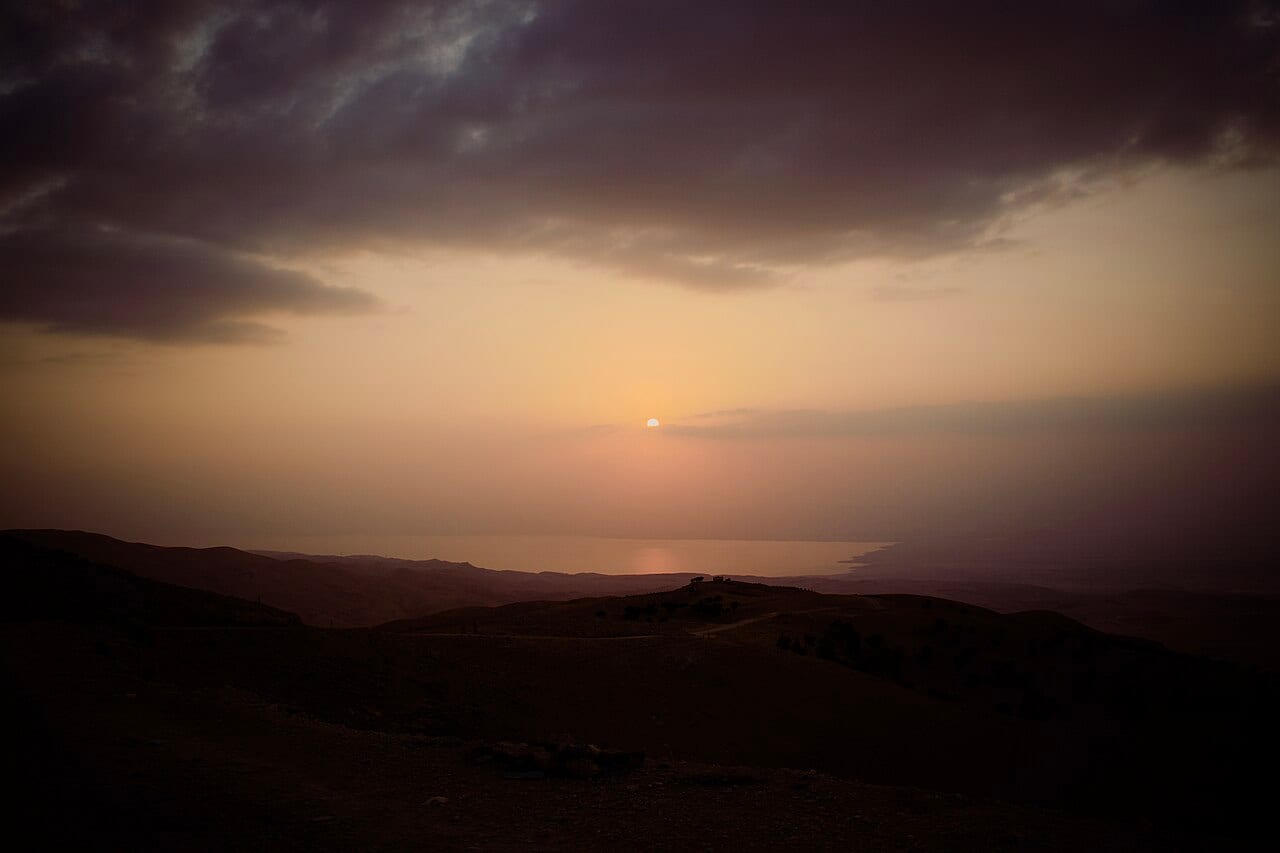
Arrive at least an hour before sunset. As the sun drops, the water turns from blue to silver and then gold, and the far hills fade into layers. The best frames include something in the foreground: salt formations, a line of rocks, or people floating. After sunset, wait twenty minutes for the blue hour, when the sky glows pink and violet above the water.
Morning
Early morning is calm, cooler and often clearer. The sun rises behind the Jordanian mountains, so the beach stays in shade for a while and the light on the water is gentle: ideal for portraits and floating shots without harsh shadows. Pray Fajr, have an early breakfast and be on the beach as the light arrives.
Haze and weather
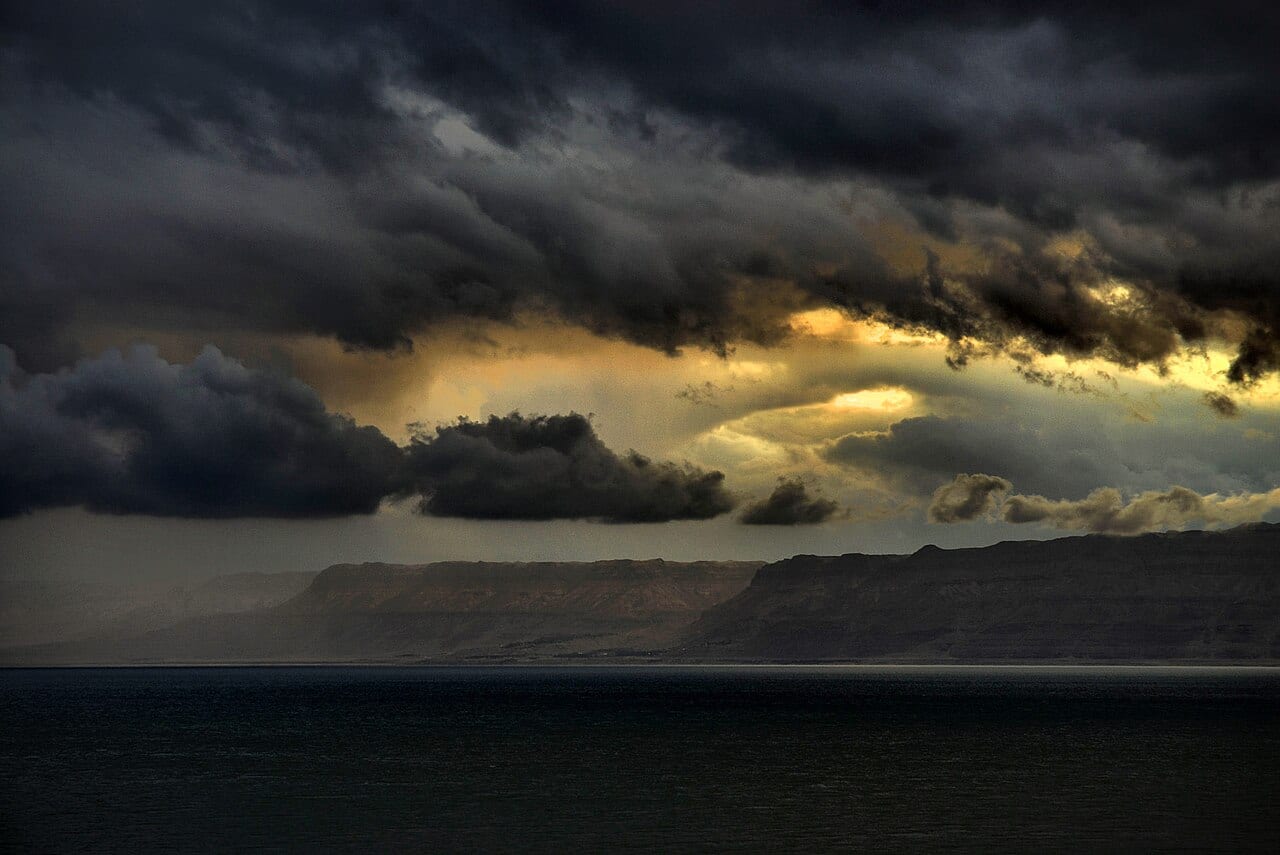
The basin often holds a haze, especially in summer. On hazy days, shoot tighter compositions (salt, rocks, people) rather than wide landscapes. After winter rain, the air is often crystal clear and the far hills look close enough to touch.
What to photograph
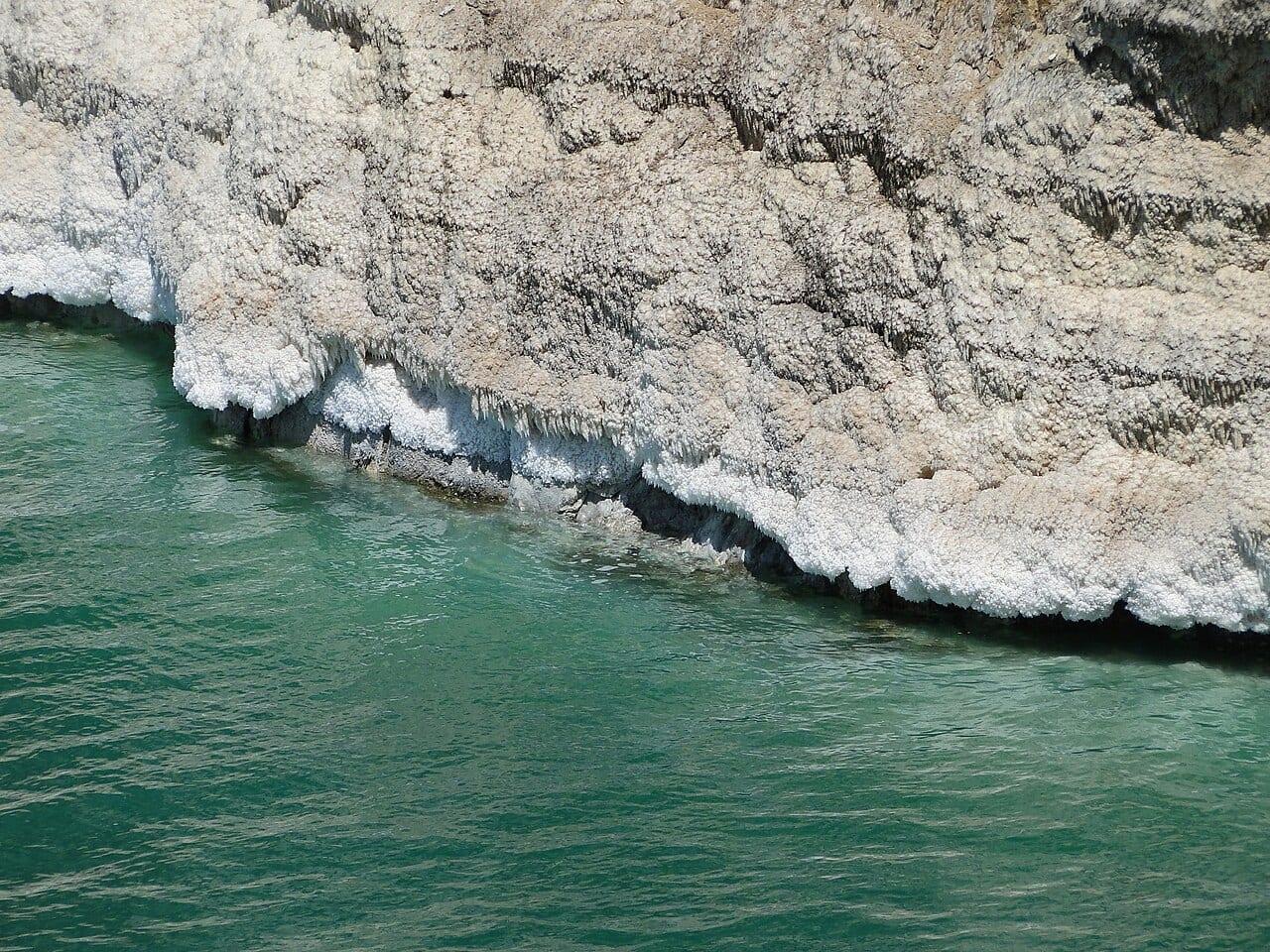
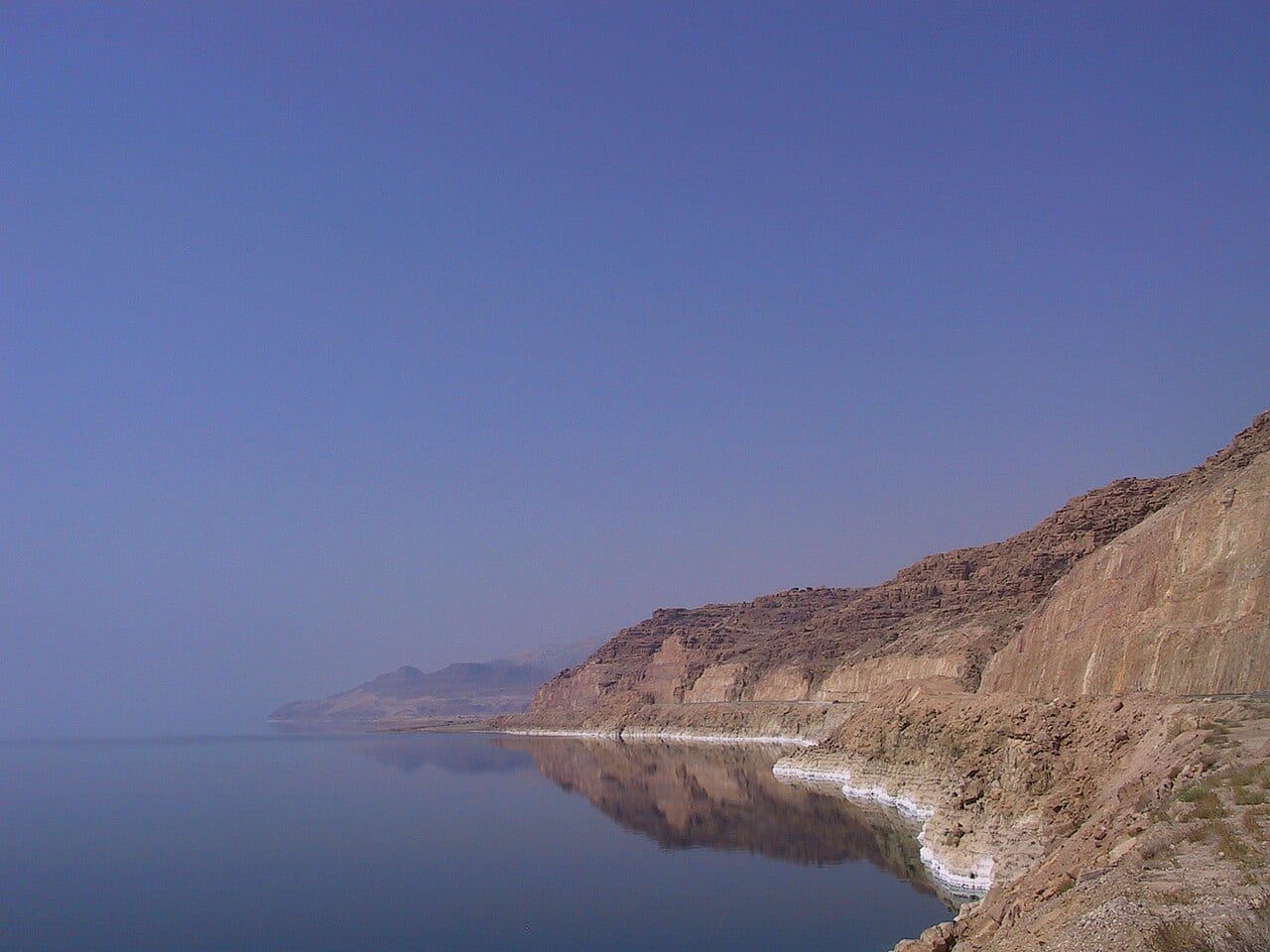
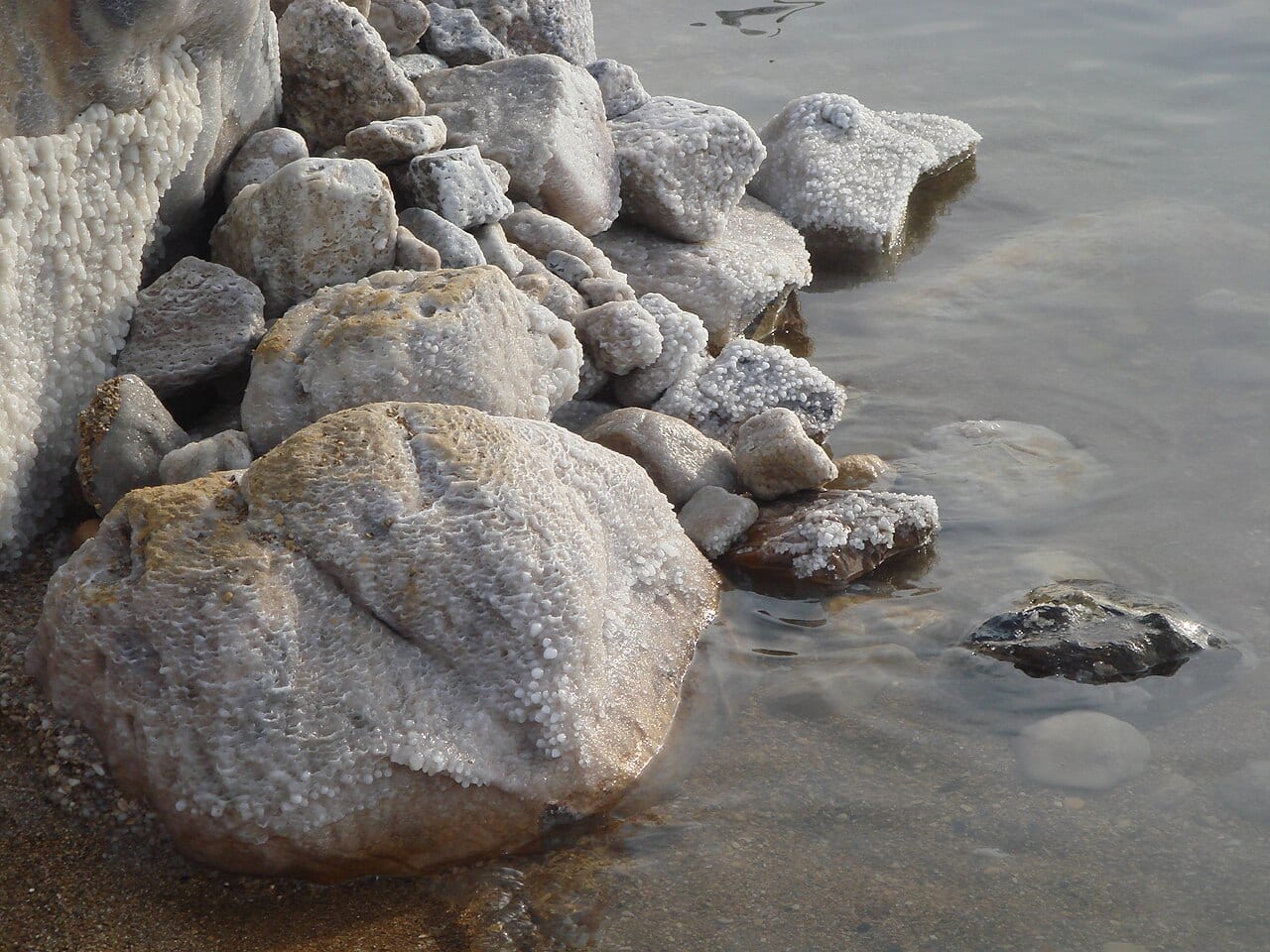
- Salt formations: as the sea retreats, it leaves white salt crusts, ridges and "mushrooms" along the shore. Look for them on quieter stretches of the coast road; shoot low, close and wide, with the sea behind.
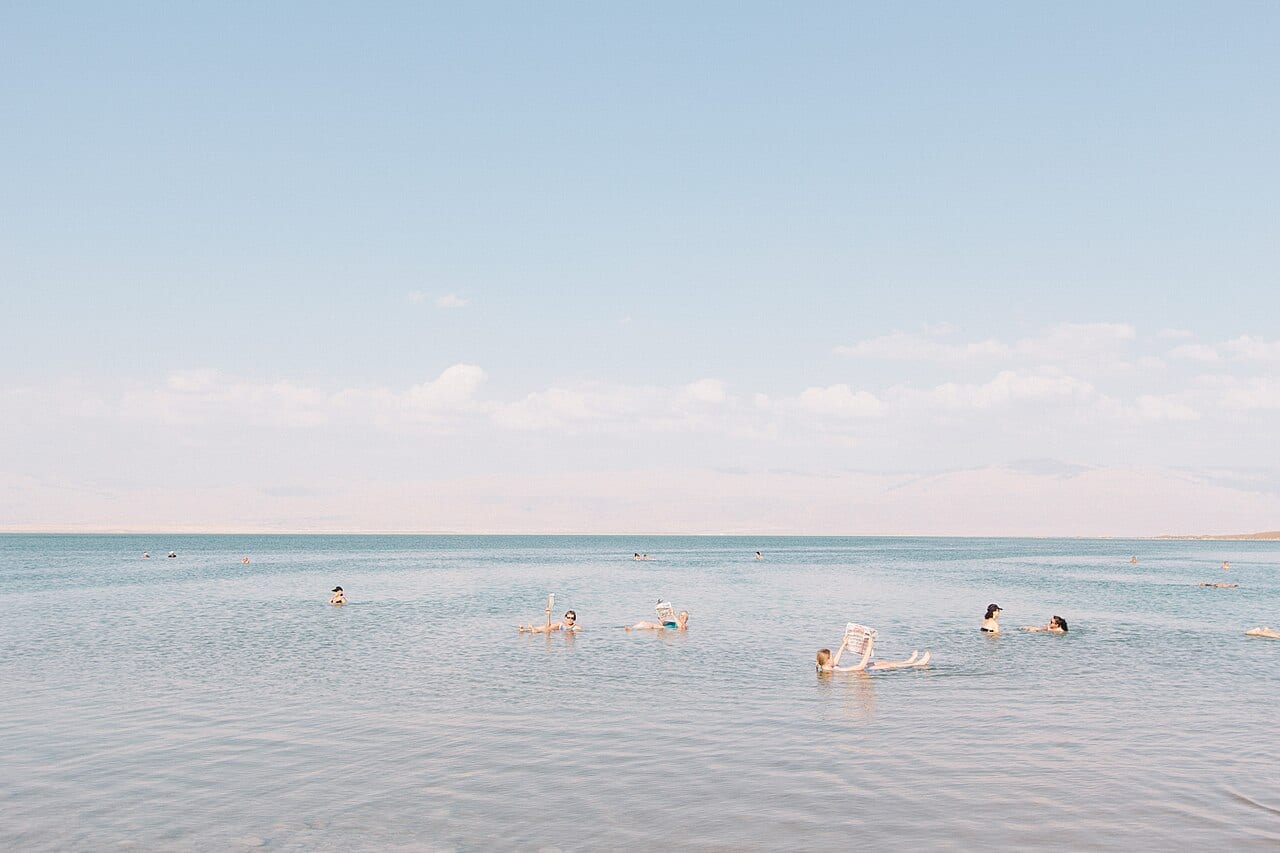
- Floating: the classic photo. Shoot from the shore with a telephoto, or from knee-deep water with a phone in a waterproof pouch. Keep the horizon level and the subject's face to the light.
- Textures: cracked mud, salt crystals on rocks, the turquoise edge where shallow water meets white salt.
- Mud: families covering each other in black Dead Sea mud make fun, colourful photos; keep your camera well away from muddy hands.
- The landscape from above: the hills above the shore give the full sweep of the sea and the Jordan Valley.
For phone photographers: tap to expose for the bright sky at sunset, then lift the shadows later; use the 2x or 3x lens to compress the layers of hills; and turn on HDR for scenes with white salt in bright sun. With a camera, bracket exposures at sunset and shoot in RAW so you can recover the highlights in the salt.
Protecting your gear from salt
Salt is the enemy. A single splash dries into a white crust that scratches lenses and gets into buttons and ports.
- Never touch the lens with wet or salty fingers. Keep a dry microfibre cloth in a sealed bag and a bottle of fresh water to rinse your hands.
- Use a waterproof pouch or case for your phone near the water, and a UV or clear filter on your lens as a sacrificial layer.
- Change lenses away from the beach, back in the car or your room.
- At the end of the day, wipe the camera body with a cloth barely damp with fresh water, then dry it.
- A polarising filter cuts glare on the water and deepens the colour of the shallows; take it off at sunset when you want the glow.
Floating safely (and photogenically)
- Walk in slowly, lean back and let the water lift you. Do not swim face down or splash: the water stings badly in the eyes and is dangerous to swallow.
- Stay in for 10 to 20 minutes at a time, then rinse in the fresh-water showers on the beach.
- Do not shave the day before, and cover small cuts: the salt burns.
- Wear water shoes: the salt crystals on the bottom are sharp.
- Keep small children in the shallows and keep the water away from their eyes; a fresh-water bottle for rinsing faces is essential.
Women, families and modest swimwear
Modest swimwear, including full-cover swimsuits, is normal at the resorts and at the public beach, and many families swim fully covered. Women who prefer more privacy should choose a resort with a quieter beach area or a women-only spa and pool, and ask about it when booking. Always ask before photographing people, especially women and families on the beach, and frame your own family shots so that strangers are not in them.
Ramadan, heat and prayer
In Ramadan, plan your float for the late afternoon and take extra care not to get water in your mouth or nose, which is also the reason most fasting visitors keep it short. Many resorts serve iftar buffets and suhoor; book ahead, as Ramadan weekends are busy with families from Amman. In summer, avoid the beach between late morning and mid-afternoon, drink far more water than you think you need, and keep children in the shade.
Hotels can tell you the Qibla direction (roughly south-south-east from the shore) and most have a prayer room or will point you to one. The town of Sweimeh near the northern resorts has mosques for Jumu'ah and the daily prayers. When you are out shooting, a light mat lets you pray Asr on the shore before the light turns golden.
Viewpoints and side trips
The panorama above the sea
On the road climbing from the shore towards Madaba, the Dead Sea Panoramic Complex sits on a cliff high above the water, with a viewpoint and a small museum about the sea's geology and history. It is one of the best places in Jordan for a wide, high sunset shot.
Mount Nebo and Madaba
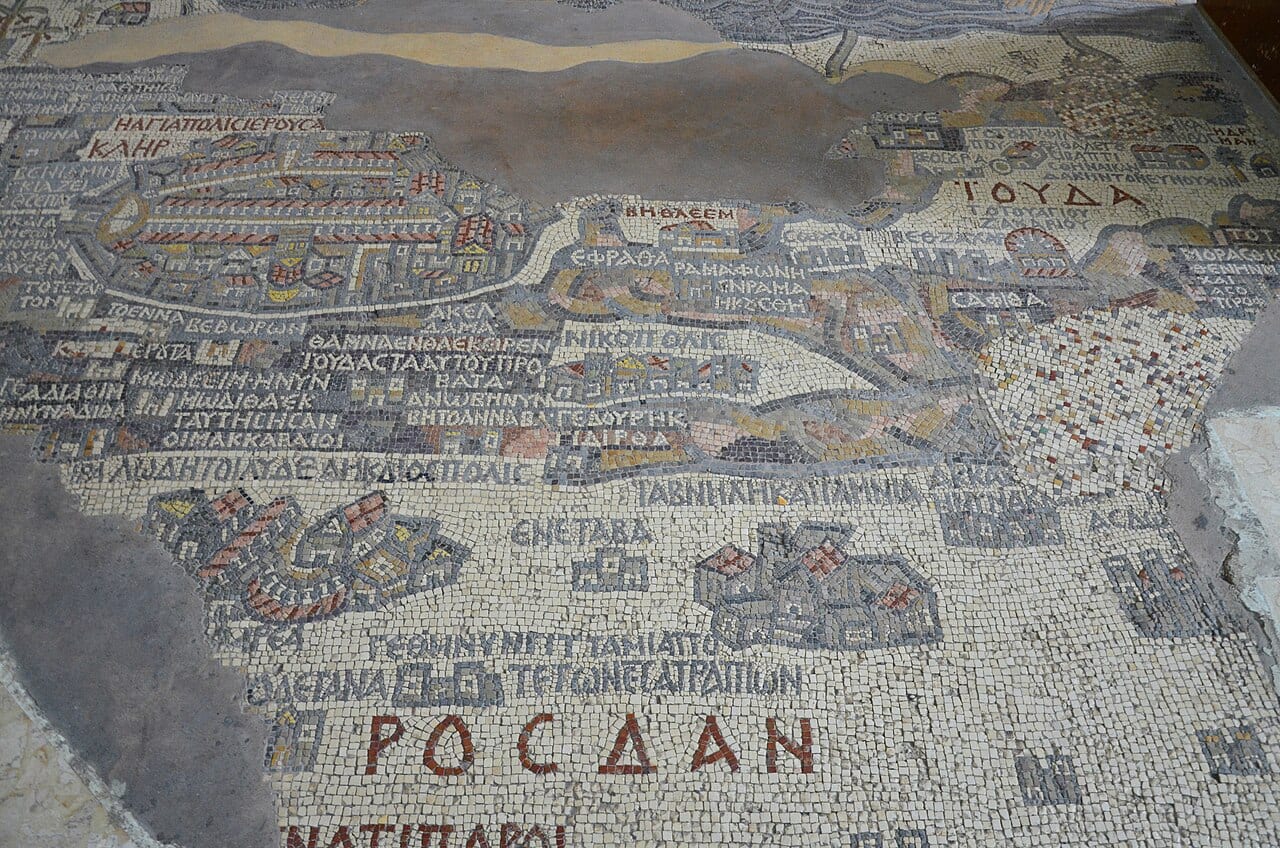
On the plateau above the sea, Mount Nebo is the ridge where tradition says Prophet Musa (Moses), peace be upon him, looked out over the land before his death. On clear evenings the sun sets over the Dead Sea and the Jordan Valley below. Ten minutes away, Madaba is famous for its Byzantine mosaics, including the 6th-century mosaic map of the region, and for good family restaurants for lunch. Near the northern shore, the Baptism Site (Al-Maghtas), a UNESCO World Heritage Site where the Gospels place the baptism of Prophet Isa (Jesus), peace be upon him, fits easily into the same day.
Wadi Mujib
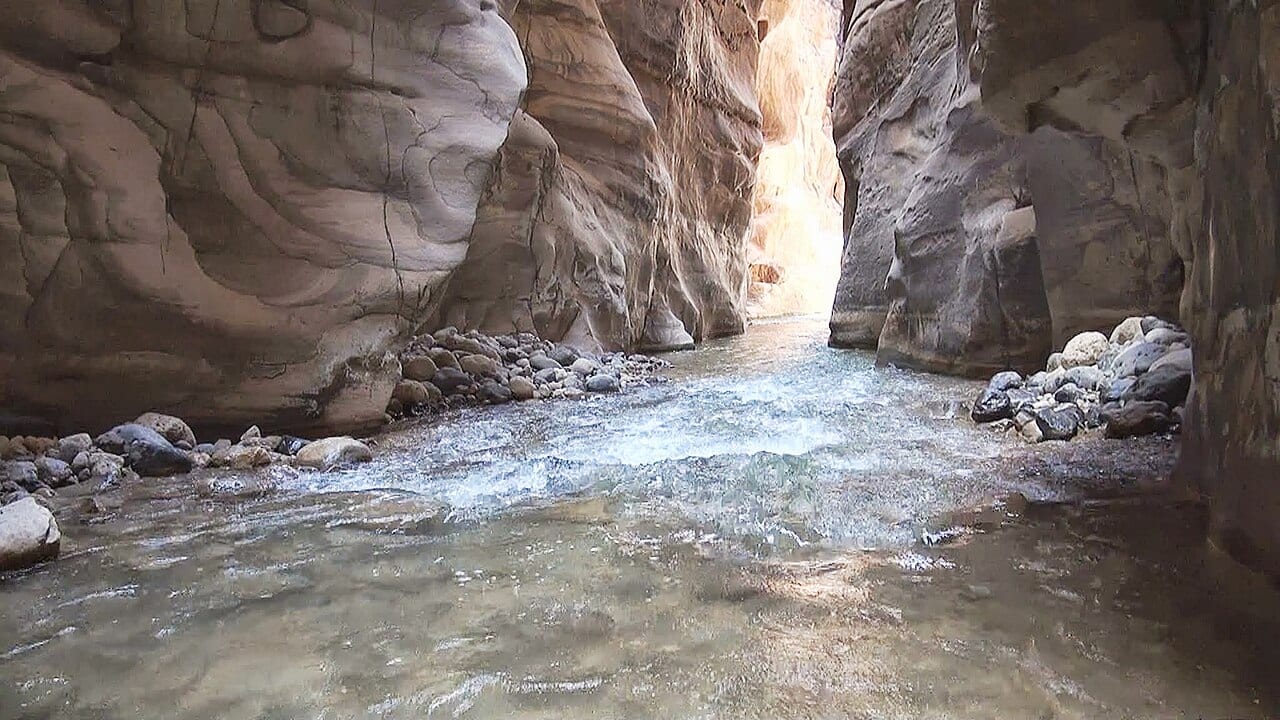
About half an hour south along the shore, the Mujib Biosphere Reserve, run by the Royal Society for the Conservation of Nature (RSCN), has the Siq Trail, a walk and wade up a narrow, river-cut canyon with towering red walls. It usually opens only in the warmer months, roughly April to October, because of flash-flood risk, and the dates shift with the weather; check with RSCN before you go, wear shoes that can get wet, and use a waterproof camera or phone case.
Hammamat Ma'in
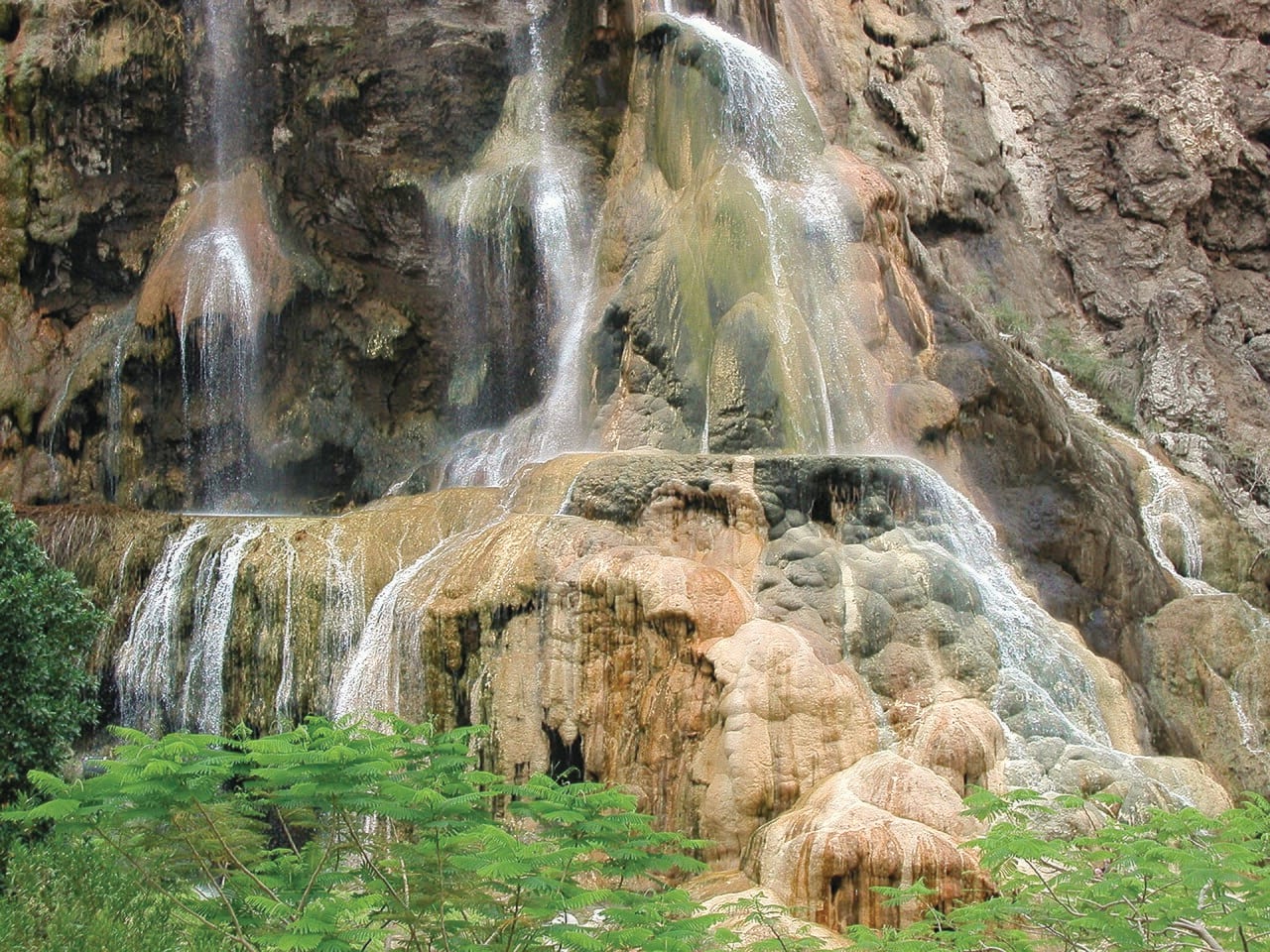
In the hills between the Dead Sea and Madaba, the hot springs of Ma'in pour over mineral-stained cliffs in a series of waterfalls. The winding road up from the shore is part of the experience. Access to the falls is through the resort that manages the site, so check current entry arrangements before you go.
Lot's Cave and the Museum at the Lowest Place on Earth
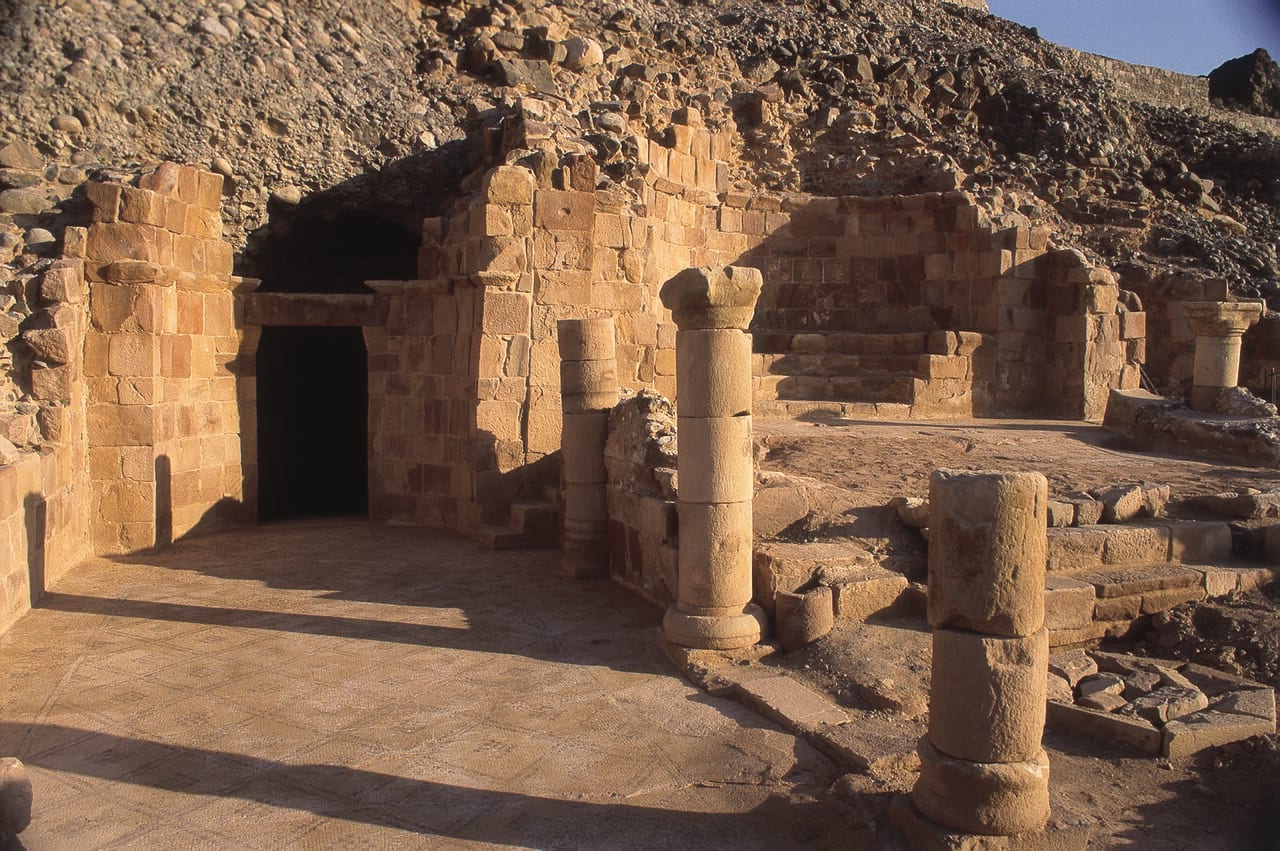
At the southern end of the sea, about an hour and a half from the northern resorts, the cave above Ghor es-Safi is traditionally linked to Prophet Lut (Lot), peace be upon him, whose people's story is told in the Qur'an. A stairway climbs to the cave and the ruins of a Byzantine monastery, with wide views over the southern basin, and the museum below explains the region's history. Combine it with a drive along the empty southern shore, where the salt flats make strong graphic photographs.
A one-night photo plan
- Late morning: leave Amman; Mount Nebo for the view, then lunch and the mosaic map in Madaba.
- Afternoon: down to the shore, check in, float before 4 pm while the light is soft, then rinse and change.
- Sunset: Asr on the shore, then golden hour on the beach or from the Panoramic Complex; stay for the blue hour; Maghrib and dinner at the hotel.
- Next morning: Fajr, then salt formations along the coast road in the early light; the Mujib Siq Trail in season, or Ma'in on the way back to Amman.
Check live prices for your dates on our hotel search, or let the planner build the whole trip: plan Amman, the Dead Sea and Petra. Heading south afterwards? Read our Petra travel guide, and see our Amman destination guide for the capital.
Food, costs and where to stay
Most visitors stay one night at the resorts on the northern shore. Resort restaurants serve halal food; some also serve alcohol, so ask for a family area if you prefer. For lunch, family restaurants in Madaba or on the road down from Amman serve grilled meats, mezze and Jordanian dishes at far lower prices than the resorts. Resorts are the main cost: prices range from mid-range to luxury and rise on weekends and holidays. Many resorts sell day passes with beach access, showers and lunch, which cost less than a night, and the public beach is the cheapest option. Entry to the Panoramic Complex, Wadi Mujib and Ma'in is charged separately; check current prices before you go.
Respect and rules
- People: always ask before photographing people, especially women and families on the beach.
- Security: the Dead Sea is a border area. Do not photograph military or police posts and checkpoints, and follow instructions if asked to put the camera away.
- Drones: flying a drone in Jordan needs prior permission; do not fly without it.
- Salt formations: do not break or climb on them; they are fragile and sharp.
Common mistakes
- Arriving at sunset with no foreground: scout your spot an hour early.
- Taking a phone into the water without a pouch: one drop of Dead Sea water can ruin a charging port.
- Floating too long: 10 to 20 minutes is enough; rinse straight after.
- Visiting at midday in summer: the heat is dangerous and the light is flat.
- Forgetting water shoes: salt crystals cut feet easily.
Frequently asked questions
What is the best time of day to photograph the Dead Sea?
From the Jordanian shore, the hour before sunset and the twenty minutes after it. Early morning is best for calm water and portraits.
Can I visit the Dead Sea as a day trip from Amman?
Yes. It is under an hour by car. A day pass at a resort or the public beach gives you showers and shade; stay for sunset, then drive back.
Is it safe to take my phone into the water?
Only in a sealed waterproof pouch, and rinse the pouch in fresh water afterwards.
Is the Dead Sea suitable for children?
Yes, with close supervision. Keep them in the shallows, stop them splashing, and rinse eyes immediately with fresh water if needed.
Can women swim in modest swimwear?
Yes. Full-cover swimwear is common at both the resorts and the public beach.
Official information: Visit Jordan · Royal Society for the Conservation of Nature (Wadi Mujib) · UNESCO: Baptism Site "Bethany Beyond the Jordan".
Cover photo: salt and turquoise water on the Jordanian shore. Photo: Bernard Gagnon — CC BY-SA 3.0, Wikimedia Commons