Petra is the reason many travellers come to Jordan. The Nabataeans carved their capital into the sandstone of the Shara mountains more than two thousand years ago, and it grew rich as a caravan hub on the incense and spice routes linking Arabia, Egypt and the Mediterranean. Today it is a UNESCO World Heritage Site: a narrow canyon, then a valley of tombs, temples and stairways cut straight into red, orange and white rock. This guide covers when to go, what tickets cost in 2026, how to get there, the routes worth walking, where to pray and eat halal, and the mistakes that cost people time.
Petra at a glance
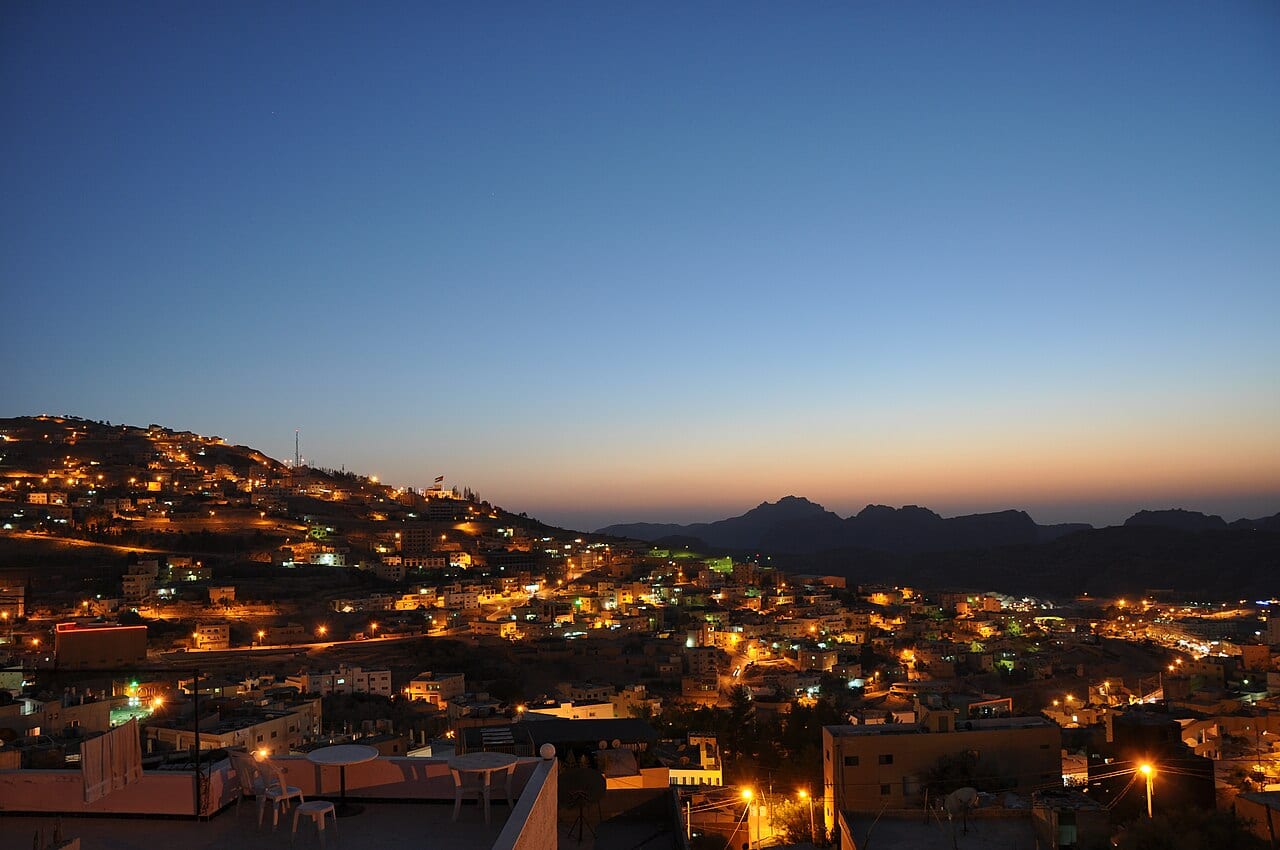
- Where: beside the town of Wadi Musa in southern Jordan, about 3 hours (roughly 235 km) south of Amman and about 2 hours north of Aqaba.
- How long: one full day covers the highlights; two days let you add the Monastery and the High Place of Sacrifice; a third day suits Little Petra or Jabal Haroun. Expect 10 to 20 km of walking a day.
- Opening hours (2026): 06:00 to 18:00 in the summer season and 06:30 to 17:00 from 2 October 2026 to 1 March 2027, per the official Visit Petra website.
- Halal: local restaurants serve halal meat as a rule. Some international hotels serve alcohol; family-run restaurants in Wadi Musa generally do not.
Best time to visit
The best months are March to May and mid-September to November, when days are warm and clear. Summer is very hot in the open valley and there is little shade between the Treasury and the Monastery: enter at opening time, climb before 10:00, rest at midday and come back out for the late afternoon. Winter is quiet and often sunny, but mornings can be near freezing, and on rare rainy days the Siq closes because of flash-flood risk.
Ramadan: the site stays open, but walking 15 km while fasting is hard. Fasting visitors do best with an early start, a short loop (the Siq, the Treasury, the theatre and the Royal Tombs), a long rest at the hotel and iftar in Wadi Musa. Some small restaurants shorten daytime hours during the month. In 2027 Ramadan is expected to begin in the second week of February, a cool and quiet time at Petra.
Tickets and the Jordan Pass in 2026
According to the official Petra fees page, checked in October 2026:
- Visitors staying at least one night in Jordan: 50 JD for one day, 55 JD for two and 60 JD for three (consecutive days).
- Arab nationals: 30 JD. Residents with a residency card valid for a year or more: 10 JD. Jordanians: 1 JD.
- Day visitors who do not stay overnight in Jordan: 90 JD.
- Children under 12: free. Bring every passport to the ticket office, including the children's.
For most international visitors the Jordan Pass is better value. On jordanpass.jo in 2026 it costs 70, 75 or 80 JD for one, two or three days at Petra, covers more than 40 sites including Wadi Rum, Jerash and the Amman Citadel, and waives the tourist visa fee if you buy it before arrival and stay at least two nights. Arab nationals who need no visa should compare it with the 30 JD ticket. Neither covers Petra by Night, which needs its own ticket on top of a daytime one.
How to get to Petra
By car: the easiest option. The Desert Highway from Amman takes about three hours, and Queen Alia International Airport lies on the same road, so you can drive straight from your flight. The King's Highway is slower but passes Madaba, the Wadi Mujib canyon and Karak castle; allow five hours or more with stops.
By bus: JETT runs a morning coach from Amman to Wadi Musa and back in the afternoon. It leaves only a few hours inside, so most travellers stay at least one night; check the timetable on the JETT website the week you travel.
From Aqaba or Wadi Rum: taxis and private drivers take about 1.5 to 2 hours. Many visitors pair Petra with a night in a desert camp; see our guide to camping in Wadi Rum.
Inside the site you walk: about 2 km, gently downhill, from the visitor centre to the Treasury and roughly 1.5 km more to the Great Temple. The official fees page lists electric club cars in 2026 at 15 JD one way between the visitor centre and the Treasury (25 JD return), and licensed guides at 50 JD for the main trail or 100 JD including the Monastery or the High Place.
Routes inside Petra
The Siq, the Treasury and the city centre
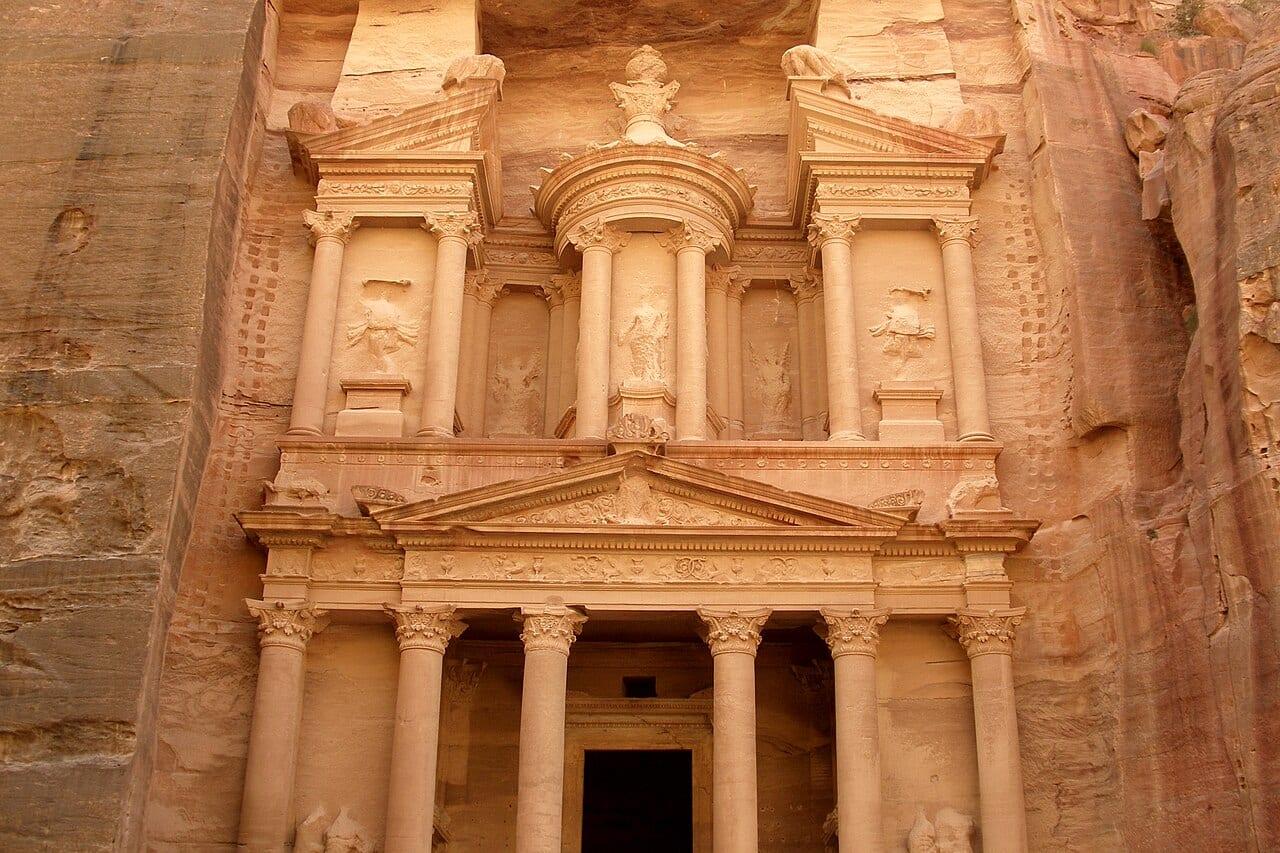
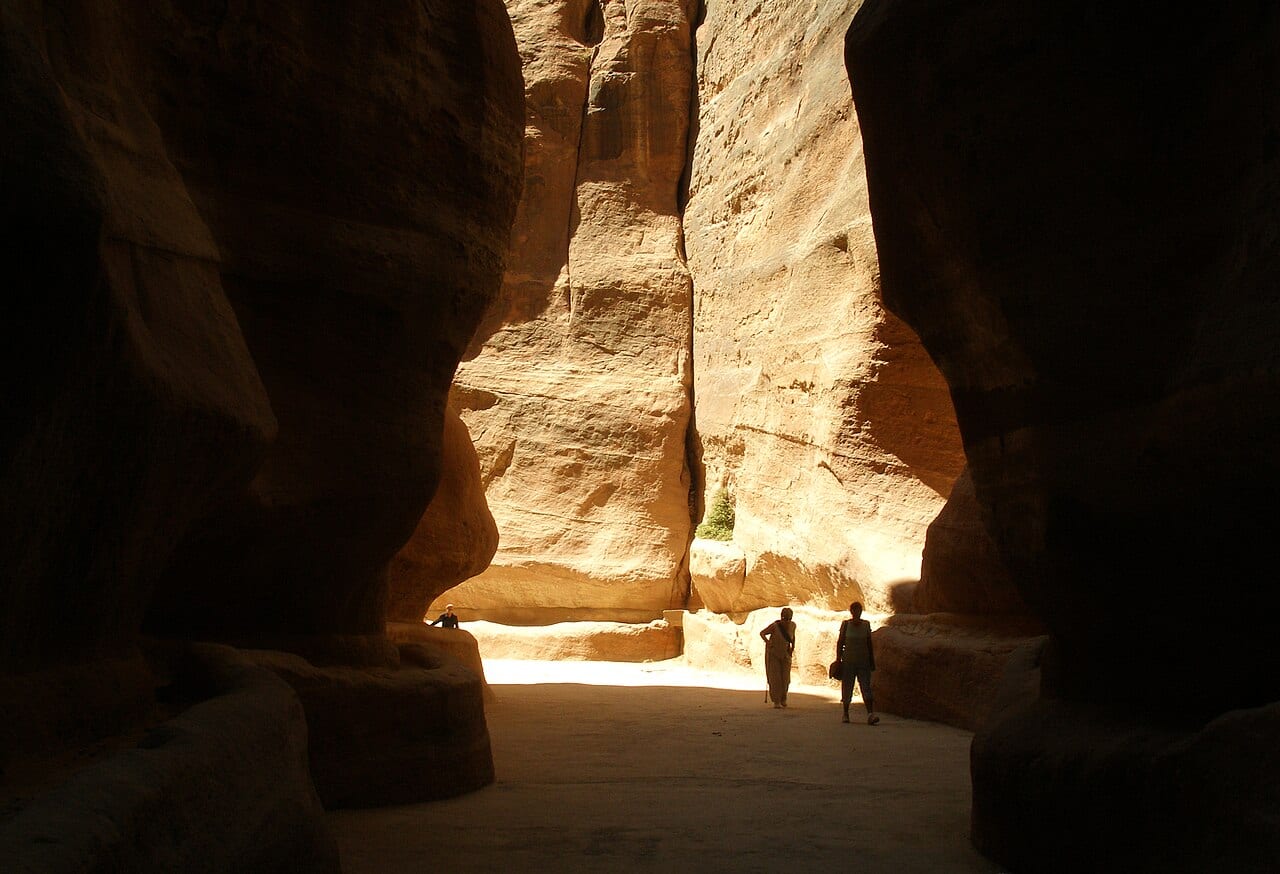
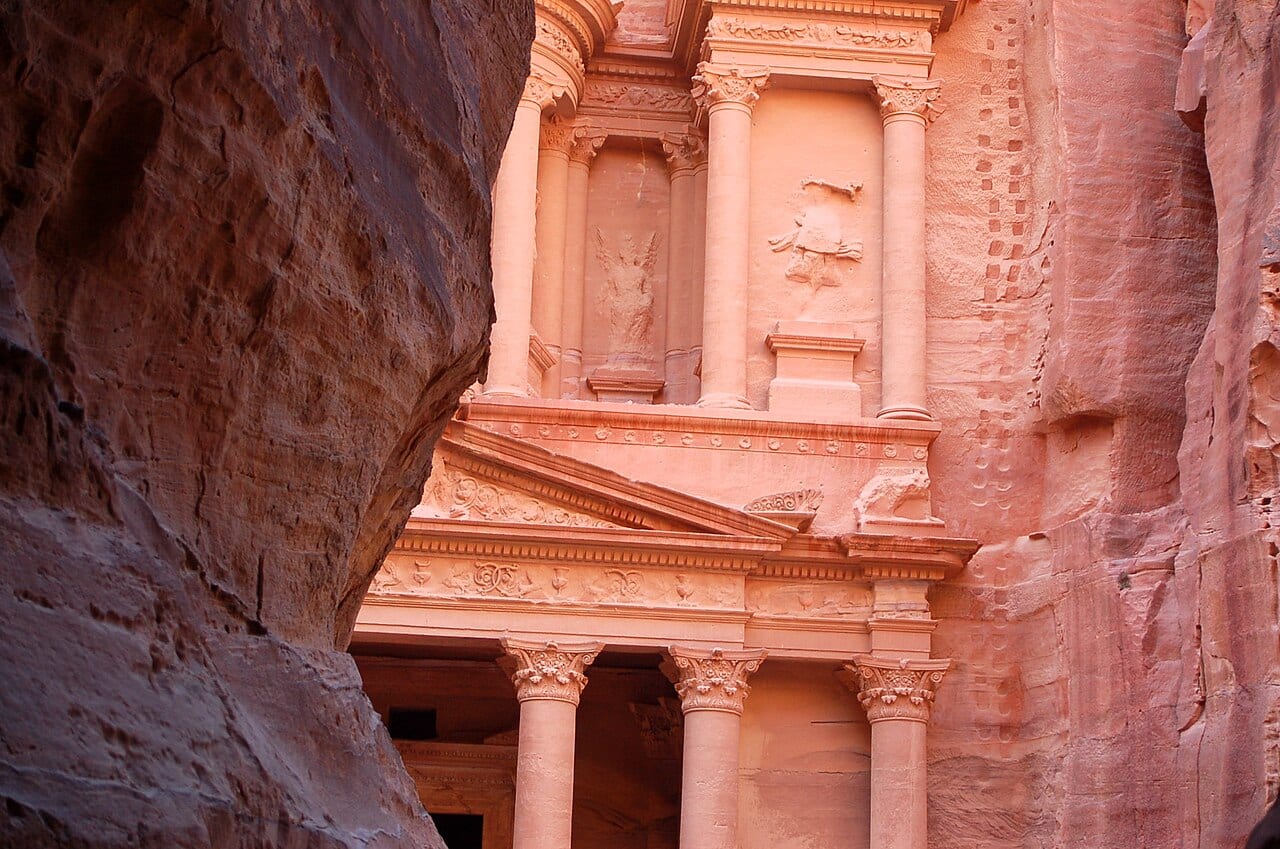
From the visitor centre the Bab al-Siq path passes the Djinn blocks and the Obelisk Tomb, then enters the Siq, a canyon about 1.2 km long with walls up to 80 metres high. Look for the Nabataean water channels along both sides and the worn relief of a camel caravan. The Siq ends at Al-Khazneh, the Treasury. Arrive at opening time and you may have it nearly to yourself; by mid-morning the groups arrive.
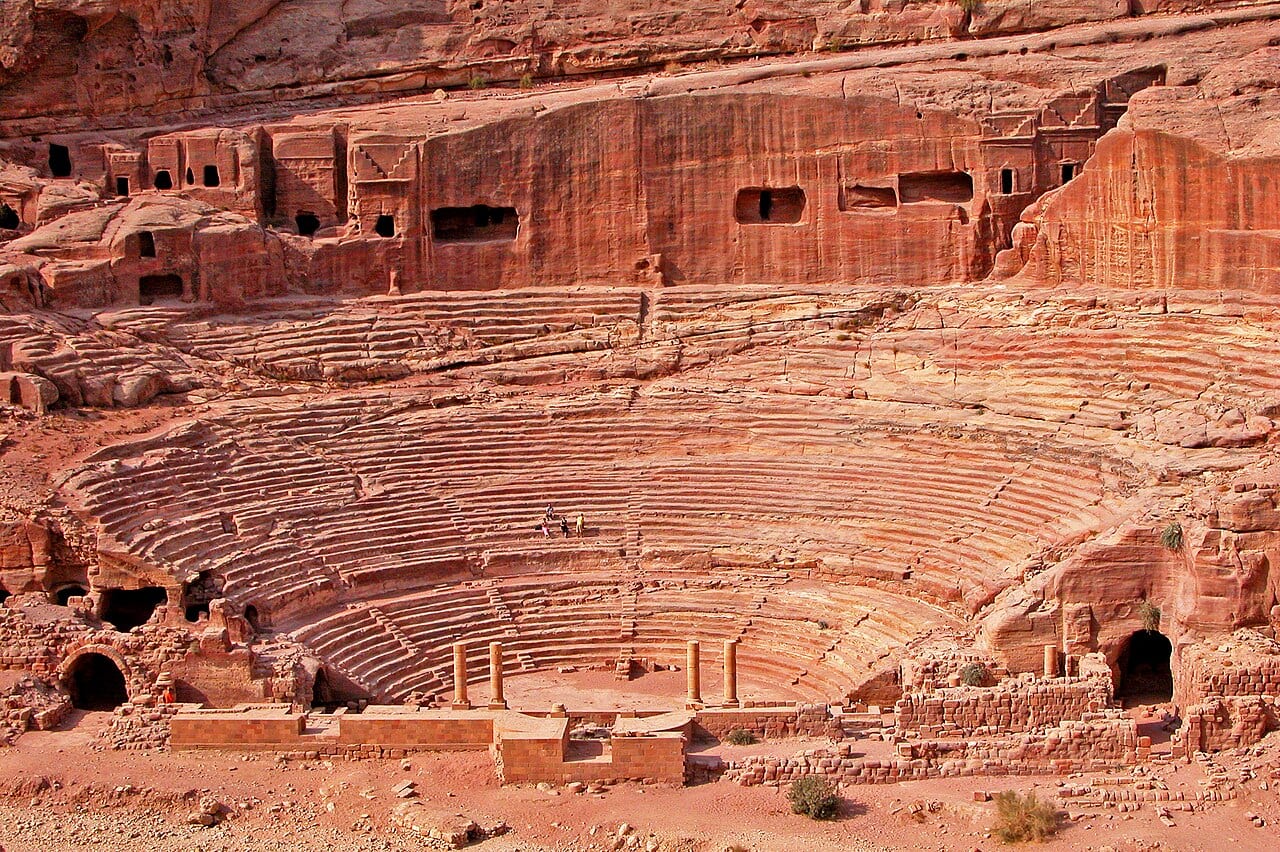
Continue along the Street of Facades to the theatre, carved by the Nabataeans and enlarged under Roman rule. Opposite, a stairway climbs to the Royal Tombs: the Urn, Silk, Corinthian and Palace tombs. The banded rock inside the Silk Tomb is worth the short climb, and the terrace of the Urn Tomb gives one of the best views over the valley.
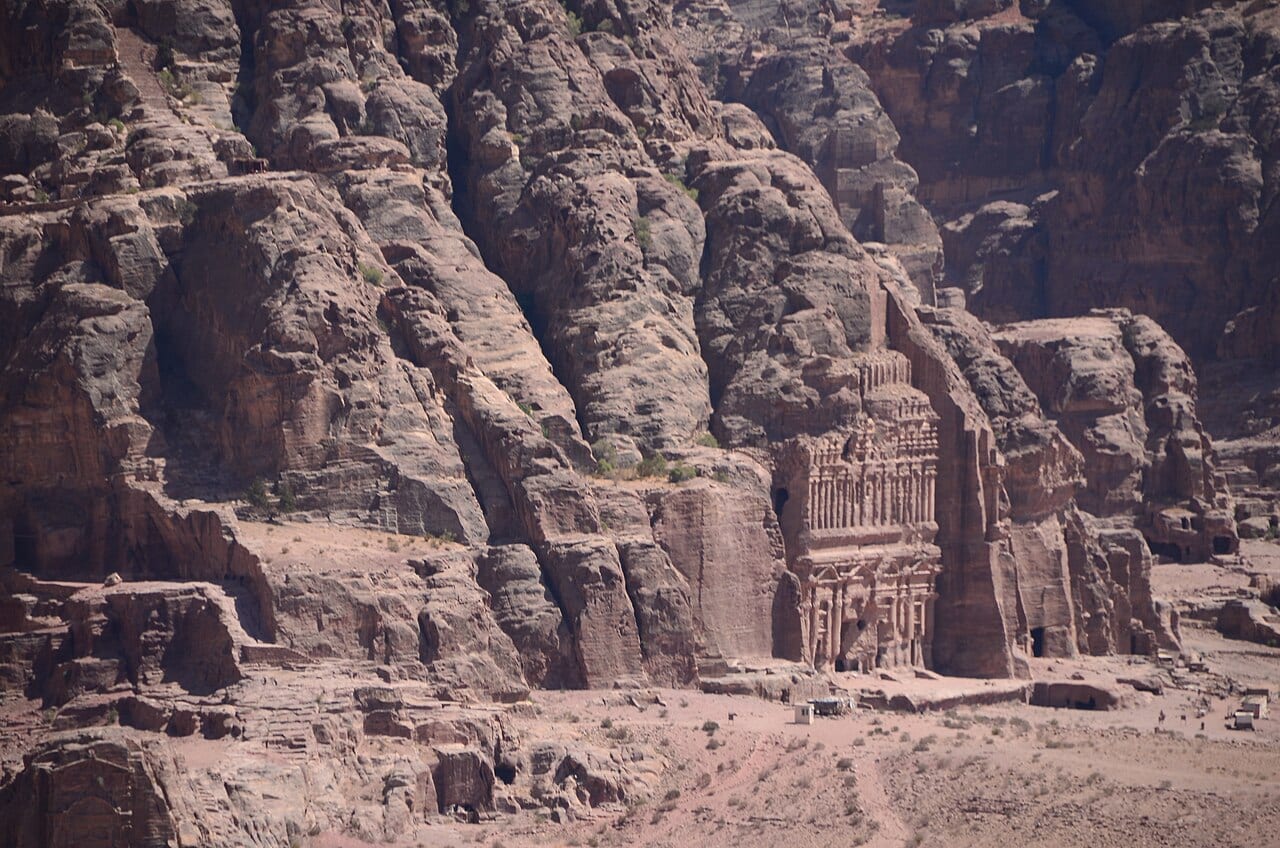
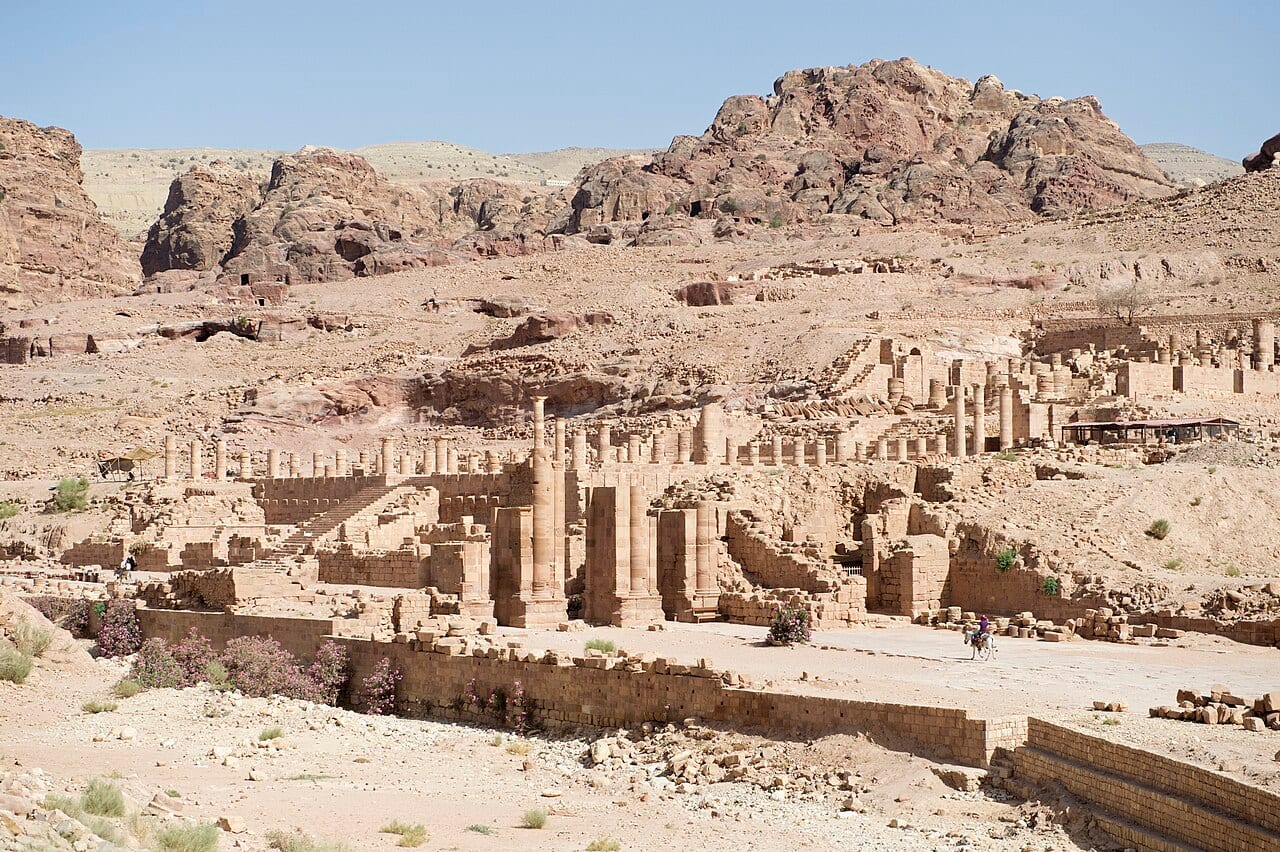
Back in the valley, the Colonnaded Street leads to the Great Temple and to Qasr al-Bint, the city's main temple. The restaurants and rest areas are here, and so is the start of the Monastery stairway.
The Monastery (Ad-Deir)
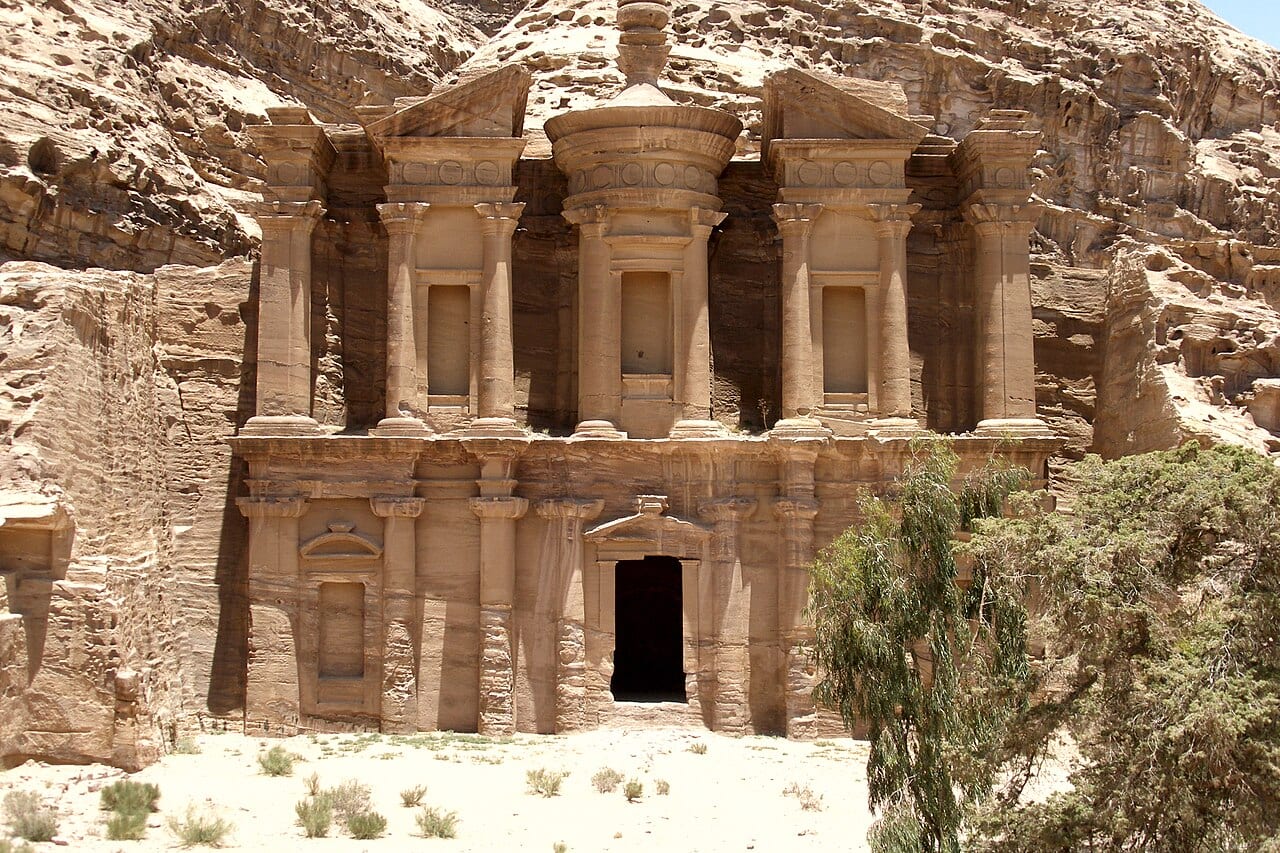
From behind Qasr al-Bint, about 800 rock-cut steps climb to Ad-Deir, larger than the Treasury and far quieter. Allow 45 minutes to an hour at a steady pace, start before noon in warm months and carry water. Short paths beyond it lead to viewpoints over Wadi Araba.
The High Place of Sacrifice
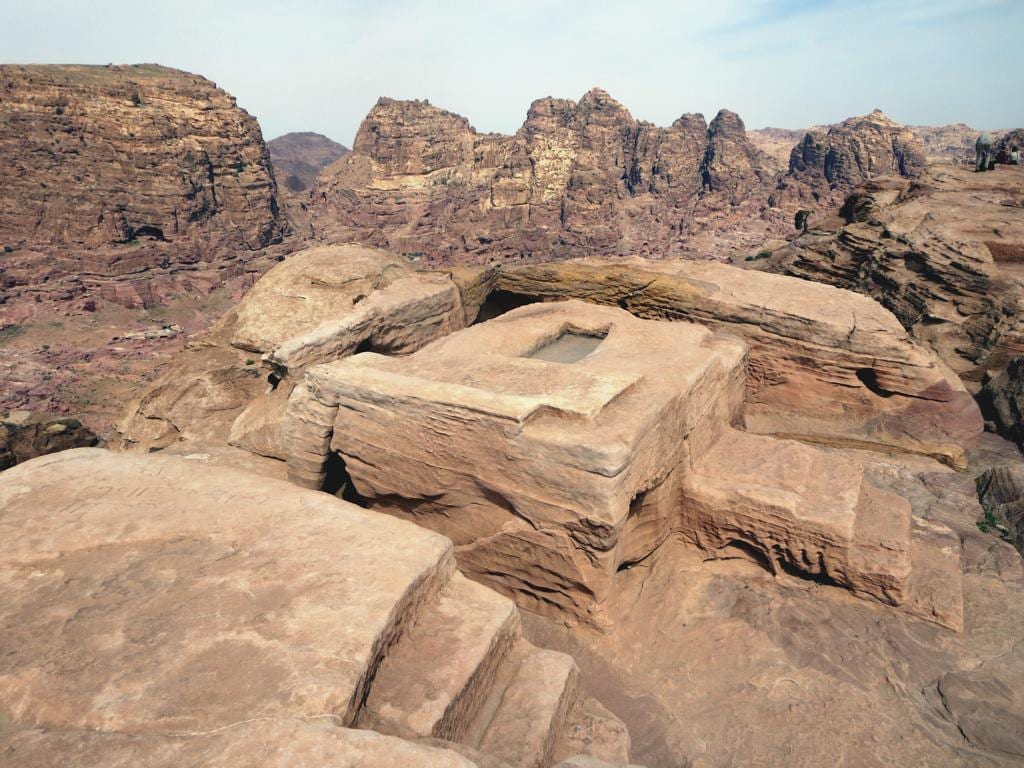
A steep stairway near the theatre climbs to Al-Madbah, a ridge-top Nabataean altar with wide views. Rather than returning the same way, descend past the Lion Fountain, the Garden Tomb and the Roman Soldier Tomb through Wadi Farasa to Qasr al-Bint. The loop takes two to three hours and makes a good second-day walk.
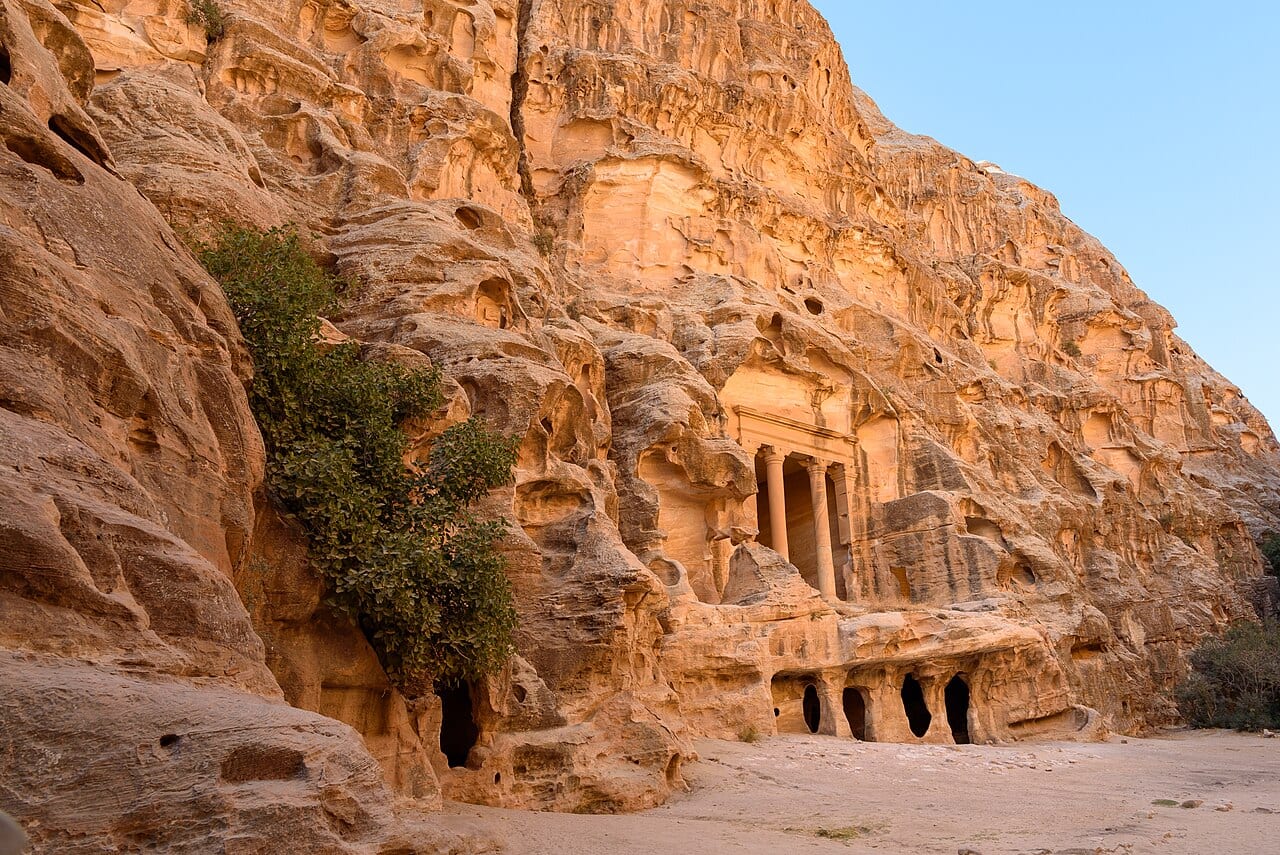
Little Petra (Siq al-Barid) and the Back Trail
About 15 minutes' drive north of Wadi Musa, Little Petra is a short canyon of carved dwellings and cisterns, rarely crowded and ideal for an afternoon after a long first day. From nearby, a hill trail of a few hours reaches the Monastery from behind, avoiding the 800 steps; go with a local guide. Jordan Pass holders using this Back Trail must show the pass at the ticket office first, per the official fees page.
Jabal Haroun
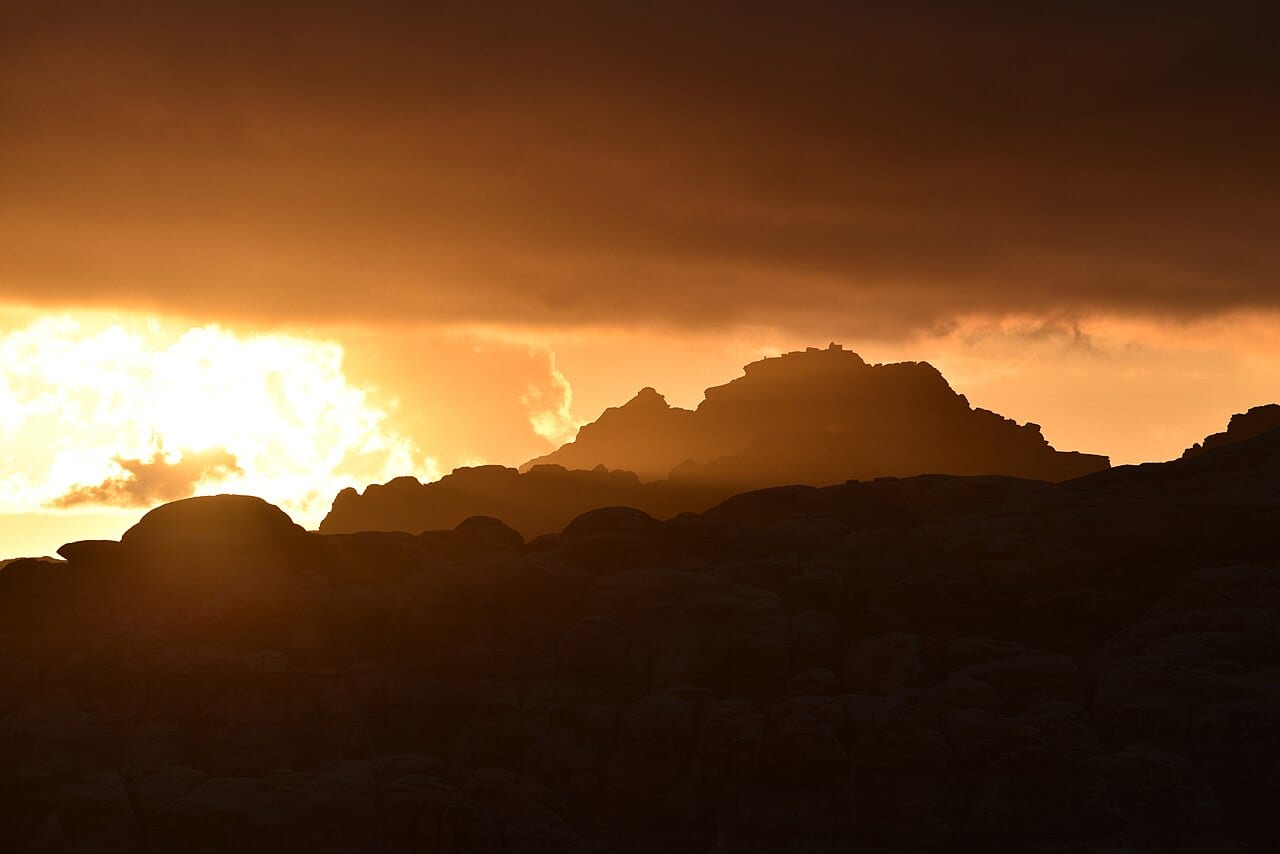
West of the city rises Jabal Haroun, traditionally linked to the burial place of Prophet Harun (Aaron), peace be upon him. A small Mamluk-era shrine stands on the summit at about 1,350 metres. The return walk from the city centre takes most of a day over rough ground, so go with a guide, start early, carry plenty of water and dress modestly at the shrine.
Petra by Night
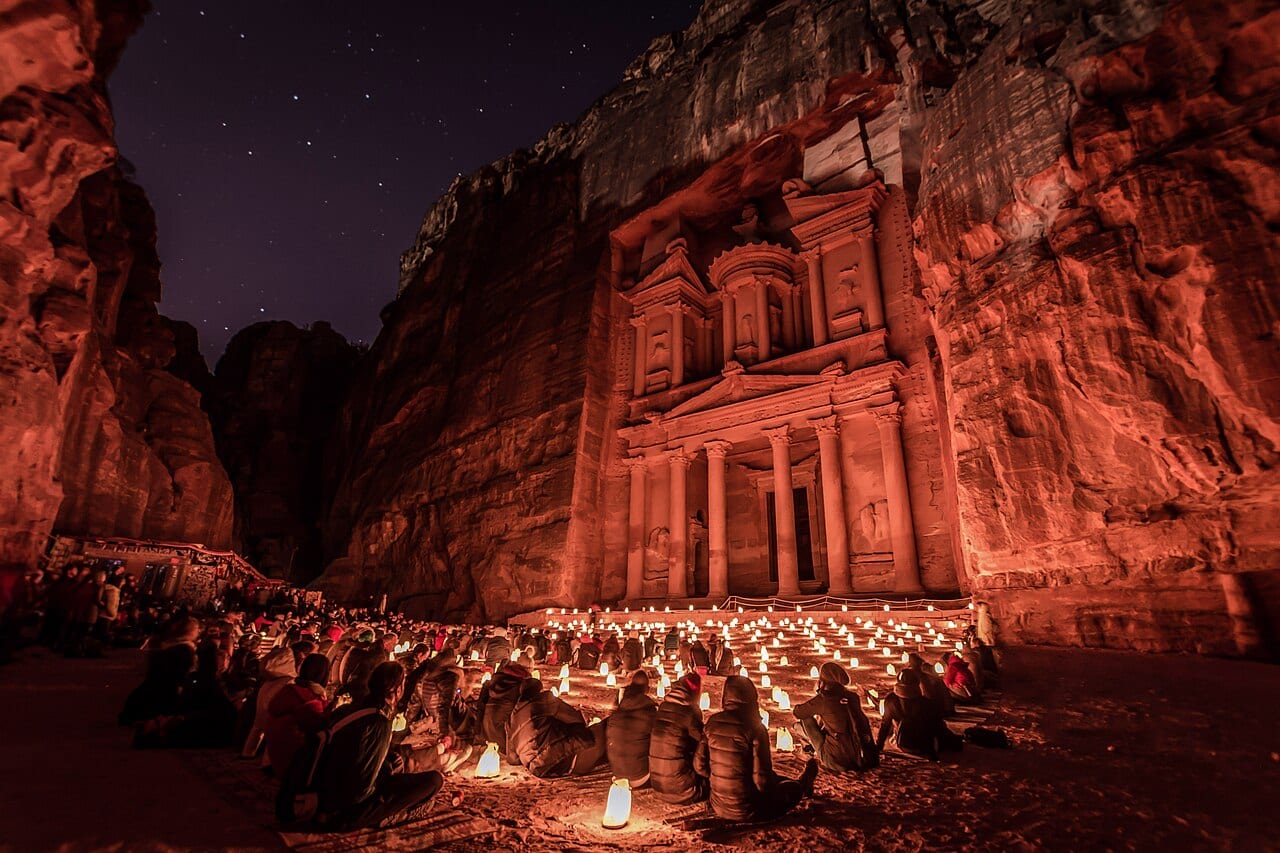
On several evenings a week the Siq and the square before the Treasury are lit by hundreds of candles. Visitors walk in quietly, sit on mats and listen to traditional music. It is calm and family-friendly; the official site notes that children under 10 attend free. Days change by season, so check at the visitor centre. Pray Maghrib before you go in and Isha back in town.
A sample two-day plan
- Day 1: the Siq and the Treasury at opening time; the Street of Facades, the theatre and the Royal Tombs; Dhuhr and lunch near the Great Temple; back through the Siq mid-afternoon. Little Petra before sunset, or Petra by Night if it runs that evening.
- Day 2: straight to Qasr al-Bint and up to the Monastery while it is cool; in the afternoon the High Place of Sacrifice loop, walked in reverse from Wadi Farasa.
Want it built around your own dates, budget and family? Our planner does it in a minute, with prayer times and halal food along the way: plan a Petra trip. Starting from the capital? See our Amman destination guide.
Where to pray at Petra
There is no mosque inside the park, so plan to pray Dhuhr and Asr on the trail. Carry a light mat and a small bottle for wudu; the toilets at the visitor centre and in the city-centre restaurant area are the practical places to make it. The Qibla from Petra is roughly south-south-east (about 156 degrees). Quiet, shaded corners are easy to find on the terraces around the Royal Tombs or near Qasr al-Bint, and staff are used to visitors praying.
In Wadi Musa there are mosques a short drive from the visitor centre, including the town's main mosque, the Great Mosque of Wadi Musa, and the mosque beside Ain Musa, the spring under a small three-domed building at the northern entrance to town, which tradition links to Prophet Musa. On Fridays, ask your hotel which mosque is nearest for Jumu'ah and plan the morning around it.
Halal food in Petra and Wadi Musa
Inside the park, restaurants and stalls near the Great Temple and Qasr al-Bint sell buffet lunches, sandwiches, tea and fresh juice, at prices above those in town. Many travellers bring a packed lunch: flatbread, labneh, za'atar, cheese, dates and fruit travel well. In Wadi Musa, family restaurants along the main road serve:
- Mansaf: lamb cooked in jameed (dried yoghurt) over rice and thin shrak bread, the national dish.
- Maqluba: rice, chicken or lamb and fried vegetables cooked in one pot and turned upside down at the table.
- Zarb: the Bedouin barbecue of meat and vegetables slow-cooked in a sand pit, offered by camps and some restaurants around Petra; order in the afternoon.
- Galayet bandora: tomatoes fried with garlic, chilli and olive oil, eaten with bread.
During Ramadan, ask your hotel about iftar and suhoor times. For more dishes, read our guide to Jordanian cuisine.
Where to stay, and what it costs
Stay in Wadi Musa, as close to the visitor centre as your budget allows, so you can walk in at opening time and rest at midday. Hotels low in town are a short walk from the gate; those higher up have views but need a taxi. Prices range from simple guesthouses to large international hotels and rise sharply in spring, autumn and holiday weekends. A simple local meal costs a few dinars per person, while hotel buffets and park restaurants cost noticeably more. A private driver from Amman is the most expensive way to arrive but the easiest for families. See live prices on our hotel search.
Families, women and older travellers
- Children love the Siq and climbing into the tombs. Plan short loops, carry snacks and hats, and agree a meeting point at the Treasury.
- Older travellers can take club cars to the Treasury and on to Qasr al-Bint, then choose short walks; the Monastery and the High Place need good fitness.
- Women generally find Petra comfortable and busy with families. Loose, breathable clothes and a scarf or hat suit both modesty and the sun. Decline persistent ride or guide offers politely and firmly.
Common mistakes to avoid
- Visiting without an overnight stay: you pay the 90 JD day-visitor price and see only a fraction of the site.
- Starting late: by 10:00 the Siq is crowded and, in warm months, the Monastery climb is punishing.
- Too little water: carry at least two litres each.
- Wrong shoes: the rock steps are polished smooth; wear trainers with grip, not sandals.
- Riding tired animals: if you take a donkey or horse, choose a healthy animal, agree the price first and skip the crowded Monastery steps.
Frequently asked questions
Is one day enough for Petra?
One day covers the Siq, the Treasury, the Royal Tombs and the city centre. For the Monastery without rushing, take two; in 2026 the second day adds only 5 JD for staying visitors.
Do I need a guide?
Not for the main trail, which is signposted. A licensed guide adds history, especially for children, and is strongly advised for the Back Trail and Jabal Haroun.
Can I pray inside Petra?
Yes. There is no mosque, but you can pray on a mat in any quiet corner, facing roughly south-south-east.
Is Petra suitable for older travellers and small children?
Yes, with planning. The path to the Treasury is gentle, club cars serve the main trail, and children usually love the Siq. The Monastery and the High Place need fitness.
Is the food around Petra halal?
Local restaurants in Wadi Musa serve halal meat as a matter of course. Some international hotels serve alcohol, so ask before booking if that matters to you.
Official information: Petra Development and Tourism Region Authority (Visit Petra) · Jordan Pass · UNESCO: Petra.
Cover photo: Al-Khazneh (the Treasury) at the end of the Siq. Photo: Vyacheslav Argenberg — CC BY 4.0, Wikimedia Commons