Doha is the Gulf city that is easiest to simply enjoy. It is compact, it is spotless, its old souq is a real souq with falcons and spices rather than a mall in disguise, and it has spent two decades building the best museums in the region and a Metro to reach them. Add a Corniche that curves for seven kilometres from the museum island to the towers of West Bay, a desert where the dunes run into the sea, and a food scene that takes halal for granted, and you have a three-or-four-day city break that families from Jordan, Egypt and the rest of the Gulf fly to on a whim. This Doha guide is for a first visit: what to see, in what order, where to pray, what to eat, and what it really costs.
When to go
November to March is the season: 20–28°C by day, cool evenings on the Corniche, the souq busy until midnight. April and October are warm but fine with the afternoons indoors. Summer is 42°C with humidity, when Doha lives in its malls, museums and the air-conditioned Metro; hotels are cheap and the water is bath-warm. The winter calendar is full: the Doha International Book Fair, the Qatar Grand Prix at Lusail, football, tennis and the festivals at Katara, and in Ramadan the souq, the Corniche and Katara stay awake until suhoor with tents and garangao sweets for the children on the fourteenth night.
Getting there and around
Hamad International Airport (DOH) is fifteen minutes from the centre and served by Qatar Airways from every city in our region, plus most Gulf and Egyptian carriers; the airport itself, with its giant yellow teddy bear and its indoor garden, is a sight. The Doha Metro (Red, Green and Gold lines) is clean, cheap and air-conditioned, with family carriages and stations at the airport, Souq Waqif, the museums, Msheireb, Katara and Lusail, and free feeder buses to the stops it misses. Taxis, Uber and Careem are plentiful and inexpensive. Visas: GCC citizens enter freely; citizens of some hundred countries get visa-free entry or a visa on arrival, and residents of the GCC can apply online, so check Qatar's official visa portal for your passport before booking. Our AI trip planner will order the days below around prayer times and the Metro.
Souq Waqif
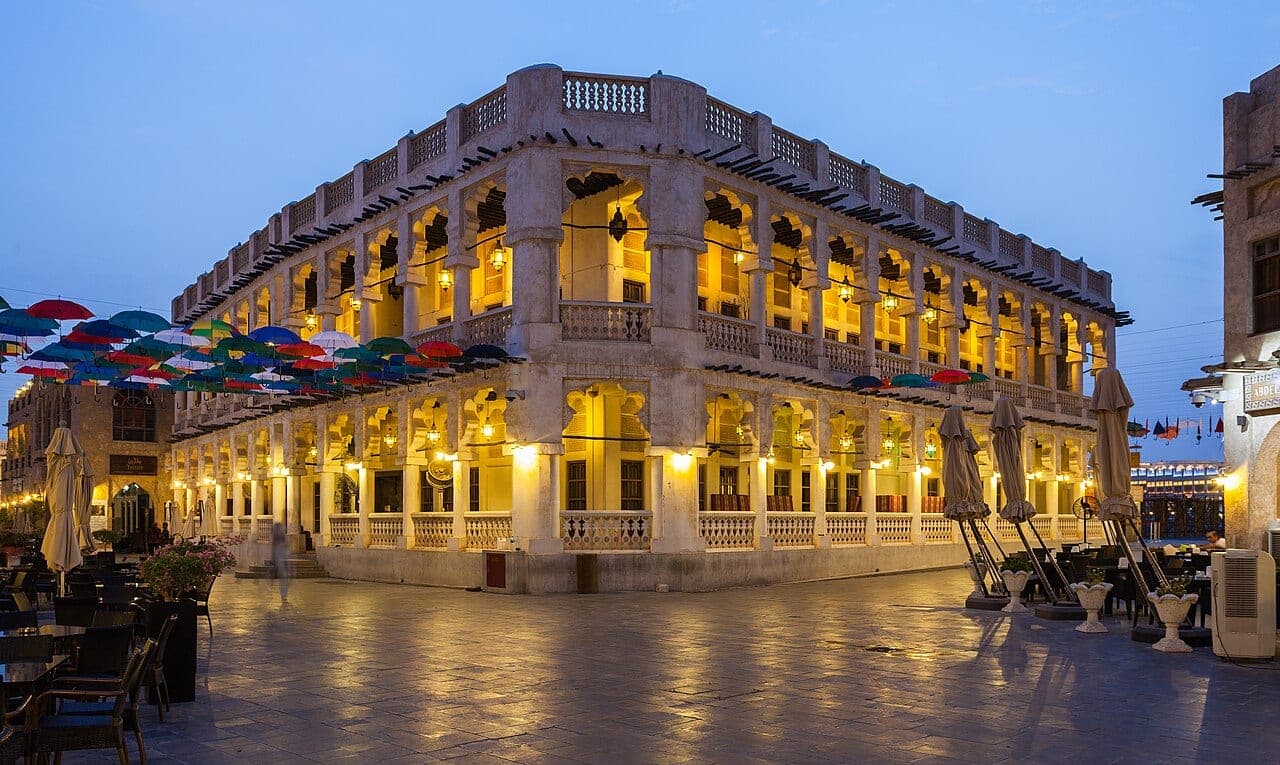
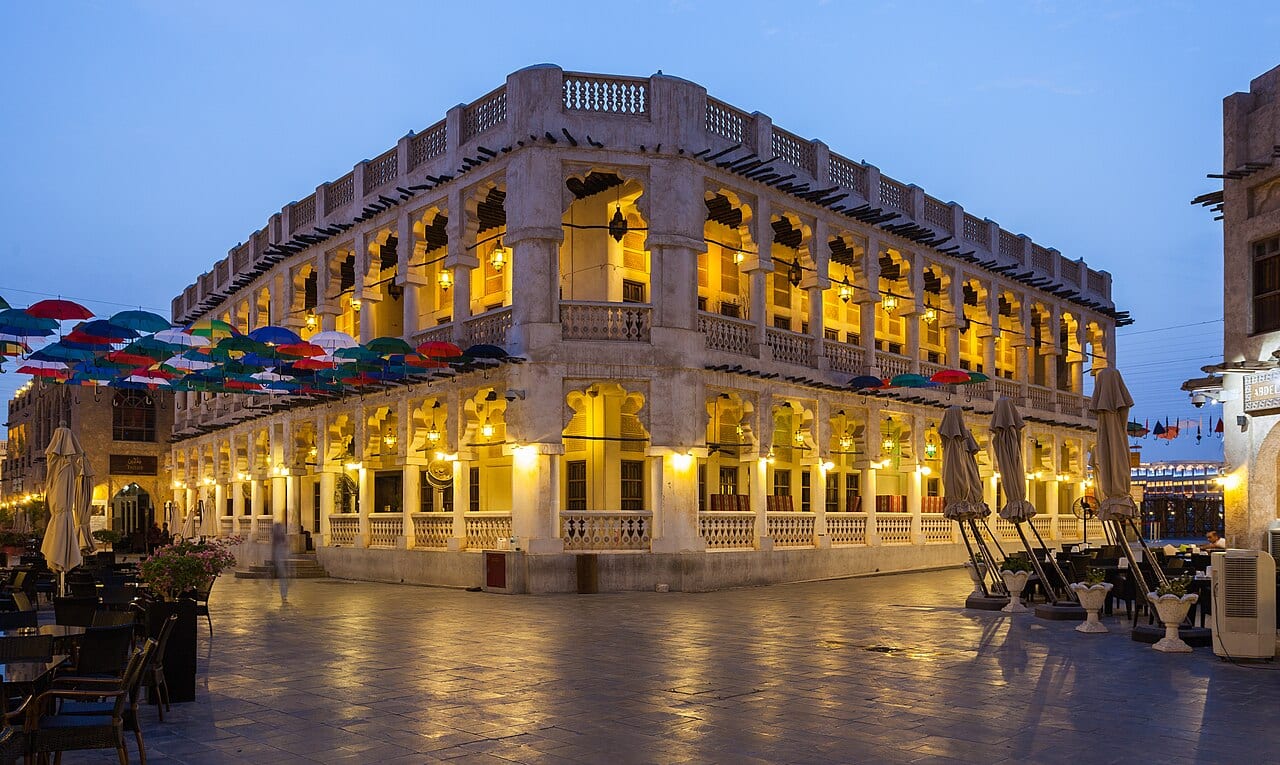
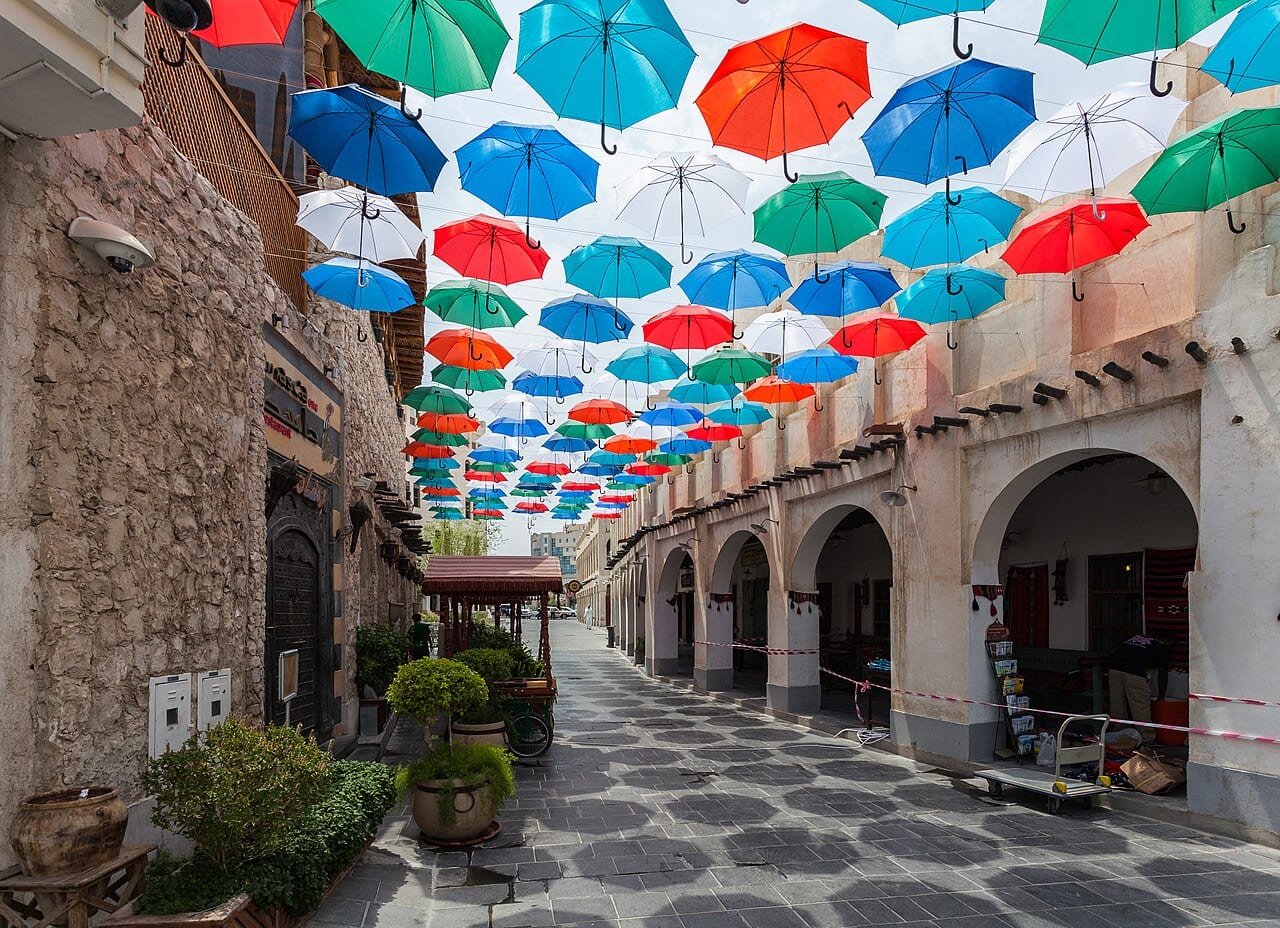
Begin where Doha began. Souq Waqif is the restored market where Bedouin once sold goats and wool on a Friday; today its mud-rendered lanes hold spice merchants, perfumers, tailors, carpet sellers, a gold souq, an animal souq, and the Falcon Souq, where hooded birds sit on perches beside a falcon hospital, the thing every child remembers. Come after asr: pray in the souq's own mosque, watch the lanes fill, eat at one of the Qatari, Yemeni, Lebanese or Iranian restaurants whose tables spill into the squares, and finish with karak tea and a stroll past the oud sellers. Nothing here is a tourist trap in the Dubai sense; Qataris eat and shop here too. The umbrella-shaded alley by the Al Wakra road entrance is the one in every photograph.
The museums: Islamic Art and the Desert Rose
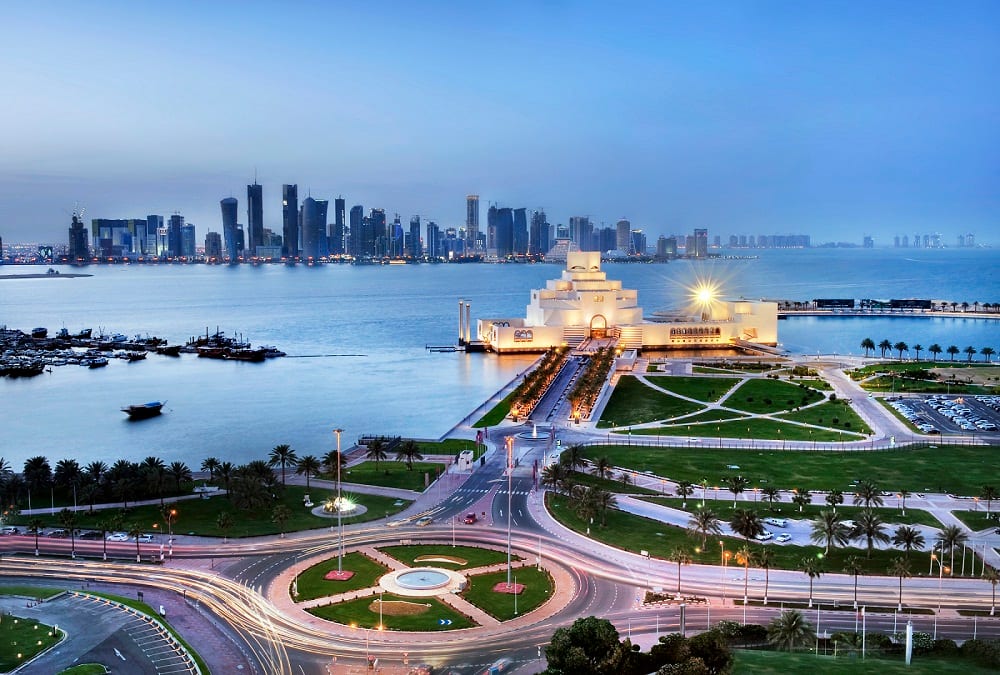
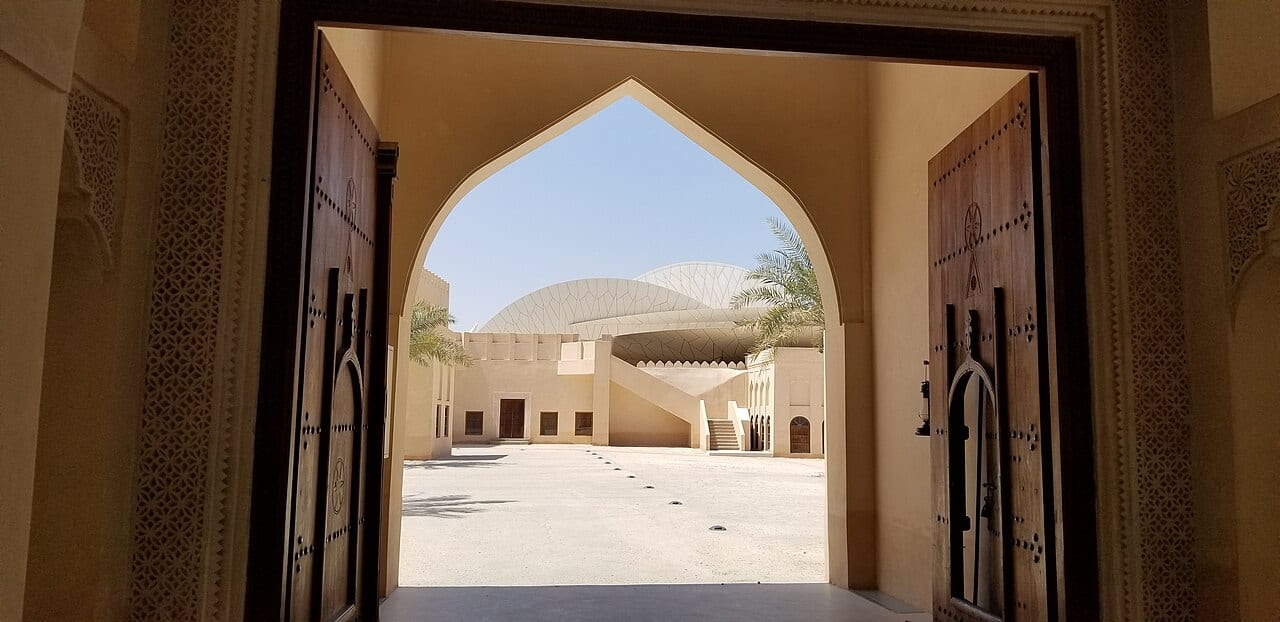
Across the road from the souq, on its own island at the start of the Corniche, the Museum of Islamic Art is I. M. Pei's last great building and the finest collection of Islamic art anywhere outside the old capitals: Qur'ans from the first centuries, Mughal jewels, Iznik tiles, astrolabes, a Cairo mosque lamp, all beautifully lit in a limestone building that frames the West Bay skyline through its windows. Entry is free for Qatar residents and modestly priced for visitors; the park beside it is a family picnic spot with a view. A few kilometres south, the National Museum of Qatar by Jean Nouvel is a cluster of interlocking discs like a desert rose crystal, wrapped around the old palace of Sheikh Abdullah bin Jassim; inside, immersive galleries tell the story of the peninsula from the sea bed to the pearl divers and the gas fields, with excellent Arabic and English narration and spaces built for children. Allow a half day for each; both have prayer rooms and cafés.
The Corniche and West Bay
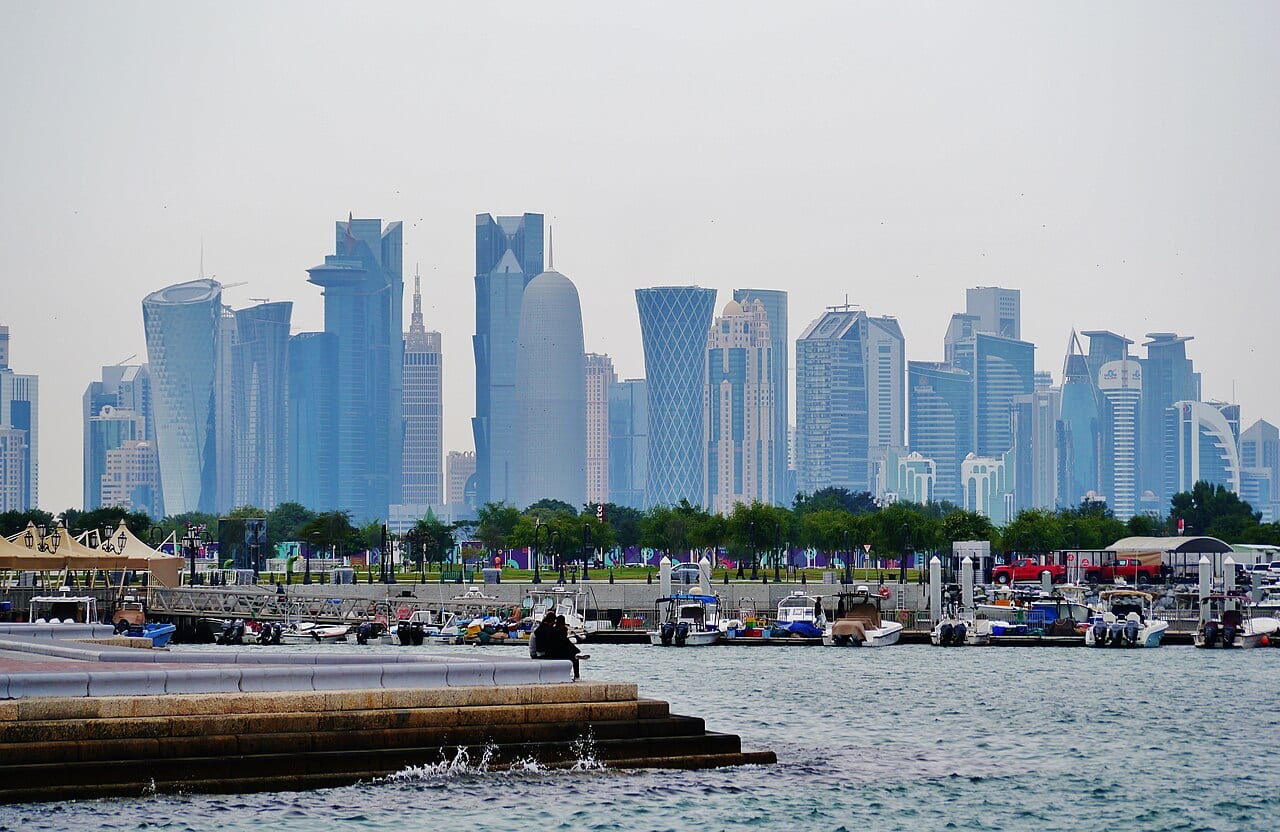
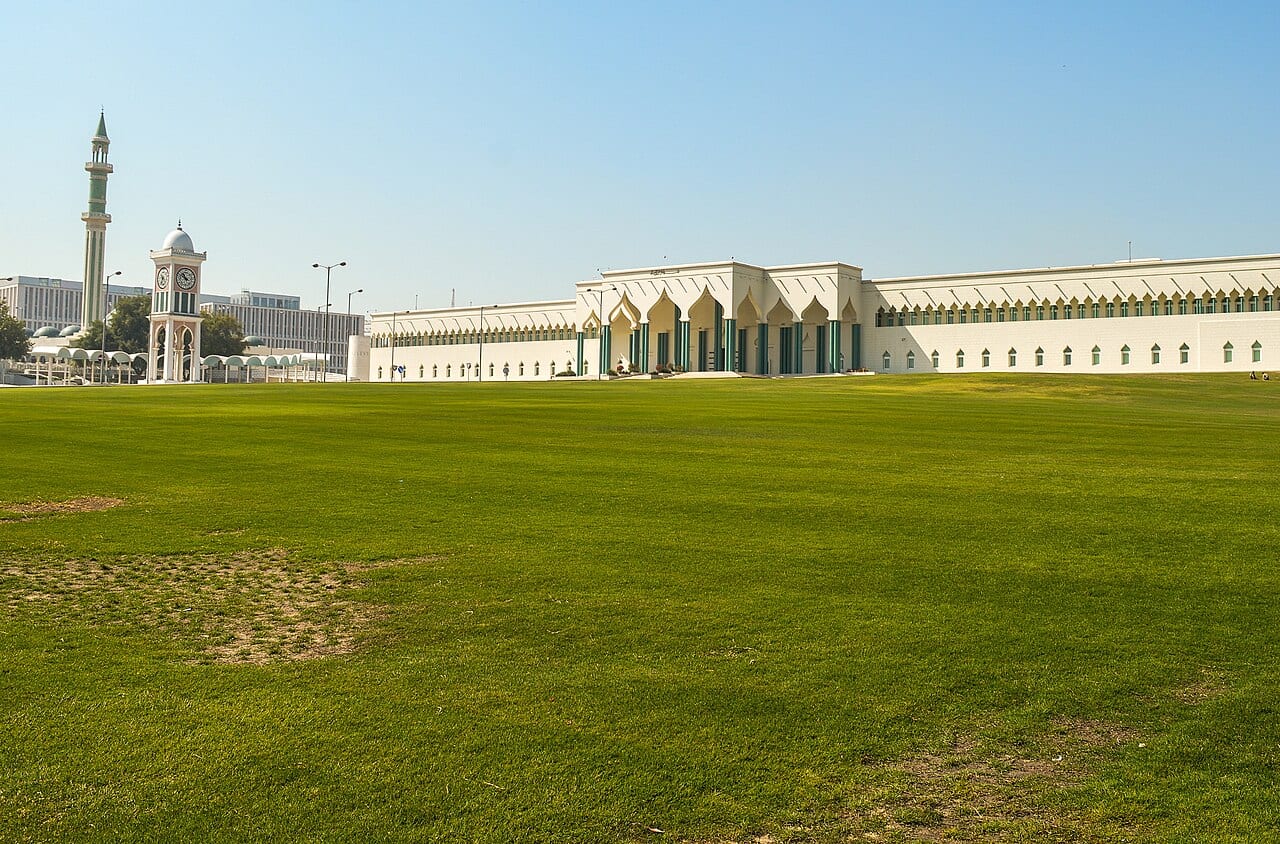
The Corniche is the city's walk: seven kilometres of palm-lined promenade along the bay, from the museum island past the dhow harbour, where wooden boats offer evening cruises, to the glass towers of West Bay. Walk it an hour before maghrib, pray at one of the mosques just inland (the Imam Muhammad ibn Abd al-Wahhab Mosque, the State Grand Mosque, with its ninety domes, is a ten-minute drive and the grandest in the country), and watch the towers light up. The grass along the Corniche fills with families and picnics on winter evenings, and the dhow cruises after dark are a lovely hour for children.
Katara, The Pearl and Lusail
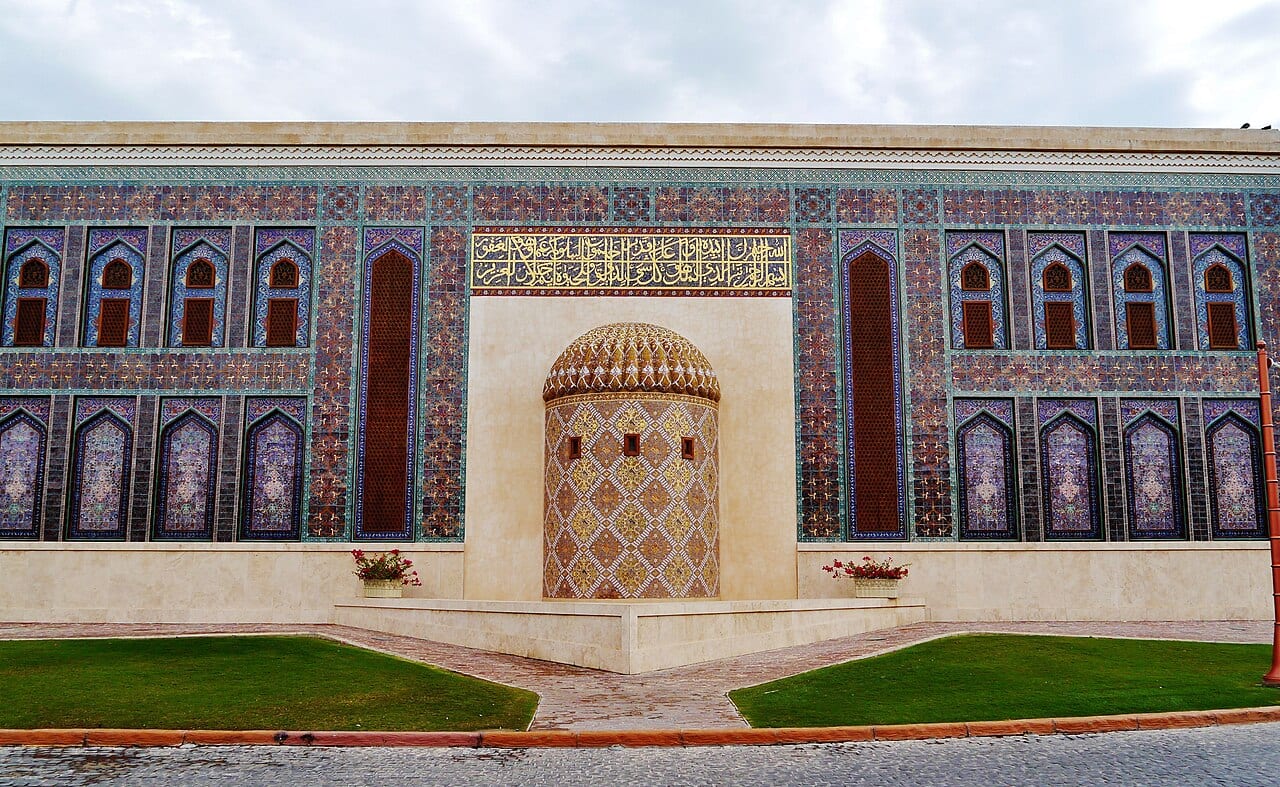
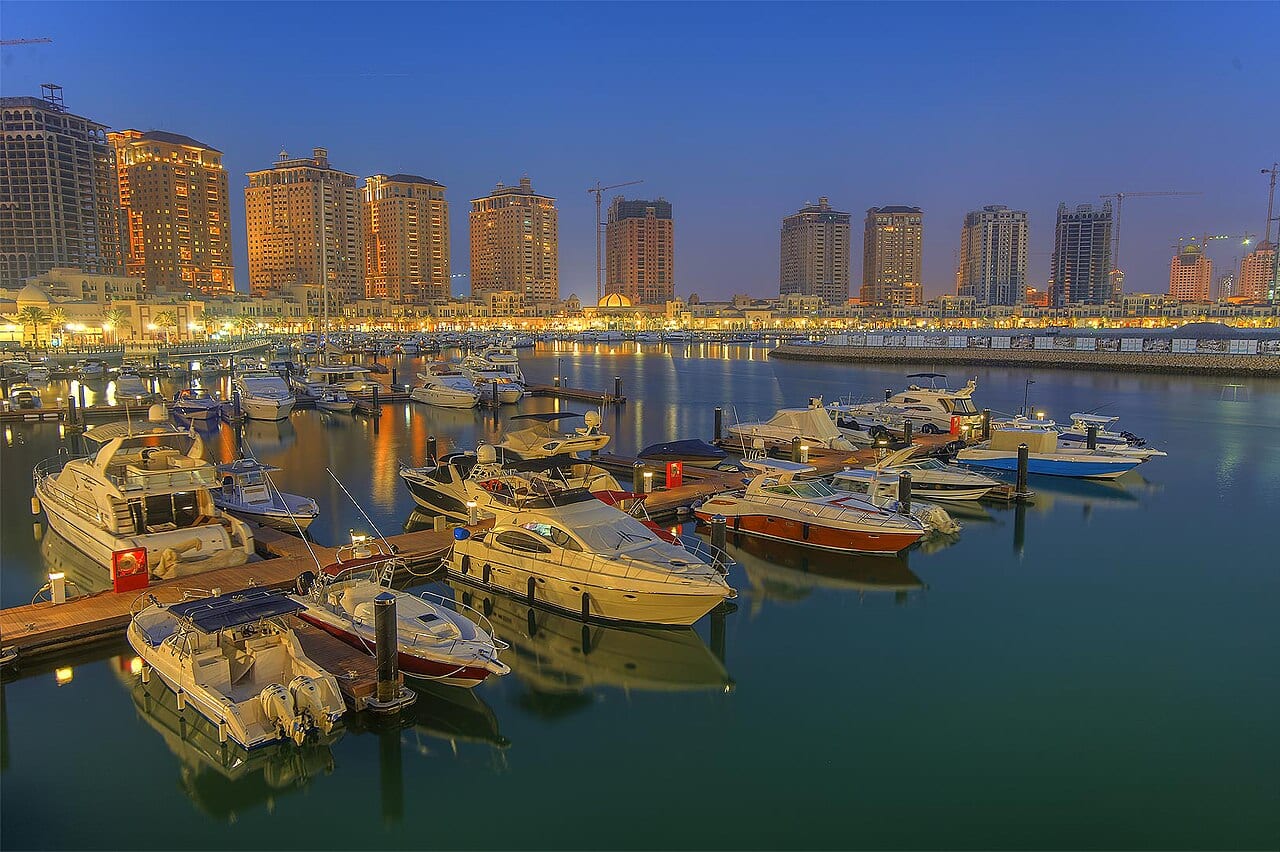
North along the coast, Katara Cultural Village is a district of galleries, theatres, an amphitheatre and two remarkable mosques: the Katara Mosque with its Turkish and Persian tilework, and the Golden Mosque beside it; Katara's beach is family-friendly and its restaurants, from Qatari to Turkish and Lebanese, are among the city's best. Next door, The Pearl-Qatar is a man-made island of marinas, Mediterranean-style arcades, cafés and gelato along the water, pleasant for an evening stroll. Further north, Lusail is the new city: a boulevard of lights, the Lusail Stadium of the 2022 World Cup final, a marina promenade and a winter funfair. Pray maghrib at Katara and dine there; the Metro links all three.
Msheireb: the old centre reborn
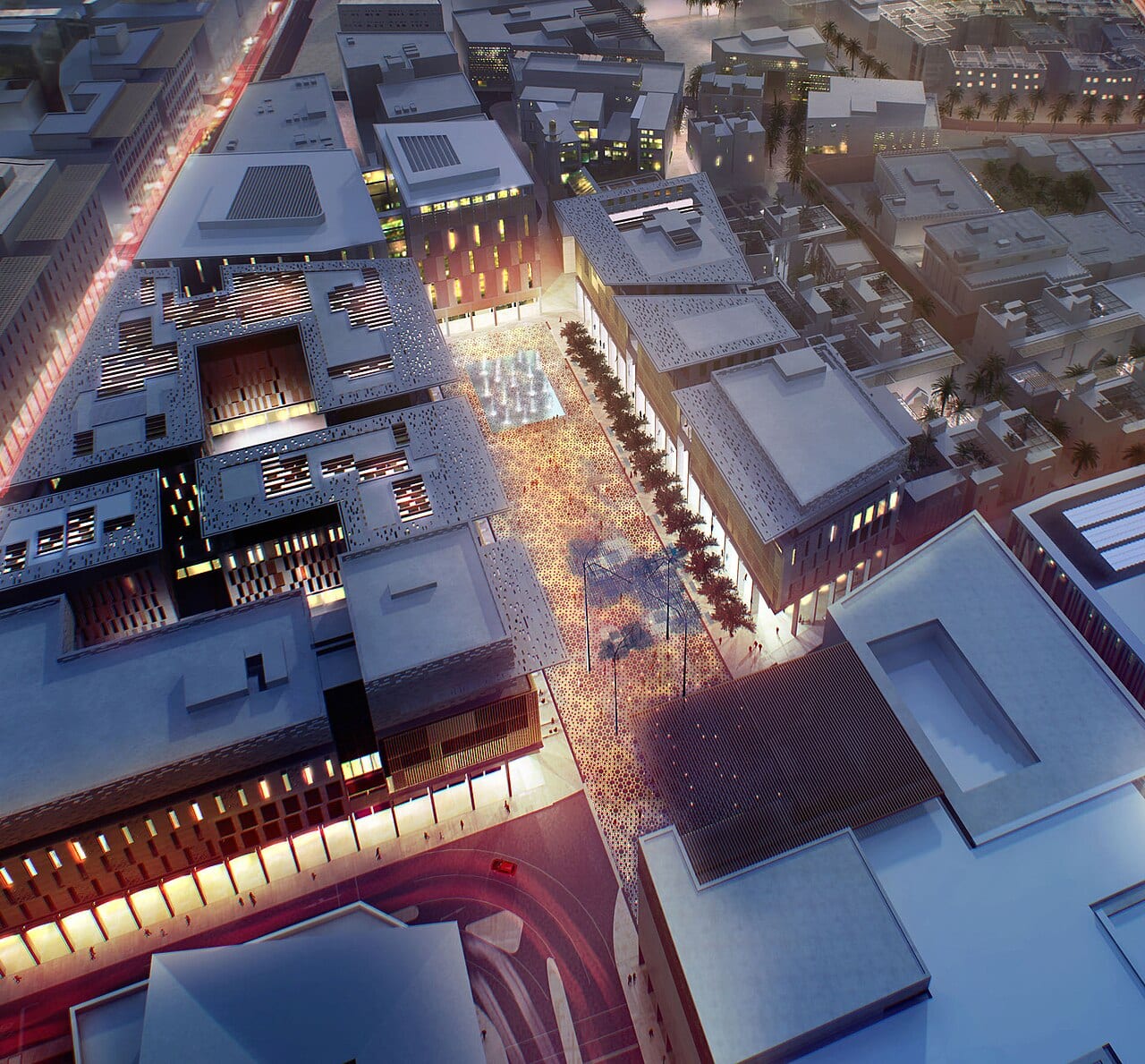
Behind Souq Waqif, Msheireb Downtown is the old commercial heart rebuilt as a walkable district of cream stone, shaded streets, a tram, galleries and the four small Msheireb Museums in restored houses (one tells the story of the pearl divers and the workers who built the country, with honesty). The square hosts markets and open-air cinema in winter, the cafés are good, and the whole quarter is a lesson in how a Gulf city can be built for walking. It is a pleasant way to spend the hot hours between the souq and the Corniche.
The desert: the Inland Sea and Al Zubarah
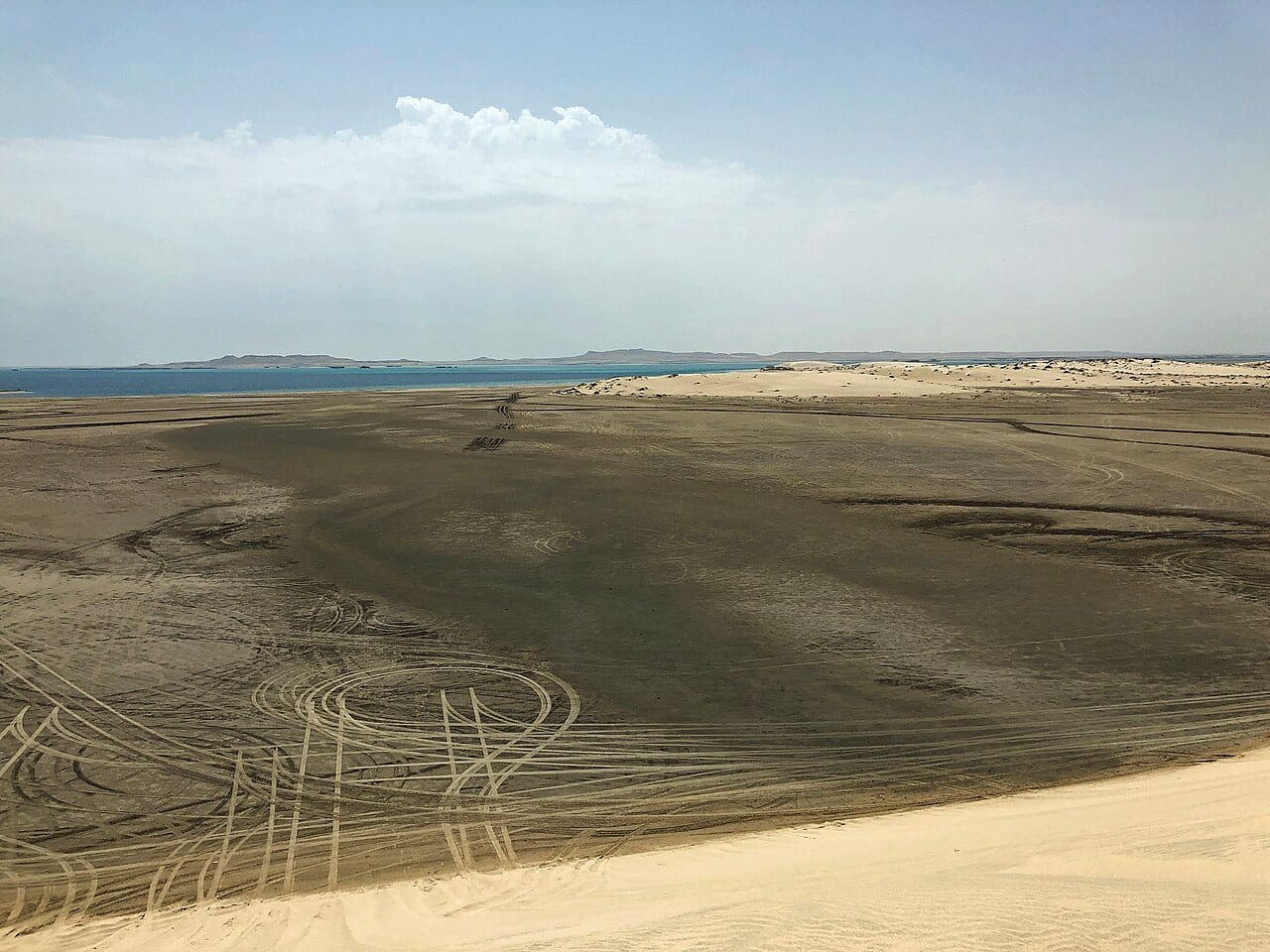
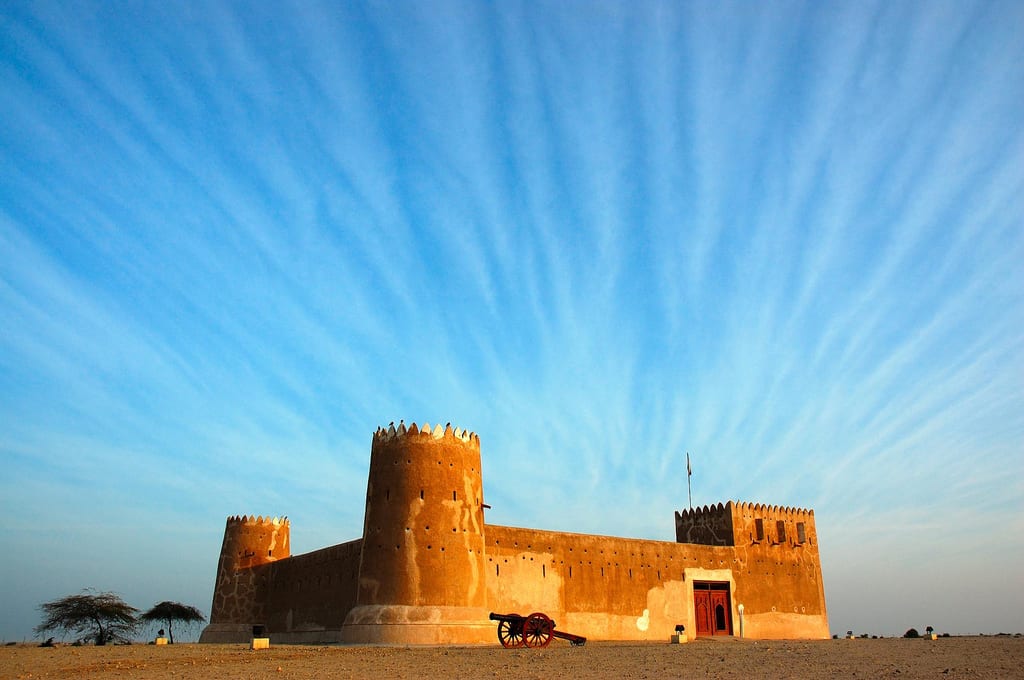
An hour south of the city, the dunes of Khor Al Adaid, the Inland Sea, run straight into a turquoise bay with Saudi Arabia on the far shore, a UNESCO-recognised natural reserve you reach only by four-wheel drive. The classic afternoon is a dune drive, a stop at the sea for the children to paddle, a Bedouin-style dinner at a camp and the return under stars; overnight camps are family-oriented and alcohol-free. In the north, Al Zubarah is Qatar's UNESCO World Heritage site: the restored 1930s fort, and beside it the excavated remains of the eighteenth-century pearling town that was once the largest on the coast, with a good visitor centre. Both are half-day trips with a licensed operator or a hired four-wheel drive; the dunes need a guide.
Where to pray and what to eat
Prayer is everywhere: Souq Waqif's mosque, the State Grand Mosque, the Katara mosques, prayer rooms in every mall, museum and Metro station. Food is halal by default across the country, and alcohol is confined to a few hotel venues you can simply ignore. Qatari cooking is Gulf cooking at its most generous: machboos (spiced rice with lamb, chicken or shrimp), harees, thareed (bread soaked in a meat and vegetable stew), madrouba, grilled hammour from the Gulf, luqaimat with date syrup, and karak tea from the cafeterias that are the country's unofficial parliament. Souq Waqif has the widest choice in one place, Katara the best tables by the sea, and the Pearl's cafés the best ice cream. In Ramadan, the iftar tents at the souq and the hotels are an experience in themselves.
A four-day plan
- Day one, old Doha. Museum of Islamic Art in the morning, lunch in the souq, Msheireb in the afternoon heat, Souq Waqif from asr to late with maghrib at its mosque.
- Day two, the new coast. National Museum of Qatar in the morning, the Corniche and a dhow cruise before sunset, the State Grand Mosque for maghrib, dinner in West Bay.
- Day three, north. Katara's mosques, galleries and beach, The Pearl for the evening, Lusail's boulevard after dark.
- Day four, the desert. Khor Al Adaid from midday to the stars with an operator, or Al Zubarah in the morning and the souq once more at night.
Compare live hotel prices on our hotels page and flights on the flight search; Doha pairs well with Muscat or Dubai on a Gulf loop.
Family tips
- The Metro's family carriages, the museums' children's spaces and the Corniche lawns make Doha one of the easiest Gulf cities with small children.
- Dress is modest in public places; signs at the souq and the museums say so politely. Swimwear belongs on the beach and at the pool.
- Book the desert through a licensed operator; the dunes are not for self-driving, and the Inland Sea has no services.
- Friday is the day of prayer and the weekend is Friday and Saturday; museums open in the afternoon on Friday and the souq is busiest on Friday night.
- Carry a little cash for the souq and the cafeterias; everything else takes cards and phones.
What it costs, honestly
Doha is mid-to-upper priced for hotels and cheap for getting around: the Metro costs almost nothing, museum tickets are modest, the souq, the Corniche, Katara, The Pearl and the mosques are free, and a meal in the souq is reasonable. The desert day and the dhow cruise are the paid extras. Winter weekends with a big sporting event push hotel rates up, so check the calendar and book early, or stay a Metro ride away from the Corniche.
FAQ
How many days is enough for Doha?
Three for the city, four with the desert. It is compact, and the Metro makes the order of the days flexible.
Is Doha suitable for a conservative family?
Very: halal everywhere, alcohol confined to hotel venues, modest dress the norm, prayer rooms in every public building and family spaces built into the museums and the Metro.
Which museum first?
The Museum of Islamic Art, for the collection and the building; the National Museum second, for the story of the country and the children's galleries.
Can we see the Inland Sea without a tour?
Not sensibly: the last stretch is deep sand, and licensed operators include the dune drive, the stop at the sea and dinner at a camp.
Is there a beach in the city?
Katara's beach is family-friendly and central; the hotels on West Bay and The Pearl sell day passes with pools and shade.